
How to Do Your Own Pest Control Effectively with Electric Mosquito Swatter
2026-04-16
DIY Pest Control: How to Do Your Own Pest Control Effectively with Electric Mosquito Swatter
Do Your Own Pest Control: A Complete Guide to Safe, Affordable, and Effective Home Pest Management
Dealing with pests in your home can be frustrating, expensive, and even risky if you rely on harsh chemical treatments or professional exterminators. The good news? You can do your own pest control (DIY pest control) to keep your home pest-free without breaking the bank or compromising your family’s safety. From tiny mosquitoes to stubborn ants, a well-planned DIY approach—paired with the right tools like an electric mosquito swatter—can tackle common household pests efficiently. In this guide, we’ll break down everything you need to know to master do your own pest control, with a focus on how an electric mosquito swatter can simplify your mosquito-fighting efforts.
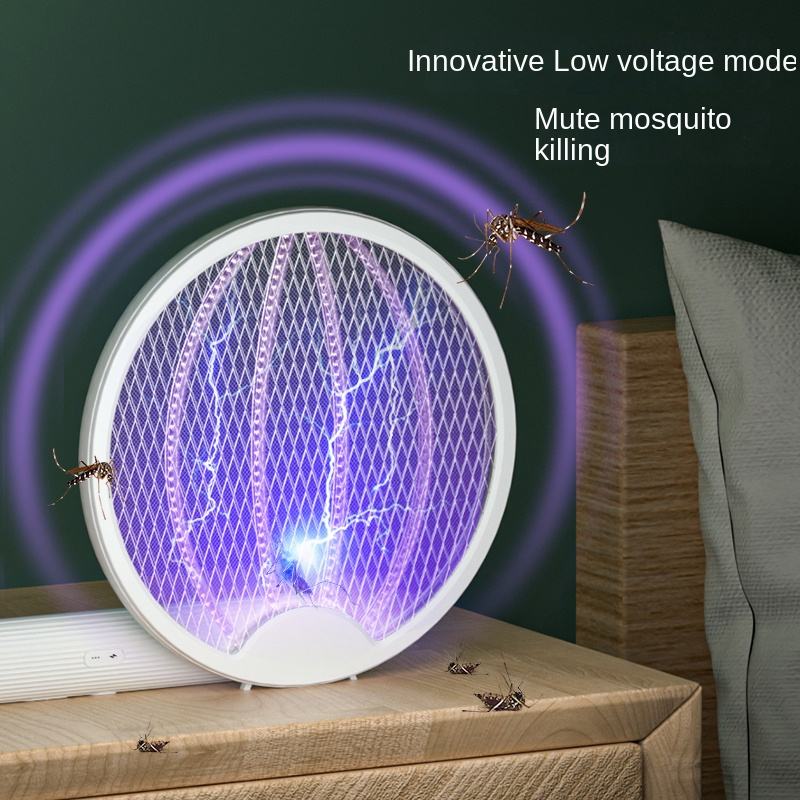
Why Do Your Own Pest Control? Key Benefits for Homeowners
Before diving into the how-to, let’s explore why DIY pest control is a smart choice for most homeowners. Unlike professional pest control services, which can cost $500+ annually, do your own pest control lets you save money while maintaining control over the products and methods used in your home. Here are the top benefits:
Cost Savings Without Sacrificing Effectiveness
Professional pest control visits often come with high fees, and ongoing maintenance plans can add up quickly. When you do your own pest control, you only pay for the tools and products you need—many of which are reusable (like an electric mosquito swatter) or affordable. For example, a quality electric mosquito swatter costs a fraction of a single professional mosquito treatment, yet it provides immediate, long-lasting results for flying pests.
Safety for Your Family and Pets
Many commercial pest control products contain harsh chemicals that can irritate skin, trigger allergies, or pose risks to children and pets if used incorrectly. DIY pest control allows you to choose natural, non-toxic methods or safe, targeted tools like the electric mosquito swatter, which uses a harmless electric shock to eliminate pests without chemicals.
Convenience and Flexibility
You don’t have to wait for a professional appointment to address a pest problem. With do your own pest control, you can tackle infestations as soon as you notice them—whether it’s swatting a mosquito at night with an electric mosquito swatter or sealing a crack to keep ants out. This flexibility ensures you stay one step ahead of pests.
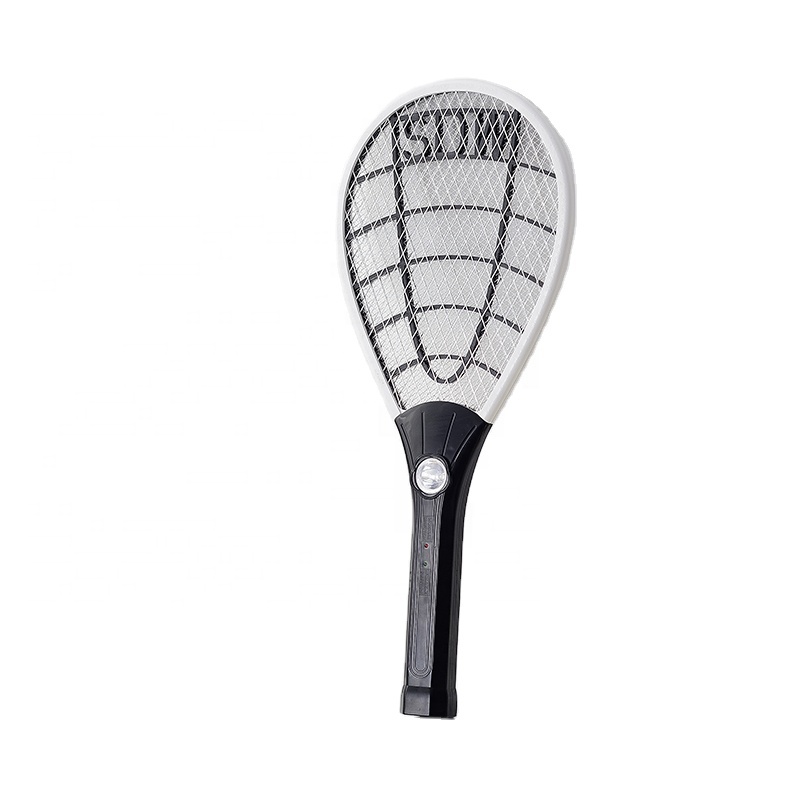
Electric Mosquito Swatter: The Unsung Hero of DIY Pest Control
When it comes to do your own pest control, few tools are as versatile and effective as the electric mosquito swatter. Mosquitoes are one of the most common household pests, spreading diseases and ruining outdoor gatherings—but an electric mosquito swatter makes eliminating them quick and easy. Here’s why this tool is a must-have for your DIY pest control kit:
How Electric Mosquito Swatters Work (And Why They’re Better Than Traditional Methods)
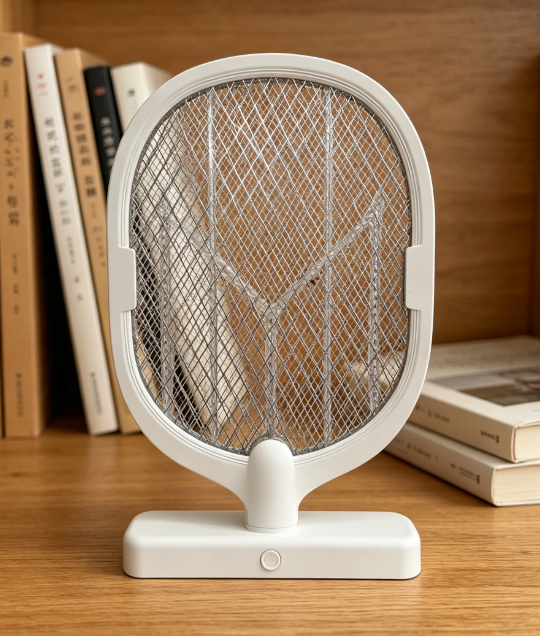
An electric mosquito swatter is a handheld device that uses a high-voltage grid (typically 3800-4000V) to deliver a quick, non-toxic electric shock to mosquitoes, gnats, flies, and other small flying pests. Unlike traditional fly swatters, which are messy and often miss fast-moving insects, electric mosquito swatters kill pests instantly on contact—no squishing, no clean-up, and no chemical residue. Most modern models are rechargeable, with safety features like triple-layer grids to prevent accidental shocks to humans and pets.
Choosing the Right Electric Mosquito Swatter for DIY Pest Control
Not all electric mosquito swatters are created equal. To get the most out of your tool for do your own pest control, look for these key features:
-
High Voltage: Opt for a model with 3800V or higher to ensure it kills pests quickly (weaker models may only stun them).
-
Rechargeable Battery: Rechargeable electric mosquito swatters are more cost-effective and eco-friendly than battery-powered ones. Look for USB charging for convenience.
-
Safety Features: Triple-layer grids, power indicators, and automatic residual voltage elimination are essential to keep your family safe.
-
Ergonomic Design: A comfortable handle makes it easy to use the swatter for extended periods, whether you’re indoors or outdoors.
Tips for Using an Electric Mosquito Swatter Effectively
To maximize your electric mosquito swatter’s effectiveness as part of your do your own pest control routine, follow these tips:
-
Use it in low-light areas: Mosquitoes are more active at dawn, dusk, and night—use the swatter during these times for best results. Many models have built-in purple lights to attract mosquitoes, making them easier to target.
-
Keep it charged: A fully charged electric mosquito swatter delivers the strongest shock. Charge it for 3-4 hours before use, and check the power indicator to avoid low-voltage issues.
-
Target resting areas: Mosquitoes often rest on walls, ceilings, and windowsills. Use the swatter to gently touch these areas—even if you don’t see a mosquito, you may catch hidden ones.
-
Combine with prevention: The electric mosquito swatter is great for eliminating existing mosquitoes, but pair it with prevention (like removing standing water) to reduce future infestations.
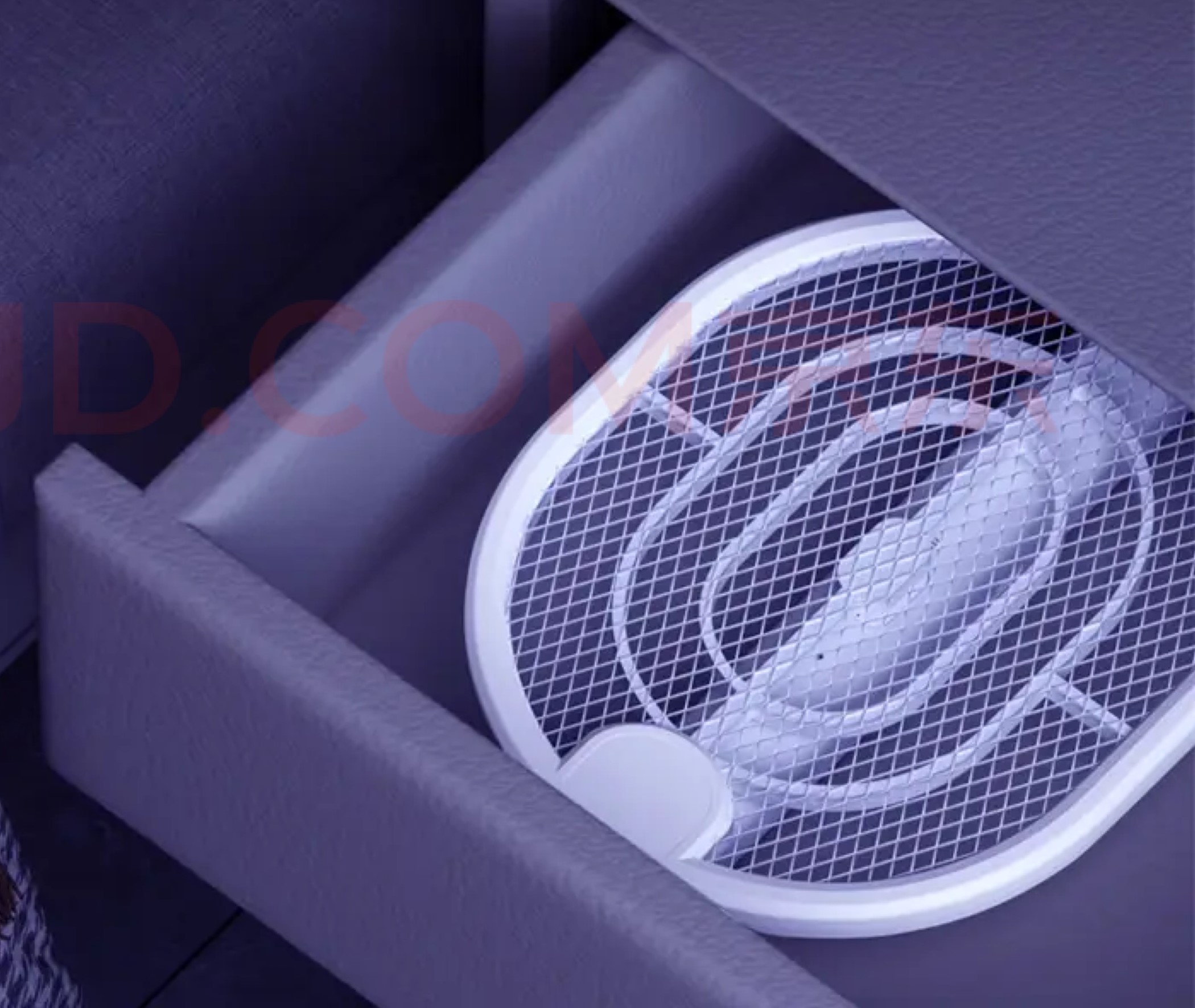
Step-by-Step DIY Pest Control Routine (Including Electric Mosquito Swatter Usage)
Doing your own pest control doesn’t have to be complicated. Follow this step-by-step routine to keep your home pest-free, with a focus on using your electric mosquito swatter for flying pests:
Step 1: Identify the Pests in Your Home
The first step in do your own pest control is identifying the pests you’re dealing with. Common household pests include mosquitoes, ants, spiders, cockroaches, and flies. For mosquitoes, look for standing water (where they lay eggs) and notice when they’re most active (typically at dawn/dusk). Your electric mosquito swatter will be your go-to tool for these flying pests.
Step 2: Prevent Pests from Entering Your Home
Prevention is key to successful DIY pest control. Here’s how to keep pests out:
-
Seal cracks and gaps around doors, windows, and walls to keep ants, spiders, and other pests from entering.
-
Remove standing water from flower pots, birdbaths, and gutters to prevent mosquito breeding.
-
Store food in airtight containers and clean up crumbs to avoid attracting ants and cockroaches.
-
Install screens on windows and doors to keep mosquitoes and flies out—use your electric mosquito swatter for any that slip through.
Step 3: Treat Existing Pest Problems
Once you’ve prevented new pests from entering, tackle existing infestations with targeted tools:
-
Mosquitoes: Use your electric mosquito swatter to eliminate adult mosquitoes indoors and outdoors. For larger outdoor areas, pair it with a mosquito trap for added protection.
-
Ants: Use natural bait (like sugar water mixed with borax) to target ant colonies—avoid harsh chemicals that can harm pets.
-
Spiders: Vacuum webs and use a natural spider repellent (like peppermint oil) to keep them away.
Step 4: Monitor and Maintain
DIY pest control is an ongoing process. Check your home regularly for signs of pests (like mosquito larvae in standing water or ant trails) and use your electric mosquito swatter as needed. Recharge your swatter regularly, and replace it if the grid becomes damaged or it stops working effectively.
Common DIY Pest Control Mistakes to Avoid
To ensure your do your own pest control efforts are successful, avoid these common mistakes:
Mistake 1: Overusing Chemicals
Many homeowners reach for chemical sprays to eliminate pests, but these can be harmful to your family and pets. Instead, use tools like the electric mosquito swatter for targeted, chemical-free pest control.
Mistake 2: Ignoring Prevention
Even the best tools (like an electric mosquito swatter) won’t work if you don’t prevent pests from entering your home. Focus on sealing entry points and removing pest attractants first.
Mistake 3: Using the Wrong Tools
A cheap, low-voltage electric mosquito swatter won’t effectively kill pests—invest in a quality model with the features mentioned earlier. Using the wrong tool will only waste time and money.
Final Thoughts: Master Do Your Own Pest Control with Electric Mosquito Swatter
Doing your own pest control is a cost-effective, safe, and convenient way to keep your home pest-free. By following the steps in this guide and using an electric mosquito swatter to tackle flying pests, you can eliminate infestations and prevent future problems—all without relying on professional exterminators. Remember, consistency is key: a regular DIY pest control routine, paired with the right tools, will keep your home comfortable and pest-free year-round.
Ready to start your do your own pest control journey? Grab a quality electric mosquito swatter, follow our prevention and treatment tips, and enjoy a pest-free home!
Are Mosquito Lamps Effective
139th Canton Fair Participation Guide
Related Article

If you’re struggling with annoying mosquitoes, flies, and other flying pests indoors and outdoors, upgrading from traditional manual tools to anElectric Mosquito Swatter is the most efficient solution. Many homeowners and renters search where to buy fly swatter online to find durable, safe, and high-performance electric models that deliver instant pest control.
Where to Buy Fly Swatter
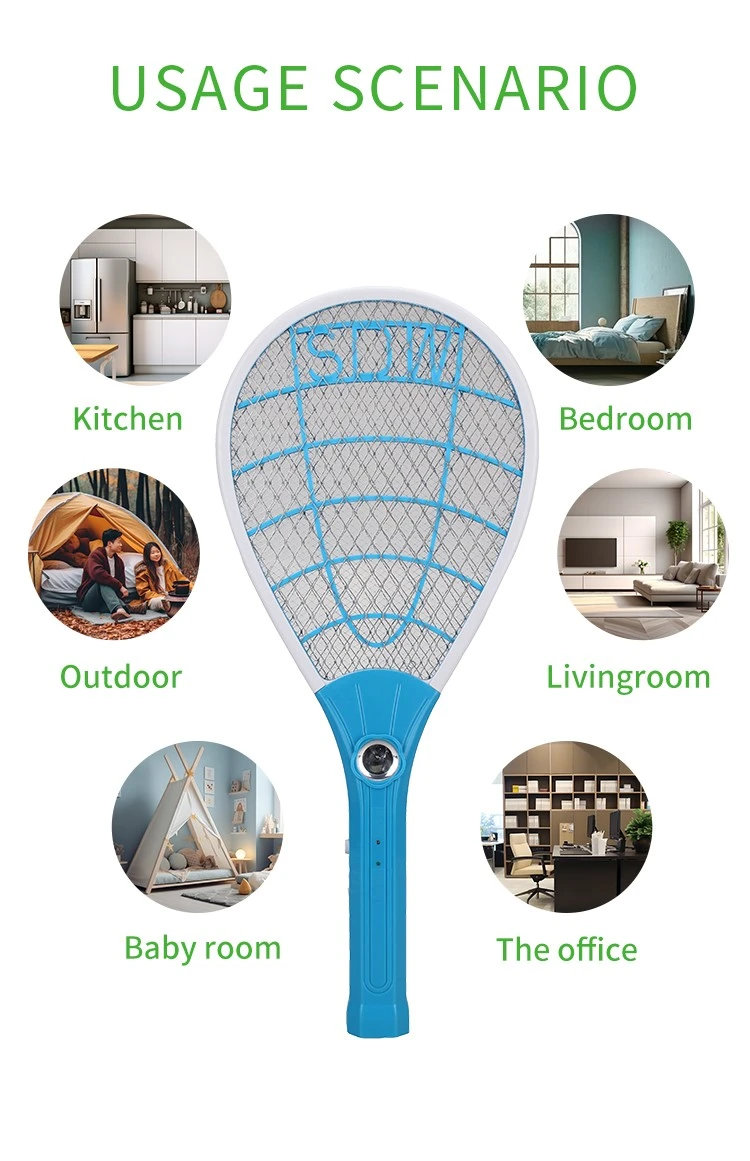
Most importers of electric mosquito swatters obsess over the first order: samples requested, factories vetted, a pre-shipment inspection booked. Then the reorder arrives eight months later and something is off. The grid feels softer. The charge port is a slightly different shade of black. The carton thickness dropped from 350 gsm to 300 gsm. Nothing is catastrophic — but the product no longer matches what your retail customers approved, and quietly, your return rate starts climbing.
How to Keep Mosquito Swatter Quality Consistent Across Repeat Orders
Warranty returns are the silent margin killer in the mosquito control category. A distributor who buys a swatter at $1.80 FOB and retails it at $9.90 can absorb a 1% return rate without noticing — but at 5%, the combined cost of replacement units, reverse logistics, and refund processing erases most of the line's profit.
Common mosquito swatter killer lamp failure modes wholesale spec guide

Digital bathroom scales rank as the second-highest-volume consumer weighing product category, only behind kitchen scales, with distinct market and product characteristics that set them apart from other scale types in importers’ product portfolios.
Digital bathroom body fat-bia-scale wholesale buyers guide