
How to Effectively Control Mosquitoes in Hot Summer Weather
2026-06-25
How to Effectively Control Mosquitoes in Hot Summer Weather | Practical & Safe Solutions
The most annoying thing about sweltering summer days is not the intense heat, but the pervasive mosquitoes. They bite silently in the daytime and buzz loudly at night, ruining your sleep. Apart from causing unbearable itching, mosquito bites also carry risks of disease transmission.
Many people wonder why mosquitoes keep coming back even if they use mosquito coils and repellent sprays every day. The truth is that high temperatures drastically accelerate mosquito reproduction, and simple repellent measures only address the symptoms, not the root cause. To get rid of mosquitoes thoroughly, you need to follow four core principles: cut off breeding sources, block entry routes, kill adult mosquitoes, and prevent bites. Below is a complete, family-friendly, easy-to-operate, and safe mosquito control guide for summer.
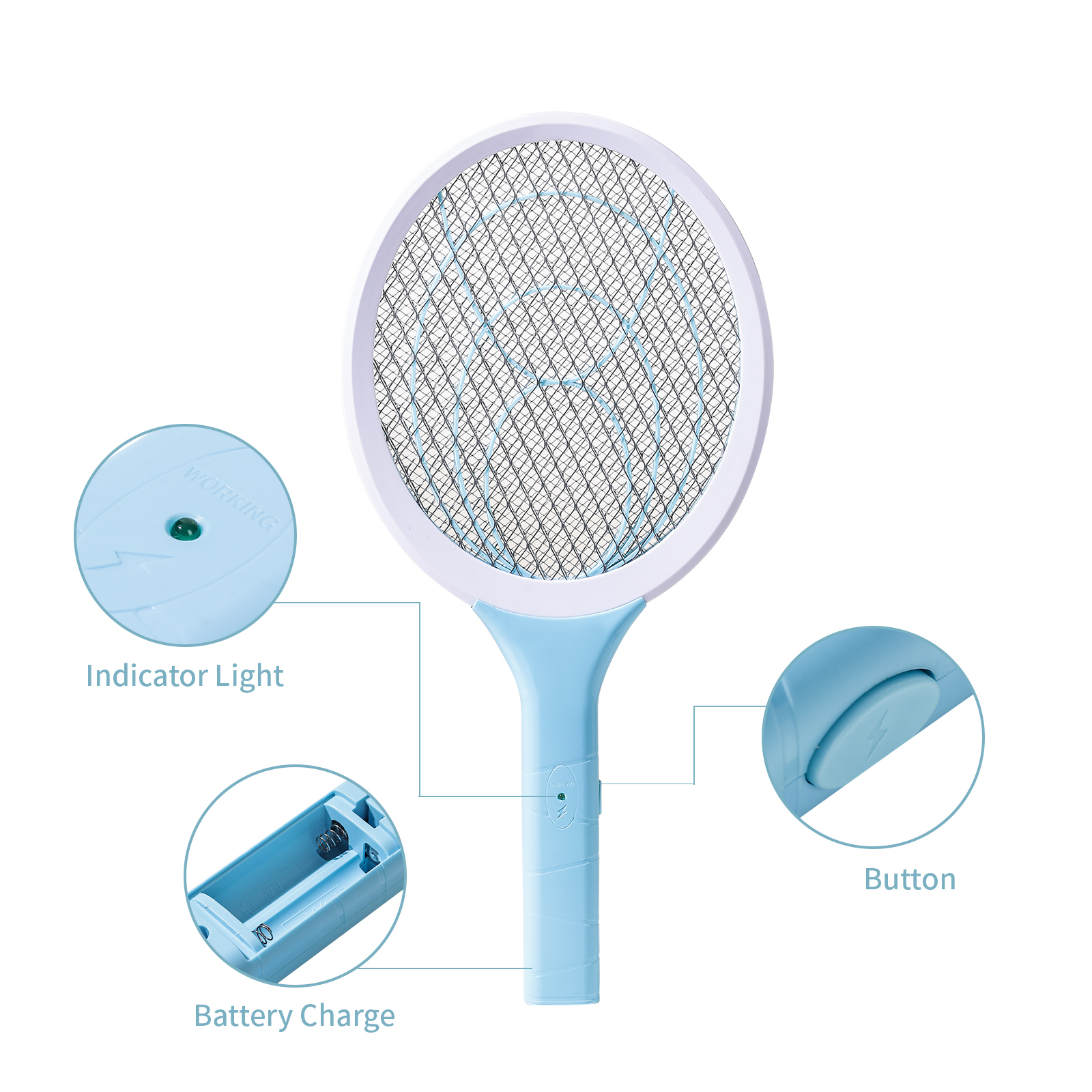
1. Eliminate Breeding Sources: Remove Standing Water
Here is a key fact: mosquito larvae can only survive in standing water. In hot weather, a pool of still water can hatch swarms of adult mosquitoes in just seven days. Persistent mosquito infestations in homes are almost always caused by overlooked standing water.
You can drastically reduce local mosquito populations by cleaning up these common water accumulation spots:
Small household items: Empty stagnant water from flower pot trays, basins, buckets, plastic bottles, and foam boxes daily. Place small pebbles under plant trays to prevent water buildup. Regularly wipe and drain the water pan of air conditioners to eliminate potential breeding grounds.
Balcony and corridor dead corners: Floor drains and sewers are high-risk areas for mosquito breeding. Flush them with clean water every week and install anti-mosquito cores if possible. Dispose of empty courier boxes and garbage timely. Store idle outdoor tires and storage boxes upside down to avoid water retention after rain or high-temperature evaporation.
Landscaping water features: Change water in fish tanks regularly to prevent turbid water from breeding mosquitoes. Add mosquito larvicide particles to courtyard rock ponds and landscape pools. Keep open water reservoirs fully covered and sealed.
2. Physical Barriers: Keep Mosquitoes Out of Your Home
After eliminating breeding sources, physical isolation is the next critical step. It is a zero-chemical, ultra-safe mosquito prevention method, perfect for families with the elderly, children, pregnant women, and pets.
Door and window protection: Inspect all window and door screens, and repair any damages or holes immediately. Close doors and windows promptly when entering or exiting. You can also install silent anti-mosquito door curtains to balance ventilation and mosquito prevention.
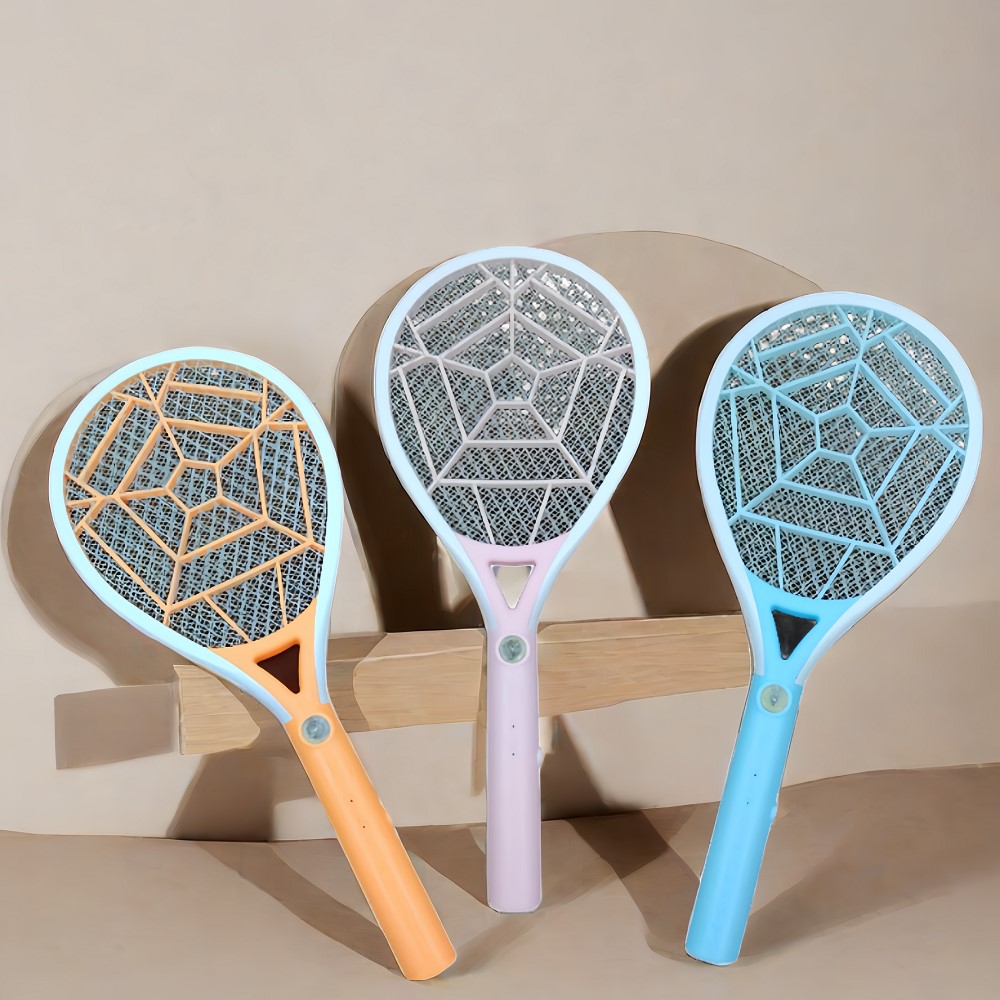
Night physical mosquito elimination: The period before bedtime is the best time to kill mosquitoes. Use a flashlight to check hidden spots such as wall corners, behind curtains, wardrobe gaps, and under bed heads, then sweep the whole room with an electric swatter. Place electric or sticky mosquito traps in bedrooms and living rooms, about 1.5 meters away from human bodies. Turn off room lights when using the traps for optimal results.
Must-have anti-mosquito tool: Install encrypted mosquito nets in rooms for infants and pregnant women. Completely isolating mosquitoes with no chemical residues, it is the safest solution for sleeping. In addition, clean curtains, bed sheets, and clothes regularly to reduce dark, cluttered hiding spots for indoor mosquitoes.
3. Scientific Mosquito Repellent: Safe & Effective Bite Prevention
Cooperate physical protection with formal mosquito repellent products for all-round bite prevention. We divide the usage into indoor long-term repellent and outdoor protection for safer and more efficient results.
Indoor mild mosquito repellent
Odorless electric mosquito liquid or tablets are the top choices for home use. Do not leave them running all night in fully closed hot rooms. Turn them on one hour before bedtime and leave a window slightly open for ventilation while sleeping. People with respiratory sensitivity and infants should avoid prolonged use in enclosed spaces. Popular plants like citronella, mint, and wormwood only provide extremely weak auxiliary repellent effects and cannot serve as mainstream mosquito control methods.
Outdoor mosquito repellent: Choose valid ingredients wisely
Exposed skin is vulnerable to bites during summer walks, commutes, and camping. Choose repellents with officially approved safe ingredients: 10%-30% DEET for long outdoor activities; Picaridin and ethyl butylacetylaminopropionate (IR3535) are mild and suitable for children and sensitive skin; natural lemon eucalyptus oil is ideal for young babies.
Apply evenly on exposed skin, avoiding eyes, mouth, and broken skin. Reapply every 2 to 3 hours in hot and sweaty conditions to maintain long-lasting protection.
4. Comprehensive Indoor Disinsection: Eradicate Hidden Mosquitoes
Simple repellents are not enough for severe indoor mosquito infestations. Regular comprehensive disinsection is necessary. Mosquitoes are most active at dusk. Spray household sanitary insecticides on wall corners, the back of green plants, balcony dead ends, and corridor gaps at sunset. Keep the room closed for half an hour after spraying, then ventilate thoroughly before re-entry to eliminate residual adult mosquitoes efficiently.
Place mosquito traps near doors and balconies to intercept outdoor mosquitoes, reduce indoor mosquito populations, and maintain a long-term mosquito-free indoor environment.
5. Mosquito Prevention Precautions for Special Groups
Different groups require targeted mosquito prevention methods to avoid discomfort. Key reminders are as follows:
Infants: Prioritize physical prevention tools including mosquito nets and sticky mosquito traps. Minimize the use of chemical mosquito coils and liquids. Choose mild natural repellents and apply them on clothes first to reduce direct skin contact.
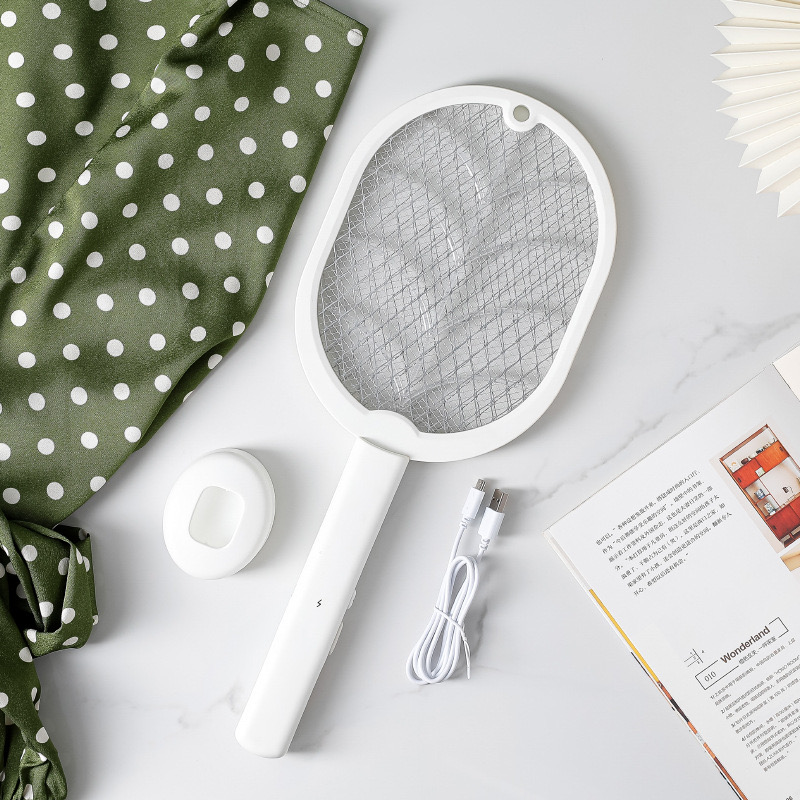
Pregnant women & people with respiratory allergies: Avoid mosquito coils and insecticide sprays entirely. Rely solely on physical methods such as screens, mosquito nets, and electric swatters to prevent chemical-induced dizziness and coughing.
Pet-raising families: Isolate pets when using insect sprays or mosquito coils. Let the room ventilate fully until no odor remains before allowing pets back in.
6. Quick Relief Methods for Mosquito Bites
Avoid scratching mosquito bites vigorously, as this may cause skin inflammation and permanent dark marks. For mild itching, apply cold compresses or soapy water to neutralize the acidic mosquito venom and relieve discomfort quickly. For swollen bumps, apply a thin layer of calamine lotion or antipruritic cream. Seek medical attention promptly if you experience widespread rashes, persistent swelling, or allergic reactions.
Conclusion
Summer mosquito control is never a single repellent action, but a complete set of management procedures. Stick to removing standing water, building physical barriers, applying scientific repellents, and conducting regular disinsection to stay away from mosquito troubles and enjoy a comfortable, mosquito-free summer.
A Complete Guide to Electric Swatter Manufacturing Lead Time
Why Do People Prefer White Mosquito Killers
Related Article

If you’re struggling with annoying mosquitoes, flies, and other flying pests indoors and outdoors, upgrading from traditional manual tools to anElectric Mosquito Swatter is the most efficient solution. Many homeowners and renters search where to buy fly swatter online to find durable, safe, and high-performance electric models that deliver instant pest control.
Where to Buy Fly Swatter

Most importers of electric mosquito swatters obsess over the first order: samples requested, factories vetted, a pre-shipment inspection booked. Then the reorder arrives eight months later and something is off. The grid feels softer. The charge port is a slightly different shade of black. The carton thickness dropped from 350 gsm to 300 gsm. Nothing is catastrophic — but the product no longer matches what your retail customers approved, and quietly, your return rate starts climbing.
How to Keep Mosquito Swatter Quality Consistent Across Repeat Orders

Warranty returns are the silent margin killer in the mosquito control category. A distributor who buys a swatter at $1.80 FOB and retails it at $9.90 can absorb a 1% return rate without noticing — but at 5%, the combined cost of replacement units, reverse logistics, and refund processing erases most of the line's profit.
Common mosquito swatter killer lamp failure modes wholesale spec guide

Digital bathroom scales rank as the second-highest-volume consumer weighing product category, only behind kitchen scales, with distinct market and product characteristics that set them apart from other scale types in importers’ product portfolios.
Digital bathroom body fat-bia-scale wholesale buyers guide