
How to Get Rid of Carpet Beetles in Your Home
2025-07-29
How to Get Rid of Carpet Beetles in Your Home?
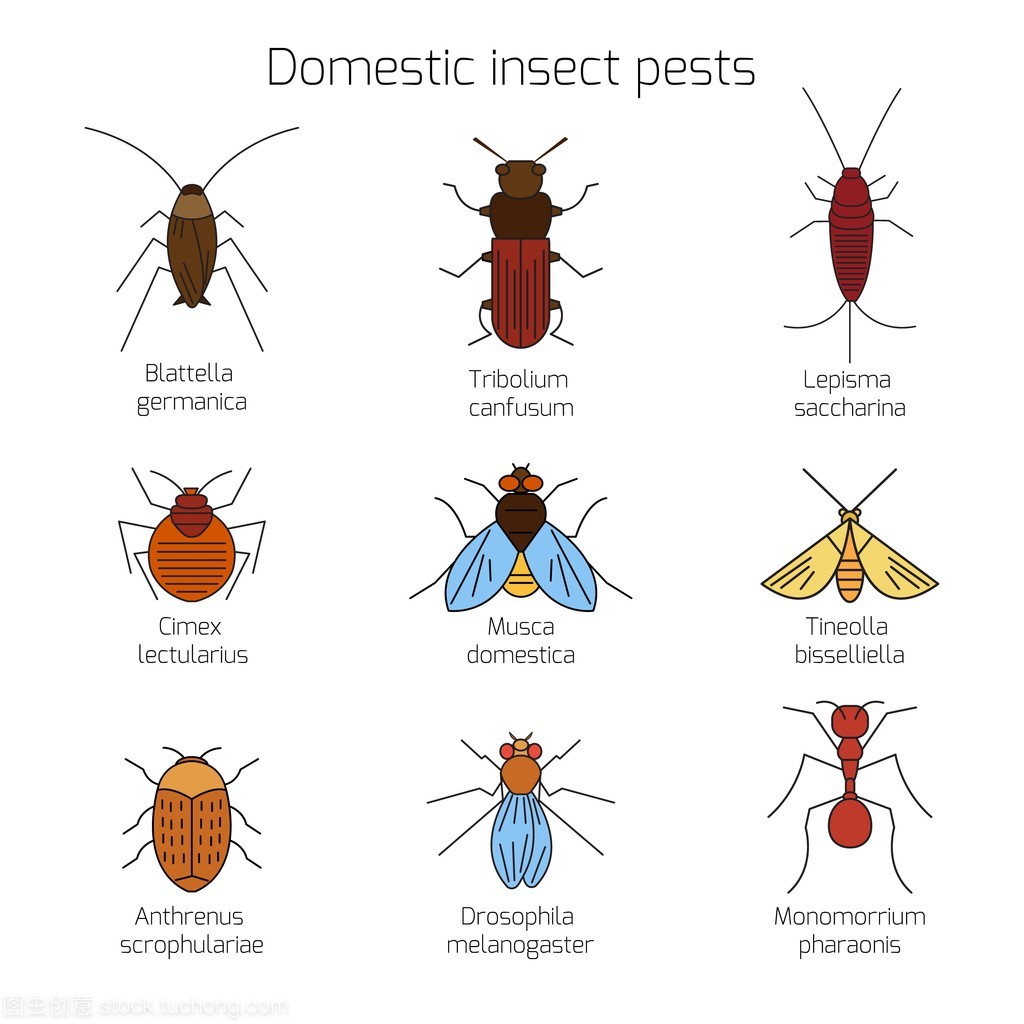
As their name suggests, carpet beetles are pests that love to inhabit carpets. These tiny pests feed on natural fibers such as wool, silk, fur, and even feathers. In addition to carpets in the home, clothing and upholstered furniture are also their main targets.
What Do Carpet Beetles Look Like?
Adult carpet beetles are usually 1/8 to 3/16 inches long and have a rounded shape. Their bodies have patterns of black, white, and sometimes yellow or orange scales. However, their larvae are more destructive: they are small, hairy, and worm-like, often mistaken for caterpillars. These larvae feed on natural fibers to grow and are the main culprits behind fabric damage.
- Small, ragged holes in wool carpets, sweaters, or upholstered furniture
- Larval exuviae (tiny, translucent, and tube-shaped) found in dark corners or under furniture
- Adult beetles seen near windows
- Larvae crawling in storage areas, such as closets or drawers where natural fiber items are stored
- Thorough vacuuming: Use a vacuum cleaner to perform a comprehensive and in-depth cleaning of the carpet, paying special attention to the edges, corners of the carpet, and the areas under furniture that come into contact with the carpet. Make sure to suck up all the dust, hair, dander, and other debris in the carpet, as these may be food sources for carpet beetles or their hiding places. For furniture crevices, you can use a crevice nozzle for cleaning to remove as much debris as possible.
- Washing infested items: Launder clothing, linens, or other washable fabrics in hot water (at least 120°F/49°C) to kill larvae and eggs. For items that can be washed, you can choose to add an appropriate amount of insecticidal detergent, but pay attention to the detergent's instructions to avoid damaging the fabric. For fabrics that cannot be washed, consider professional dry cleaning.
Freezing for Delicate Items
For items that cannot withstand high temperatures — such as antique wool blankets or fur accessories — place them in a sealed plastic bag and freeze them for at least 48 hours. The low temperature can kill larvae and eggs without damaging the fabric.
Insecticides (For Severe Cases)
If the infestation is widespread, use insecticides labeled for carpet beetles. Spray them on carpets, furniture crevices, and other areas where carpet beetles may be present. However, chemical insecticides may pose certain risks to humans and pets, so be extra careful when using them.
Long-Term Prevention: Preventing the Return of Carpet Beetles
Proper Storage of Natural Fiber Items
When not in use, store wool, silk, or fur products in airtight containers or vacuum-sealed bags.
Place cedar chips or lavender sachets in storage areas — carpet beetles dislike these scents.
Avoid storing natural fiber items in damp basements or attics, as moisture attracts pests.
Reducing Food Sources
Carpet beetles also feed on dead insects, pet hair, and even crumbs.
Clean pet beds regularly and brush your pets to remove loose hair.
Dust and vacuum frequently to remove hair, lint, and debris that larvae might feed on.
Keep pantry areas clean, as some carpet beetles may feed on grains or dried flowers.
Maintaining a Clean Home
Vacuum carpets and rugs at least once a week, especially in high-traffic areas.
Regularly wipe down bookshelves, baseboards, and under furniture to remove larvae and eggs.
Inspect second-hand furniture, clothing, or rugs before bringing them into your home — they may carry carpet beetles.
When to Seek Professional Help
If you have tried these methods but the infestation persists, or if the damage is severe, you may need to hire professional pest control personnel. They can find hard-to-detect infestation sites and use more effective treatments to eliminate the problem at its source.
Conclusion
Although carpet beetles are small, their ability to damage valuable fabrics should not be underestimated. Regular cleaning and inspection go a long way in preventing the return of carpet beetles.
How to Safely Use Mosquito Control Devices
Is Killing Insects a Sin
Related Article

If you’re struggling with annoying mosquitoes, flies, and other flying pests indoors and outdoors, upgrading from traditional manual tools to anElectric Mosquito Swatter is the most efficient solution. Many homeowners and renters search where to buy fly swatter online to find durable, safe, and high-performance electric models that deliver instant pest control.
Where to Buy Fly Swatter

Most importers of electric mosquito swatters obsess over the first order: samples requested, factories vetted, a pre-shipment inspection booked. Then the reorder arrives eight months later and something is off. The grid feels softer. The charge port is a slightly different shade of black. The carton thickness dropped from 350 gsm to 300 gsm. Nothing is catastrophic — but the product no longer matches what your retail customers approved, and quietly, your return rate starts climbing.
How to Keep Mosquito Swatter Quality Consistent Across Repeat Orders

Warranty returns are the silent margin killer in the mosquito control category. A distributor who buys a swatter at $1.80 FOB and retails it at $9.90 can absorb a 1% return rate without noticing — but at 5%, the combined cost of replacement units, reverse logistics, and refund processing erases most of the line's profit.
Common mosquito swatter killer lamp failure modes wholesale spec guide

Digital bathroom scales rank as the second-highest-volume consumer weighing product category, only behind kitchen scales, with distinct market and product characteristics that set them apart from other scale types in importers’ product portfolios.
Digital bathroom body fat-bia-scale wholesale buyers guide