
How to Get Rid of Mosquitoes Inside the House
2026-04-23
How to Get Rid of Mosquitoes Inside the House: Effective & Easy Methods
There’s nothing more frustrating than settling down for a quiet evening at home, only to be pestered by the high-pitched buzz of mosquitoes and waking up with itchy, red bites the next morning. Not only are these tiny pests annoying, but they can also carry harmful diseases like dengue, Zika, and West Nile virus. The good news is, you don’t have to live with them—with the right strategies, you can eliminate mosquitoes inside your house and keep them from coming back. Below, we’ll break down practical, science-backed methods to reclaim your home from these unwanted guests.
1. Identify and Eliminate Mosquito Breeding Sites (The Root Cause)
Mosquitoes don’t just appear out of nowhere—they need standing water to lay their eggs, and even a small amount (as little as a tablespoon) can hatch hundreds of larvae. The first step to getting rid of indoor mosquitoes is to find and remove these breeding spots. This is the most effective long-term solution, as it stops new mosquitoes from growing into adults.
Common Indoor Breeding Spots to Check
-
Houseplants: Overwatering plants creates stagnant water in saucers. Empty saucers regularly, or add gravel to the bottom to keep the soil from sitting in water. Avoid letting water accumulate in the plant’s pot itself.
-
Pet Water Bowls: Change your pet’s water daily. Stagnant water in bowls is a prime breeding ground, especially in warm, humid rooms.
-
Clogged Drains: Drains in sinks, bathtubs, and showers can trap water if they’re clogged with hair or debris. Use a drain cleaner or plunger to clear clogs, and run hot water regularly to flush out any standing water.
-
Hidden Containers: Check for forgotten containers that hold water, such as empty bottles, vases, flower pots, or even the bottom of trash cans. Empty and dry these containers thoroughly—mosquitoes can breed in even the smallest crevices with moisture.
-
Air Conditioners & Dehumidifiers: These appliances collect condensation in drip pans. Clean and empty the pans weekly to prevent stagnant water buildup.
2. Immediate Ways to Kill Existing Mosquitoes
Once you’ve eliminated breeding sites, you’ll need to get rid of the mosquitoes that are already flying around your house. These methods work quickly to reduce their numbers and give you immediate relief.
Safe, Non-Toxic Options
If you have kids, pets, or sensitive skin, opt for these gentle yet effective methods:
-
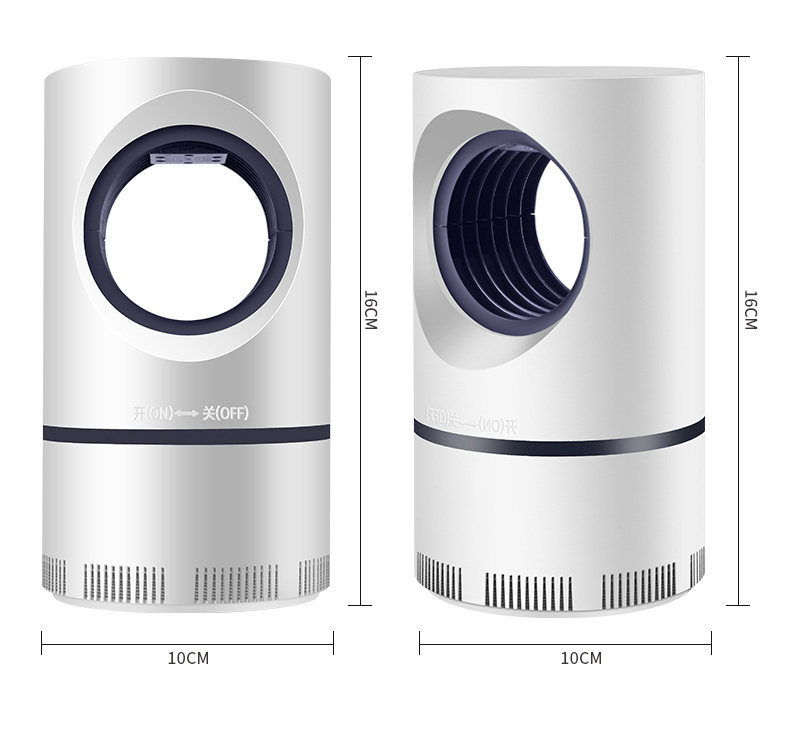
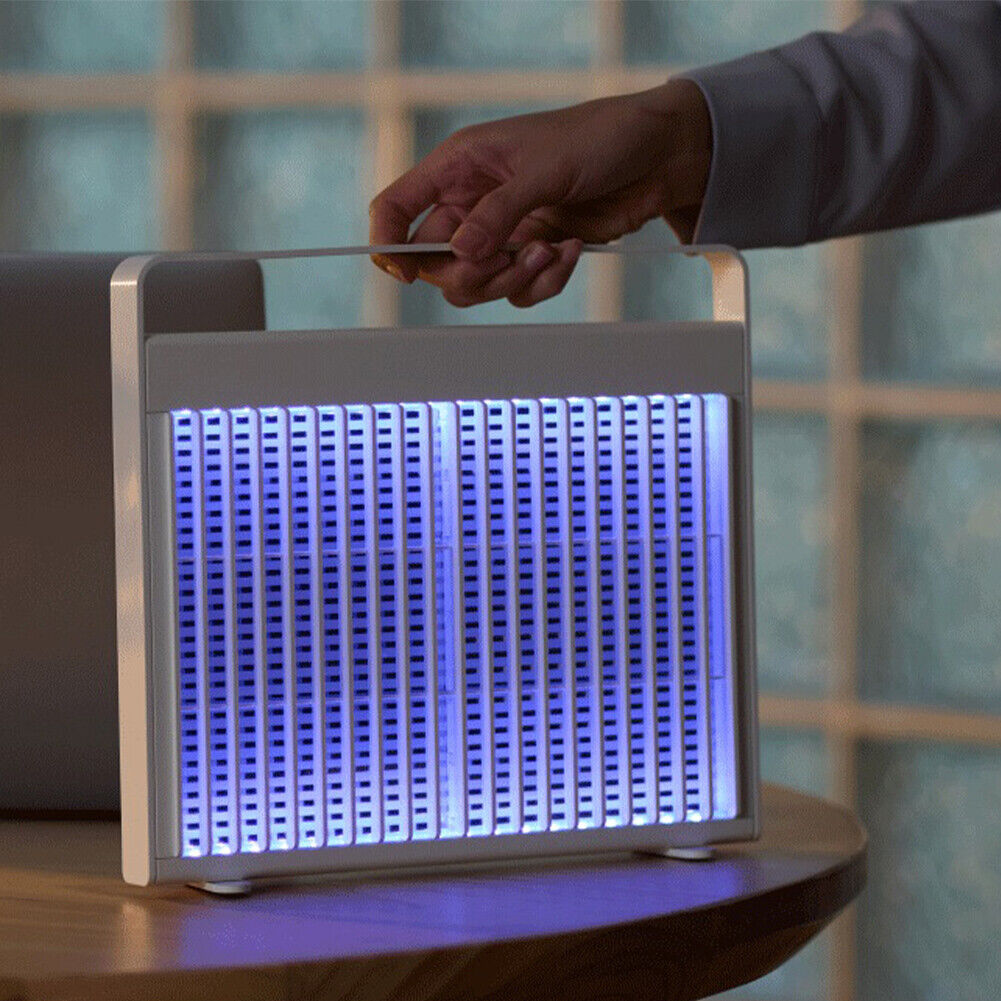
Mosquito Traps: Electric or USB-powered traps use UV light to attract mosquitoes, then suck them into a container where they die. Place these traps in dark corners, near windows, or in areas where you notice the most mosquito activity (like bedrooms or living rooms). Look for traps that are quiet and easy to clean.
-
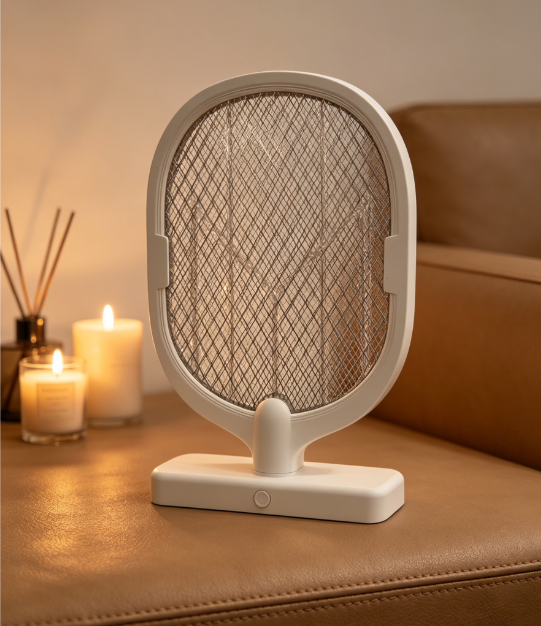
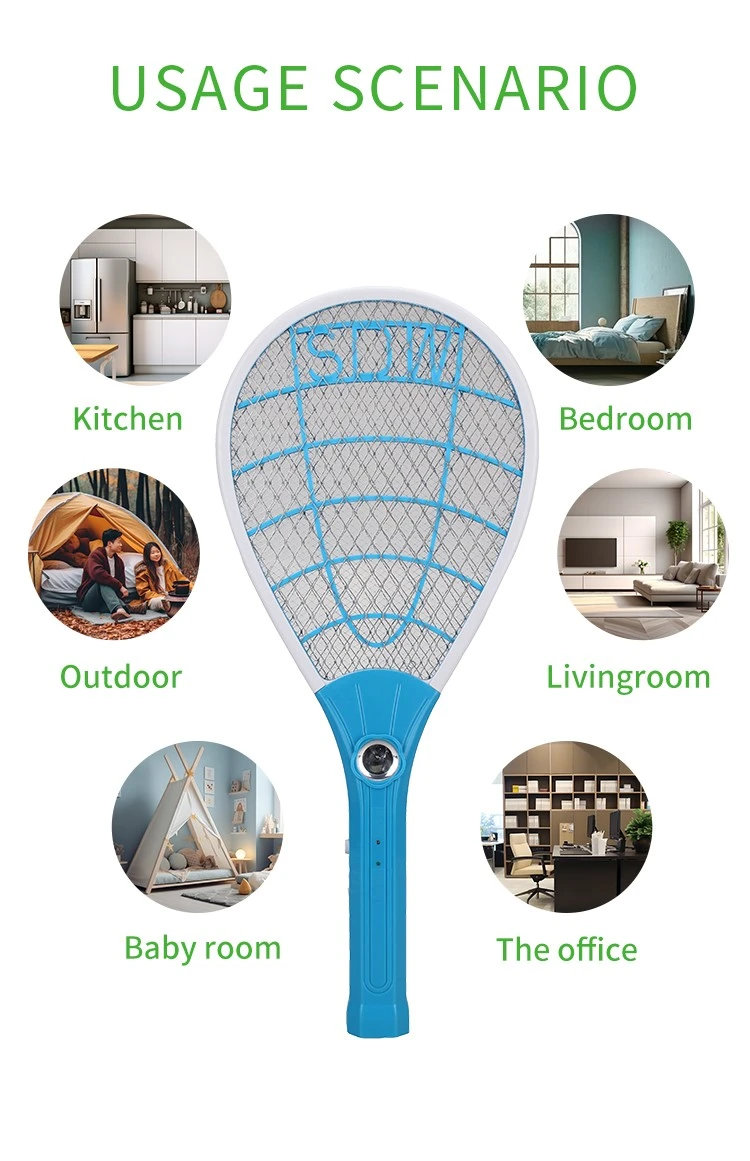
Fly Swatters (or Electric Swatters): Old-fashioned fly swatters work well for targeting individual mosquitoes. For a quicker option, electric swatters deliver a small shock to kill mosquitoes on contact—just be careful to keep them away from water and children.
-
Essential Oils: Certain essential oils repel and kill mosquitoes. Mix 10-15 drops of lavender, peppermint, eucalyptus, or tea tree oil with a cup of water in a spray bottle. Spray this mixture around windows, doorways, and areas where mosquitoes gather. You can also add a few drops to a diffuser to keep the air fresh and repel pests.
Stronger Solutions (For Severe Infestations)
If you’re dealing with a lot of mosquitoes, these methods can help eliminate them faster. Use them with caution, especially in homes with kids or pets:
-
Mosquito Foggers or Sprays: Indoor foggers (also called bug bombs) release a fine mist that kills mosquitoes on contact. Follow the instructions carefully—you’ll need to leave the house for a few hours while the fogger works, then ventilate thoroughly before returning. For targeted areas, use an indoor mosquito spray (look for ingredients like pyrethrin, which is safe for indoor use when used as directed).
-
Mosquito Coils: Burnable coils release smoke that repels and kills mosquitoes. Place them in well-ventilated areas (never in closed rooms) and keep them away from curtains, furniture, or other flammable items. Avoid using them around people with respiratory issues.
3. Prevent Mosquitoes from Entering Your House
The best way to deal with indoor mosquitoes is to stop them from getting in in the first place. These simple steps will create a barrier between your home and outdoor mosquitoes.
Seal Entry Points
-
Screen Doors & Windows: Check all window and door screens for holes or tears. Repair any damage with screen patch kits, or replace the entire screen if it’s too worn. Make sure screens fit tightly in their frames—even small gaps can let mosquitoes in.
-
Doors & Windows: Keep doors and windows closed during dawn and dusk, when mosquitoes are most active. If you want to let in fresh air, use a screen door or window fan to create a breeze (mosquitoes are weak fliers and can’t handle strong winds).
-
Seal Cracks & Gaps: Mosquitoes can squeeze through tiny cracks around windows, doors, walls, and pipes. Use caulk or weatherstripping to seal these gaps, especially in older homes.
Use Repellents to Deter Mosquitoes
Even with sealed entry points, a few mosquitoes might still slip in. Using repellents can keep them from biting you and encourage them to leave your home:
-
Indoor Repellent Plugs: Plug-in repellents release a small amount of insecticide into the air, repelling mosquitoes for up to 30 days. They’re safe for use in bedrooms, living rooms, and other enclosed spaces.
-
Body Repellents: If you’re spending time in areas with mosquitoes (like a home office or bedroom), apply a safe body repellent. Look for products with DEET (10-30% concentration), picaridin, or IR3535—these are proven to repel mosquitoes for hours.
4. Bonus Tips for Long-Term Mosquito Control
To keep your home mosquito-free all year round, combine the methods above with these extra tips:
-
Keep Your Home Clean: Mosquitoes are attracted to dirt, food crumbs, and moisture. Vacuum regularly, wipe down counters, and take out the trash daily to eliminate potential attractants.
-
Control Humidity: Mosquitoes thrive in humid environments. Use a dehumidifier to keep indoor humidity levels below 60%—this not only deters mosquitoes but also prevents mold growth.
-
Trim Outdoor Vegetation: While this targets outdoor mosquitoes, it can help reduce indoor infestations. Mosquitoes rest in tall grass, bushes, and trees near your home—trimming these back keeps them away from your doors and windows.
By following these steps, you can eliminate existing mosquitoes, stop new ones from breeding, and prevent them from entering your home. Remember, consistency is key—even small, daily efforts (like emptying pet water bowls or checking screens) can make a big difference. Say goodbye to itchy bites and annoying buzzes, and enjoy a mosquito-free home!
Why Do Mosquito Lamps All Use Blue-Violet Light
Rechargeable or Disposable Battery Mosquito Swatter
Related Article

If you’re struggling with annoying mosquitoes, flies, and other flying pests indoors and outdoors, upgrading from traditional manual tools to anElectric Mosquito Swatter is the most efficient solution. Many homeowners and renters search where to buy fly swatter online to find durable, safe, and high-performance electric models that deliver instant pest control.
Where to Buy Fly Swatter
Most importers of electric mosquito swatters obsess over the first order: samples requested, factories vetted, a pre-shipment inspection booked. Then the reorder arrives eight months later and something is off. The grid feels softer. The charge port is a slightly different shade of black. The carton thickness dropped from 350 gsm to 300 gsm. Nothing is catastrophic — but the product no longer matches what your retail customers approved, and quietly, your return rate starts climbing.
How to Keep Mosquito Swatter Quality Consistent Across Repeat Orders
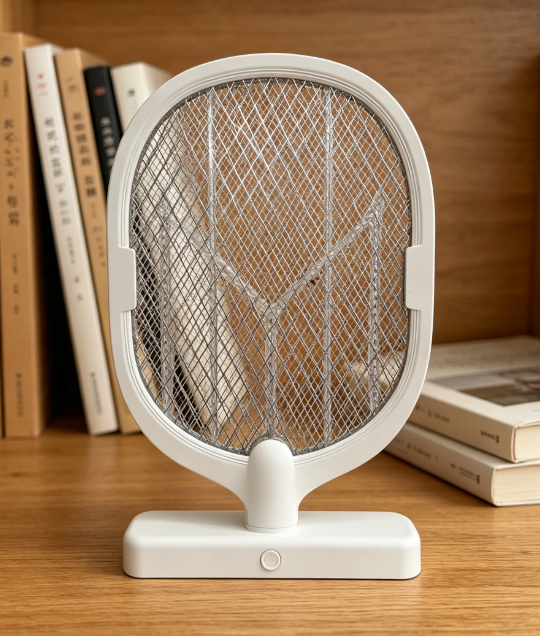
Warranty returns are the silent margin killer in the mosquito control category. A distributor who buys a swatter at $1.80 FOB and retails it at $9.90 can absorb a 1% return rate without noticing — but at 5%, the combined cost of replacement units, reverse logistics, and refund processing erases most of the line's profit.
Common mosquito swatter killer lamp failure modes wholesale spec guide

Digital bathroom scales rank as the second-highest-volume consumer weighing product category, only behind kitchen scales, with distinct market and product characteristics that set them apart from other scale types in importers’ product portfolios.
Digital bathroom body fat-bia-scale wholesale buyers guide