
How to Hang a Bug Zapper
2025-05-16
How to Hang a Bug Zapper: A Step-by-Step Guide
A bug zapper is a great solution for keeping pesky insects at bay, but it's crucial to hang it properly to ensure its effectiveness and safety. This guide will walk you through the process of hanging a bug zapper correctly.
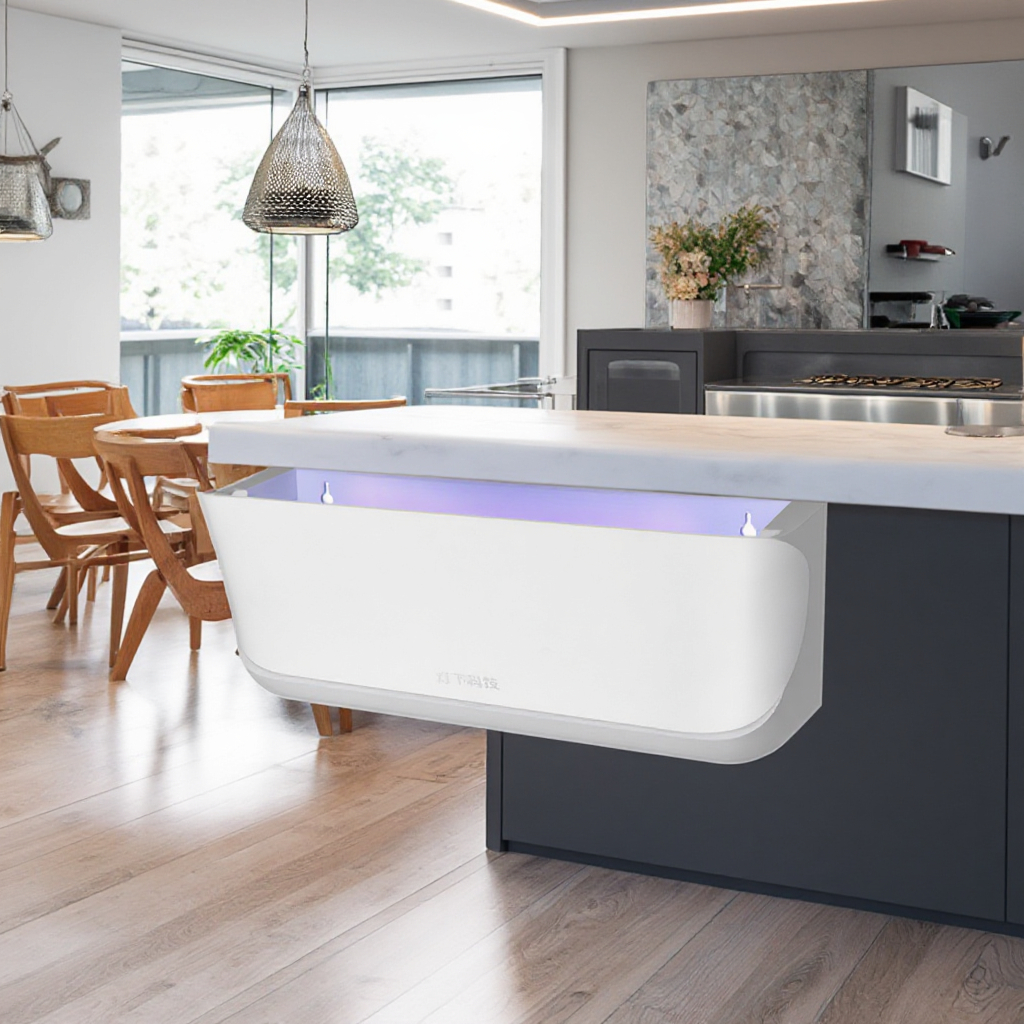
Preparation
Before you start hanging your bug zapper, gather the necessary tools and materials. You'll need a ladder (if hanging at a high place), a drill, screws, wall anchors (if the wall is not suitable for direct screwing), and a measuring tape. Also, make sure to read the instruction manual of your specific bug zapper model, as different models might have unique requirements.
Choosing the Right Location
- Height: Hang the bug zapper at a height of about 5 to 6 feet above the ground. This height is optimal as it allows the zapper to attract insects effectively without being too low to pose a safety hazard to people or pets.
- Distance from Living Areas: Place the bug zapper at least 10 to 15 feet away from areas where people gather, such as patios, decks, or outdoor dining spaces. This prevents the zapping sound and dead insects from becoming a nuisance.
- Avoid Obstructions: Ensure that the bug zapper is hung in an open area with no large obstacles like trees or bushes nearby. Obstructions can block the light and heat emitted by the zapper, reducing its effectiveness in attracting insects.
Hanging the Bug Zapper
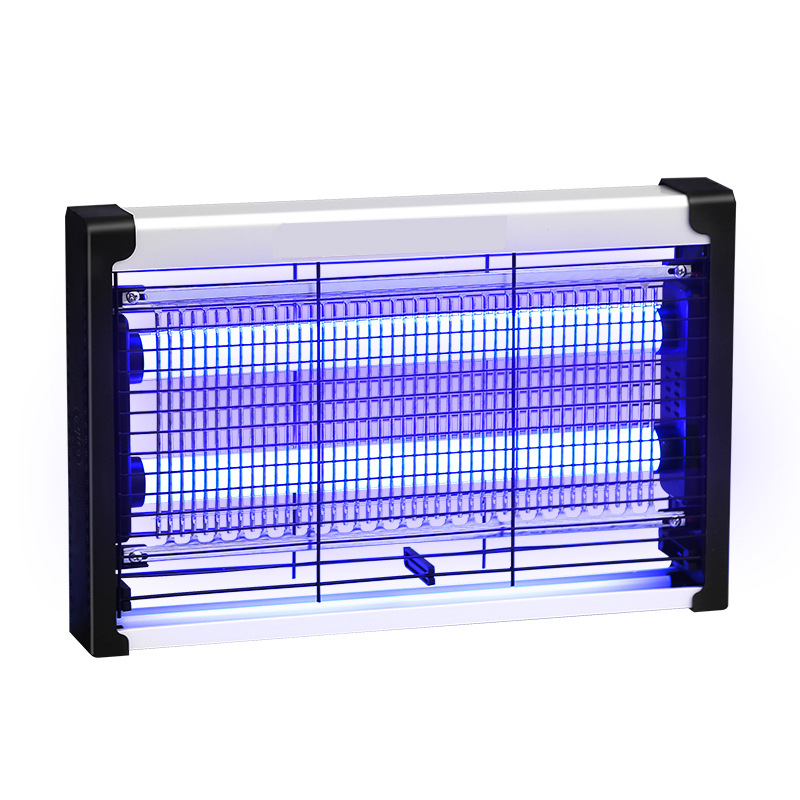
- Mark the Position: Use the measuring tape to mark the spot on the wall or ceiling where you want to hang the bug zapper. Make sure it aligns with the requirements you determined in the previous step.
- 2.Drill Holes: If you're screwing directly into the wall, use a drill to create holes at the marked positions. If the wall material is not suitable for direct screwing, insert wall anchors into the drilled holes first.
- Attach the Mounting Bracket: Align the mounting bracket of the bug zapper with the holes and secure it to the wall or ceiling using the screws. Make sure the bracket is firmly attached and level.
- Hang the Bug Zapper: Once the mounting bracket is in place, carefully hang the bug zapper on the bracket according to the manufacturer's instructions. Ensure that it is properly secured and won't fall off easily.
Safety Precautions
- Turn Off the Power: Always turn off the power supply before installing or adjusting the bug zapper to avoid the risk of electric shock.
- Regular Maintenance: Periodically clean the bug zapper to remove dead insects and debris. Unplug it from the power source before cleaning to ensure safety.
- Inspect for Damage: Regularly check the bug zapper for any signs of damage, such as frayed wires or a cracked casing. Replace or repair it immediately if any issues are found.
By following these steps and precautions, you can hang your bug zapper effectively and safely, enjoying a more insect-free environment.
Does Bleach Kill Mosquitoes
How to Kill Mosquitoes in Yard
Related Article

If you’re struggling with annoying mosquitoes, flies, and other flying pests indoors and outdoors, upgrading from traditional manual tools to anElectric Mosquito Swatter is the most efficient solution. Many homeowners and renters search where to buy fly swatter online to find durable, safe, and high-performance electric models that deliver instant pest control.
Where to Buy Fly Swatter
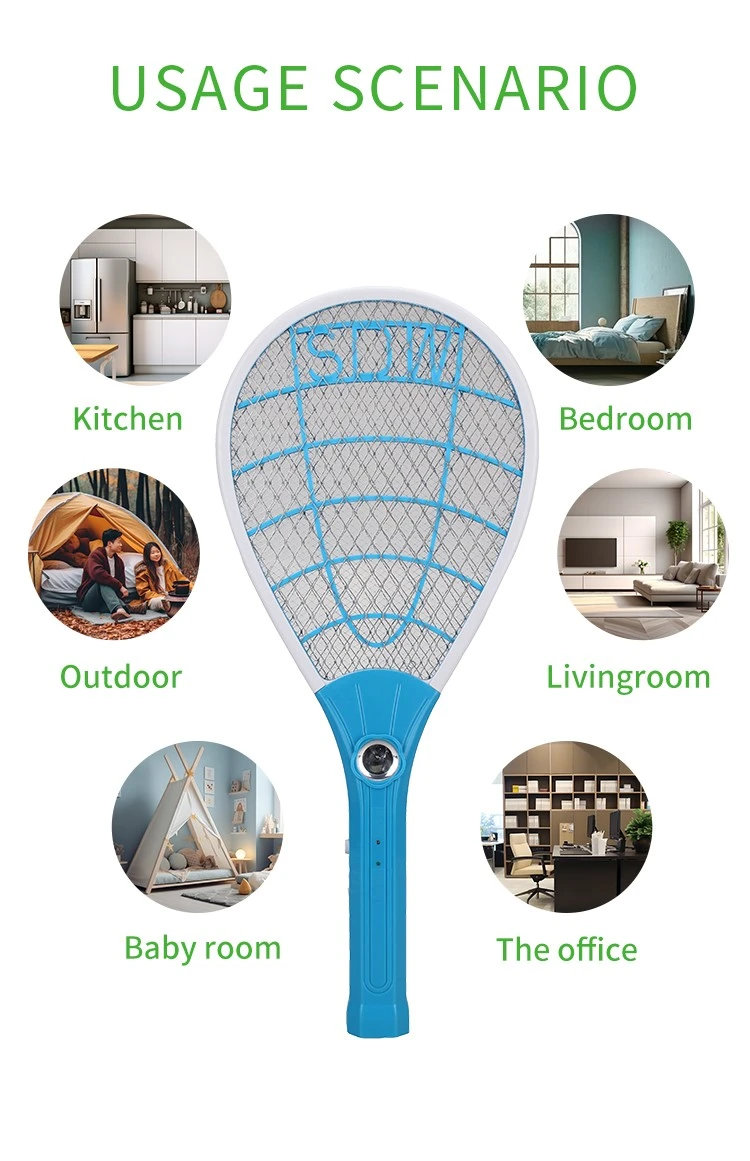
Most importers of electric mosquito swatters obsess over the first order: samples requested, factories vetted, a pre-shipment inspection booked. Then the reorder arrives eight months later and something is off. The grid feels softer. The charge port is a slightly different shade of black. The carton thickness dropped from 350 gsm to 300 gsm. Nothing is catastrophic — but the product no longer matches what your retail customers approved, and quietly, your return rate starts climbing.
How to Keep Mosquito Swatter Quality Consistent Across Repeat Orders
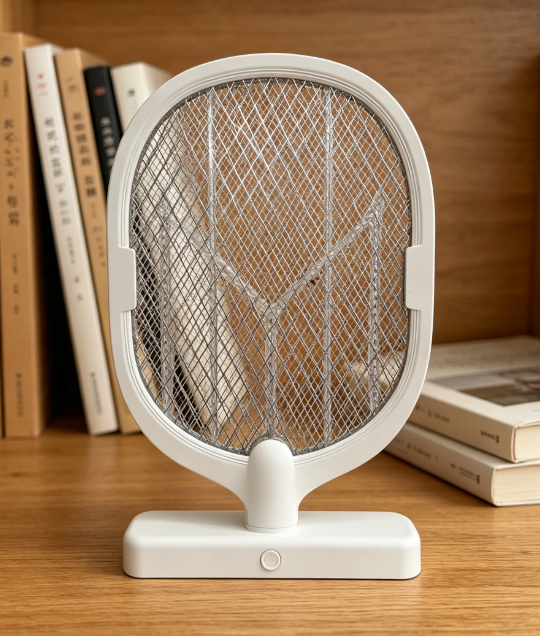
Warranty returns are the silent margin killer in the mosquito control category. A distributor who buys a swatter at $1.80 FOB and retails it at $9.90 can absorb a 1% return rate without noticing — but at 5%, the combined cost of replacement units, reverse logistics, and refund processing erases most of the line's profit.
Common mosquito swatter killer lamp failure modes wholesale spec guide

Digital bathroom scales rank as the second-highest-volume consumer weighing product category, only behind kitchen scales, with distinct market and product characteristics that set them apart from other scale types in importers’ product portfolios.
Digital bathroom body fat-bia-scale wholesale buyers guide