
How to Hang a Bug Zapper
2025-06-03
How to Hang a Bug Zapper
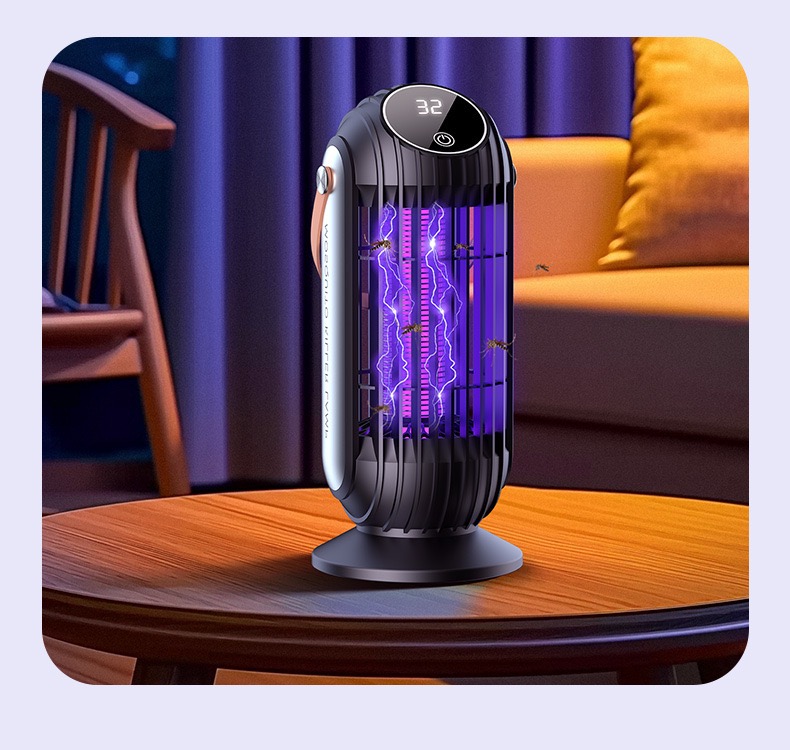
Are pesky bugs ruining your outdoor relaxation time? A bug zapper can be a great solution to keep your patio, garden, or outdoor dining area bug-free. However, to ensure it works effectively and safely, proper installation is key. This blog post will guide you through the step-by-step process of hanging a bug zapper.
Before You Start: Preparation
Gather the Necessary Tools
Before you begin the hanging process, make sure you have all the required tools at hand. You'll typically need a sturdy ladder, a drill (if you're mounting it on a wall or post), screws or hooks suitable for the surface you're attaching it to, a screwdriver, and a measuring tape.
Choose the Right Location
Selecting the optimal location is crucial. Place the bug zapper away from areas where people gather, like seating areas or food preparation zones, to avoid attracting bugs to these spots. Aim for a location at least 10-15 feet away from where you and your guests will be spending time. Additionally, hang it at a height of around 5 to 6 feet from the ground, which is an ideal height for attracting flying insects. Also, ensure that the area has access to a power source, as most bug zappers need to be plugged in.
Step-by-Step Guide to Hanging a Bug Zapper
Step 1: Determine the Mounting Surface
Whether it's a wooden post, a wall, or an outdoor ceiling beam, the mounting surface should be sturdy enough to support the weight of the bug zapper. Inspect the surface for any signs of damage or weakness before proceeding.
Step 2: Mark the Position
Use the measuring tape to mark the exact position where you want to hang the bug zapper. If you're using screws, measure and mark the locations for the screw holes. Make sure the marks are level to ensure the bug zapper hangs straight.
Step 3: Install the Hooks or Screws
If you're using hooks, simply screw them into the marked positions on the mounting surface. For screws, use a drill to create pilot holes at the marked locations and then insert the screws. Tighten them securely, but be careful not to overtighten and damage the surface.
Step 4: Hang the Bug Zapper
Once the hooks or screws are in place, carefully lift the bug zapper and hang it on the hooks or attach it to the screws. Ensure that it is securely fastened and doesn't wobble or shift.
Step 5: Connect to Power
After hanging the bug zapper, connect it to a power source. Plug it into a grounded outdoor outlet and test it to make sure it's working properly. Check that the lights are on and the zapping mechanism is functioning.
Safety Precautions and Maintenance
Safety First
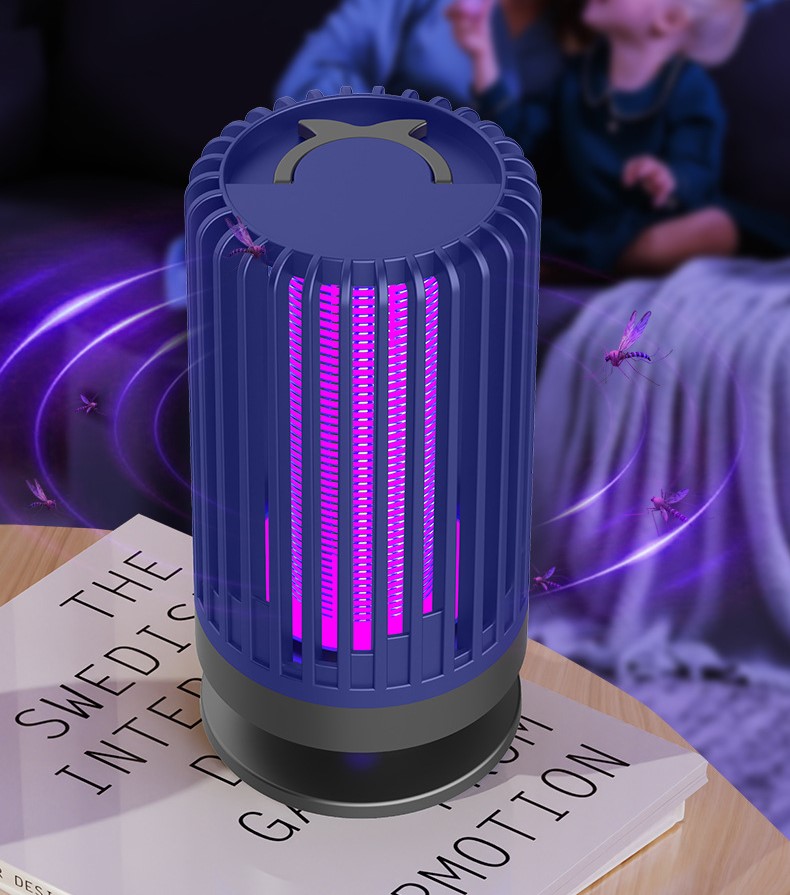
Always turn off the power before installing or making any adjustments to the bug zapper. Keep it out of reach of children and pets to prevent accidental contact. Also, avoid touching the metal grids of the bug zapper when it's powered on, as they carry a high voltage that can cause electric shock.
Maintenance
Regular maintenance will keep your bug zapper working efficiently. Periodically clean the collection tray or grid to remove dead bugs and debris. Follow the manufacturer's instructions for cleaning and maintenance to ensure the longevity of your bug zapper.
By following these steps and tips, you can successfully hang a bug zapper and enjoy a bug-free outdoor space. Remember, a properly installed and maintained bug zapper not only keeps the bugs away but also ensures the safety of you and your loved ones.
Can You Use a Bug Zapper Indoors
Does a Bug Zapper Work on Mosquitoes
Related Article

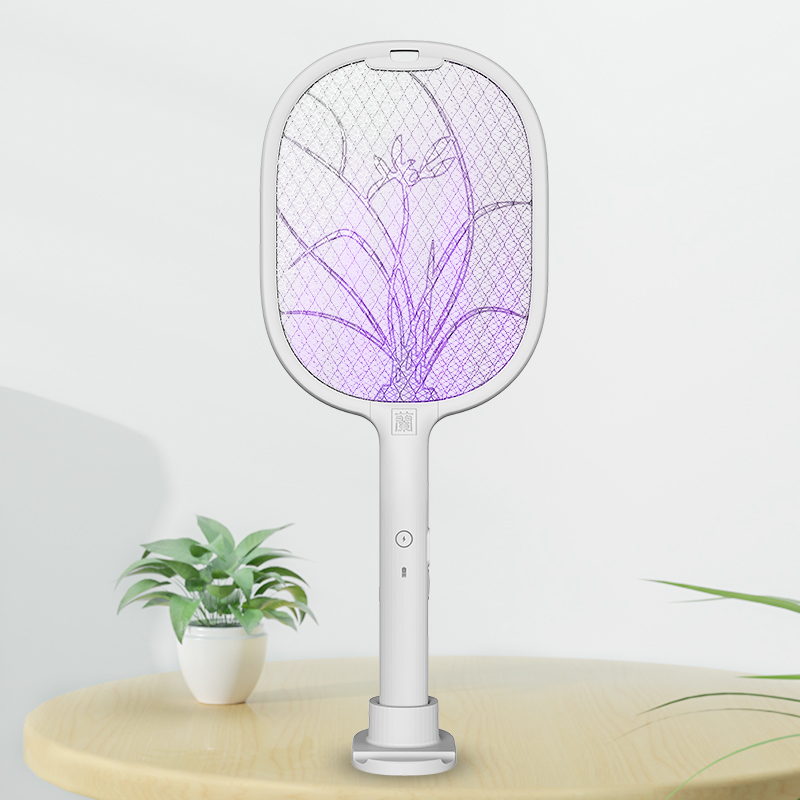
If you’re struggling with annoying mosquitoes, flies, and other flying pests indoors and outdoors, upgrading from traditional manual tools to anElectric Mosquito Swatter is the most efficient solution. Many homeowners and renters search where to buy fly swatter online to find durable, safe, and high-performance electric models that deliver instant pest control.
Where to Buy Fly Swatter
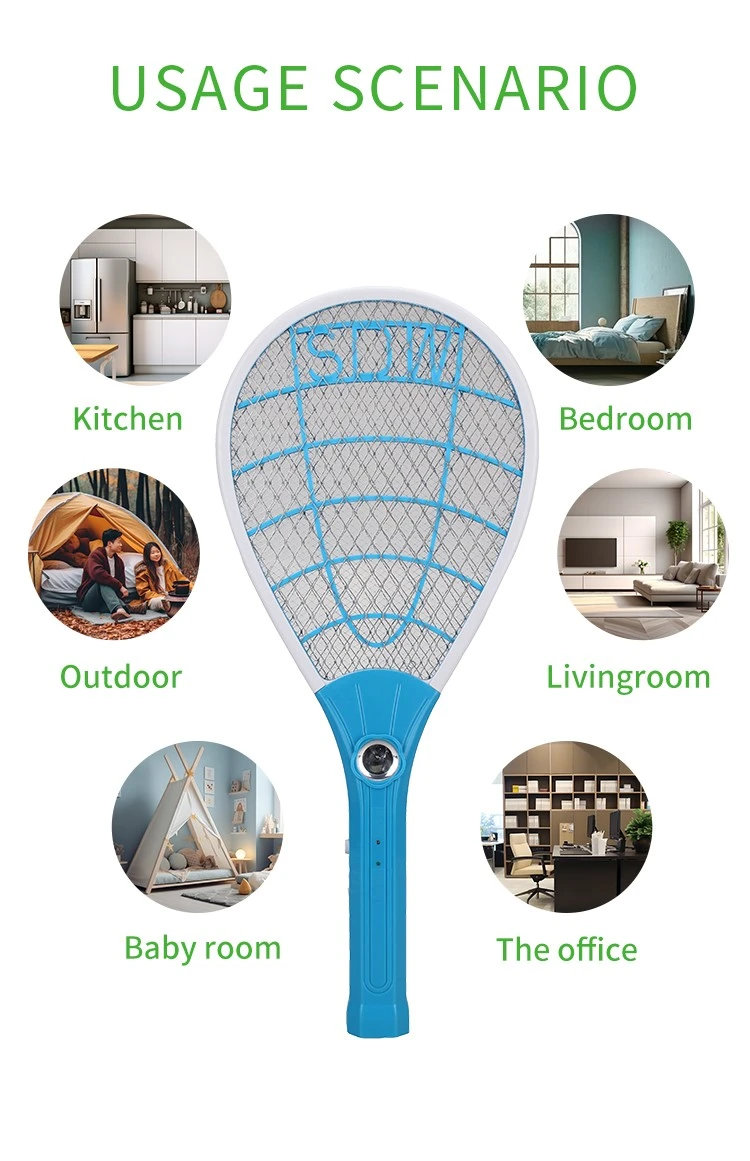
Most importers of electric mosquito swatters obsess over the first order: samples requested, factories vetted, a pre-shipment inspection booked. Then the reorder arrives eight months later and something is off. The grid feels softer. The charge port is a slightly different shade of black. The carton thickness dropped from 350 gsm to 300 gsm. Nothing is catastrophic — but the product no longer matches what your retail customers approved, and quietly, your return rate starts climbing.
How to Keep Mosquito Swatter Quality Consistent Across Repeat Orders
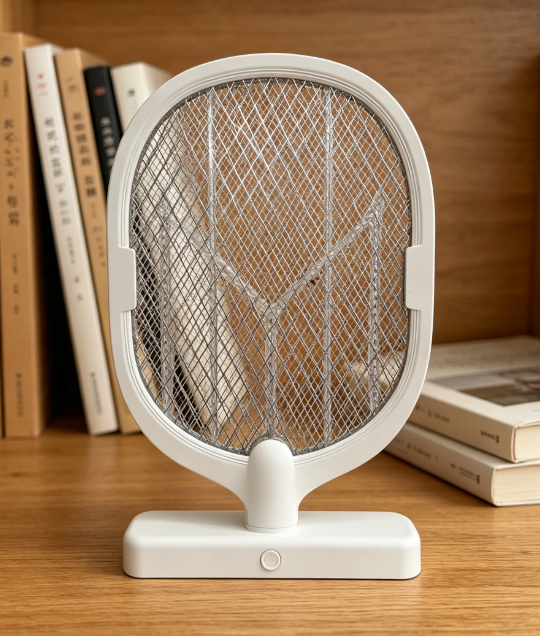
Warranty returns are the silent margin killer in the mosquito control category. A distributor who buys a swatter at $1.80 FOB and retails it at $9.90 can absorb a 1% return rate without noticing — but at 5%, the combined cost of replacement units, reverse logistics, and refund processing erases most of the line's profit.
Common mosquito swatter killer lamp failure modes wholesale spec guide

Digital bathroom scales rank as the second-highest-volume consumer weighing product category, only behind kitchen scales, with distinct market and product characteristics that set them apart from other scale types in importers’ product portfolios.
Digital bathroom body fat-bia-scale wholesale buyers guide