
How to Import Electric Mosquito Swatters from China
2026-08-06
How to Import Electric Mosquito Swatters from China: Shipping, Customs & Logistics Guide
Electric mosquito swatters and bug zappers are high-demand, cost-effective consumer electronics worldwide. China dominates the global production of these pest control devices, offering affordable pricing, mature manufacturing, and customizable designs for bulk importers. However, importing mosquito swatters from China requires clear knowledge of procurement workflows, shipping solutions, customs compliance, and China logistics rules to avoid delays, extra costs, or customs rejections. This step-by-step guide covers every critical detail for smooth shipping bug zapper shipments from China to global markets.
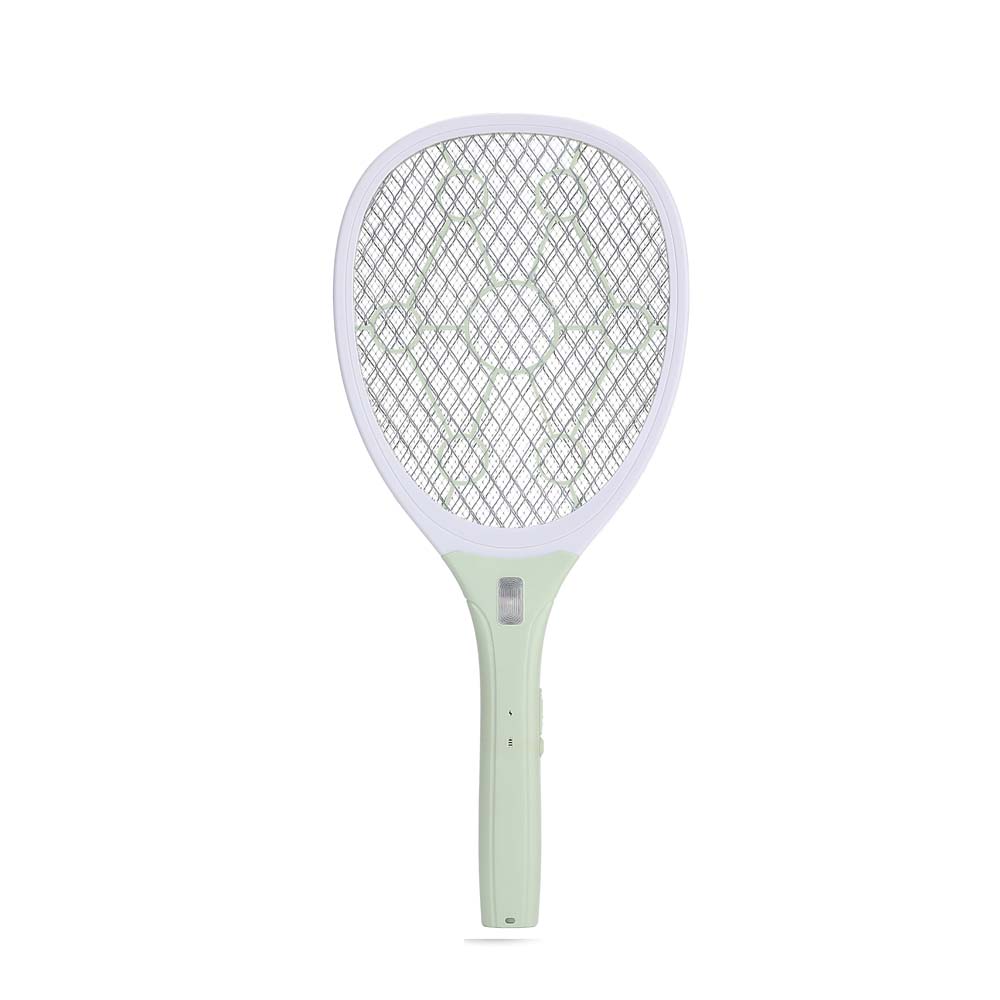
1. Step-by-Step Import Process to Import Mosquito Swatter from China
The entire workflow to import mosquito swatter from China follows a standardized, repeatable process suitable for small batch trial orders and large-scale wholesale shipments. Each stage focuses on quality control and logistics preparation to ensure seamless cross-border delivery.
1.1 Inquiry & Supplier Verification
Start by screening qualified Chinese mosquito swatter manufacturers or trading platforms like Made-in-China and Alibaba. Focus on suppliers with complete export qualifications, stable production capacity, and experience in international shipping bug zapper products. During the inquiry stage, confirm core details including product specifications (rechargeable, UV light, voltage, size), customization options (logo, packaging), MOQ (minimum order quantity), and preliminary unit prices. Verify supplier certifications such as CE, RoHS, and FCC, which are mandatory for importing electronic mosquito swatters into most European, American, and Southeast Asian markets.
1.2 Sample Testing & Quality Confirmation
Before bulk orders, request pre-production samples to test product quality, safety performance, and compliance with local market standards. Electric mosquito swatters involve high-voltage circuits, so sample testing is critical to avoid defective goods. Most Chinese suppliers provide paid or free samples with affordable express shipping. After sample approval, confirm final product parameters, packaging standards, and technical specifications to lock in order details.
1.3 Formal Order Placement & Contract Signing
Once samples are confirmed, sign a formal sales contract with the supplier. The contract must clarify order quantity, unit price, total value, production cycle, payment terms (common: 30% deposit, 70% balance before shipment), quality inspection standards, and after-sales liability. This document serves as a core legal basis for customs declaration and dispute resolution in China logistics.
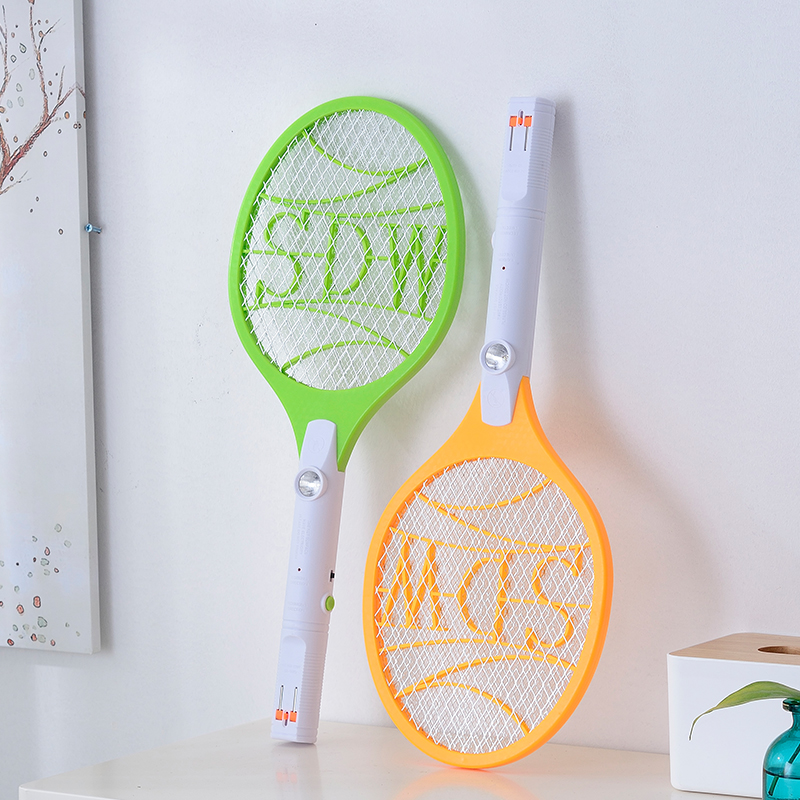
1.4 Mass Production & Pre-Shipment Inspection
Chinese manufacturers usually complete mass production of mosquito swatters within 7–15 working days based on order volume. During production, importers can arrange third-party inspections to check product consistency, safety performance, and packaging quality. After production is finished, conduct a final pre-shipment inspection to ensure no defective products, wrong specifications, or packaging errors before shipping arrangements.
1.5 Shipping Arrangement & Cargo Delivery
After inspection confirmation, the supplier or forwarder arranges shipping based on the agreed incoterms and shipping method. Complete customs declaration in China, obtain shipping documents, and track cargo transportation until the goods arrive at the destination port. Prepare all customs clearance documents in advance to ensure smooth customs processing upon arrival.
2. Incoterms Explained: FOB vs CIF vs EXW for Mosquito Swatter Shipments
Choosing the right incoterm is crucial for cost control and responsibility division when shipping bug zapper from China. The three most commonly used terms for mosquito swatter logistics are EXW, FOB, and CIF, each with distinct cost and risk allocation rules.
2.1 EXW (Ex Works)
Under EXW terms, Chinese suppliers only need to prepare finished goods at their factory or warehouse. All subsequent processes including cargo pickup, domestic trucking, China customs declaration, international shipping, insurance, and destination customs clearance are undertaken by the importer. This term offers the lowest factory price for mosquito swatters but requires importers to have professional China logistics resources. It is suitable for experienced importers with stable forwarder cooperation.
2.2 FOB (Free On Board)
FOB is the most popular term to import mosquito swatter from China. The supplier is responsible for domestic transportation to the designated Chinese port, customs declaration, and loading goods onto the vessel/aircraft. Importers take charge of international shipping fees, cargo insurance, and destination clearance. FOB balances cost and risk, allowing importers to control international shipping channels and avoid markup fees from suppliers. It is ideal for most medium and bulk orders of bug zappers.
2.3 CIF (Cost, Insurance and Freight)
Under CIF terms, the supplier covers product cost, international shipping freight, and basic cargo insurance, delivering goods to the destination port. Importers only need to handle destination customs clearance and local delivery. This term minimizes operational work for importers but leads to higher overall costs, as suppliers usually add service markups on freight and insurance. It is suitable for new importers or small-batch orders with limited logistics experience.
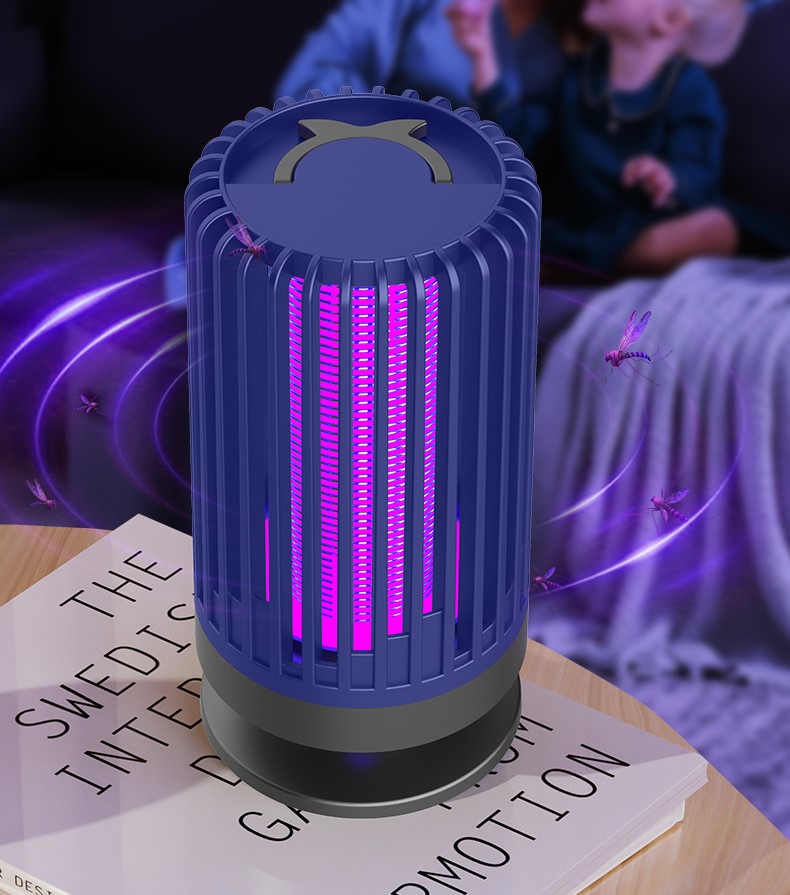
3. Shipping Methods: Sea Freight vs Air Freight — Cost and Time Comparison
China logistics for mosquito swatters mainly relies on sea freight and air freight. The choice depends on order volume, capital turnover, and delivery urgency. Below is a detailed comparison of cost, transit time, and applicable scenarios for shipping bug zapper products.
3.1 Sea Freight
Sea freight is the most cost-effective solution for bulk mosquito swatter imports. It supports FCL (Full Container Load) and LCL (Less than Container Load) shipping. LCL is suitable for orders of 3–20 cubic meters, while FCL is for large wholesale orders above 20 cubic meters. The transit time from major Chinese ports (Ningbo, Shanghai, Shenzhen) to European and American ports ranges from 20–40 days, and to Southeast Asian ports takes 5–15 days. Sea freight has the lowest unit shipping cost, making it the first choice for regular bulk importers, though it has the longest delivery cycle.
3.2 Air Freight
Air freight features fast transit speed, with 3–7 days of delivery from China to most global destinations. It is suitable for small-batch urgent orders, seasonal stock replenishment, and sample shipments. However, air freight costs are 8–15 times higher than sea freight. Additionally, electronic mosquito swatters with built-in rechargeable batteries require special air freight inspection and certification, increasing operational complexity and costs. It is not recommended for large-scale conventional imports.
3.3 Core Comparison Summary
For long-term bulk import mosquito swatter from China, sea freight LCL/FCL maximizes profit margins. For urgent seasonal demands or trial small orders, air freight ensures timely stock availability.
4. Customs Documentation Checklist for Mosquito Swatter Imports
Complete and standard documents are the premise of smooth customs clearance. Missing or incorrect documents are the main cause of clearance delays and fines when shipping bug zapper from China. Below is the mandatory document checklist:
-
Commercial Invoice: Issued by Chinese suppliers, including detailed product name, specifications, quantity, unit price, total value, trade terms, and supplier/importer information. It is the core document for tariff calculation.
-
Packing List: Records detailed packaging information, including carton quantity, gross weight, net weight, and cargo volume, consistent with actual goods and invoice data.
-
Bill of Lading (B/L): The official cargo delivery certificate issued by forwarders or shipping companies, serving as the core document for picking up goods at the destination port.
-
Certificate of Origin (COO): Proves goods are manufactured in China. It helps importers enjoy preferential tariff rates under bilateral trade agreements and avoids anti-dumping duties.
-
Product Certification Documents: CE, RoHS, FCC, or other local mandatory safety certifications for electronic mosquito swatters, required by most countries for customs inspection.
5. Tariff Codes (HS Code) for Mosquito Swatters and Bug Zappers by Country
Using the correct HS code is critical for accurate tariff calculation and customs clearance. Wrong codes will lead to tax errors, inspection delays, or even cargo detention. The standard HS codes for electric mosquito swatters and bug zappers in major importing countries are sorted below:
-
China Export HS Code: 8543709990 (rechargeable electric mosquito swatters); 8543909000 (mosquito swatter accessories)
-
USA HS Code: 85167920 (electric mosquito rackets/bug zappers)
-
UK & EU HS Code: 8543709099 (portable electric insect zappers and mosquito swatters)
-
UAE & Middle East HS Code: 85167900000
-
Australia HS Code: 854370 (electric pest control equipment)
Note: Tariff rates vary by country and trade policies. Importers should confirm the latest local tariff standards based on the corresponding HS code before ordering.
6. Common Customs Issues and How to Avoid Delays
Customs delays are common in China logistics for electronic pest control products. Summarized below are frequent problems and targeted solutions to ensure smooth shipping bug zapper shipments:
6.1 Incorrect HS Code Declaration
Many importers mistakenly declare mosquito swatters as daily plastic products, leading to tax mismatches and customs inspections. Solution: Adopt the country-specific HS codes listed above and verify with local customs in advance to ensure consistent declaration information.
6.2 Incomplete Safety Certifications
Electric mosquito swatters are electronic products with high-voltage components. European and American customs will detain goods without valid CE, RoHS, or FCC certifications. Solution: Cooperate with certified Chinese suppliers and complete certification filing before shipment.
6.3 Inconsistent Document Data
Mismatched product quantity, weight, or value among invoices, packing lists, and B/Ls will trigger customs audits. Solution: Recheck all document data one by one before customs declaration to ensure full consistency.
6.4 Battery Shipment Non-Compliance
Rechargeable mosquito swatters contain lithium batteries, which have strict air and sea shipping safety standards. Non-compliant packaging or declarations will cause shipment detention. Solution: Follow international battery shipping rules and ask suppliers to provide battery safety certificates.
7. Packaging Requirements for International Shipping
Standard international packaging is essential to prevent damage during long-distance China logistics transportation and meet customs inspection requirements for shipping bug zapper products.
7.1 Inner Packaging
Each mosquito swatter should be equipped with an independent color box or neutral packaging, with anti-collision foam or bubble wrap to protect the high-voltage mesh and plastic shell. Mark product parameters, safety warnings, and model information on individual packages as required by local market regulations.
7.2 Outer Carton Packaging
Use thickened five-layer or seven-layer export cartons for outer packaging to resist extrusion and collision during sea and air transportation. Avoid overloading cartons to prevent cracking. Uniform carton size helps optimize container loading rate and reduce logistics costs.
7.3 Shipping Mark & Labeling
Print clear shipping marks on outer cartons, including port of destination, order number, gross/net weight, and carton number. For battery-equipped mosquito swatters, paste standard battery shipping warning labels to comply with international transportation safety regulations.
7.4 Moisture and Shock Resistance
Sea freight shipments require moisture-proof film packaging to prevent damp damage to electronic components during long-term maritime transportation. All cartons should be strapped firmly to avoid cargo displacement during transit.
Final Conclusion
To import mosquito swatter from China efficiently and cost-effectively, importers need to master the full procurement process, select reasonable incoterms and shipping methods, strictly comply with customs document and HS code standards, and standardize product packaging. Professional China logistics arrangement and customs compliance management can effectively avoid delays and extra costs, helping importers build stable and profitable cross-border mosquito swatter import businesses.
Rechargeable vs Battery-Powered Mosquito Swatters
2026 Mosquito Control Product Market Trends
Related Article
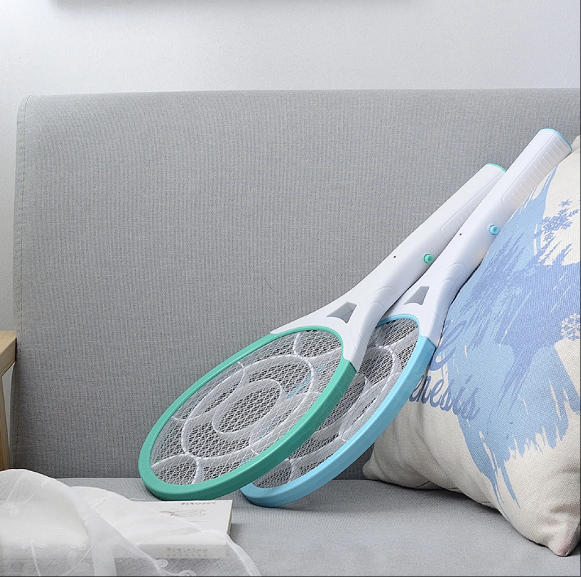
If you’re struggling with annoying mosquitoes, flies, and other flying pests indoors and outdoors, upgrading from traditional manual tools to anElectric Mosquito Swatter is the most efficient solution. Many homeowners and renters search where to buy fly swatter online to find durable, safe, and high-performance electric models that deliver instant pest control.
Where to Buy Fly Swatter
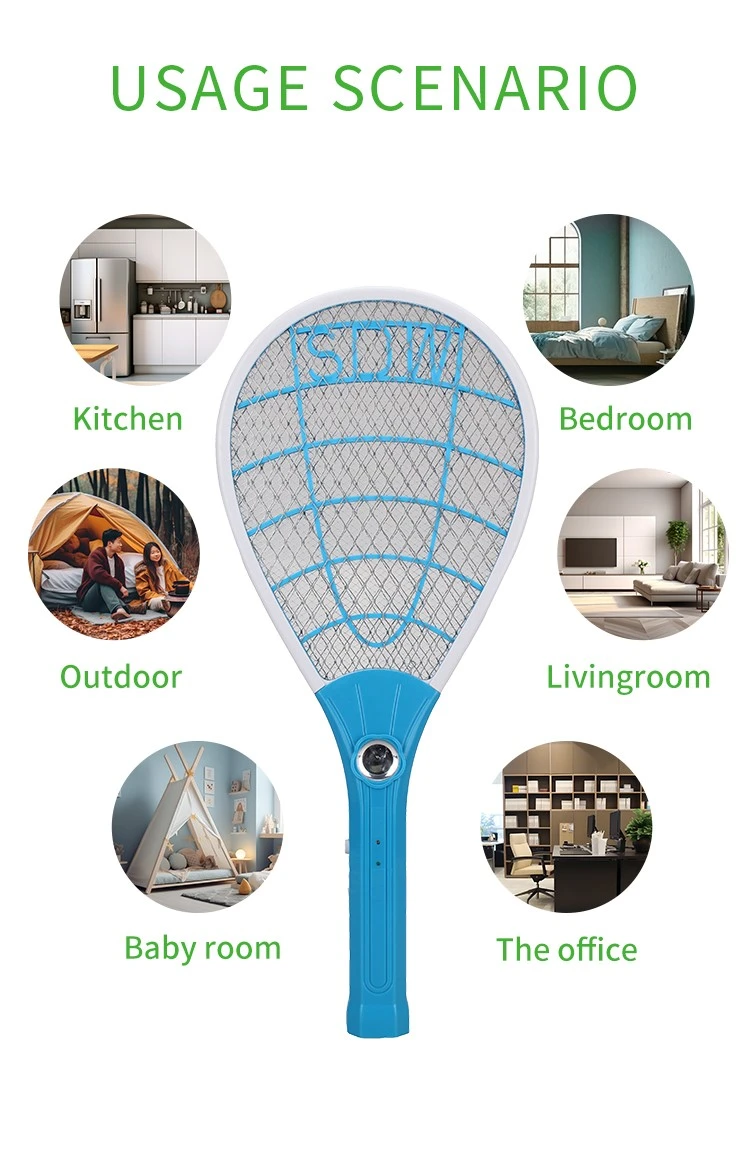
Most importers of electric mosquito swatters obsess over the first order: samples requested, factories vetted, a pre-shipment inspection booked. Then the reorder arrives eight months later and something is off. The grid feels softer. The charge port is a slightly different shade of black. The carton thickness dropped from 350 gsm to 300 gsm. Nothing is catastrophic — but the product no longer matches what your retail customers approved, and quietly, your return rate starts climbing.
How to Keep Mosquito Swatter Quality Consistent Across Repeat Orders
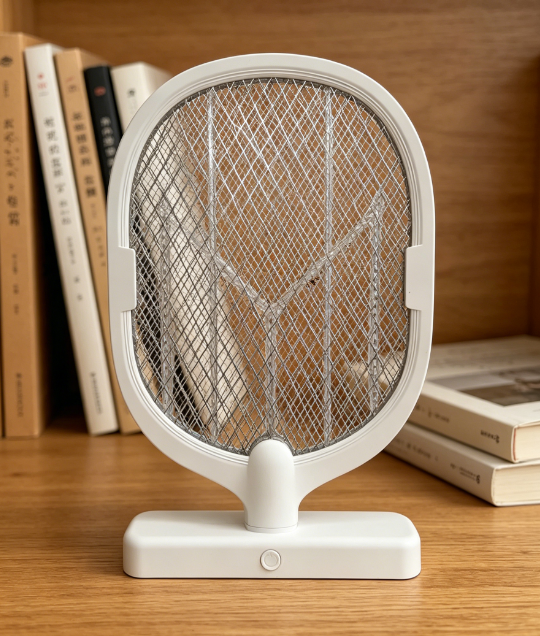
Warranty returns are the silent margin killer in the mosquito control category. A distributor who buys a swatter at $1.80 FOB and retails it at $9.90 can absorb a 1% return rate without noticing — but at 5%, the combined cost of replacement units, reverse logistics, and refund processing erases most of the line's profit.
Common mosquito swatter killer lamp failure modes wholesale spec guide
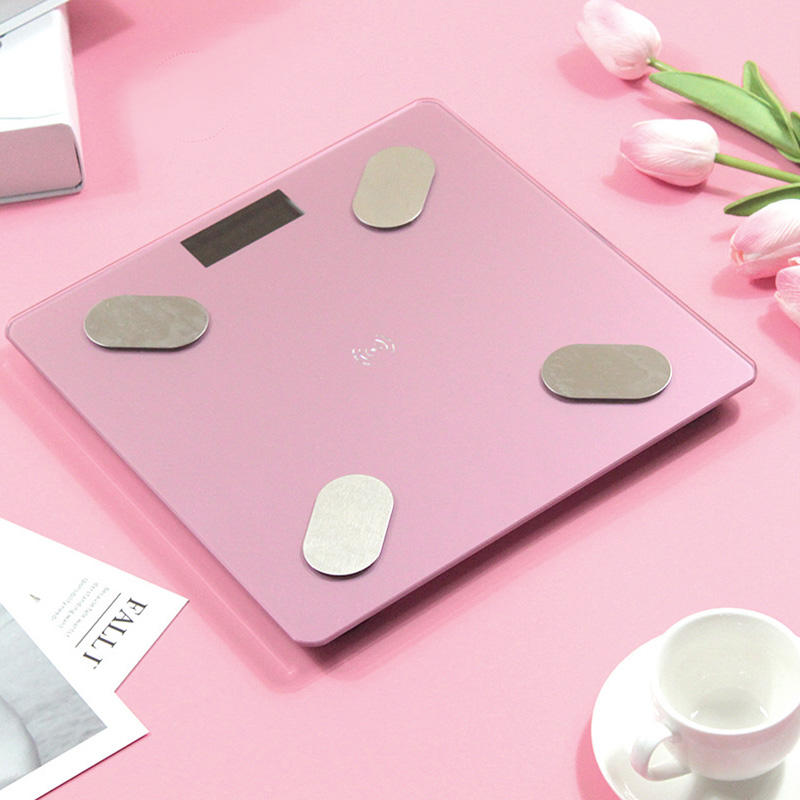
Digital bathroom scales rank as the second-highest-volume consumer weighing product category, only behind kitchen scales, with distinct market and product characteristics that set them apart from other scale types in importers’ product portfolios.
Digital bathroom body fat-bia-scale wholesale buyers guide