
How to Kill Mosquito Larvae
2025-11-17
How to Kill Mosquito Larvae: Effective Methods to Stop Mosquitoes at the Source
Mosquitoes are more than just annoying pests—they’re carriers of dangerous diseases like malaria, dengue, and Zika. The key to controlling mosquito populations isn’t just swatting adult bugs; it’s targeting their larvae, which develop in standing water. By eliminating mosquito larvae early, you can drastically reduce the number of adult mosquitoes around your home. Below, we’ll break down proven, safe methods to kill mosquito larvae and keep your space mosquito-free.
1. Physical Methods: Remove Standing Water (The #1 Prevention Step)
Mosquito larvae can’t survive without water—even a tiny puddle or a half-filled flower pot saucer is enough for them to thrive. The simplest way to kill larvae is to eliminate their habitat entirely. Here’s how to do it:
- Empty and clean containers: Check your yard for items that collect water, such as buckets, old tires, birdbaths, and children’s toys. Empty them weekly, scrub the inside to remove any remaining eggs, and store them upside down to prevent water from pooling.
- Fix leaks: Repair dripping faucets, broken gutters, or damaged downspouts. Clogged gutters are a common culprit—clear them regularly to ensure water flows freely.
- Cover or treat small water sources: For unavoidable standing water (like rain barrels or fish ponds), use a tight-fitting lid or a fine mesh screen (with holes smaller than 1 mm) to keep adult mosquitoes from laying eggs. If a lid isn’t possible, add a larvicide (see Method 3) to kill existing larvae.
2. Biological Methods: Use Natural Predators (Safe for Pets and Plants)
If you have standing water you can’t remove (such as a garden pond or water feature), biological controls are a eco-friendly way to kill mosquito larvae. These methods use natural predators that feed on larvae without harming other wildlife, pets, or humans:
- Gambusia (Mosquito Fish): These small, hardy fish are voracious eaters of mosquito larvae. A single gambusia can eat up to 100 larvae per day! They’re ideal for ponds, fountains, or large rain barrels. Just make sure the water doesn’t freeze (they’re tropical fish) and avoid adding them to natural lakes or streams (they can disrupt local ecosystems).
- Bacillus thuringiensis israelensis (BTI): BTI is a naturally occurring bacteria that’s toxic to mosquito larvae (and other aquatic insects like blackflies) but safe for humans, pets, fish, and plants. It comes in granular or tablet form—simply sprinkle it into standing water (like birdbaths, flower pot saucers, or gutters). The larvae eat the bacteria, which damages their digestive systems and kills them within 24–48 hours. BTI lasts for 1–2 weeks, so you’ll need to reapply it regularly, especially after rain.
3. Chemical Methods: Use Larvicides (For Severe Infestations)
If physical and biological methods aren’t enough, chemical larvicides can be effective—but use them with caution. Always read the label carefully and follow the instructions to avoid harming non-target organisms (like bees, fish, or beneficial insects). Here are two common types:
- Organophosphate Larvicides: These products (like malathion) kill larvae by interfering with their nervous systems. They’re fast-acting but can be toxic to fish, birds, and humans if misused. They’re best for large, untreated water sources (like stagnant ponds) that aren’t near gardens or play areas.
- Insect Growth Regulators (IGRs): IGRs (like methoprene) don’t kill larvae immediately—instead, they disrupt their growth and prevent them from developing into adult mosquitoes. They’re safer than organophosphates (low toxicity to humans and pets) and last longer (up to a month). They’re ideal for small, hard-to-reach areas (like under decks or in drain pipes).
Final Tips to Keep Mosquito Larvae Away
- Stay proactive: Check your yard for standing water at least once a week, especially after rain. Even small amounts of water (like a bottle cap) can hatch larvae.
- Trim vegetation: Mosquitoes rest in tall grass and bushes during the day. Keep your lawn mowed and shrubs trimmed to reduce adult mosquito hiding spots.
- Use mosquito dunks: For ongoing protection, add BTI “dunks” (slow-release tablets) to large water sources like rain barrels or ponds. They dissolve slowly and release BTI over time, killing larvae for up to 30 days.
By targeting mosquito larvae with these methods, you’ll not only reduce the number of annoying adult mosquitoes but also lower the risk of mosquito-borne diseases. Remember: the best way to kill mosquito larvae is to prevent them from hatching in the first place. Start with removing standing water, and add biological or chemical controls if needed—your home (and your skin) will thank you!
UV lamps can really kill bedbugs
UV Insect Trap with Sticky Paper
Related Article

If you’re struggling with annoying mosquitoes, flies, and other flying pests indoors and outdoors, upgrading from traditional manual tools to anElectric Mosquito Swatter is the most efficient solution. Many homeowners and renters search where to buy fly swatter online to find durable, safe, and high-performance electric models that deliver instant pest control.
Where to Buy Fly Swatter
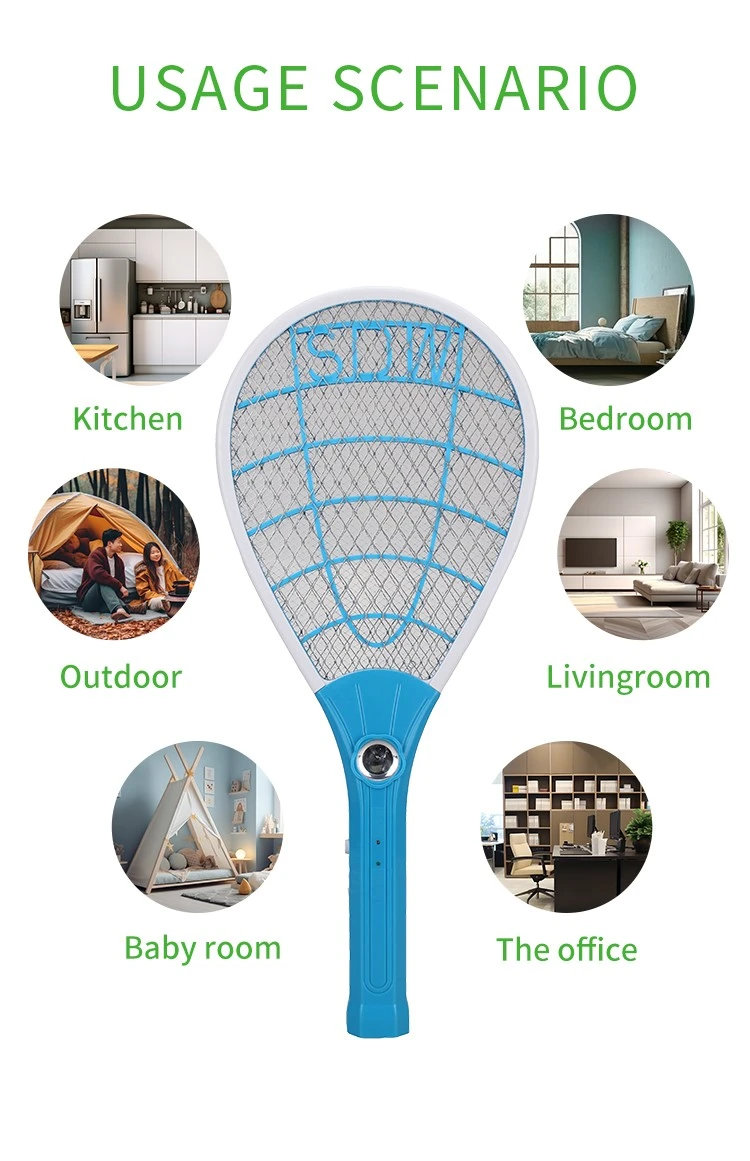
Most importers of electric mosquito swatters obsess over the first order: samples requested, factories vetted, a pre-shipment inspection booked. Then the reorder arrives eight months later and something is off. The grid feels softer. The charge port is a slightly different shade of black. The carton thickness dropped from 350 gsm to 300 gsm. Nothing is catastrophic — but the product no longer matches what your retail customers approved, and quietly, your return rate starts climbing.
How to Keep Mosquito Swatter Quality Consistent Across Repeat Orders
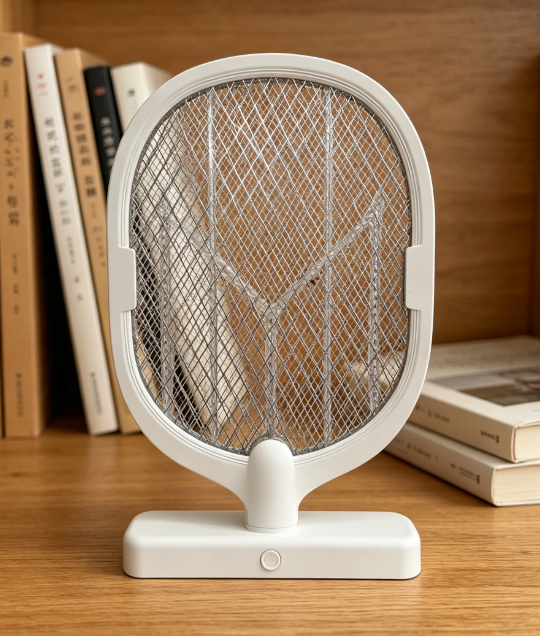
Warranty returns are the silent margin killer in the mosquito control category. A distributor who buys a swatter at $1.80 FOB and retails it at $9.90 can absorb a 1% return rate without noticing — but at 5%, the combined cost of replacement units, reverse logistics, and refund processing erases most of the line's profit.
Common mosquito swatter killer lamp failure modes wholesale spec guide

Digital bathroom scales rank as the second-highest-volume consumer weighing product category, only behind kitchen scales, with distinct market and product characteristics that set them apart from other scale types in importers’ product portfolios.
Digital bathroom body fat-bia-scale wholesale buyers guide