
How to Maintain Your Bug Zapper for Maximum Efficiency
2025-07-05
How to Maintain Your Bug Zapper for Maximum Efficiency
A bug zapper is an essential tool for keeping your outdoor and indoor spaces free from pesky insects. To ensure that your bug zapper continues to operate at peak efficiency, regular maintenance is crucial. This blog post will guide you through the necessary steps to maintain your bug zapper, whether it's a traditional bug zapper, a mosquito killer lamp, or an electric mosquito swatter.
1. Regular Cleaning
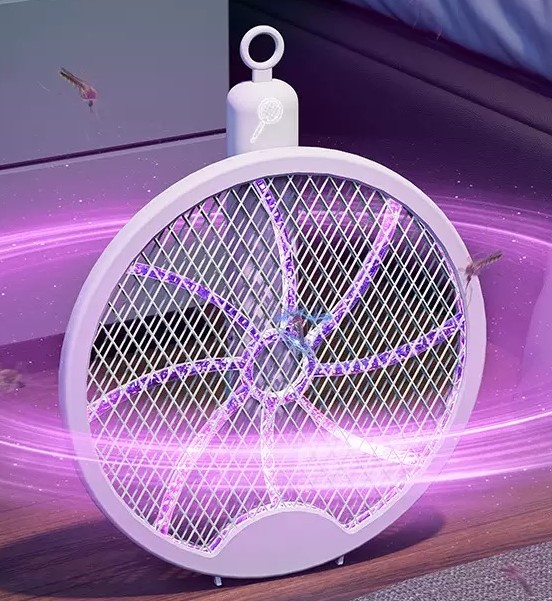
The first and most important step in maintaining your bug zapper is regular cleaning. Over time, dead insects and debris can accumulate on the zapper, reducing its effectiveness. For a traditional bug zapper or mosquito killer lamp, unplug the device and let it cool down completely before cleaning. Use a soft brush or a vacuum cleaner with a soft brush attachment to gently remove the dead insects and debris from the metal grids. Avoid using water or any liquid cleaners, as this can damage the electrical components.
For an electric mosquito swatter, turn off the device and make sure it's not charging. Use a dry cloth to wipe the surface of the swatter, removing any dead insects or dirt. If there are stubborn stains, you can use a mild soap solution and a soft cloth to clean the surface, but make sure to dry it thoroughly before using the swatter again.
2. Check for Damage
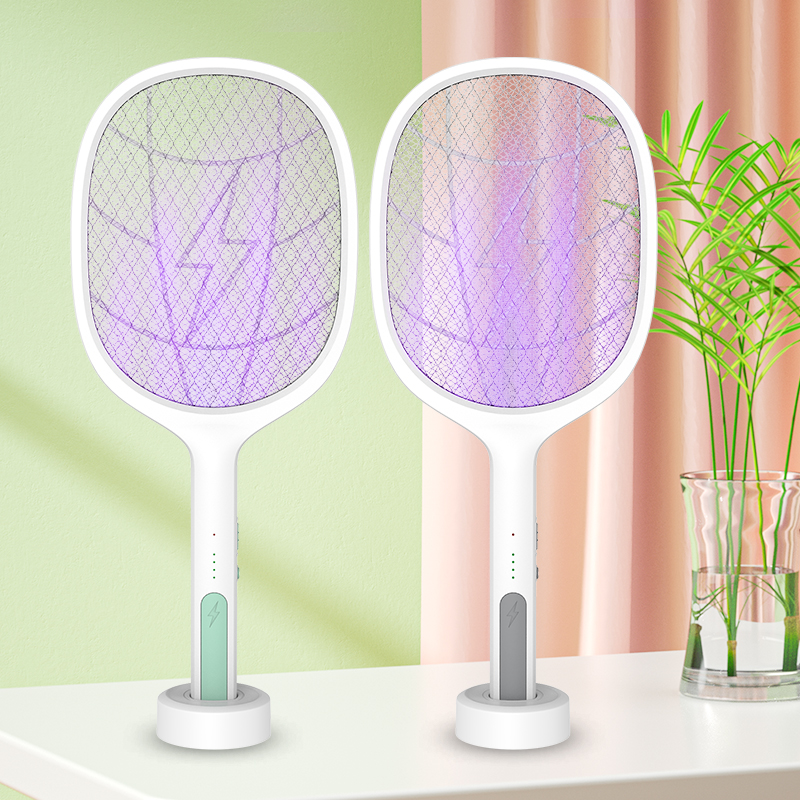
Regularly inspect your bug zapper for any signs of damage. For traditional bug zappers and mosquito killer lamps, check the power cord for any fraying or exposed wires. If you notice any damage, stop using the device immediately and replace the power cord. Also, check the metal grids for any bent or broken wires. If the grids are damaged, it can affect the performance of the zapper and may even pose a safety hazard. In such cases, it's best to replace the damaged grids or the entire zapper.
For electric mosquito swatters, check the handle for any cracks or damage. A damaged handle can make the swatter uncomfortable to hold and may even cause it to break during use. Also, check the metal mesh on the swatter for any holes or tears. If the mesh is damaged, it may not be able to effectively zap mosquitoes. Replace the damaged parts or the entire swatter if necessary.
3. Replace Bulbs and Batteries
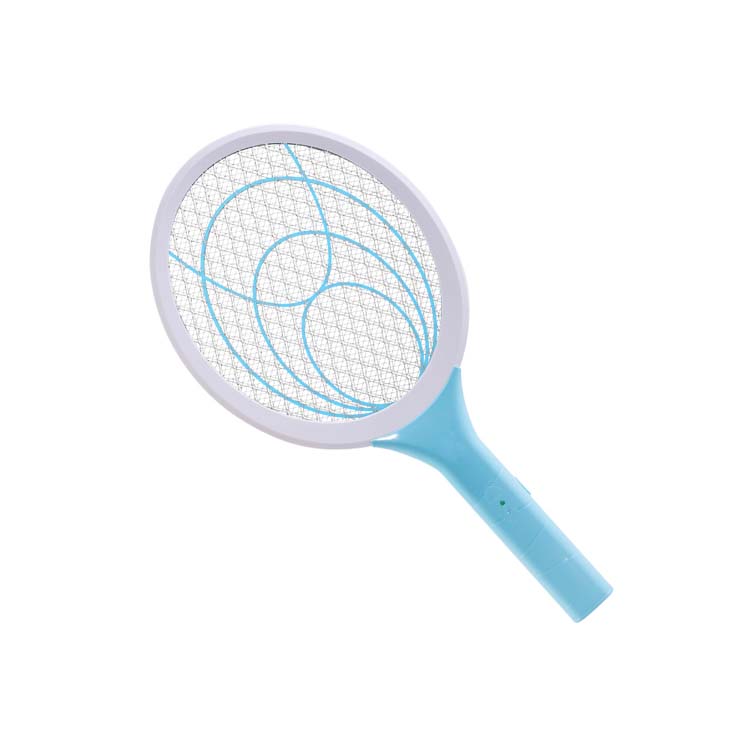
If your bug zapper uses bulbs, it's important to replace them regularly. Over time, the bulbs can lose their effectiveness, reducing the number of insects attracted to the zapper. Check the manufacturer's instructions for the recommended bulb replacement interval. When replacing the bulbs, make sure to use the correct type and wattage specified by the manufacturer.
For electric mosquito swatters that are battery-powered, regularly check the batteries and replace them when they start to run low. Weak batteries can affect the performance of the swatter, making it less effective at zapping mosquitoes. If your swatter uses rechargeable batteries, follow the manufacturer's instructions for charging and maintenance to ensure their longevity.
4. Proper Storage
When not in use, it's important to store your bug zapper properly. For traditional bug zappers and mosquito killer lamps, unplug the device and store it in a dry, cool place. Avoid storing the zapper in a location where it may be exposed to moisture or extreme temperatures, as this can damage the electrical components.
For electric mosquito swatters, make sure the device is turned off and the batteries are removed (if applicable). Store the swatter in a safe place where it won't be accidentally turned on or damaged. If you're storing the swatter for an extended period, it's a good idea to charge the rechargeable batteries periodically to keep them in good condition.
By following these maintenance tips, you can ensure that your bug zapper, whether it's a traditional bug zapper, a mosquito killer lamp, or an electric mosquito swatter, continues to operate at maximum efficiency, keeping your spaces free from annoying insects.
Why Bug Control Matters
Do electric fly zappers require regular maintenance
Related Article

If you’re struggling with annoying mosquitoes, flies, and other flying pests indoors and outdoors, upgrading from traditional manual tools to anElectric Mosquito Swatter is the most efficient solution. Many homeowners and renters search where to buy fly swatter online to find durable, safe, and high-performance electric models that deliver instant pest control.
Where to Buy Fly Swatter
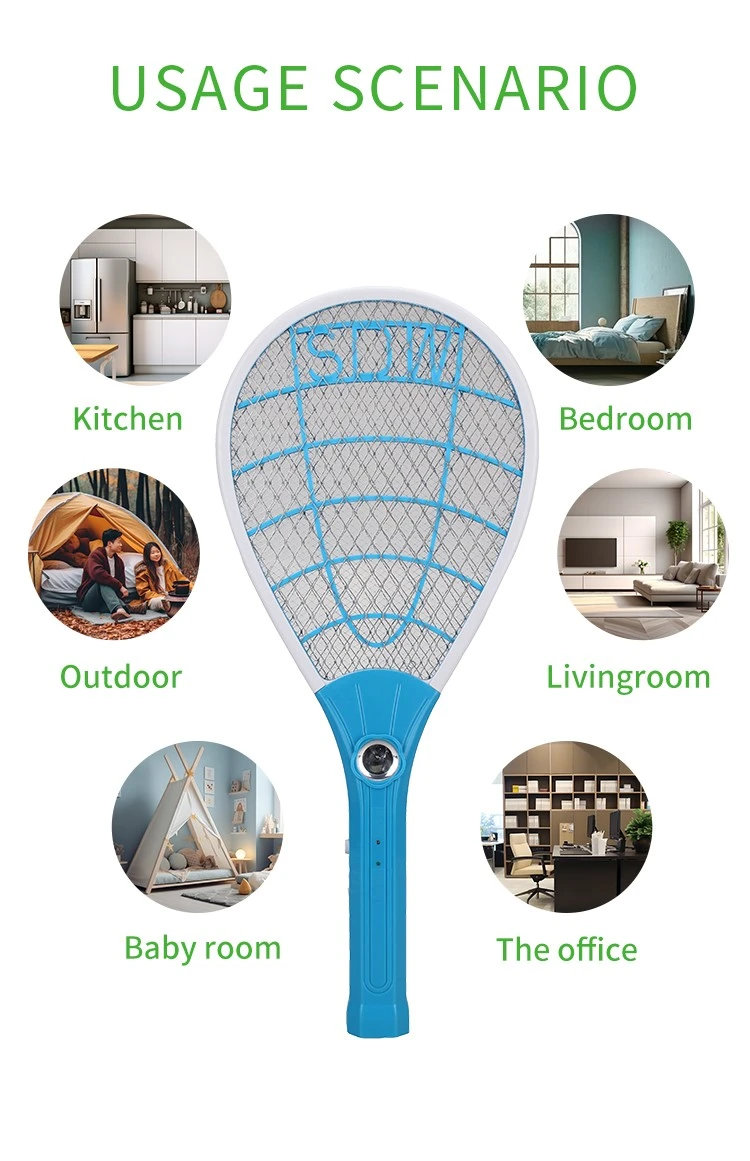
Most importers of electric mosquito swatters obsess over the first order: samples requested, factories vetted, a pre-shipment inspection booked. Then the reorder arrives eight months later and something is off. The grid feels softer. The charge port is a slightly different shade of black. The carton thickness dropped from 350 gsm to 300 gsm. Nothing is catastrophic — but the product no longer matches what your retail customers approved, and quietly, your return rate starts climbing.
How to Keep Mosquito Swatter Quality Consistent Across Repeat Orders
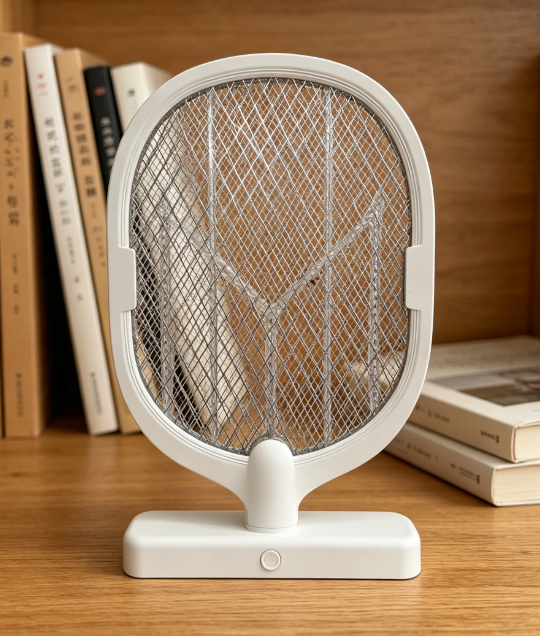
Warranty returns are the silent margin killer in the mosquito control category. A distributor who buys a swatter at $1.80 FOB and retails it at $9.90 can absorb a 1% return rate without noticing — but at 5%, the combined cost of replacement units, reverse logistics, and refund processing erases most of the line's profit.
Common mosquito swatter killer lamp failure modes wholesale spec guide

Digital bathroom scales rank as the second-highest-volume consumer weighing product category, only behind kitchen scales, with distinct market and product characteristics that set them apart from other scale types in importers’ product portfolios.
Digital bathroom body fat-bia-scale wholesale buyers guide