
How to Maintain Your Electric Mosquito Swatter for Longer Life
2026-03-16
How to Maintain Your Electric Mosquito Swatter for Longer Life
There’s nothing more frustrating than reaching for your electric mosquito swatter on a muggy summer night, only to find it’s not working properly. A well-maintained electric mosquito swatter can last for years, saving you money and keeping those annoying pests at bay. Whether you have a basic model or a high-end option, following these simple maintenance tips will ensure your swatter stays in top shape season after season.
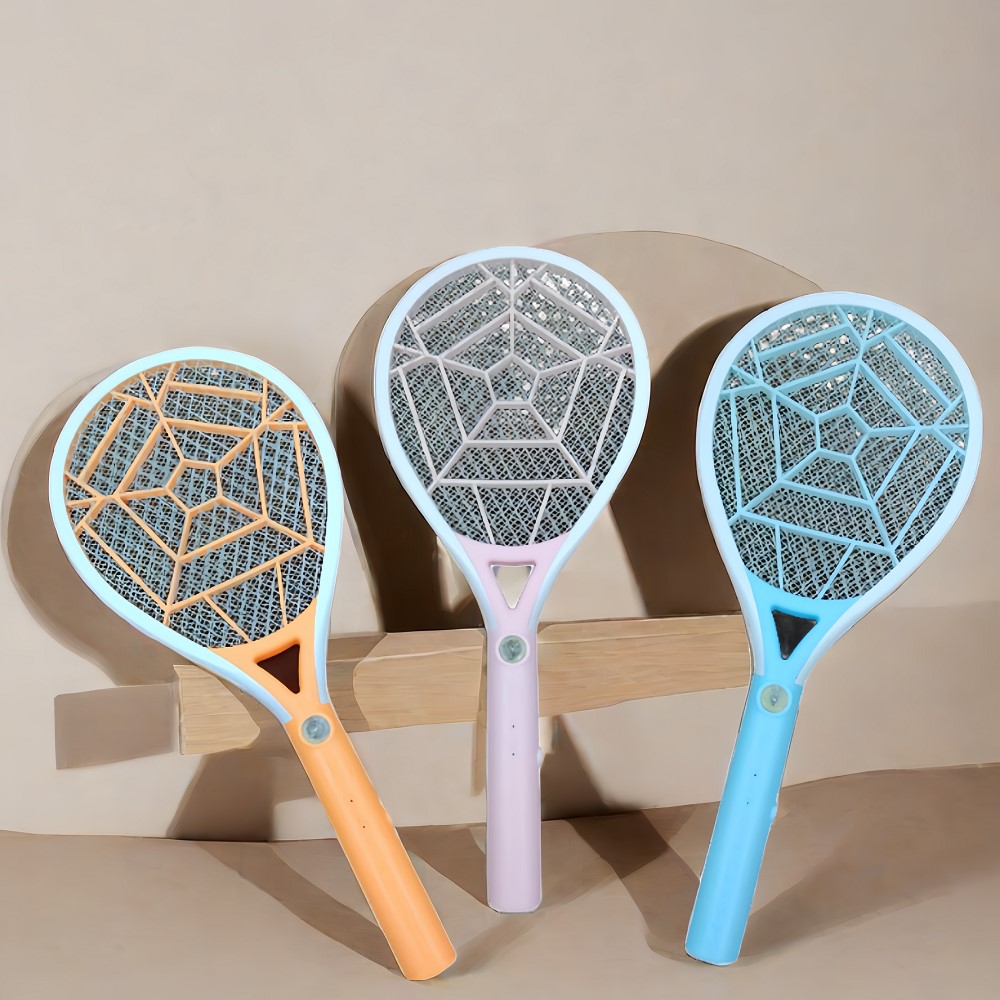
Essential Maintenance Tips for Your Electric Mosquito Swatter
1. Keep the Swatter Clean (But Dry!)
Over time, dead mosquitoes, dust, and debris can build up on the swatter’s grid—this not only looks unsightly but can also interfere with its electrical current. To clean it properly: first, unplug or remove the battery to avoid accidental shocks. Use a soft, dry cloth or a small brush (like a makeup brush) to gently wipe away debris from the grid. Never use water or liquid cleaners, as this can damage the internal electrical components. For stubborn residue, a dry cotton swab works well to reach tight spots. A clean grid ensures maximum zapping power and prevents short circuits.
2. Charge Smartly (Especially for Rechargeable Models)
If you own a rechargeable mosquito swatter, proper charging habits are key to extending its battery life. Avoid overcharging—once the swatter is fully charged (most models have an indicator light), unplug it immediately. Overcharging can wear out the battery over time, reducing its capacity to hold a charge. Conversely, don’t let the battery fully drain before recharging; partial charges are better for lithium-ion batteries (the most common type in rechargeable swatters). Store the swatter with a partial charge (around 50%) if you won’t use it for an extended period (like during winter).
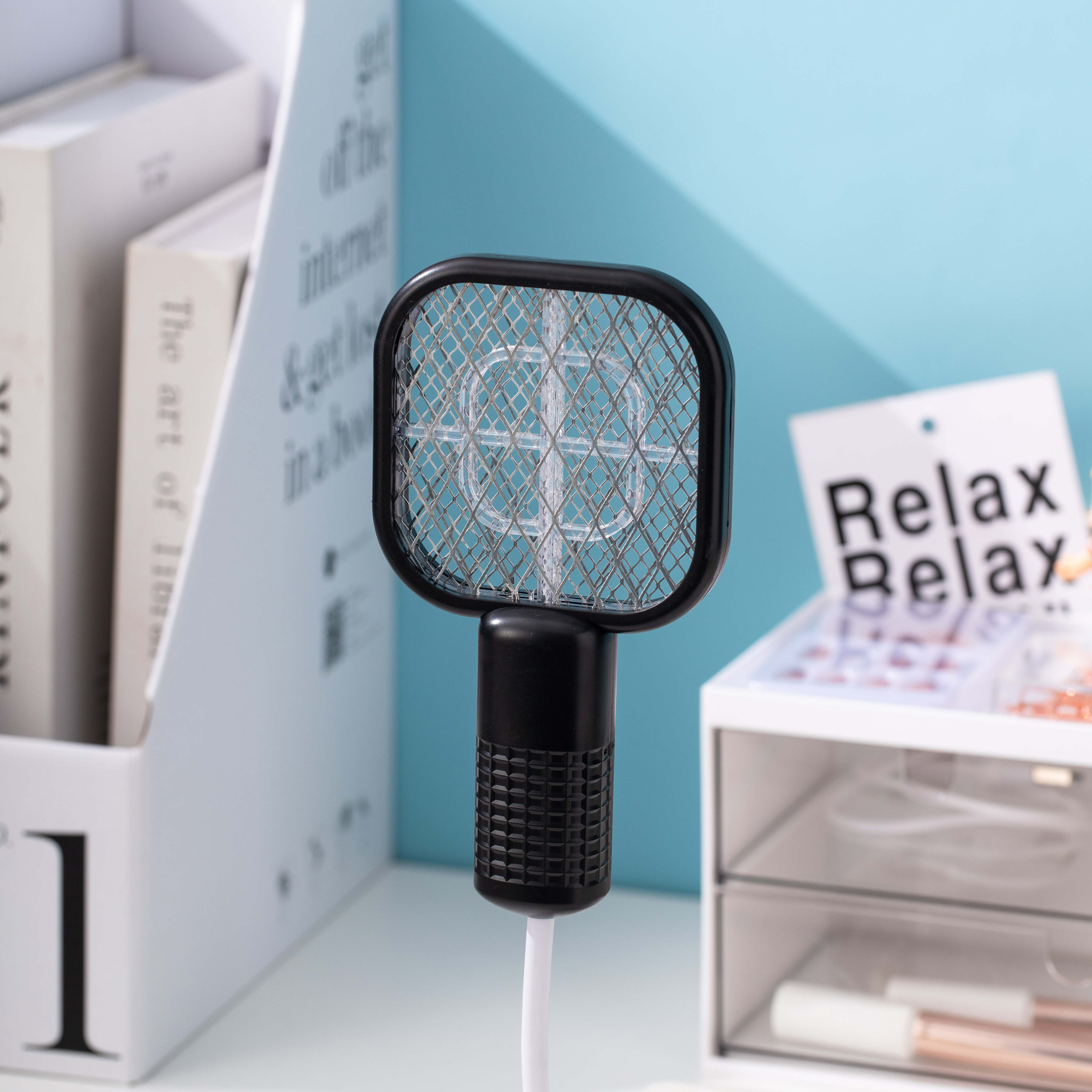
3. Store It Properly to Prevent Damage
Where and how you store your swatter matters. Keep it in a cool, dry place away from direct sunlight, humidity, and extreme temperatures. High heat can damage the battery and plastic components, while humidity can cause rust or electrical issues. Avoid storing it in places prone to bumps or drops (like a cluttered drawer), as physical damage to the grid or handle can render it useless. If you have a durable mosquito swatter, proper storage will help it live up to its “durable” label—even the sturdiest models need care to avoid unnecessary wear.
4. Inspect Regularly for Wear and Tear
Make it a habit to check your swatter for signs of damage every few weeks. Look for bent or broken grid wires—these can cause short circuits or reduce zapping effectiveness. If the handle feels loose, or if the power button is sticky or unresponsive, stop using it immediately. For minor issues (like a slightly bent wire), you can gently straighten it with tweezers (while the swatter is uncharged). For more serious damage (like a cracked handle or frayed wires), it’s best to replace the swatter to avoid safety hazards.

5. Avoid Misuse to Extend Lifespan
Your electric mosquito swatter is designed for one job: zapping mosquitoes. Don’t use it to swat hard objects (like flies on walls, or debris on the floor), as this can damage the grid. Never touch the grid while the swatter is turned on—aside from being a safety risk, oils from your skin can leave residue that attracts dust. Also, avoid using the swatter in wet conditions (like rain or near water), as moisture can short-circuit the device.
By following these simple maintenance steps, your electric mosquito swatter will stay reliable for years. A little care goes a long way—whether you’re using a basic electric mosquito swatter, a convenient rechargeable mosquito swatter, or a tough durable mosquito swatter, proper maintenance ensures you’re always ready to fight off those summer pests.
e life of your household gadgets!
Why Choose 2 in 1 Electric Mosquito Swatter with Base
Benefits of USB Rechargeable Electric Mosquito Swatter
Related Article
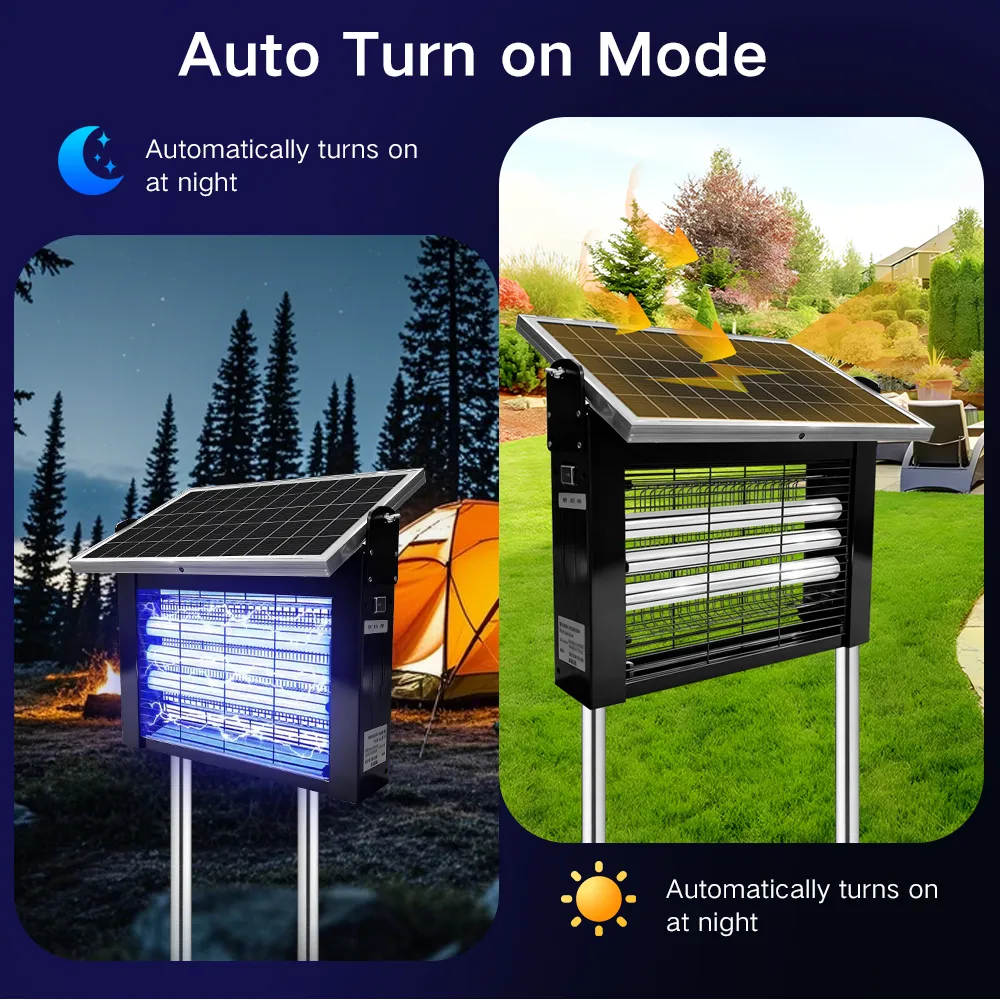
Throughout 2023 and most of 2024, solar outdoor mosquito killer lamps remained a niche, secondary product category. On Amazon, these items were mostly categorized as patio decor with basic mosquito-killing functionality. Each individual ASIN only generated 8,000–15,000 units in annual sales, failing to gain traction as mainstream outdoor and garden merchandise.
Solar Outdoor Mosquito Killer Lamps Wholesale Buyer Guide

Most importers treat an OEM mosquito swatter order as a single transaction: send a sketch, get a sample, place a PO. In practice, every project that ships late in the first 18 months of a brand breaks down for the same five reasons — undefined artwork handoff, tool-making left until after PO confirmation, certification testing ordered in parallel with sampling, and packaging dielines frozen too late.
OEM Swatter Manufacturing Project Management
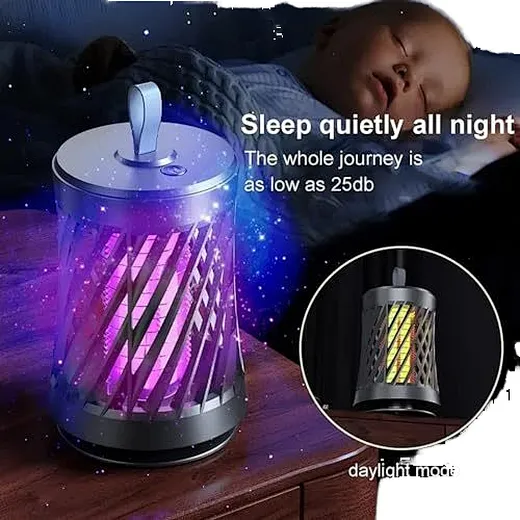
The charging port is no longer a minor accessory detail for mosquito swatters and UV mosquito killer lamps in 2026. It has become a core indicator that determines product price tiers, EU market eligibility, after-sales failure rates, and global buyer preference. For exporters, distributors, and retail buyers, choosing between Type-C and Micro-USB directly impacts profitability, compliance risks, and market competitiveness.
Type-C vs Micro-USB on Mosquito Swatters and Killer Lamps

Mosquitoes are more than just annoying summer pests—they carry harmful pathogens that cause Zika, dengue, West Nile virus, and other serious illnesses. While store-bought sprays, repellents, and DIY traps offer temporary relief, they fail to address mosquito infestations at the source.
What Do Pest Control Companies Use for Mosquitoes