
How to Make a Bug Zapper
2025-05-10
How to Make a Bug Zapper
Are you tired of pesky bugs ruining your outdoor evenings? A bug zapper can be your perfect solution. In this blog, we'll guide you through the process of making your own bug zapper, saving you money and providing a satisfying DIY experience.
Materials and Tools You'll Need
Materials
- High-voltage transformer (usually from an old fluorescent light ballast)
- Metal mesh (size appropriate for your project)
- Light bulb socket and a UV light bulb (bugs are attracted to UV light)
- Electrical wire
- Plastic container or housing (to hold all components safely)
- Power cord
- On/off switch
Tools
- Soldering iron and solder
- Wire strippers
- Screwdriver
- Pliers
Step-by-Step Guide to Making a Bug Zapper
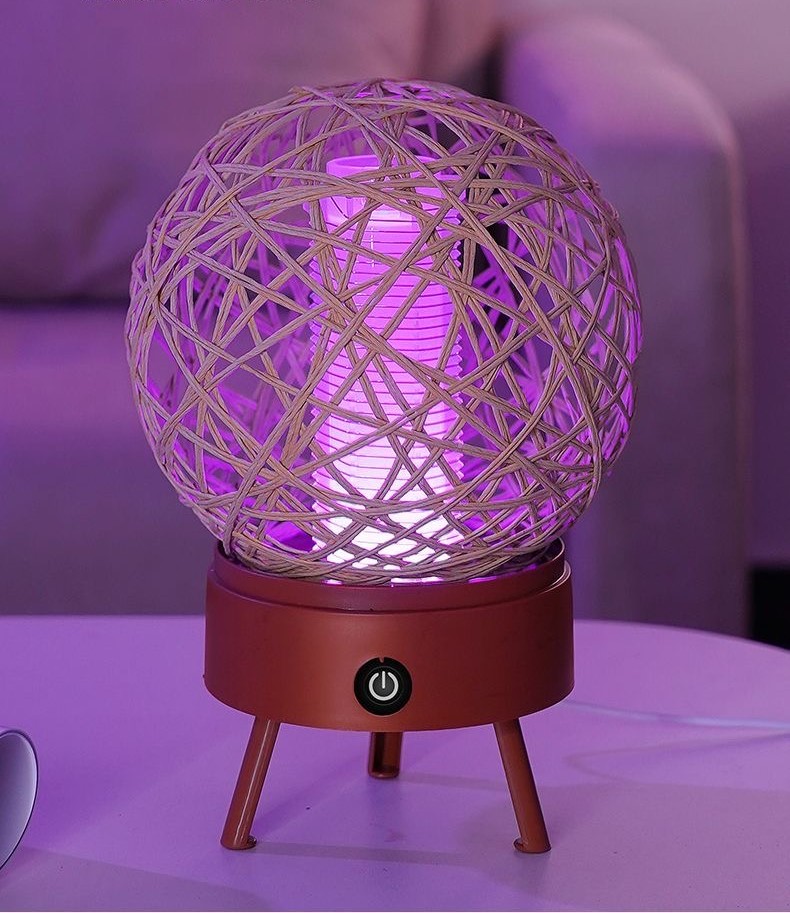
Step 1: Prepare the Housing
Select a plastic container that is large enough to house all the components. Make sure it has a secure lid. Drill holes in the container for the power cord, on/off switch, and to allow air circulation.
Step 2: Set Up the Electrical Components
- Attach the light bulb socket: Secure the light bulb socket inside the container, ensuring it's properly fastened. Insert the UV light bulb into the socket.
- Connect the high-voltage transformer: Carefully remove the high-voltage transformer from the old fluorescent light ballast. Connect the primary winding of the transformer to the power cord through the on/off switch. This will allow you to control the power supply to the zapper.
- Connect the metal mesh: Connect the secondary winding of the transformer to the metal mesh. The metal mesh will act as the grid that zaps the bugs. Make sure the mesh is evenly spaced and properly insulated from other components.
Step 3: Wiring
- Use the wire strippers to expose the ends of the electrical wires.
- Solder the wires together at the appropriate connections. For example, solder the power cord wires to the switch and the transformer, and the transformer wires to the metal mesh. Make sure all connections are secure and insulated with electrical tape.
Step 4: Assemble and Test
- Place all the components inside the plastic housing, arranging them neatly to avoid any short circuits.
- Close the lid of the container securely.
- Plug in the bug zapper and turn on the switch. Check if the UV light bulb lights up and if the metal mesh is energized (you can test this carefully by using a non-conductive object to approach the mesh and observe for a small spark, but be extremely cautious as the mesh is high voltage).
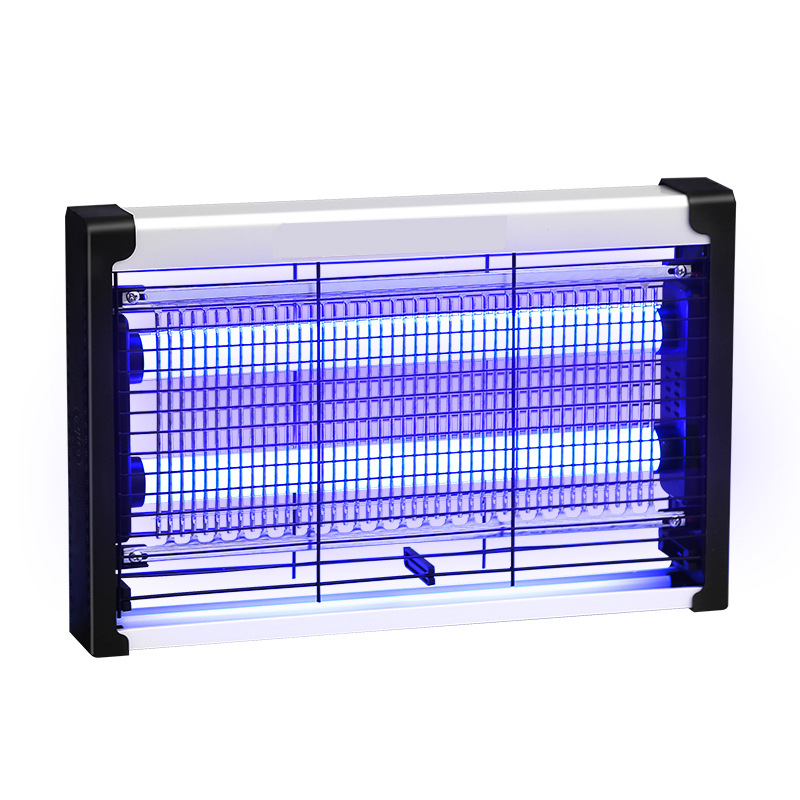
Tips for Safe Use and Maintenance
- Always unplug the bug zapper before cleaning or making any adjustments.
- Keep the bug zapper out of reach of children and pets.
- Regularly clean the metal mesh to remove dead bugs and debris, which can affect its performance. Use a soft brush or compressed air to clean it.
By following these steps, you can create your own effective bug zapper. Enjoy your bug-free evenings with this handy DIY device!
How to Kill a Mosquito in Your House
How to Clean a Bug Zapper
Related Article

If you’re struggling with annoying mosquitoes, flies, and other flying pests indoors and outdoors, upgrading from traditional manual tools to anElectric Mosquito Swatter is the most efficient solution. Many homeowners and renters search where to buy fly swatter online to find durable, safe, and high-performance electric models that deliver instant pest control.
Where to Buy Fly Swatter
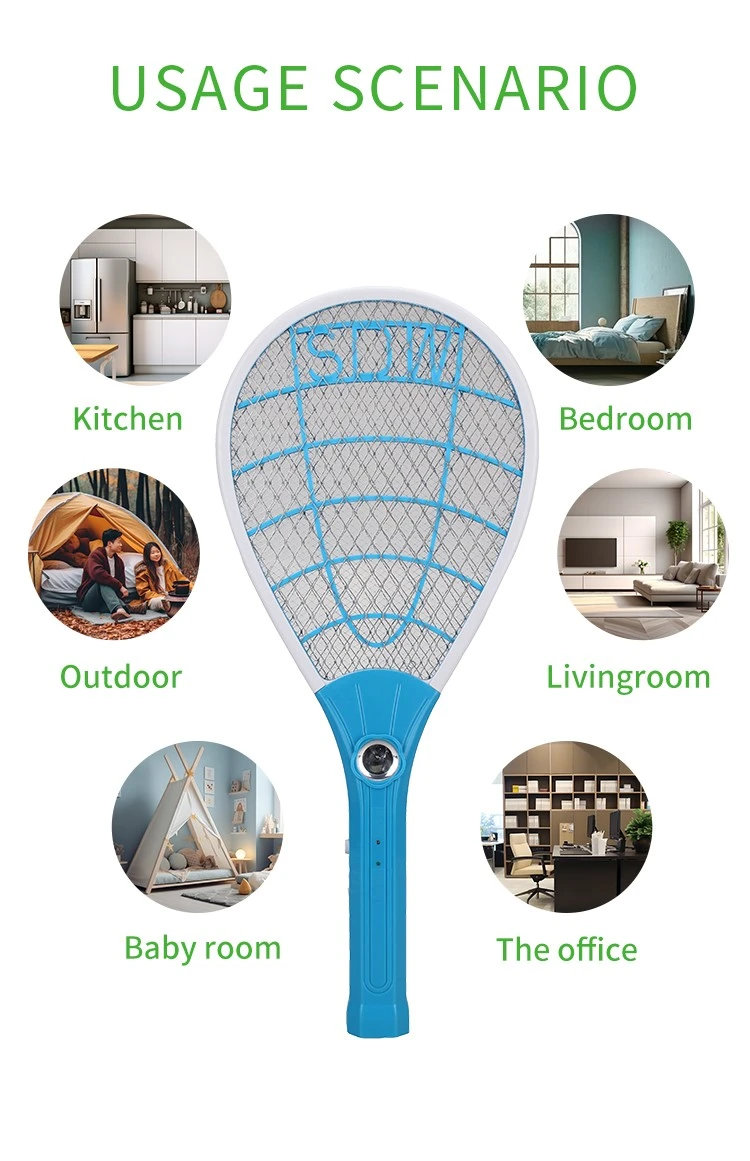
Most importers of electric mosquito swatters obsess over the first order: samples requested, factories vetted, a pre-shipment inspection booked. Then the reorder arrives eight months later and something is off. The grid feels softer. The charge port is a slightly different shade of black. The carton thickness dropped from 350 gsm to 300 gsm. Nothing is catastrophic — but the product no longer matches what your retail customers approved, and quietly, your return rate starts climbing.
How to Keep Mosquito Swatter Quality Consistent Across Repeat Orders
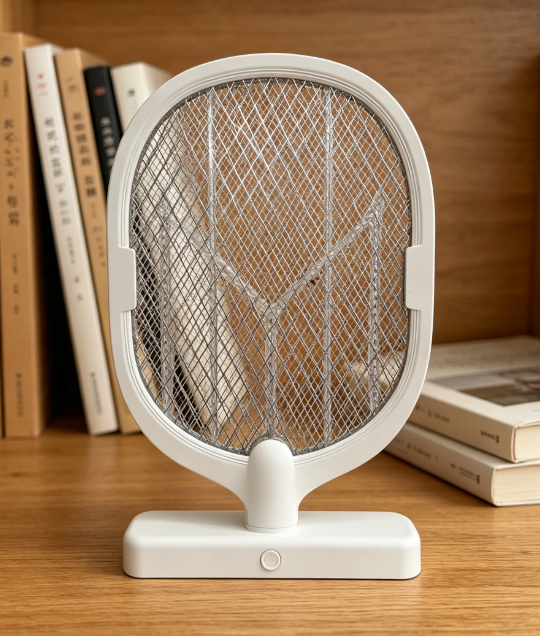
Warranty returns are the silent margin killer in the mosquito control category. A distributor who buys a swatter at $1.80 FOB and retails it at $9.90 can absorb a 1% return rate without noticing — but at 5%, the combined cost of replacement units, reverse logistics, and refund processing erases most of the line's profit.
Common mosquito swatter killer lamp failure modes wholesale spec guide

Digital bathroom scales rank as the second-highest-volume consumer weighing product category, only behind kitchen scales, with distinct market and product characteristics that set them apart from other scale types in importers’ product portfolios.
Digital bathroom body fat-bia-scale wholesale buyers guide