
How to Make a Mosquito Trap
2025-05-27
How to Make a Mosquito Trap: A DIY Solution to Keep Your Space Bug-Free
Mosquitoes are not just pesky insects; they can also transmit harmful diseases. Instead of relying solely on chemical repellents, why not try making your own mosquito trap? It’s an eco-friendly and cost-effective way to reduce the mosquito population around your home. In this blog post, I'll guide you through the process of creating a simple yet effective mosquito trap.
Materials You'll Need
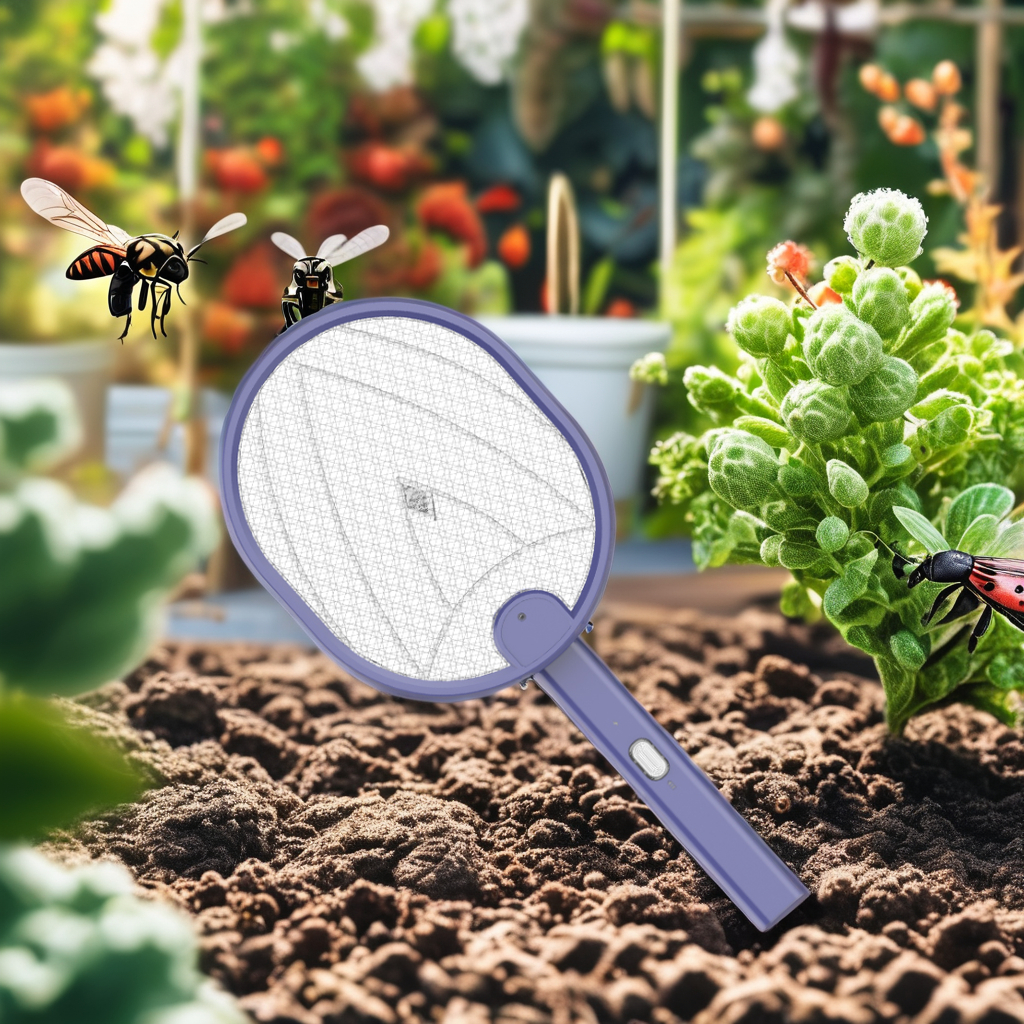
Before you start, gather the following materials:
- A plastic bottle: A 2-liter soda bottle works great. It's large enough to attract and trap mosquitoes.
- Sweet bait: Mosquitoes are attracted to sweet scents. You can use sugar water, honey, or fruit juice. For a more potent attractant, add a teaspoon of yeast. Yeast ferments the sugar, producing carbon dioxide, which mimics human breath and lures mosquitoes in.
- Dish soap: A few drops of dish soap break the surface tension of the water. This causes the mosquitoes to sink and drown once they land on the liquid.
- Scissors or a knife: You'll need this to cut the plastic bottle.
Step-by-Step Instructions
Step 1: Prepare the Bottle
Start by cutting the plastic bottle in half horizontally. You can use scissors or a sharp knife for this. Make sure the cut is as smooth as possible to avoid any sharp edges that could hurt you later.
Step 2: Create the Bait
In the bottom half of the bottle, pour in your chosen sweet bait. If you're using sugar water, dissolve about 1/4 cup of sugar in warm water and let it cool. Then, add a teaspoon of yeast and stir gently. The yeast will start to ferment the sugar, releasing carbon dioxide.
Step 3: Add the Dish Soap
After preparing the bait, add a few drops of dish soap to the mixture. Stir it gently to ensure the dish soap is evenly distributed. The dish soap is crucial as it disrupts the surface tension of the liquid, preventing the mosquitoes from being able to land on the surface without sinking.
Step 4: Assemble the Trap
Invert the top half of the bottle and place it inside the bottom half, creating a funnel-like structure. This allows the mosquitoes to easily fly into the trap but makes it difficult for them to escape. You can use tape to secure the two parts together if needed.
Step 5: Place the Trap
Find a strategic location to place your mosquito trap. Mosquitoes are most active during dawn and dusk, and they prefer damp, shady areas. Place the trap away from where you usually spend time, such as near bushes, in corners of your yard, or outside your windows. Check the trap regularly and empty it when it's full of trapped mosquitoes. Replace the bait every few days to keep it effective.
How It Works
The sweet smell of the bait attracts mosquitoes. Once they enter the trap through the funnel, they land on the surface of the liquid. The dish soap breaks the surface tension, causing the mosquitoes to sink and drown in the liquid. It's a simple but efficient way to catch mosquitoes without using harmful chemicals.
Making your own mosquito trap is a rewarding DIY project that can significantly reduce the mosquito nuisance in your living space. With just a few household items and a little effort, you can create an effective solution to keep these pesky insects at bay. Give it a try and enjoy a more mosquito-free environment!
Can You Use Bug Zapper Indoors
DIY Mosquito Trap
Related Article

If you’re struggling with annoying mosquitoes, flies, and other flying pests indoors and outdoors, upgrading from traditional manual tools to anElectric Mosquito Swatter is the most efficient solution. Many homeowners and renters search where to buy fly swatter online to find durable, safe, and high-performance electric models that deliver instant pest control.
Where to Buy Fly Swatter
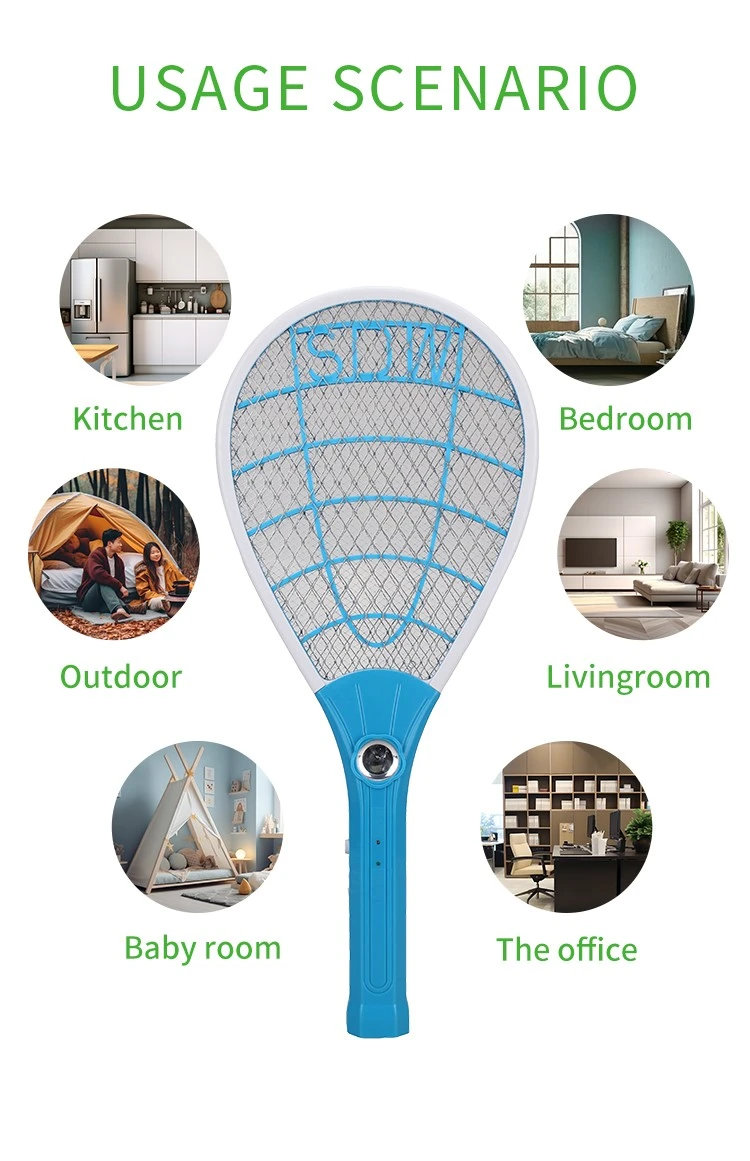
Most importers of electric mosquito swatters obsess over the first order: samples requested, factories vetted, a pre-shipment inspection booked. Then the reorder arrives eight months later and something is off. The grid feels softer. The charge port is a slightly different shade of black. The carton thickness dropped from 350 gsm to 300 gsm. Nothing is catastrophic — but the product no longer matches what your retail customers approved, and quietly, your return rate starts climbing.
How to Keep Mosquito Swatter Quality Consistent Across Repeat Orders
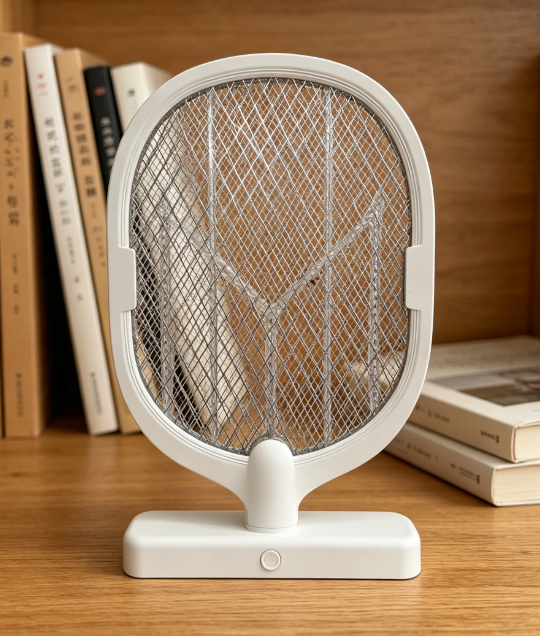
Warranty returns are the silent margin killer in the mosquito control category. A distributor who buys a swatter at $1.80 FOB and retails it at $9.90 can absorb a 1% return rate without noticing — but at 5%, the combined cost of replacement units, reverse logistics, and refund processing erases most of the line's profit.
Common mosquito swatter killer lamp failure modes wholesale spec guide

Digital bathroom scales rank as the second-highest-volume consumer weighing product category, only behind kitchen scales, with distinct market and product characteristics that set them apart from other scale types in importers’ product portfolios.
Digital bathroom body fat-bia-scale wholesale buyers guide