
How to make my bug zapper more effective
2025-11-28
If you’ve ever hung a bug zapper in your backyard, flipped the switch, and waited—only to find it collecting more dead leaves than pests—you’re not alone. Bug zappers rely on a simple formula: lure insects with light, then zap them with a high-voltage grid. But their success rarely depends on the device itself; it’s all about how you use it. The good news? With a few small adjustments, you can turn your underperforming zapper into a pest-fighting tool that actually keeps flying bugs at bay. Let’s break down the most effective strategies.
1. Place It Strategically (Location Is Everything)
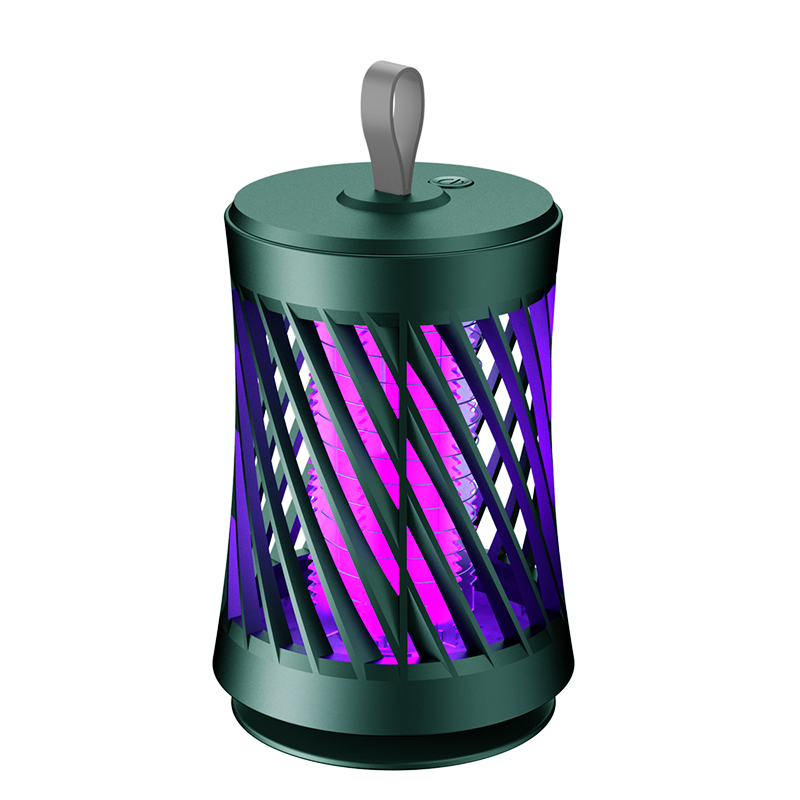
Bugs are drawn to light—but they’re also easily distracted by brighter, closer light sources. To maximize your zapper’s allure:
- Avoid competing lights: Hang your zapper at least 10–15 feet away from porch lights, streetlights, or even indoor lights shining through windows. These brighter lights will “steal” bugs before they reach your zapper.
- Opt for the right height: Most flying pests (like moths, flies, and beetles) stay 5–7 feet off the ground. Mount your zapper at this height—too low, and it might attract crawling insects (which it can’t zap); too high, and it’ll miss the bugs that bother you most.
- Near pest hotspots (but not too close): Place it near areas where bugs gather—like plants, garbage cans, or standing water (more on that later)—but keep it 3–5 feet away from seating areas. This way, it intercepts bugs before they reach you, instead of luring them closer.
2. Keep It Clean (Gunk Kills Performance)
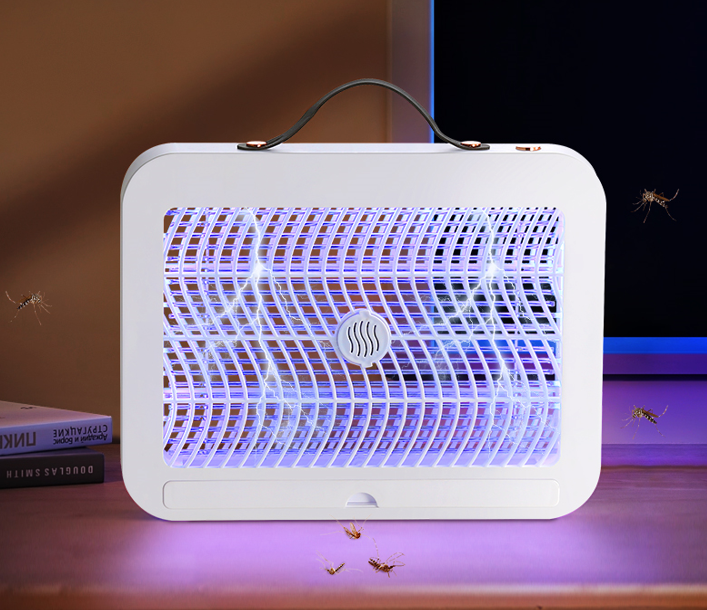
A dirty zapper is a useless zapper. Dead bugs, dust, and debris build up on the electric grid over time, blocking the current and preventing it from zapping new pests. Here’s how to fix it:
- Clean weekly (with power off!): Unplug the zapper or turn off its power source. Use a soft-bristled brush (like an old toothbrush or paintbrush) to gently sweep away dead bugs and dust from the grid. Never use water—moisture can damage the electrical components.
- Replace the bulb regularly: The UV bulb that lures bugs loses brightness over time (usually after 6–12 months). If the light looks dim, swap it out. A faded bulb won’t attract bugs, no matter how strong the grid is.
- Check for blockages: Make sure the zapper’s housing isn’t clogged with leaves or spiderwebs—these can block the light and stop bugs from entering.
3. Time It Right (Bugs Are Night Owls)
Most flying pests (think moths, mosquitoes, and flies) are most active at dusk and dawn. Wasting electricity by running your zapper all day won’t help—it’ll just shorten the bulb’s life. Instead:
- Turn it on at dusk: Flip the switch 30 minutes before sunset, when bugs start emerging. This is when they’re most likely to be searching for light.
- Turn it off at dawn: Once the sun comes up, bugs retreat. Leaving it on after sunrise does little more than waste energy.
- Adjust for weather: Bugs are more active on warm, humid nights (after rain, for example). Crank up the zapper on these evenings—you’ll see a big difference in how many pests it catches.
4. Pair It With Other Pest Control (1+1=More Dead Bugs)
Bug zappers work best as part of a team, not alone. Pests like mosquitoes are more attracted to carbon dioxide (your breath) than UV light, so combine your zapper with these steps:
- Eliminate standing water: Mosquitoes lay eggs in stagnant water (birdbaths, puddles, even empty flower pots). Dump or treat standing water to cut down on their population.
- Use a fan: Flying bugs struggle to fly in wind. Place a portable fan near your seating area—this will keep bugs away and push them toward the zapper.
- Seal entry points: Fix screen doors, patch window screens, and caulk gaps around doors. This stops bugs from getting inside your home, so your zapper only has to handle outdoor pests.
5. Safety First (Don’t Ruin the Fun)
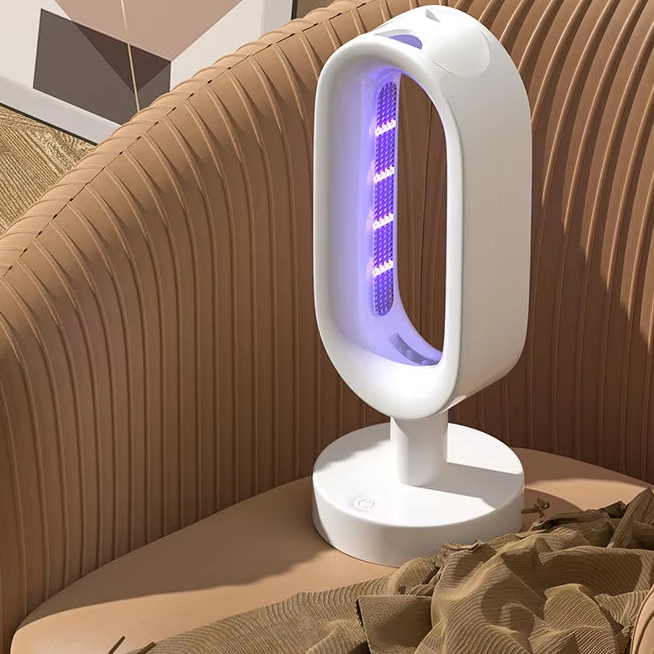
Before you start optimizing, remember: bug zappers use high voltage. Keep these rules in mind to avoid accidents:
- Keep it out of reach of kids and pets. Mount it high enough that little hands (or paws) can’t touch the grid.
- Never use it near flammable materials (like propane tanks, gasoline, or dry leaves)—a spark from the grid could start a fire.
- Don’t touch the grid while it’s on. Even a small zap can be painful (or dangerous for people with heart conditions).
Final Thoughts
Making your bug zapper more effective isn’t about buying a pricier model—it’s about using the one you have smarter. By placing it correctly, keeping it clean, timing it to match bug activity, and pairing it with other pest control tricks, you’ll spend less time swatting bugs and more time enjoying your outdoor space.
Have you tried any of these tips? Or do you have a secret hack for making your bug zapper work better? Let me know in the comments below!
Core Selection Logic for Dormitory Mosquito Killer Lamps
Choosing an outdoor electric mosquito swatter
Related Article
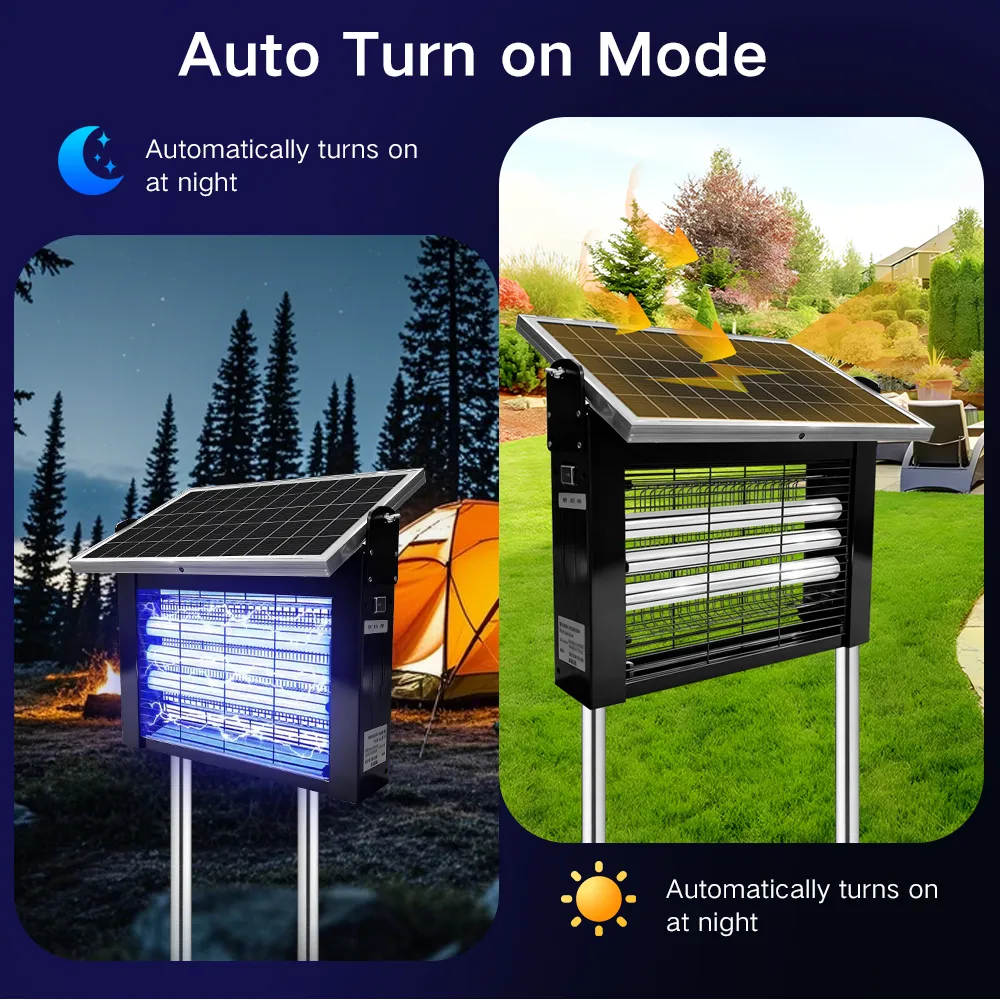
Throughout 2023 and most of 2024, solar outdoor mosquito killer lamps remained a niche, secondary product category. On Amazon, these items were mostly categorized as patio decor with basic mosquito-killing functionality. Each individual ASIN only generated 8,000–15,000 units in annual sales, failing to gain traction as mainstream outdoor and garden merchandise.
Solar Outdoor Mosquito Killer Lamps Wholesale Buyer Guide

Most importers treat an OEM mosquito swatter order as a single transaction: send a sketch, get a sample, place a PO. In practice, every project that ships late in the first 18 months of a brand breaks down for the same five reasons — undefined artwork handoff, tool-making left until after PO confirmation, certification testing ordered in parallel with sampling, and packaging dielines frozen too late.
OEM Swatter Manufacturing Project Management
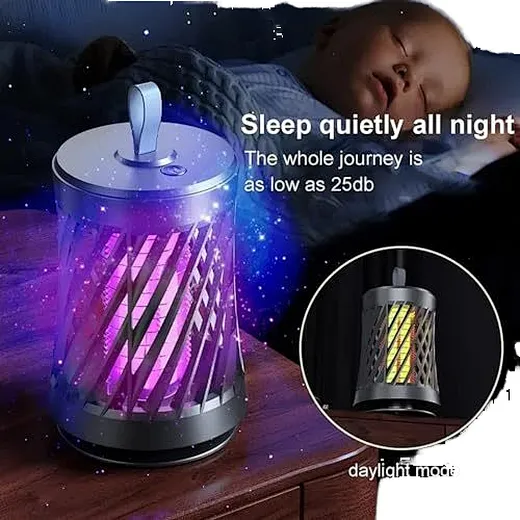
The charging port is no longer a minor accessory detail for mosquito swatters and UV mosquito killer lamps in 2026. It has become a core indicator that determines product price tiers, EU market eligibility, after-sales failure rates, and global buyer preference. For exporters, distributors, and retail buyers, choosing between Type-C and Micro-USB directly impacts profitability, compliance risks, and market competitiveness.
Type-C vs Micro-USB on Mosquito Swatters and Killer Lamps

Mosquitoes are more than just annoying summer pests—they carry harmful pathogens that cause Zika, dengue, West Nile virus, and other serious illnesses. While store-bought sprays, repellents, and DIY traps offer temporary relief, they fail to address mosquito infestations at the source.
What Do Pest Control Companies Use for Mosquitoes