
How to Naturally Kill Mosquitoes
2026-05-04
How to Naturally Kill Mosquitoes: Safe, Effective Methods for a Bug-Free Home
There’s nothing more frustrating than spending a summer evening indoors (or outdoors!) swatting away mosquitoes. Their buzzing interrupts your relaxation, and their bites leave itchy, annoying red bumps. But you don’t need harsh chemicals or expensive sprays to get rid of them. In this blog, we’ll share proven, natural ways to kill mosquitoes and keep them from coming back—safe for your family, pets, and the environment. Let’s dive into how to naturally kill mosquitoes once and for all.
Why Choose Natural Mosquito Control?
Before we jump into the methods, let’s talk about why natural mosquito control is worth it. Commercial mosquito sprays and foggers often contain chemicals like DEET or permethrin, which can irritate skin, trigger allergies, and even harm beneficial insects (like bees and butterflies) that keep your garden balanced. Natural methods, on the other hand, use ingredients you probably already have at home or easy-to-grow plants, making them gentle, affordable, and eco-friendly. Plus, they target mosquitoes at every stage of their life cycle—from eggs to adults—for long-lasting results.
Step 1: Eliminate Mosquito Breeding Grounds (The Most Important Step)
The best way to naturally kill mosquitoes is to stop them from reproducing in the first place. Mosquitoes lay their eggs in standing water, and their larvae (called wigglers) need water to survive. By removing standing water around your home, you’ll cut their population off at the source—no chemicals required.
Here’s where to check for standing water:
-
Flower pots and plant saucers: Empty excess water every 2-3 days, or add gravel to the saucer to prevent water from pooling [7].
-
Bird baths, fountains, and wading pools: Change the water weekly to destroy potential mosquito habitats .
-
Clogged gutters, old tires, and buckets: Clear gutters regularly, and store tires/buckets upside down to avoid collecting rainwater .
-
Small outdoor items: Empty water from bottle caps, toys, and plastic covers that can trap water .
-
Indoor areas: Check for leaky faucets, air conditioner drip pans, and pet water bowls—empty and refill pet bowls daily .
For decorative water features (like ponds), add a small fountain or aerator—mosquito larvae can’t survive in moving water. You can also introduce natural predators like goldfish or guppies, which eat mosquito larvae .
Step 2: DIY Natural Mosquito Traps (Kill Adult Mosquitoes)
If adult mosquitoes are already buzzing around, these DIY traps will attract and kill them using natural ingredients. They’re easy to make, cheap, and effective—no toxic sprays needed.
Vinegar and Sugar Trap
Mosquitoes are drawn to sweet scents, and vinegar disrupts their ability to fly, causing them to drown. Here’s how to make it:
-
Fill a shallow bowl or jar with 2 cups of warm water, 1/4 cup of white vinegar, 2 tablespoons of sugar, and 1 teaspoon of dish soap .
-
Stir until the sugar dissolves. The sugar attracts mosquitoes, the vinegar repels other insects (like ants), and the dish soap breaks the water’s surface tension—so when mosquitoes land, they sink and drown .
-
Place the trap in areas where mosquitoes are most active (near windows, doors, or outdoor seating). Replace the mixture every 3-4 days for best results.
Lime and Clove Trap
This simple trap uses the strong scent of cloves and citrus to repel and kill mosquitoes. It’s perfect for outdoor gatherings or patios .
-
Cut a lime or lemon in half.
-
Insert whole cloves into the flesh of the lime/lemon—cover as much of the surface as possible .
-
Place the lime halves on a plate or tray near your seating area. The scent of cloves and citrus confuses mosquitoes and deters them from landing, and any mosquitoes that get too close will be repelled or killed by the strong aroma .
Step 3: Use Natural Repellents to Keep Mosquitoes Away
While these methods don’t kill mosquitoes outright, they repel them from your space—and prevention is key to keeping your home bug-free. These natural repellents are safe to use on skin (for most people) and around your home.
Essential Oil Sprays
Certain essential oils are proven to repel mosquitoes, thanks to their strong scents that mask the human odors mosquitoes are attracted to . The most effective ones include citronella, lavender, eucalyptus, peppermint, and tea tree oil . Here’s how to make a DIY spray:
-
Fill a 4-ounce spray bottle with 1/4 cup of witch hazel (or distilled water) and 1/4 cup of carrier oil (like coconut or almond oil) .
-
Add 15 drops of citronella oil, 10 drops of lavender oil, and 5 drops of peppermint oil (for extra potency) .
-
Shake well before each use—oil and water separate, so mixing is key .
-
Spray on exposed skin (avoid eyes and mouth) and clothing before going outdoors. Reapply every 2-3 hours, or after sweating or swimming .
Pro tip: For even better results, mix essential oils—combinations like eucalyptus + lavender or citronella + peppermint boost repellent power .
Herbal Sachets
Dried herbs are another great way to repel mosquitoes indoors. Fill small cloth bags with dried lavender, mint, rosemary, or艾草 (wormwood), and place them near windows, doors, or in your bedroom . The herbs release a subtle scent that mosquitoes hate, and they add a natural, fresh aroma to your home. Replace the herbs every 1-2 weeks as the scent fades .
Step 4: Plant Mosquito-Repelling Plants (Long-Term Solution)
Growing certain plants around your home is a natural, long-lasting way to keep mosquitoes at bay. These plants emit scents that mosquitoes find repulsive, and many of them are beautiful, easy to grow, and even edible .
Top mosquito-repelling plants to grow:
-
Mint: Contains menthol, which repels mosquitoes and other pests. Plant it in pots on your patio or windowsill—just be careful, it’s invasive! You can also crush the leaves and rub them on your skin for a quick repellent .
-
Citronella Grass: The classic mosquito-repelling plant. Its strong lemon scent masks human odors, keeping mosquitoes away. Grow it in a sunny spot outdoors, and cut the leaves to release more scent .
-
Lavender: A beautiful flowering plant that repels mosquitoes and smells great. It’s easy to grow in pots or gardens, and you can dry the flowers to make sachets or essential oil .
-
Marigolds: Their bright orange and yellow flowers contain pyrethrum, a natural insect repellent. Plant them around your garden, patio, or doorways to keep mosquitoes away .
-
Mosquito Plant (Citronella Geranium): A compact plant that looks like a geranium but emits a citronella scent. It’s perfect for indoor or outdoor pots, and it’s low-maintenance .
Final Tips for Naturally Killing Mosquitoes
To get the best results, combine these methods—eliminate breeding grounds, use traps for adult mosquitoes, and repel them with essential oils and plants. Here are a few extra tips to keep in mind:
-
Keep your yard tidy: Trim tall grass, weeds, and overgrown bushes—mosquitoes love to hide in shaded, damp areas .
-
Use fans outdoors: Mosquitoes are weak fliers, so a small fan on your patio can keep them away by creating airflow .
-
Avoid outdoor activities at dawn and dusk: These are the times when mosquitoes are most active .
-
Test essential oils first: If you have sensitive skin, do a patch test on your arm before using any essential oil spray .
By following these natural methods, you can kill mosquitoes and keep them from invading your home—without harsh chemicals. Not only will you enjoy a bug-free summer, but you’ll also protect your family, pets, and the planet. Give these tips a try, and say goodbye to mosquito bites for good!
What Happens If a Human Touches a Bug Zapper Racket
How to Dispose of Lithium Batteries
Related Article

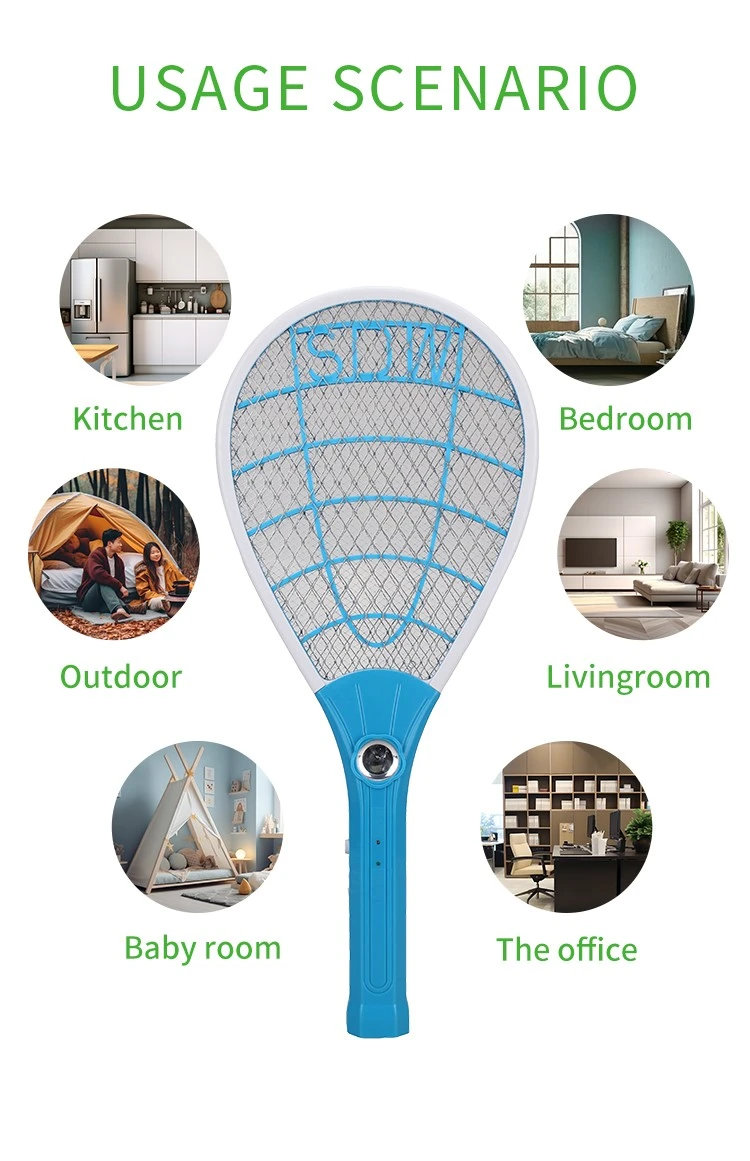
If you’re struggling with annoying mosquitoes, flies, and other flying pests indoors and outdoors, upgrading from traditional manual tools to anElectric Mosquito Swatter is the most efficient solution. Many homeowners and renters search where to buy fly swatter online to find durable, safe, and high-performance electric models that deliver instant pest control.
Where to Buy Fly Swatter
Most importers of electric mosquito swatters obsess over the first order: samples requested, factories vetted, a pre-shipment inspection booked. Then the reorder arrives eight months later and something is off. The grid feels softer. The charge port is a slightly different shade of black. The carton thickness dropped from 350 gsm to 300 gsm. Nothing is catastrophic — but the product no longer matches what your retail customers approved, and quietly, your return rate starts climbing.
How to Keep Mosquito Swatter Quality Consistent Across Repeat Orders
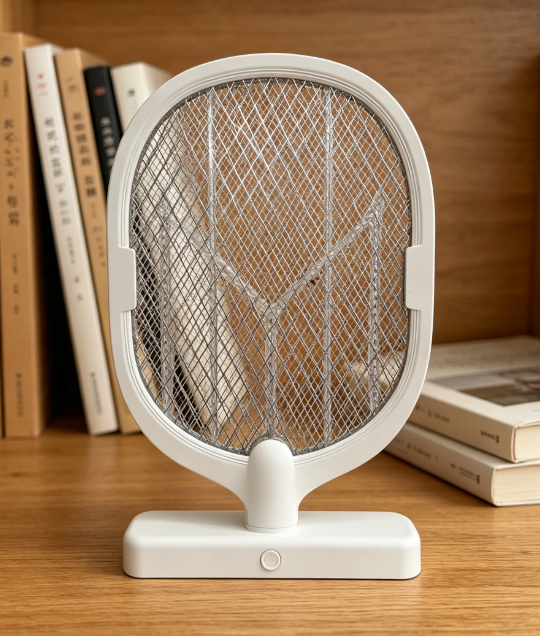
Warranty returns are the silent margin killer in the mosquito control category. A distributor who buys a swatter at $1.80 FOB and retails it at $9.90 can absorb a 1% return rate without noticing — but at 5%, the combined cost of replacement units, reverse logistics, and refund processing erases most of the line's profit.
Common mosquito swatter killer lamp failure modes wholesale spec guide

Digital bathroom scales rank as the second-highest-volume consumer weighing product category, only behind kitchen scales, with distinct market and product characteristics that set them apart from other scale types in importers’ product portfolios.
Digital bathroom body fat-bia-scale wholesale buyers guide