
How to Protect Your Pets from UV Traps
2025-09-21
In summer, mosquito - killing tools that rely on ultraviolet (UV) light, such as electric mosquito swatters and mosquito traps, become "helpful assistants" for many families to repel mosquitoes. However, many pet owners often have a question: Will the UV light emitted by these devices harm their cats, dogs, and other pets? This blog will answer this question in detail and share practical protection methods to help you repel mosquitoes while safeguarding your pets' health.
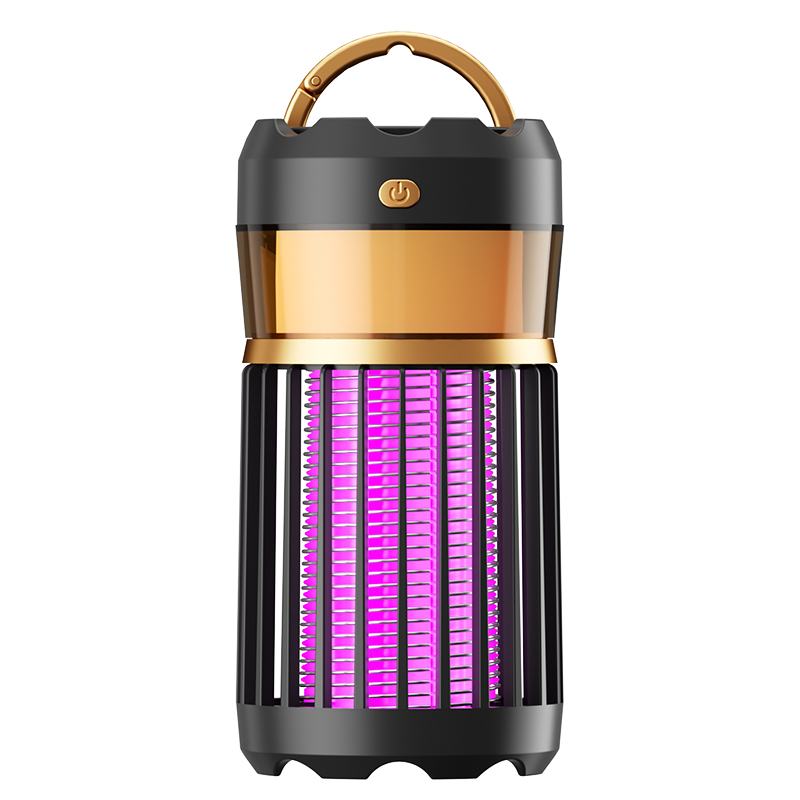
I. First, figure out: Does the UV light from electric mosquito swatters and mosquito traps harm pets?
To determine whether UV light harms pets, we first need to understand the type of UV light emitted by these two devices. Most of them emit UVA (long - wave ultraviolet light), which is similar to the UV light we are exposed to when sunbathing daily. It has a longer wavelength and lower energy, and is significantly different from UVB (medium - wave ultraviolet light) and UVC (short - wave ultraviolet light) that can burn the skin and damage the eyes. However, "low energy" does not mean there is no risk at all. The specific harm depends on the type of device and the contact situation:
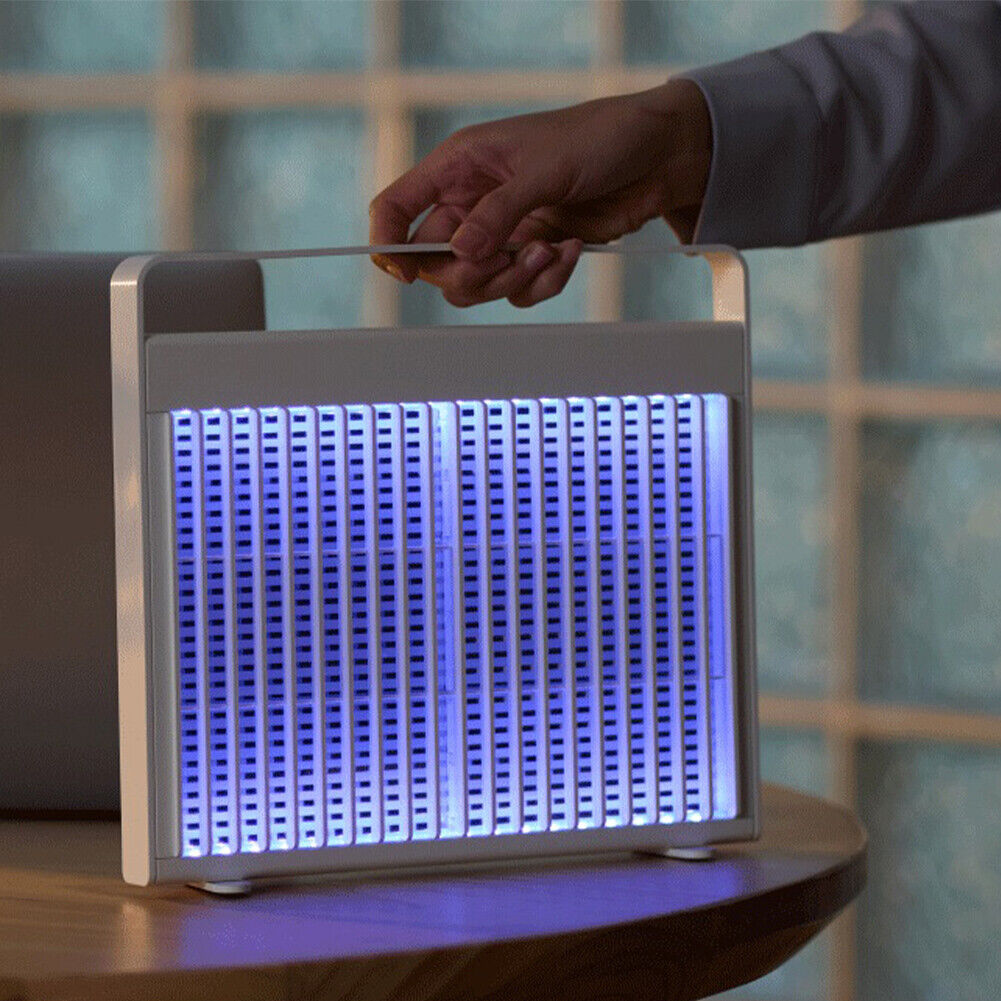
1. Electric mosquito swatters: The risk of direct contact is greater than that of UV light itself
The core function of an electric mosquito swatter is to kill mosquitoes by electrocuting them with a high - voltage grid. UV light only serves as a "bait", and its UV intensity is very weak. Under normal circumstances, even if pets move around it, they will not be harmed by UV radiation. The real risk comes from the high - voltage grid: Some curious pets (for example, cats may paw at it, and dogs may chew it with their mouths) may touch the grid, resulting in electric shock. In mild cases, the pet may withdraw its limbs in shock; in severe cases, it may suffer burns on the mouth and paws, or even experience heart discomfort.
2. Mosquito traps: Long - term close - range exposure has potential risks
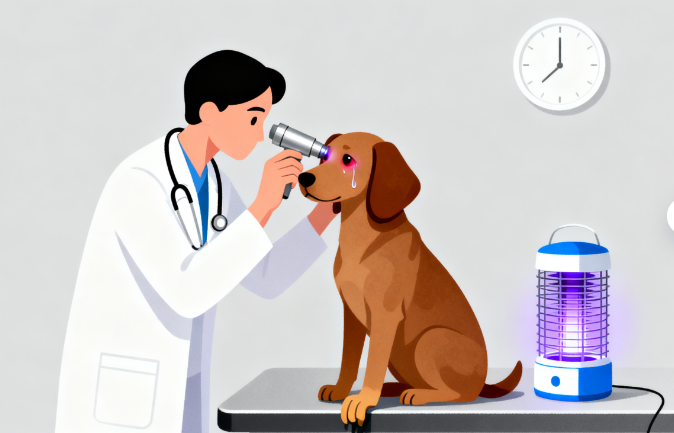
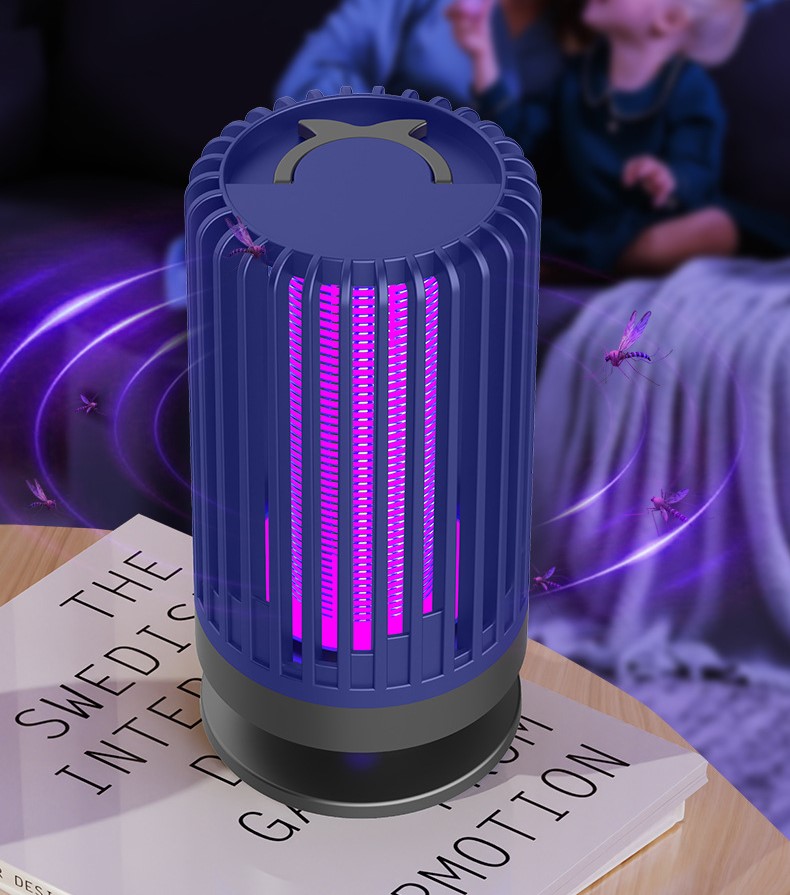
The UV intensity of mosquito traps is slightly higher than that of electric mosquito swatters because they need to attract mosquitoes from a distance using UV light. If a pet stays under or in close proximity (within 1 meter) to a mosquito trap for a long time (such as several hours a day), two problems may occur:
- Eye discomfort: Pets' eyes are more sensitive than humans'. Staring at the UV light source for a long time may cause symptoms such as conjunctival congestion and tearing, and in severe cases, it may even affect the retina.
- Skin irritation: Although UVA has low penetration, if a pet (especially a short - haired or light - colored pet) stays close to the mosquito trap for a long time, the exposed parts of the skin, such as the abdomen and limbs, may experience mild irritation such as dryness and redness.
However, there is no need to panic excessively. As long as pets are not in "long - term and close - range" contact with these devices and only move around them occasionally, the risk is very low.
II. 4 Practical Methods to Protect Pets from the Risks of UV Traps
If you want to repel mosquitoes effectively while protecting your pets' safety, you just need to do the following four things well:
1. Choose the right equipment to reduce risks from the source
When buying a mosquito trap, prioritize styles with "anti - touch design" —— such as those with a mesh shield and grid spacing smaller than the size of a pet's paws/mouth, to prevent pets from directly touching the grid or light source. For electric mosquito swatters, try to choose those with a long handle and a "lock function" for the switch. When not in use, turn off the switch and store it properly to prevent pets from accidentally touching the switch. In addition, avoid buying mosquito traps with excessively high UV intensity (you can check the product parameters; a household mosquito trap with a UVA radiation intensity of less than 50μW/cm² is sufficient, and a higher intensity is unnecessary).
2. Place the equipment properly to reduce the chance of pets coming into contact with it
This is the most crucial step! The placement of mosquito traps and electric mosquito swatters should avoid areas where pets often move:
- Mosquito traps can be hung high up (such as on the ceiling or a wall at a height of more than 1.5 meters) or placed in corners that pets cannot reach (such as the corner of a balcony or above the kitchen cabinet). This way, it will not affect the mosquito - repelling effect and can also prevent pets from touching it.
- When electric mosquito swatters are not in use, they must be stored in drawers, cabinets, or other places that pets cannot open. Never leave them casually on the sofa or floor —— many pets will regard electric mosquito swatters as "toys" and paw at or chew them, which is very likely to cause electric shock.
- Avoid placing mosquito traps near pets' "rest areas" (such as next to cat beds or dog beds) to prevent pets from being exposed to UV light for a long time at close range while sleeping.
3. Control the usage time to avoid long - term exposure of pets
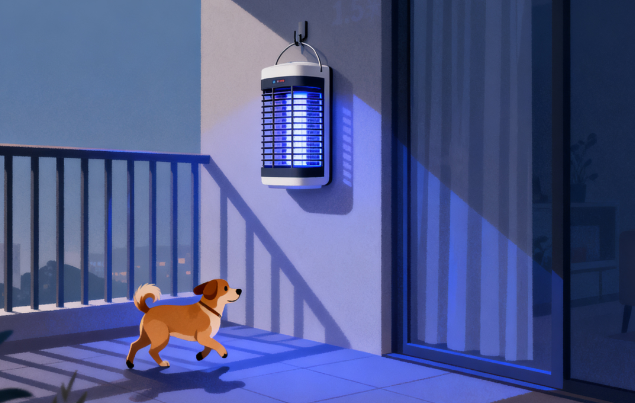
There is no need to keep mosquito traps on 24 hours a day. It is recommended to turn them on during peak mosquito activity periods (such as from 6 pm to 10 pm) and turn them off and store them properly at other times. If your pet is particularly curious and always likes to get close to the mosquito trap, you can also turn on the mosquito trap after the pet goes to bed (such as at night when the pet is in its bed) to reduce the time the pet is exposed to UV light.
4. Pay attention to the pet's condition and detect abnormalities in a timely manner
Pay close attention to the pet's behavior and physical changes in daily life: If you find that the pet always stares at the mosquito trap, frequently paws at the device, or shows symptoms such as tearing, red and swollen paws, or burn marks in the mouth, turn off the device immediately and take the pet away from the area. Mild symptoms usually relieve on their own. If the symptoms persist (such as tearing for more than 1 day or red and swollen skin), take the pet to a veterinary hospital for examination in a timely manner to avoid delaying treatment.
III. Finally, a reminder: There is no need to give up using the devices; scientific use is more important
In fact, electric mosquito swatters and mosquito traps are not "natural enemies" of pets. As long as we choose the right equipment, place them properly, and pay attention to the details of use, we can repel mosquitoes while protecting the safety of our pets. As pet owners, what we need to do is not to "forbid the use" of these devices, but to "use them scientifically" —— after all, reducing mosquito bites in summer not only makes us more comfortable but also prevents pets from being infected with diseases transmitted by mosquitoes (such as heartworm disease transmitted by mosquitoes).
It is hoped that this blog can help you solve the doubts about "UV traps and pet safety" and allow you and your furry friends to spend the summer with peace of mind!
Do UV Rays from Mosquito Traps Harm Eyes
Detailed Explanation of Quality Inspection Process for Electric Mosquito Swatters
Related Article

If you’re struggling with annoying mosquitoes, flies, and other flying pests indoors and outdoors, upgrading from traditional manual tools to anElectric Mosquito Swatter is the most efficient solution. Many homeowners and renters search where to buy fly swatter online to find durable, safe, and high-performance electric models that deliver instant pest control.
Where to Buy Fly Swatter
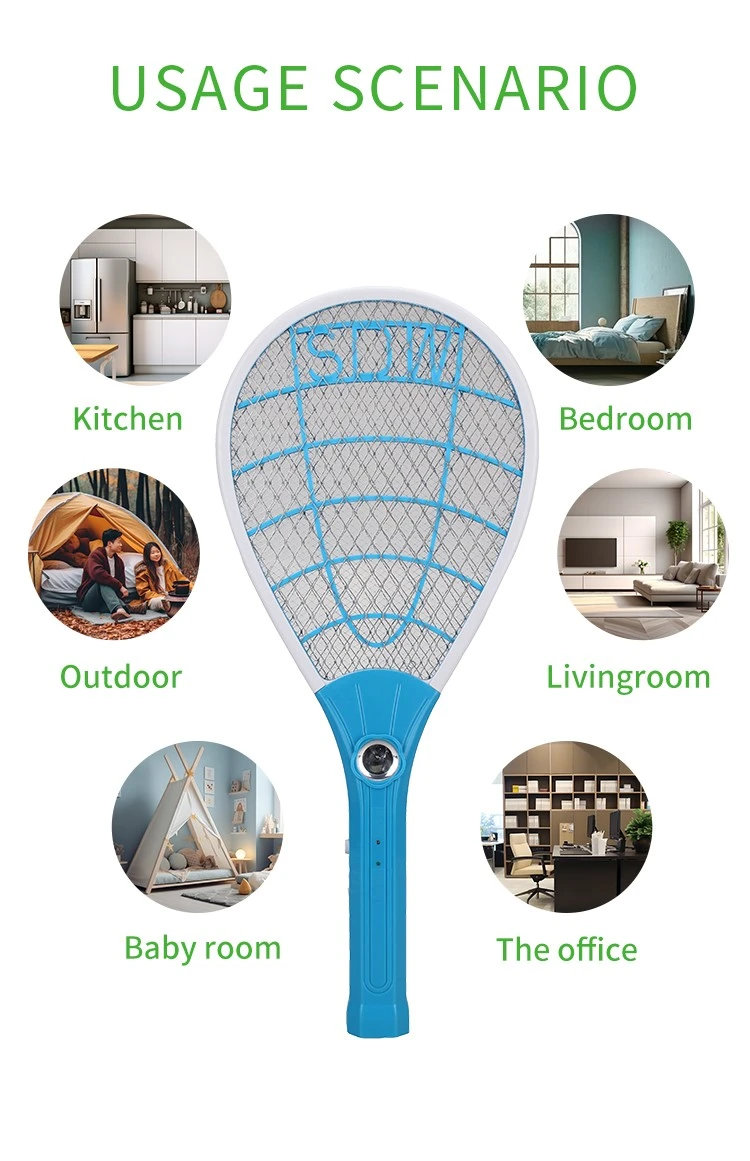
Most importers of electric mosquito swatters obsess over the first order: samples requested, factories vetted, a pre-shipment inspection booked. Then the reorder arrives eight months later and something is off. The grid feels softer. The charge port is a slightly different shade of black. The carton thickness dropped from 350 gsm to 300 gsm. Nothing is catastrophic — but the product no longer matches what your retail customers approved, and quietly, your return rate starts climbing.
How to Keep Mosquito Swatter Quality Consistent Across Repeat Orders
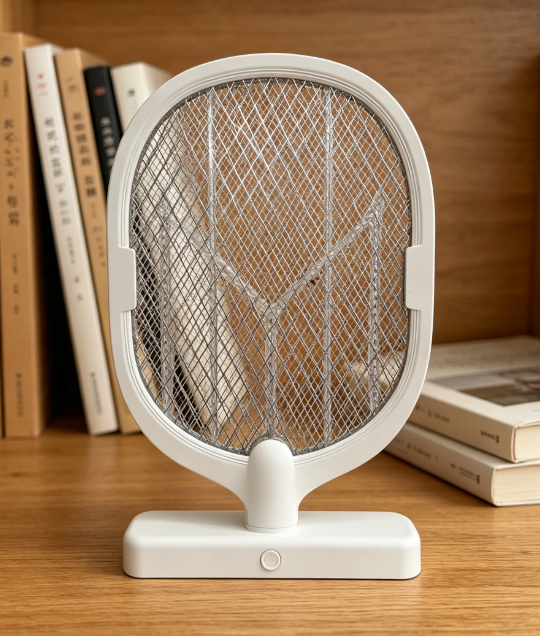
Warranty returns are the silent margin killer in the mosquito control category. A distributor who buys a swatter at $1.80 FOB and retails it at $9.90 can absorb a 1% return rate without noticing — but at 5%, the combined cost of replacement units, reverse logistics, and refund processing erases most of the line's profit.
Common mosquito swatter killer lamp failure modes wholesale spec guide

Digital bathroom scales rank as the second-highest-volume consumer weighing product category, only behind kitchen scales, with distinct market and product characteristics that set them apart from other scale types in importers’ product portfolios.
Digital bathroom body fat-bia-scale wholesale buyers guide