
How to Protect Yourself from Mosquito Bites
2026-05-06
How to Protect Yourself from Mosquito Bites: Practical Tips for a Bite-Free Season
As the weather warms up, mosquitoes become an unavoidable part of outdoor activities—whether you’re gardening, hiking, or simply enjoying a backyard barbecue. Their bites are not only itchy and annoying but can also carry harmful diseases like dengue, Zika, and West Nile virus. The good news is that with the right strategies, you can significantly reduce your risk of being bitten. Below, we’ve rounded up science-backed tips to help you stay protected all season long.
Understand Why Mosquitoes Bite You (It’s Not Random!)
Before diving into protection methods, it’s helpful to know what attracts mosquitoes in the first place. These pests are drawn to certain cues from the human body, making some people more “appealing” than others. Mosquitoes detect their targets using:
-
Carbon Dioxide (CO₂): Every time you exhale, you release CO₂, which acts as a powerful signal for mosquitoes—they can detect it from up to 100 feet away.
-
Body Heat: Mosquitoes are attracted to warm bodies, as it indicates a living host.
-
Sweat and Body Odor: Sweat contains lactic acid, ammonia, and other compounds that mosquitoes find irresistible. People who sweat more (or have a higher metabolic rate) are often more targeted.
-
Dark Clothing: Mosquitoes are visual hunters too—dark colors (black, navy, red) absorb heat and stand out, making you easier to spot.
Knowing these triggers can help you adjust your habits to make yourself less attractive to mosquitoes.
Top Tips to Protect Yourself from Mosquito Bites
1. Use Insect Repellent (The Most Effective Tool)
Insect repellent is the gold standard for mosquito protection, but not all repellents are created equal. Look for products containing one of these active ingredients, which are recommended by the CDC (Centers for Disease Control and Prevention):
-
DEET: The most widely used and effective repellent. Concentrations between 10-30% work well for most situations—higher concentrations (up to 50%) provide longer protection (up to 8 hours).
-
Picaridin: A gentler alternative to DEET, ideal for people with sensitive skin or children. It’s odorless, non-greasy, and effective for 4-6 hours.
-
IR3535: Another mild option, safe for kids and pregnant women. It provides protection for 2-4 hours.
Tips for using repellent correctly: Apply it evenly to all exposed skin (avoiding eyes, mouth, and open wounds). Reapply every 2-4 hours, or more frequently if you’re sweating heavily or swimming. If using sunscreen, apply sunscreen first, then repellent.
2. Dress for Protection
Covering your skin is a simple yet effective way to block mosquito bites. Opt for loose-fitting, long-sleeved shirts and long pants made from lightweight, breathable fabrics (like cotton or linen) to stay cool while protected. Light-colored clothing is also better, as it reflects heat and is less attractive to mosquitoes.
For extra protection, consider clothing treated with permethrin—a chemical that repels and kills mosquitoes. Permethrin-treated clothing can last through multiple washes and provides long-lasting protection without needing to reapply.
3. Avoid Mosquito Hotspots and Peak Activity Times
Mosquitoes thrive in warm, humid environments with standing water—their breeding grounds. To reduce your exposure:
-
Stay indoors during dawn and dusk, when mosquitoes are most active (many species are most active at these times).
-
Avoid areas with standing water, such as ponds, marshes, stagnant pools, birdbaths, and even puddles. If you have standing water in your yard (e.g., in flower pots, gutters, or buckets), empty it regularly to prevent mosquito larvae from growing.
-
When outdoors, stay in well-ventilated, shaded areas—mosquitoes prefer still, humid spaces.
4. Use Physical Barriers at Home
Keep mosquitoes out of your home with these simple steps:
-
Install or repair window screens and door screens to keep mosquitoes from flying inside.
-
Use bed nets (especially if you live in an area with mosquito-borne diseases). For maximum protection, choose a net treated with permethrin and tuck it tightly under your mattress.
-
Use fans outdoors—mosquitoes are weak fliers, and a strong breeze can keep them away from your seating area.
5. Protect Children and Pets
Children and pets are also vulnerable to mosquito bites, so take extra care to protect them:
-
For children under 2 months old: Do NOT use insect repellent. Instead, dress them in long sleeves and pants, and use a mosquito net over their stroller or playpen.
-
For children over 2 months old: Use a gentle repellent (like picaridin or IR3535) with a low concentration (10% or less).
-
For pets: Use vet-recommended mosquito repellents (do NOT use human repellent on pets, as DEET can be toxic to them). Keep your pet’s water bowls clean and empty standing water in your yard to reduce breeding.
What to Do If You Get Bitten
Even with the best protection, you might still get a mosquito bite. Here’s how to relieve the itch and prevent infection:
-
Wash the bite area with soap and water to clean it.
-
Apply a cold compress (like a wet cloth or ice pack) for 10-15 minutes to reduce swelling and itching.
-
Use an over-the-counter anti-itch cream (like hydrocortisone) or calamine lotion to soothe the itch.
-
Avoid scratching the bite—scratching can break the skin and lead to bacterial infection.
If you experience severe swelling, redness, or symptoms like fever, headache, or body aches after a bite, consult a doctor—these could be signs of a mosquito-borne illness.
Final Thoughts
Protecting yourself from mosquito bites doesn’t have to be complicated. By combining insect repellent, proper clothing, and smart habits, you can enjoy the outdoors without the annoyance (and risk) of bites. Remember, the key is consistency—even small changes (like emptying standing water or wearing light-colored clothes) can make a big difference. Stay safe, and enjoy your bite-free season!
How to Get Rid of Mosquito Bites Overnight
What Happens If a Human Touches a Bug Zapper Racket
Related Article

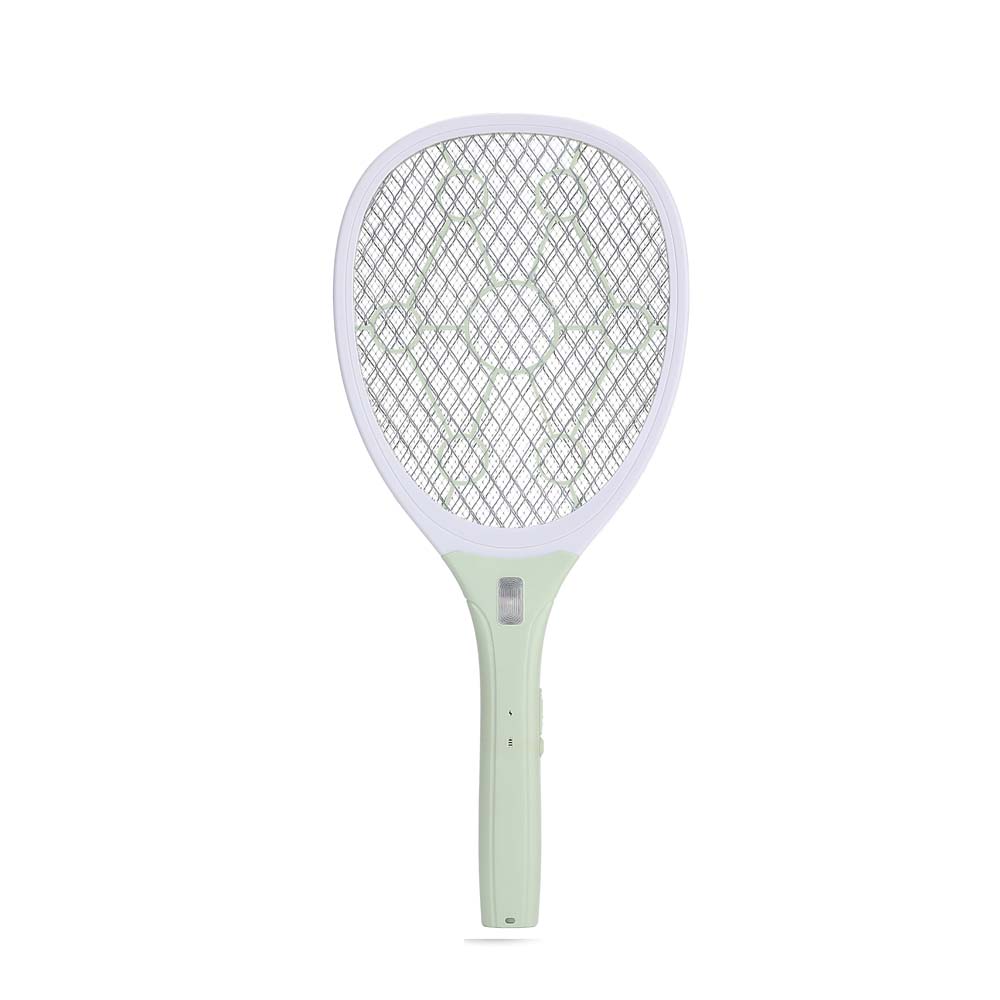
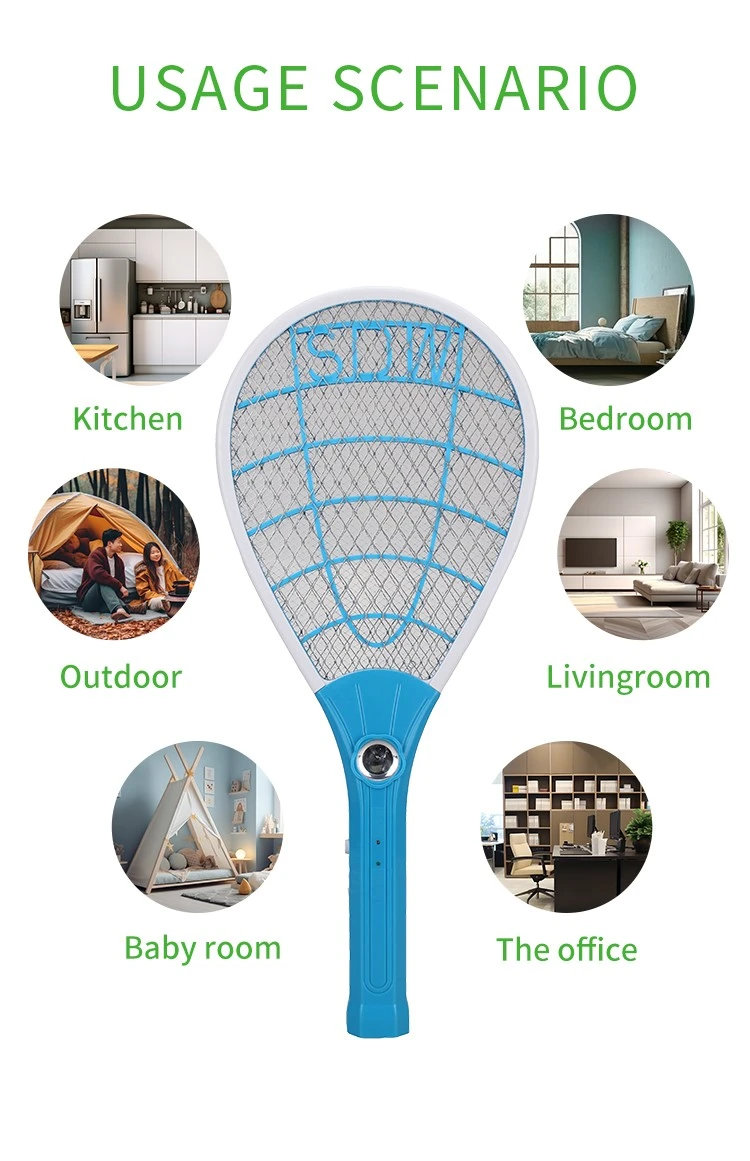
If you’re struggling with annoying mosquitoes, flies, and other flying pests indoors and outdoors, upgrading from traditional manual tools to anElectric Mosquito Swatter is the most efficient solution. Many homeowners and renters search where to buy fly swatter online to find durable, safe, and high-performance electric models that deliver instant pest control.
Where to Buy Fly Swatter
Most importers of electric mosquito swatters obsess over the first order: samples requested, factories vetted, a pre-shipment inspection booked. Then the reorder arrives eight months later and something is off. The grid feels softer. The charge port is a slightly different shade of black. The carton thickness dropped from 350 gsm to 300 gsm. Nothing is catastrophic — but the product no longer matches what your retail customers approved, and quietly, your return rate starts climbing.
How to Keep Mosquito Swatter Quality Consistent Across Repeat Orders
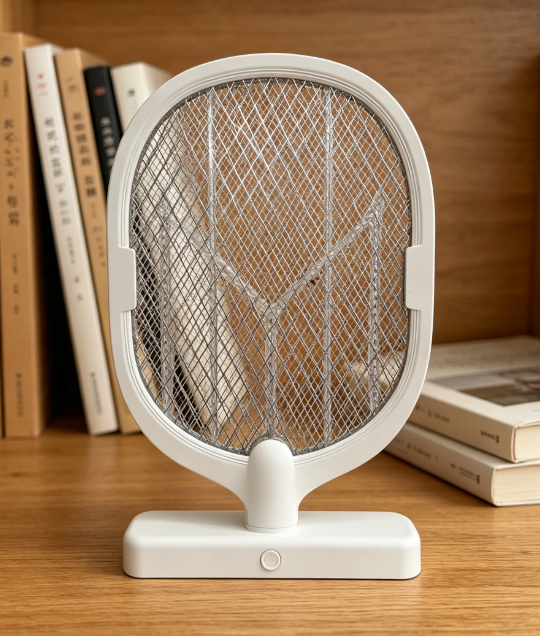
Warranty returns are the silent margin killer in the mosquito control category. A distributor who buys a swatter at $1.80 FOB and retails it at $9.90 can absorb a 1% return rate without noticing — but at 5%, the combined cost of replacement units, reverse logistics, and refund processing erases most of the line's profit.
Common mosquito swatter killer lamp failure modes wholesale spec guide

Digital bathroom scales rank as the second-highest-volume consumer weighing product category, only behind kitchen scales, with distinct market and product characteristics that set them apart from other scale types in importers’ product portfolios.
Digital bathroom body fat-bia-scale wholesale buyers guide