
How to Reduce Mosquito Control Costs
2025-09-05
How to Reduce Mosquito Control Costs? 4 Dimensions for "Low-Cost and Effective Mosquito Control"
Many people think that effective mosquito control will cost a lot of money. However, as long as you grasp the core principle of "prevention first, choosing tools on demand, and recycling resources", you can avoid blind investment and solve mosquito problems with the least amount of money. The following provides specific and actionable methods from 4 key dimensions:
I. Source Prevention: Reducing Mosquito Breeding at the Root (Zero Cost/Low Cost)
Mosquitoes rely entirely on stagnant water for breeding. Cutting off their breeding chain is the lowest-cost and longest-lasting effective method, which can significantly reduce subsequent investment in mosquito control.
1. Removing Stagnant Water (Key Step)
- Core Actions: Check your home and surrounding environment thoroughly at least once a week to remove all containers that may hold stagnant water, including:
- Water in idle flower pot saucers, waste plastic bottles/cans, and the bottom of trash bins;
- Water in air conditioner outdoor unit drip pans, waste water after fish tank water changes, and residual water in bathroom floor drains;
- Stagnant water in balcony corners and pet water bowls (replace with fresh water daily).
- Handling Special Cases: For stagnant water that cannot be drained (such as large decorative pools or water storage basins), you can add larvicides (e.g., Bacillus thuringiensis israelensis, abbreviated as BTI). A bottle costing approximately $1.41-$2.82 can be used for 1-2 months, which can specifically kill mosquito larvae in water and prevent adult mosquitoes from breeding. (Note: Exchange rate reference: 1 USD ≈ 7.11 CNY, the same below.)
2. Physical Barriers: Preventing Mosquitoes from Entering the Room
- Installing Window Screens/Door Screens: A one-time investment of approximately $4.22-$7.04 per screen can last for 2-3 years, fundamentally blocking mosquitoes from entering and reducing the need for indoor mosquito control. For damaged old screens, temporarily repair them with yarn, tape, or replace only the screen mesh (costing only about $1.41-$2.82) instead of replacing the entire screen.
- Light Protection: Close doors and windows when turning on lights at night, or use a combination of "lights + screens" to prevent outdoor mosquitoes from being attracted by the light.
II. Choosing Low-Cost Mosquito Control Tools: Reject "Function Premiums", Only Select "Practical Models"
There is no need to pursue high-end intelligent products. Basic tools can already meet daily needs at very low costs. Specific selection references are as follows:
| Tool Type | Recommended Low-Cost Options | Price Range | Advantages & Usage Tips | Service Life |
|---|---|---|---|---|
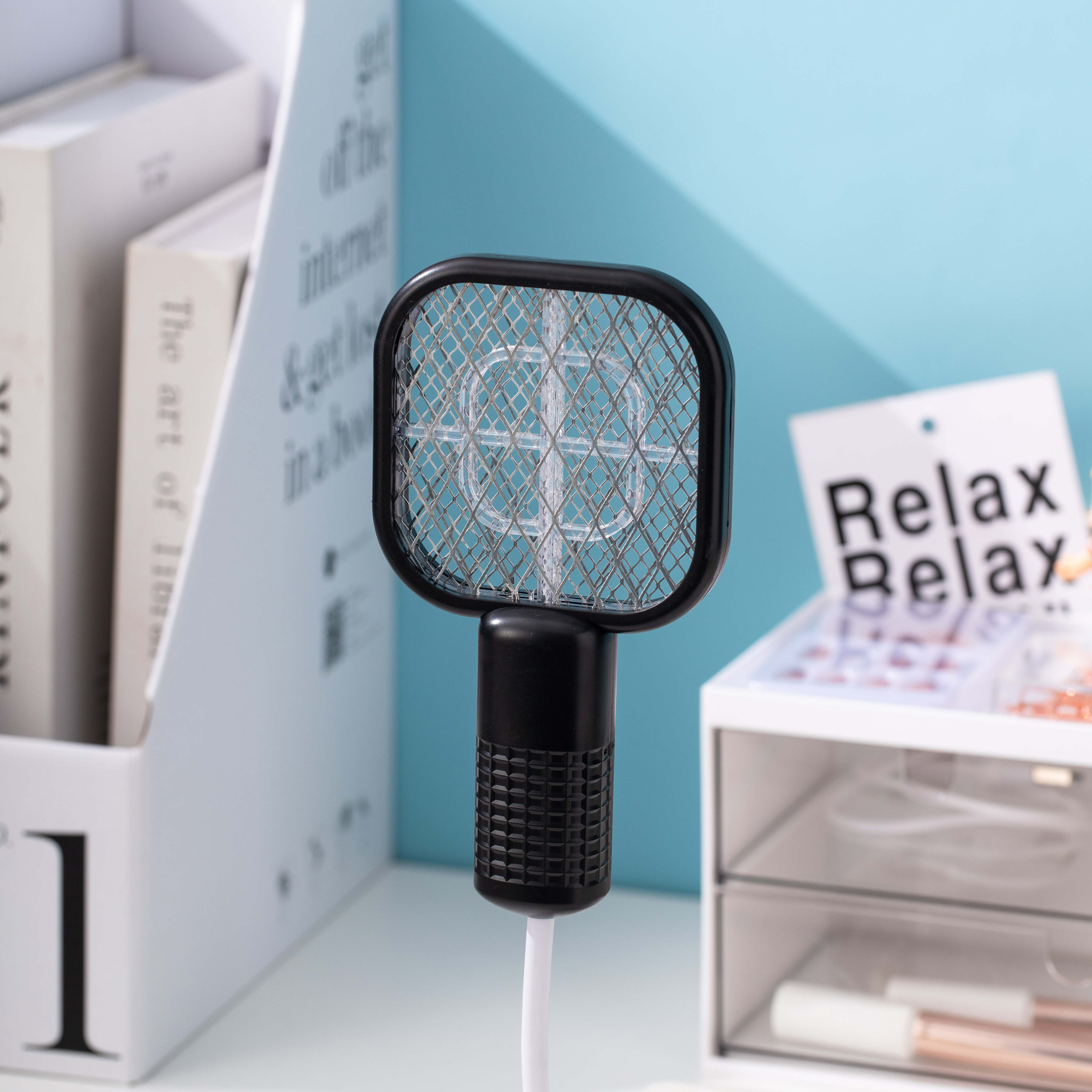
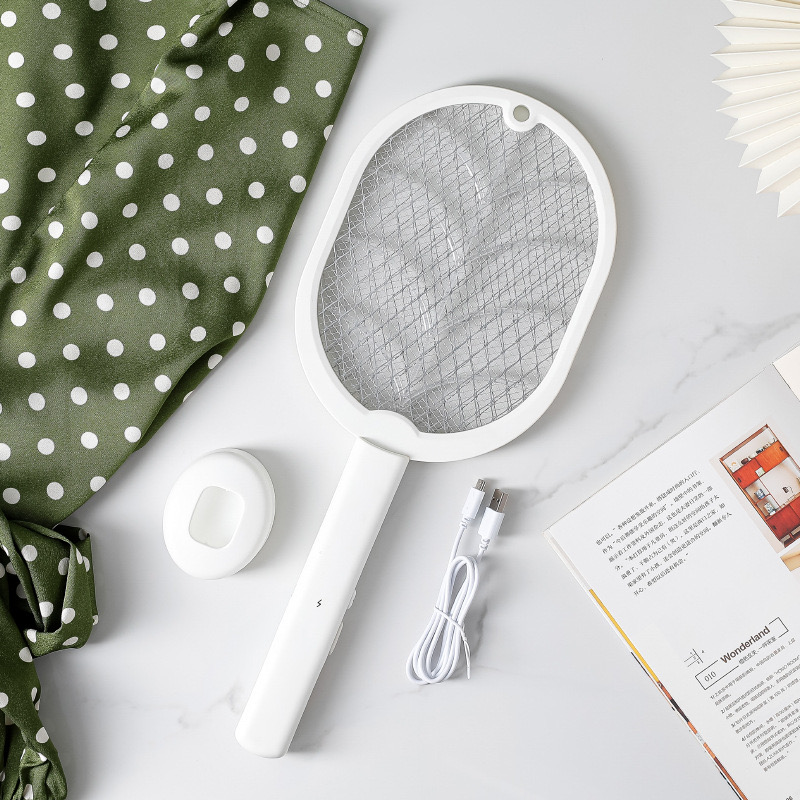
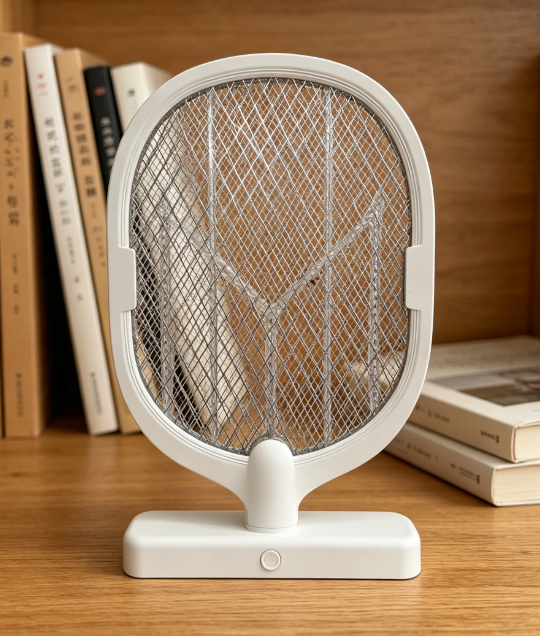
| Electric Mosquito Swatter | Basic model (only with electric shock + purple light mosquito attraction functions) | $2.82-$5.63 | Prioritize lithium battery models (longer battery life than lead-acid batteries); avoid premium functions such as "automatic induction" and "digital display"; must be certified with 3C (to ensure safety in use). | 1-2 years |
| Mosquito Trap | Physical mosquito trap (no chemicals, only fan suction) | $4.22-$8.44 | Place it in a corner of the room (away from humans and other lights) and turn it on at night; there is no need to buy multi-mode models with "ultraviolet + light waves"—basic models are sufficient for mosquito trapping. | 2-3 years |
| Chemical Mosquito Repellents | Bottled insecticide spray (universal type), solid mosquito coils | $0.70-$2.11 | Choose low-toxicity formulas containing "permethrin" or "beta-cypermethrin"; focus on spraying the insecticide on door and window gaps and wall corners; solid mosquito coils are more cost-effective than electric mosquito-repellent liquid (a box of 10 coils costs only about $0.70 and can be used for 10 nights). | 1-2 months |
| Physical Traps | Homemade sugar water traps, mosquito sticky paper | $0-$0.70 | Homemade trap: Fill a bowl with sugar water and add a few drops of detergent (to reduce water surface tension, so mosquitoes die once they fall into the water) with almost zero cost; mosquito sticky paper costs about $0.70 for 10 sheets, which can be pasted on walls where mosquitoes frequently appear (e.g., kitchen, balcony). | 1-2 weeks |
III. Reusing and Maintaining Tools: Extending Service Life and Reducing Repeated Purchases
Proper maintenance of tools can greatly extend their service life and avoid additional expenses from frequent replacements.
1. Maintaining Electric Mosquito Swatters
- Cleaning: Do not rinse the grid with water; if there is dust, gently clean it with a dry brush;
- Battery Protection: Charge the swatter in time after the battery is exhausted (avoid over-discharging); charge it once every 1-2 months when not in use to extend battery life;
- Handling Damage: If the grid is slightly damaged but does not affect safety, it can still be used; if the shell or grid is damaged, purchase replacement parts separately (costing less than about $1.41) instead of replacing the entire swatter.
2. Cleaning Mosquito Traps
Wipe the mosquito collection box with a tissue every week to remove mosquito corpses, preventing blockage of the air inlet and reduction of trapping efficiency (do not wash with water to avoid moisture damage to internal circuits).
3. Reusing Containers
- Bowls used for sugar water and waste plastic bottles can be reused (only need to replace the sugar water each time);
- Empty insecticide spray bottles can be cleaned and refilled with water for daily cleaning (e.g., wiping tables, watering plants) to avoid waste.
IV. Optimizing Habits: Using "Smart Ways" to Reduce Mosquito Control Needs
By adjusting daily habits, you can reduce the chance of contact with mosquitoes and further lower mosquito control costs.
1. Avoiding Peak Mosquito Activity Periods
- Mosquitoes (e.g., Aedes mosquitoes) are most active from 6:00 to 8:00 in the morning and 18:00 to 20:00 in the evening. Try to minimize outdoor activities during these times;
- If you must go out, wear long-sleeved clothes and long pants (cheaper than using mosquito repellent and free of chemical residues).
2. Controlling Indoor Lighting
- Use warm white lights as much as possible at night (mosquitoes are more sensitive to cool white lights);
- If cool white lights are used, hang a dark cloth next to the lamp to reduce light diffusion and the number of mosquitoes attracted.
3. Using Natural Predators
- Raise goldfish or fighting fish at home (they can eat mosquito larvae in water);
- Plant mint or mosquito-repellent plants on the balcony (they have a mild mosquito-repellent effect, require no additional cost, and can also beautify the environment).
Summary: A "Combination Strategy" for Low-Cost Mosquito Control
Follow the steps below, and the overall cost can be controlled within approximately $1.41 per month while effectively reducing mosquitoes in the long term:
Step 1: First conduct source control (remove stagnant water + install/repair screens) → Step 2: Equip with basic tools (basic electric mosquito swatter + mosquito sticky paper/homemade sugar water trap) → Step 3: Optimize habits and maintain tools
With this combination, you can avoid frequent purchases of high-priced products and reduce additional expenses caused by mosquito bites (e.g., buying medicine), achieving "low-cost and effective mosquito control".
Step 1: First conduct source control (remove stagnant water + install/repair screens) → Step 2: Equip with basic tools (basic electric mosquito swatter + mosquito sticky paper/homemade sugar water trap) → Step 3: Optimize habits and maintain tools
With this combination, you can avoid frequent purchases of high-priced products and reduce additional expenses caused by mosquito bites (e.g., buying medicine), achieving "low-cost and effective mosquito control".
What effects do mosquito repellents have on the human body and the environment
Why Is There a Huge Price Gap in Electric Mosquito Swatters
Related Article

If you’re struggling with annoying mosquitoes, flies, and other flying pests indoors and outdoors, upgrading from traditional manual tools to anElectric Mosquito Swatter is the most efficient solution. Many homeowners and renters search where to buy fly swatter online to find durable, safe, and high-performance electric models that deliver instant pest control.
Where to Buy Fly Swatter
Most importers of electric mosquito swatters obsess over the first order: samples requested, factories vetted, a pre-shipment inspection booked. Then the reorder arrives eight months later and something is off. The grid feels softer. The charge port is a slightly different shade of black. The carton thickness dropped from 350 gsm to 300 gsm. Nothing is catastrophic — but the product no longer matches what your retail customers approved, and quietly, your return rate starts climbing.
How to Keep Mosquito Swatter Quality Consistent Across Repeat Orders
Warranty returns are the silent margin killer in the mosquito control category. A distributor who buys a swatter at $1.80 FOB and retails it at $9.90 can absorb a 1% return rate without noticing — but at 5%, the combined cost of replacement units, reverse logistics, and refund processing erases most of the line's profit.
Common mosquito swatter killer lamp failure modes wholesale spec guide

Digital bathroom scales rank as the second-highest-volume consumer weighing product category, only behind kitchen scales, with distinct market and product characteristics that set them apart from other scale types in importers’ product portfolios.
Digital bathroom body fat-bia-scale wholesale buyers guide