
How to Register and Defend Your Mosquito Swatter Brand in 2026
2026-09-14
How to Register and Defend Your Mosquito Swatter Brand in 2026: USPTO, EUIPO, and Amazon Brand Registry 2.0 Filing Strategy
Chinese OEM factories can easily print your custom logo on mosquito swatter handles, but they cannot secure legal trademark registration for your brand. This critical distinction — a registered legal trademark versus a mere printed logo — separates ordinary wholesale importers from legitimate brand owners. In 2026, this gap brings tangible business consequences across major global sales and customs platforms.
Amazon Brand Registry 2.0 mandates a fully registered trademark for every active sales marketplace. EU customs will reject anti-counterfeit recordals without a valid EU or national class-specific trademark. Meanwhile, mainstream retail platforms including Walmart, Target, Shopify and Latin American marketplaces have unified brand verification rules, all taking a registered principal trademark as the core prerequisite. For mosquito swatter cross-border sellers, trademark registration is no longer an optional upgrade, but a must-have foundation for sustainable operations.
Why Trademark Strategy Is No Longer Optional for Swatter Importers
Three core industry shifts since 2023 have forced importers to prioritize formal trademark layout, eliminating the feasibility of passive brand protection:
1. Updated Amazon Brand Registry 2.0 Rules: Launched in May 2023, the new system only accepts fully registered trademarks, not pending applications. Unregistered USPTO filings and standalone WIPO Madrid designations are no longer valid for Amazon storefronts in Mexico, Japan and other regional sites, cutting off the shortcut of pending trademark authorization.
2. Strengthened EU Customs Anti-Counterfeit Enforcement: The 2016 EU anti-counterfeit regulation (608/2013) received enhanced implementation guidance in 2024. Brand owners with valid EUTM or national trademarks now have stronger legal standing to seize infringing swatter shipments at major EU ports including Rotterdam, Hamburg and Piraeus.
3. Rising Costs of Passive Rights Protection: Passive anti-infringement measures have become increasingly costly. A single Amazon test-purchase and takedown process for an infringing ASIN costs $400–$800. According to 2025 Marketplace Pulse data and Amazon Best Seller Rank analysis, unbranded parallel-import mosquito swatters account for 12–18% of U.S. sub-category listings, causing continuous market share and profit erosion for formal sellers.
For importers targeting the U.S., EU and UK markets, the 2026 budget for trademark filing and attorney fees (before branded container shipment) ranges from $4,500–$7,500. For brands focusing on the U.S. plus three EU countries, the comprehensive budget is $6,000–$9,500.
2026 Trademark Office Comparison: USPTO, EUIPO, UKIPO, WIPO & CNIPA
Five mainstream trademark offices cover 95% of cross-border filing demands for mosquito swatter brands. The following table summarizes 2026 official fees, attorney service costs, registration cycles and key risk points for first-time filers, providing a clear basis for budget and strategy planning.
|
Trademark Office
|
Filing fee (1 class)
|
Attorney / agent (typical)
|
Time to registration
|
Key Watchpoint
|
|---|---|---|---|---|
|
USPTO (US)
|
USD 350 per class (TEAS Standard)
|
USD 600–1,200
|
8–14 months (2026 backlog)
|
Specimen of use required at filing (Section 1(a)) or via §8 declaration between months 6 and 12 for Section 1(b)
|
|
EUIPO (EU 27)
|
EUR 850 base + EUR 50/class above 1
|
EUR 600–1,000
|
4–6 months if no opposition
|
Non-EU applicants must designate a representative; failure to do so invalidates the filing date
|
|
UKIPO (UK)
|
GBP 200 (1 class)
|
GBP 400–700
|
6–8 months
|
Post-Brexit independent system, separate from EU; mandatory for UK Amazon storefront and Tesco market entry
|
|
WIPO Madrid (≥5 countries)
|
CHF 653 base + CHF 100/designation + national fees
|
USD 1,500–3,000
|
12–18 months
|
Central attack risk: invalidation of the basic mark will cascade to all Madrid designations
|
|
CNIPA (China, defensive)
|
CNY 270 base + CNY 80/class
|
USD 800–1,500
|
7–9 months
|
Blocks Chinese factory trademark squatting; recommended for brands with 24+ month market operation plans
|
For beginner importers with an annual revenue of $200,000–$800,000, the optimal first-year filing combination is USPTO + EUIPO + UKIPO. WIPO Madrid is only cost-effective for brands covering 5+ target countries or those needing coordinated multi-country filings. Defensive CNIPA registration is highly recommended for brands with annual revenue over $500,000 or customized mold production needs.
Nice Classification: Correct Trademark Classes for Mosquito Swatter Brands
Mosquito swatters, bug zappers and supporting products involve three core Nice Classification classes. Most first-time filers only register Class 21, leading to incomplete brand protection and legal loopholes. The detailed class definitions are as follows:
Class 09 (Mandatory for electric products): Covers USB rechargeable electric swatters, UV LED electric insect traps, motor-driven bug zappers and electronic weighing scales. This class is compulsory for all swatters equipped with USB-C charging circuits or lithium-ion batteries.
Class 21 (Basic product coverage): Includes manual mosquito swatters, non-electric household insect traps, and logo usage on product handles and retail packaging. It is the basic class for mosquito swatter brand registration.
Class 35 (Service coverage, recommended): Applies to online retail, wholesale and brand store operation services for insect control products. Suitable for importers operating Amazon brand stores, B2B portals and independent Shopify stores.
The marginal cost of supplementary class registration is extremely low: USPTO charges $350 per additional class, and EUIPO charges EUR 50 per extra class after the first. Compared with the losses caused by incomplete brand protection, the additional filing fee is negligible.
Three Critical Traps Leading to Trademark Rejection & Opposition
Most trademark registration failures for mosquito swatter brands stem from three avoidable mistakes. Mastering these risk points can help importers save thousands of dollars in invalid application costs:
Trap 1: Generic or descriptive brand names Marks such as BugZapPro, NoMoreMosquito and EcoSwatter are directly descriptive of product functions and attributes, and will be rejected by USPTO (Lanham Act Section 2(e)) and EUIPO (EUTMR Article 7(1)(c)). To pass review, add distinctive arbitrary elements, including coined words, unique geographic terms or exclusive surnames.
Trap 2: Missing use specimens or non-use cancellation For USPTO intent-to-use filings (Section 1(b)), sellers must submit valid U.S. commercial use proof within 6–12 months after registration. EU trademarks will face cancellation if not used in any EU country for five consecutive years. Filing trademarks without ready-to-sell SKUs will lead to additional legal remedy costs.
Trap 3: Conflicting prior trademarks Major Chinese mosquito swatter manufacturers have already registered or filed trademarks in Class 09 and Class 21. A pre-filing clearance search across USPTO TESS, EUIPO eSearch and Common Status Desktop takes only 90 minutes and can avoid $2,000+ wasted application fees for similar mark conflicts.
Amazon Brand Registry 2.0: 2026 Enrollment Rules & Activation Guide
Successful Brand Registry 2.0 enrollment unlocks core Amazon operation privileges, including A+ Content, Sponsored Brands ads, Brand Analytics, exclusive brand store pages and Project Zero anti-counterfeit tools. The official 2026 enrollment prerequisites are clear and standardized:
-
A fully registered trademark on the official principal register corresponding to the target marketplace
-
Complete trademark information in application: mark type, image, registration country, registration number and issuing office
-
Active brand presence on Amazon sales channels, with valid UPC/EAN codes matched to branded product pages
In 2026, USPTO registration takes 8–14 months, meaning U.S. Brand Registry activation is usually 9–12 months behind Q4 order placement. For sellers eager to unlock platform privileges, a feasible workaround is to prioritize registration in Canada (CIPO, 4–6 months) or the UK (UKIPO, 6–8 months) to activate Brand Registry in advance during USPTO approval.
Cross-Border Brand Enforcement: Customs Recordals & Marketplace Protection
Trademark registration alone cannot block infringement. A complete 2026 cross-border brand protection system requires layered enforcement layout:
1. EU Customs Recordal: Filed via EUIPO eRecording platform, costing EUR 200 for the first class and EUR 100 for each additional class. Valid for 5 years, activated within 30 days, enabling EU-wide customs seizure of infringing goods.
2. U.S. CBP Recordal: $190 per trademark, mandatory for obtaining goods seizure authority at all U.S. ports of entry, blocking counterfeit swatter imports at the source.
3. Marketplace Infringement Takedown: Amazon, Walmart, eBay, Mercado Libre and Shopify all support trademark-based infringement complaints. Valid registration numbers and infringing ASIN samples are the core complaint credentials.
4. Defensive CNIPA Registration: A $1,200 defensive filing in China effectively prevents factory-side trademark squatting, the top cause of forced brand rebranding for cross-border importers.
2026 Mosquito Swatter Brand Trademark Strategy Summary
For mosquito swatter cross-border sellers in 2026, brand competitiveness depends more on standardized trademark layout than excessive marketing investment. The core actionable strategies are as follows:
Set trademark investment budget at 2–3% of the first-year forecast revenue; file trademarks in 2–3 core markets simultaneously; complete Amazon Brand Registry qualification before the second batch of goods is shipped; and launch defensive CNIPA registration once you confirm a 24+ month long-term OEM cooperation with Chinese factories.
For sellers advancing trademark registration and OEM mold development in parallel, professional OEM programs with brand protection mechanisms can unify mold ownership, packaging copyright and barcode allocation, ensuring coordinated progress of brand authorization and production schedules.
Is Mosquito Incense Effective
Where Do Mosquitoes Thrive the Most
Related Article
A standardized Request for Quotation (RFQ) consolidates scattered mosquito swatter quotes into a unified comparison matrix, including specification charts, cost breakdowns, and risk inspection checkpoints, enabling efficient and accurate procurement comparison.
Mosquito Swatter RFQ Template
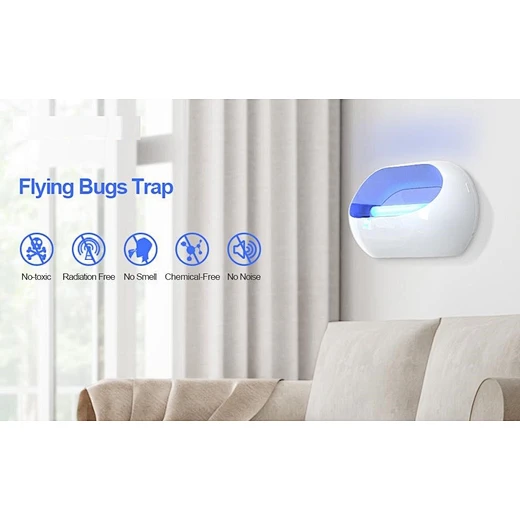
High temperature and humid environments in summer easily lead to mosquito breeding. Mosquito killers are widely adopted physical mosquito control devices in household and office scenarios. There is a prevalent misconception that mosquito traps only work at night and are ineffective during the day. Scientifically speaking, this assertion is inaccurate.
Can Mosquito Killers Only Be Used at Night
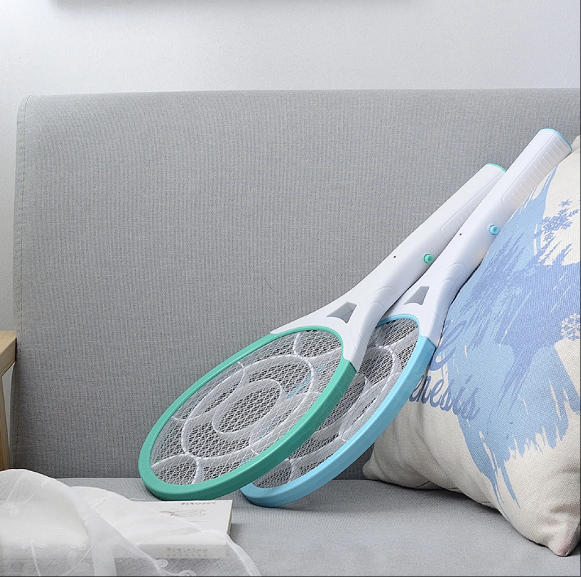
If you’re struggling with annoying mosquitoes, flies, and other flying pests indoors and outdoors, upgrading from traditional manual tools to anElectric Mosquito Swatter is the most efficient solution. Many homeowners and renters search where to buy fly swatter online to find durable, safe, and high-performance electric models that deliver instant pest control.
Where to Buy Fly Swatter
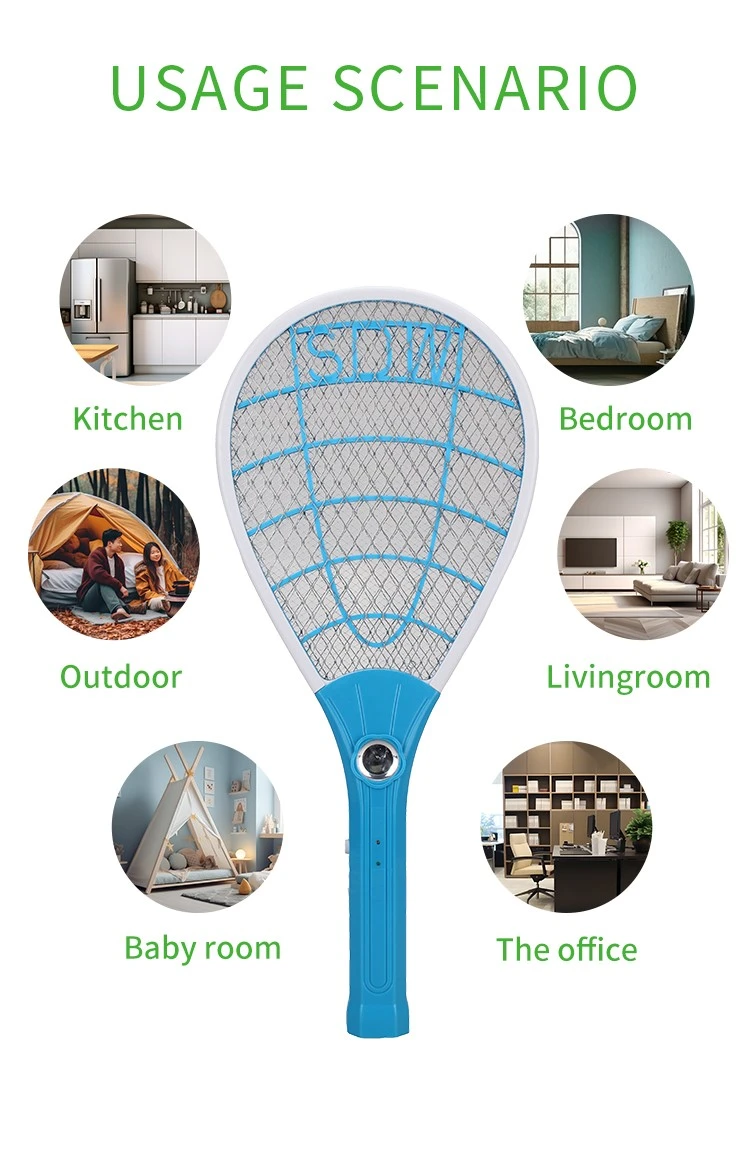
Most importers of electric mosquito swatters obsess over the first order: samples requested, factories vetted, a pre-shipment inspection booked. Then the reorder arrives eight months later and something is off. The grid feels softer. The charge port is a slightly different shade of black. The carton thickness dropped from 350 gsm to 300 gsm. Nothing is catastrophic — but the product no longer matches what your retail customers approved, and quietly, your return rate starts climbing.
How to Keep Mosquito Swatter Quality Consistent Across Repeat Orders