
Mosquito Swatter RFQ Template
2026-10-29
Mosquito Swatter RFQ Template: Comparable Supplier Quotation Guidelines
A standardized Request for Quotation (RFQ) consolidates scattered mosquito swatter quotes into a unified comparison matrix, including specification charts, cost breakdowns, and risk inspection checkpoints, enabling efficient and accurate procurement comparison.
A buyer sent an identical two-line inquiry email to eight suppliers: “Please quote FOB Shenzhen unit price for 5,000 pieces of rechargeable electric mosquito swatters.” Within one week, six suppliers responded with prices ranging from USD 1.86 to USD 3.42 per unit. The procurement manager assumed the market was highly fragmented and disordered.
This assumption is incorrect. The significant price gap stems entirely from specification differences rather than market chaos. One quotation covers a 1,200 mAh lithium battery and a double-layer grid, while another includes a 2,000 mAh battery, triple-layer mesh, printed color box, and 5V/1A power adapter. Some quotations correspond to conceptual products with no formal mass-production standards. Direct price-only comparison will either lead to overpaying for low-spec products or accepting unfulfillable low-price orders, resulting in unnecessary procurement losses.
This problem can be solved with just an afternoon of standardization work. A well-structured RFQ is the most cost-effective risk control tool for small appliance sourcing — far cheaper than product inspections and after-sales claim settlements.
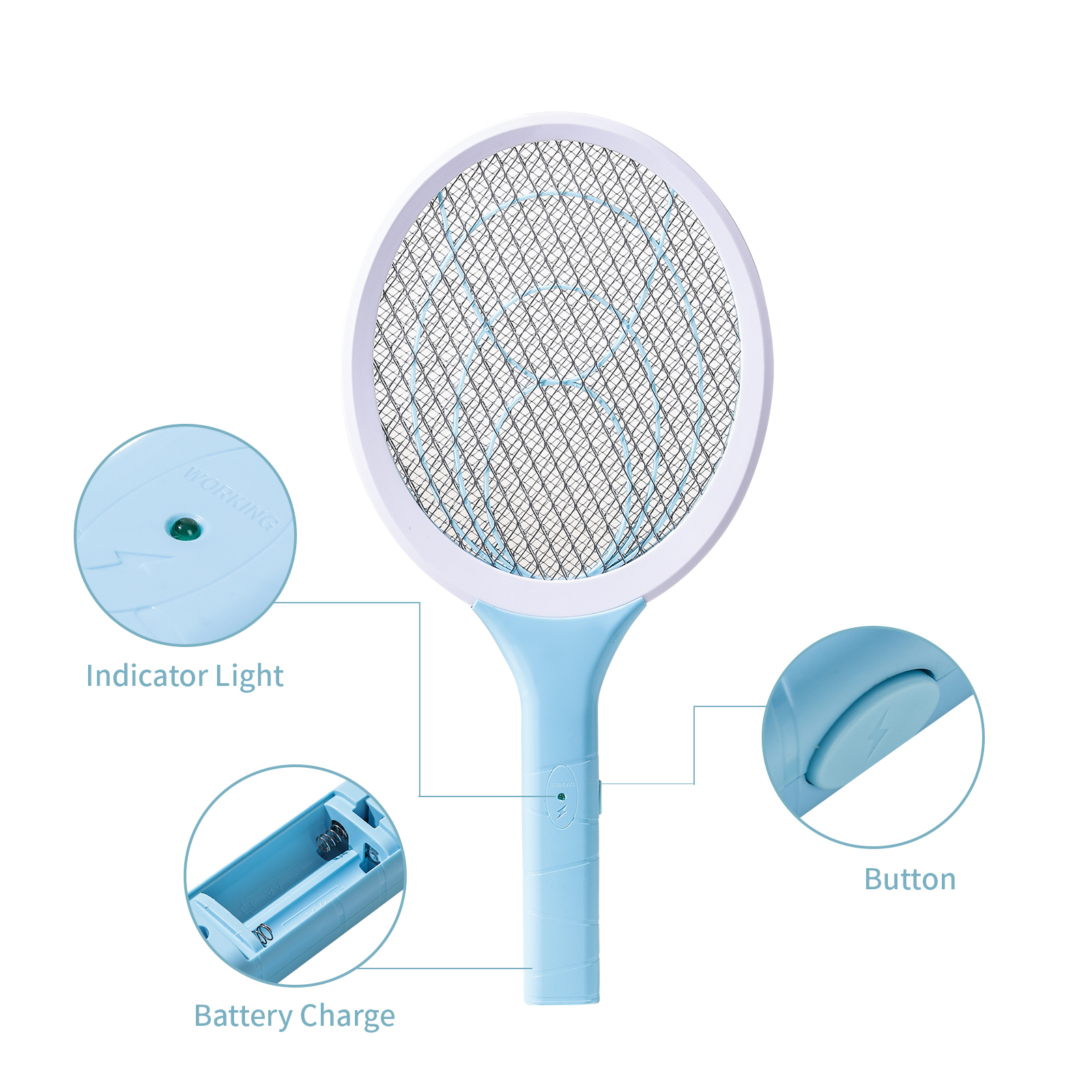
Why Do “Identical” Mosquito Swatter Quotes Vary by 40%?
For handheld rechargeable mosquito swatters with FOB prices between USD 2 and USD 3, four core parameters account for nearly all supplier price discrepancies:
-
Battery: Branded 2,000 mAh 18650 lithium cell with protection board versus unbranded 1,200 mAh cell creates a unit cost difference of USD 0.25–0.32, with vastly different field failure rates.
-
Grid & Mesh: Cost varies by USD 0.07–0.11 between double-layer and triple-layer zinc-coated steel mesh, as well as configurations with or without an outer safety mesh.
-
Packaging: Poly bag and ordinary mailer packaging versus customized printed color boxes with molded inserts and multilingual manuals generates a USD 0.12–0.18 price gap.
-
Accessories & Certification Scope: Differences between USB-cable-only packages and packages with additional adapters; variations between single-SKU test reports and full-color-series certification reports.
The cumulative cost difference totals USD 0.60–0.75 per unit. Based on an average unit price of USD 2.30, the discrepancy accounts for 26% to 33% of the total price. In most cases, inconsistent quotations are caused by varying product configurations instead of malicious pricing by suppliers.
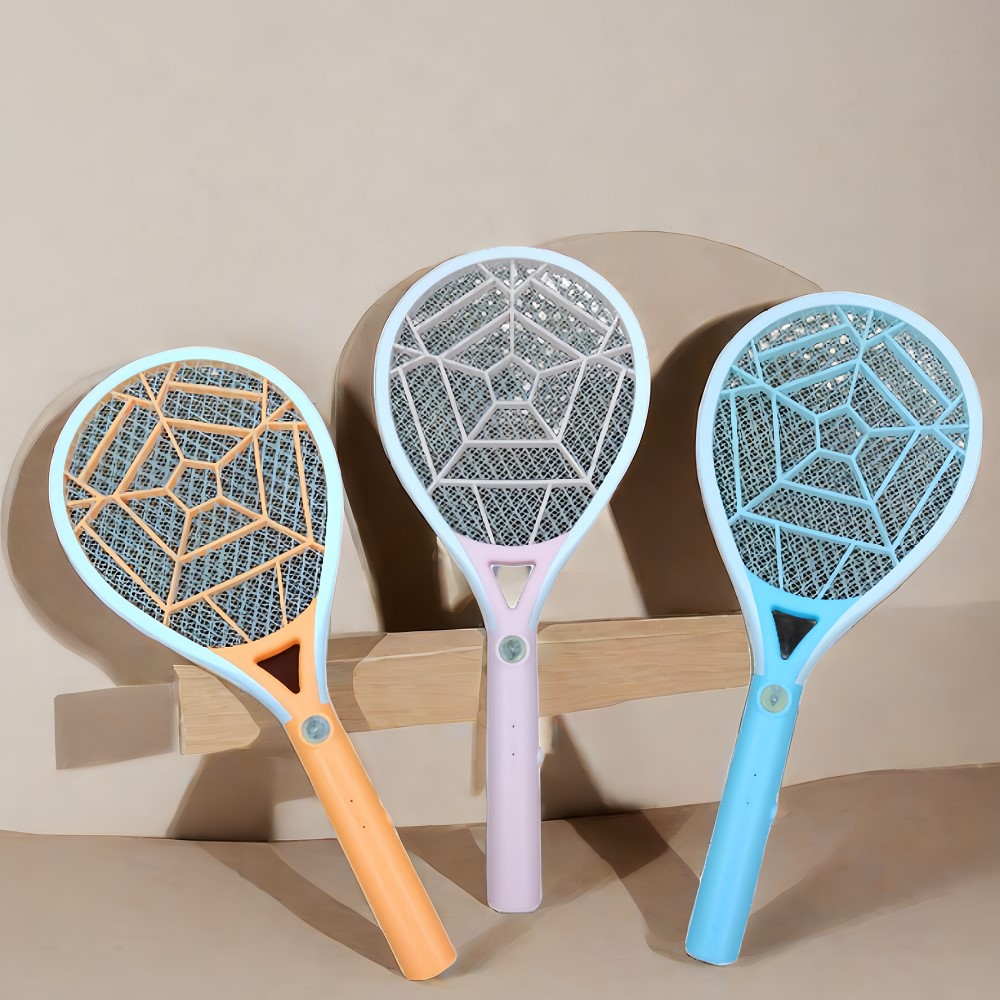
Seven Core Modules for Generating Accurate, Comparable Quotations
Submit RFQ documents in the form of one PDF specification file + one Excel datasheet. Suppliers only quote based on quantifiable standards, so all procurement requirements must be clear and measurable.
-
Product Definition: Attach detailed specification tables and reference product images. Provide sample IDs or existing mass-production SKUs for factory reference if available. Pure textual descriptions tend to cause arbitrary interpretation and unauthorized downgrades by suppliers.
-
Volume Ladder Pricing: Request tiered quotations for 1,000 / 3,000 / 5,000 / 10,000 / 20,000 pieces and provide a realistic 12-month procurement forecast. Factories price based on annual total order volume rather than single batches, and tiered pricing reveals critical cost thresholds for mold capacity and production line efficiency.
-
Packaging & Artwork Requirements: Clarify die-line providers, printing plate cost bearers, minimum order quantities for individual artwork designs, and whether mixed-color cartons are allowed in a single container.
-
Certification & Testing Standards: Specify required certifications (CE/LVD+EMC, FCC, RoHS, IEC 62133 for batteries), covered SKUs, fee-bearing parties, and certificate applicant information. This easily overlooked detail is a common source of subsequent disputes.
-
Commercial Terms: Confirm Incoterms and designated ports, payment ratios, dual lead times (post-deposit and post-artwork-approval), warranty periods, and the proportion of free spare parts included.
-
Quality Terms: Define AQL acceptance standards, designated inspection agencies, pre-shipment photo and video protocols, carton drop-test requirements, and acceptance of third-party factory audits at the buyer’s expense.
-
Quotation Submission Documents: Require suppliers to provide product specification sheets, component-level cost breakdowns, carton dimensions and CBM, gross/net weight, and certified reports with complete visible serial numbers.
The seventh module is skipped by most buyers, yet it delivers the highest risk reduction and cost efficiency.
Build a Reusable Permanent Specification Table
The most valuable column in the specification table is not “target value” but “tradeable parameter”. Marking adjustable items encourages suppliers to propose value-optimized solutions instead of secretly downgrading product configurations.
|
Parameter
|
Target Standard
|
Tradeable
|
Key Impact
|
|
Open-circuit Grid Voltage
|
2,800–3,200 V DC
|
No
|
Voltage below 2,200 V sharply reduces large insect kill rates; voltage above 3,500 V significantly increases insulation and creepage cost.
|
|
Mesh Layers / Material
|
3-layer zinc-coated steel mesh
|
Outer layer only
|
Bare steel mesh corrodes within one season in coastal and humid environments.
|
|
Battery Specification
|
18650 Li-ion, 1,800–2,000 mAh, with protection board
|
Capacity only
|
Unprotected cells are the leading cause of charging port and BMS failures.
|
|
Charging Port
|
USB-C, ≥1A input
|
No
|
Micro-USB interfaces are being phased out by EU buyers and mainstream retail channels.
|
|
Charging Time / Kills per Charge
|
≤4 hours / ≥600 kills
|
Yes (with test data)
|
Directly determines user satisfaction and product return rates.
|
|
Housing Material
|
UV-stabilized ABS
|
Yes (PC-ABS optional)
|
Non-stabilized ABS yellows and ages after one season of shelf display.
|
|
Master Carton Specification
|
50 pcs per carton, ≤0.062 CBM
|
Yes
|
Carton CBM directly affects unit ocean freight cost, serving as a critical hidden cost-control factor.
|

Request Component-level Cost Breakdowns
Buyers should focus on cost structure rather than unit price alone. Suppliers incapable of itemized component breakdowns cannot support targeted cost reduction — for example, cutting USD 0.20 from FOB prices without downgrading core battery configurations.
|
Component Group
|
Typical FOB Cost Ratio
|
Buyer Inspection Focus
|
|
Plastic Parts (Housing, Handle, Trigger)
|
14–20%
|
Regrind material ratio, mold ownership, cavity quantity
|
|
PCBA & High-voltage Transformer
|
18–26%
|
Transformer grade and capacitor brand determine long-term failure rates
|
|
Battery & Protection Board
|
12–20%
|
Cell brand, capacity tolerance, valid UN38.3 test reports
|
|
Metal Mesh & Inner Frame
|
8–12%
|
Coating thickness and frame welding quality
|
|
Assembly & Functional Testing
|
10–15%
|
100% full high-voltage testing per unit vs. random sampling
|
|
Packaging & Manuals
|
6–10%
|
Carton grade, retail-ready vs. transit-only packaging
|
|
Overhead, Certification Amortization & Profit
|
12–18%
|
Low profit plus high overhead indicates high delivery risk
|
The above ratios are industry reference ranges for handheld rechargeable mosquito swatters (not universal standards). Their core value lies in horizontal comparison: cross-checking breakdowns from multiple suppliers quickly exposes anomalies. For instance, an abnormally low PCBA ratio usually means downgraded transformers, while a minimal packaging ratio indicates simple poly-bag packaging.
Decode Comparison Matrices: Six Hidden Quotation Risk Signals
|
Quotation Red Flag
|
Implied Risk
|
Verification Action
|
|
7-day price validity only
|
Exposure to RMB and cell price fluctuations or deliberate order-pressure tactics
|
Require 30-day validity plus material price fluctuation clauses
|
|
SKU-based MOQ without color differentiation
|
Unaccounted color changeover production costs
|
Obtain written per-color MOQ confirmation before order placement
|
|
“CE Certified” with no report number
|
Self-declaration or borrowed third-party certificates
|
Request full test reports and verify applicant information
|
|
Price 20%+ below market median
|
BOM downgrades: thinner mesh, underrated batteries, regrind plastics
|
Order sealed samples matching the exact quoted configuration
|
|
No carton dimension or CBM data provided
|
Unpredicted ocean freight costs causing budget overruns
|
Mandate carton CBM and gross/net weight before awarding orders
|
|
25-day lead time with no start trigger
|
Unbinding, unaccountable delivery timeline
|
Split lead time into post-deposit and post-artwork-approval timelines
|
Complete Standard RFQ Procedures in Three Weeks
Week 1: Supplier Shortlisting & RFQ Dispatch: Shortlist 4 qualified suppliers from 8 candidates. Distribute complete RFQ packages and require receipt confirmation and written inquiries within 3 working days. Suppliers offering instant quotes with zero questions typically use generic templates without detailed product verification.
Week 2: Quotation Standardization: Consolidate all quotes into a unified comparison matrix with identical line items (no premature negotiation). Request sealed samples matching quoted configurations from the top 3 suppliers, and obtain written explanations for all parameter adjustments made to meet their pricing.
Week 3: Sample Testing & Targeted Negotiation: Test samples via charge cycle tests, grid continuity checks, trigger fatigue tests, and 6-sided 1-meter drop tests. Negotiate only on high-impact cost items (battery specs, packaging, carton optimization) instead of arbitrary overall price cuts. Suppliers who slash unit prices without adjusting BOMs will inevitably compromise production quality to restore profit margins.
Archive the comparison matrix permanently. Future RFQ cycles can be shortened from three weeks to two days, and you can verify unreasonable price hikes (e.g., 8% increase without material cost justification) with historical quotation records.
Key Differences Between High-quality and Low-quality Quotations
Reliable supplier quotations share three core traits: full response to all specification items (including tradeable parameters), proactive cost breakdown provision, and objective feedback on unreasonable target parameters. The third trait is more valuable than a 5% price discount — it proves the quoting team has in-depth product manufacturing and costing expertise.
At Aofengming, we provide standardized component cost breakdowns and container loading plans for all mosquito swatter, bug zapper, and digital scale quotations. We understand that buyers with transparent cost insights tend to establish long-term cooperative partnerships. If you are planning 2027 procurement sourcing, our rechargeable mosquito swatter series serves as an ideal benchmark for standardized comparative quoting. Our supporting guidelines covering MOQ rules, pricing negotiation strategies, and OEM/ODM cost difference analysis also help you optimize post-quotation negotiation and project execution.
Can Mosquito Killers Only Be Used at Night
Related Article
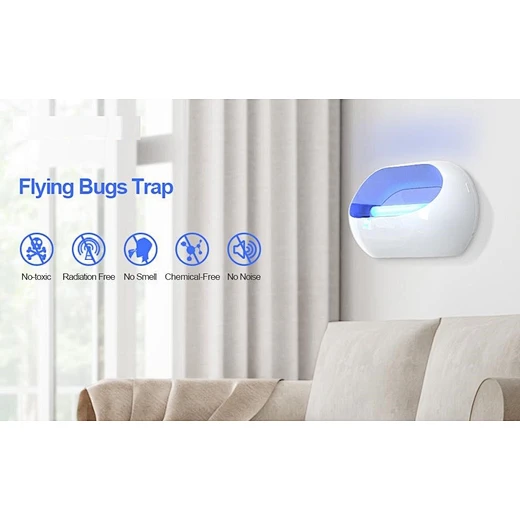
High temperature and humid environments in summer easily lead to mosquito breeding. Mosquito killers are widely adopted physical mosquito control devices in household and office scenarios. There is a prevalent misconception that mosquito traps only work at night and are ineffective during the day. Scientifically speaking, this assertion is inaccurate.
Can Mosquito Killers Only Be Used at Night
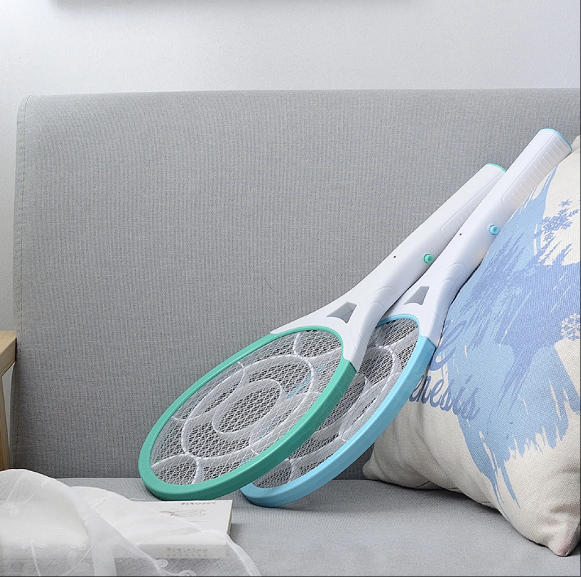
If you’re struggling with annoying mosquitoes, flies, and other flying pests indoors and outdoors, upgrading from traditional manual tools to anElectric Mosquito Swatter is the most efficient solution. Many homeowners and renters search where to buy fly swatter online to find durable, safe, and high-performance electric models that deliver instant pest control.
Where to Buy Fly Swatter
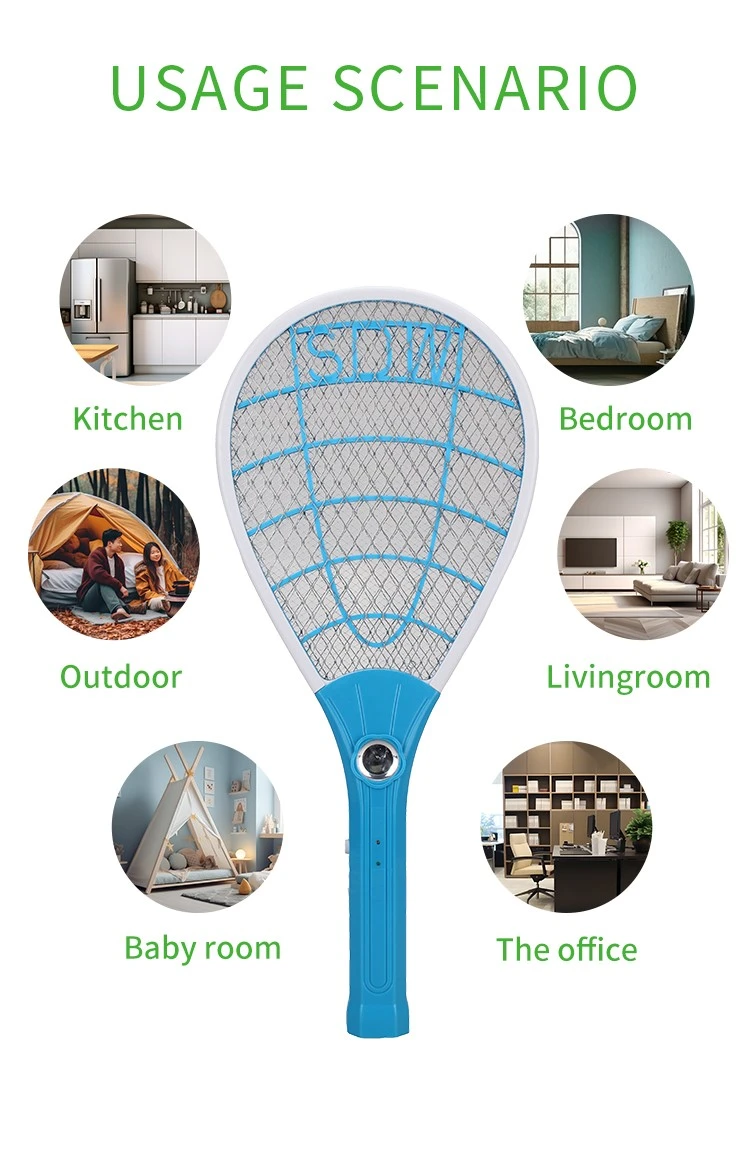
Most importers of electric mosquito swatters obsess over the first order: samples requested, factories vetted, a pre-shipment inspection booked. Then the reorder arrives eight months later and something is off. The grid feels softer. The charge port is a slightly different shade of black. The carton thickness dropped from 350 gsm to 300 gsm. Nothing is catastrophic — but the product no longer matches what your retail customers approved, and quietly, your return rate starts climbing.
How to Keep Mosquito Swatter Quality Consistent Across Repeat Orders
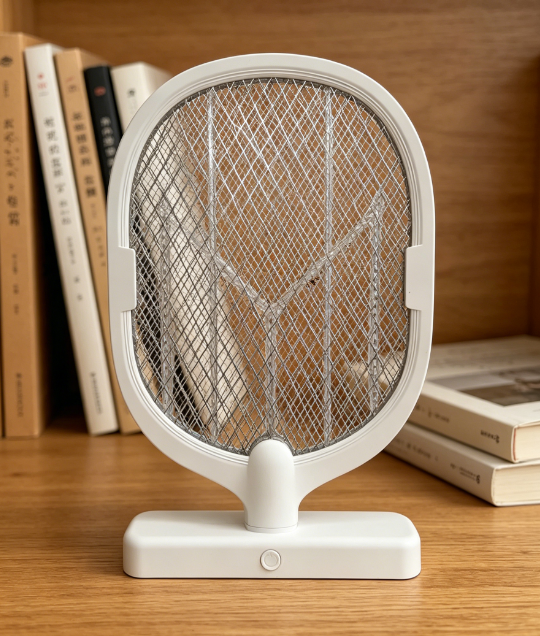
Warranty returns are the silent margin killer in the mosquito control category. A distributor who buys a swatter at $1.80 FOB and retails it at $9.90 can absorb a 1% return rate without noticing — but at 5%, the combined cost of replacement units, reverse logistics, and refund processing erases most of the line's profit.
Common mosquito swatter killer lamp failure modes wholesale spec guide