
How to Safely Use Mosquito Control Devices
2025-07-30
How to Safely Use Mosquito Control Devices: Proper Usage Guidelines for Bug Zappers and Electric Mosquito Swatters
During summer when mosquitoes are rampant, bug zappers and electric mosquito swatters become essential tools in many households. While these devices can effectively repel and kill mosquitoes, improper use may lead to safety hazards. The following outlines safety precautions for bug zappers and electric mosquito swatters to help you protect your family and the environment while repelling mosquitoes.
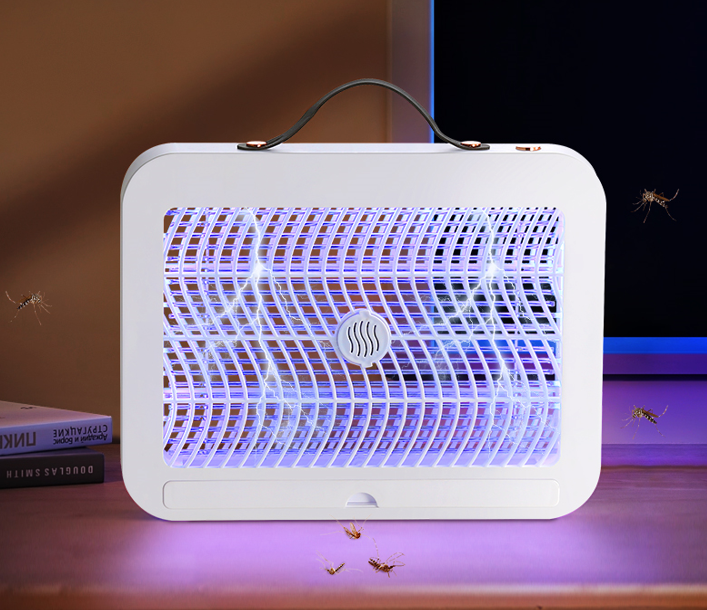
Bug zappers attract mosquitoes with ultraviolet light and kill them via electric shock. Their high-voltage grids pose certain risks, so pay special attention to the following details during use:
1. Install in Areas Away from Human Activity
- Avoid placing bug zappers in areas accessible to children or pets. It is recommended to install them at a height of 1.5-2 meters above the ground.
- Keep them away from beds, sofas, and other places where people frequently sit or lie to prevent direct human contact with the grid.
- Maintain a distance of at least 1.5 meters from food storage areas at home to avoid mosquito carcasses falling into food.
2. Daily Usage and Maintenance Regulations
- Always disconnect the power supply before cleaning the bug zapper, and wait for more than 10 minutes to ensure the capacitor is fully discharged.
- Clean mosquito carcasses with a dedicated brush every week to prevent excessive accumulation, which may affect heat dissipation or cause odors.
- For outdoor models, check the waterproof rating and avoid using them in exposed areas during heavy rain.
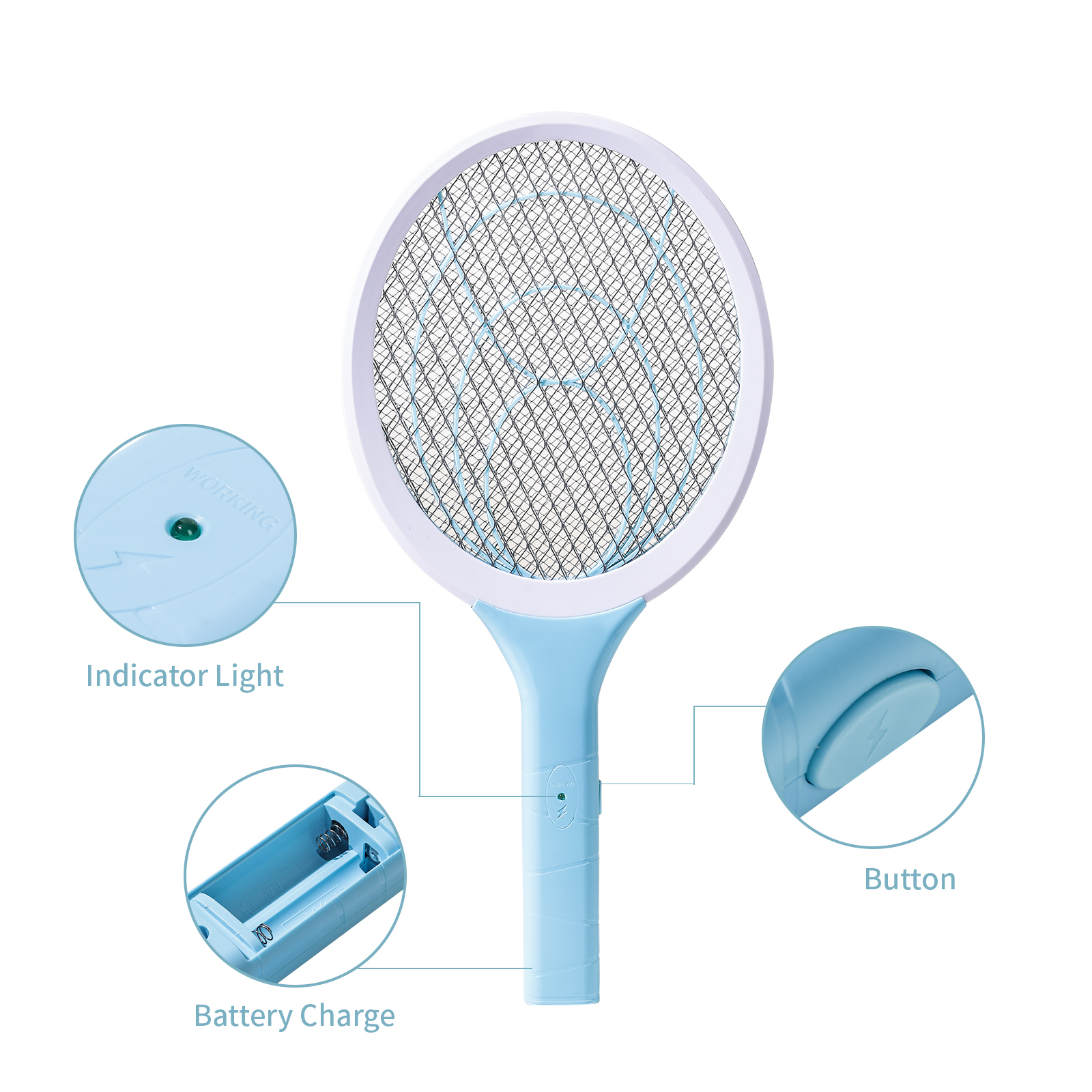
II. Safety Operation Points for Electric Mosquito Swatters
Electric mosquito swatters are handheld devices with a higher probability of direct contact with the human body. Strictly follow these usage rules:
1. Safety Precautions During Charging
- Use the original charger, and do not exceed the maximum charging time specified in the product instructions (usually 8-12 hours).
- Avoid direct sunlight or proximity to heat sources such as radiators during charging. Unplug the charger immediately after full charging.
- For long-term non-use, fully charge the device before storage and recharge it once a month to prevent battery dormancy and aging.
2. Taboos During Use
- Do not swat at humans, pets, or metal objects to avoid arc burns.
- Keep away from flammable and explosive environments; never use in gas stations or areas with gas leaks.
- Do not operate in wet conditions (e.g., with wet hands or in bathrooms) to prevent electric shock.
3. Storage and Maintenance Tips
- Store in drawers or high places that children cannot open to prevent accidental activation of the switch.
- Immediately stop using if the grid is damaged or the power cord is aging; never disassemble or repair it yourself.
- Clean with a dry cloth; never rinse or soak in water.
III. General Safety Principles
Both bug zappers and electric mosquito swatters must adhere to the following basic safety guidelines:
- When purchasing, look for safety certifications such as 3C certification and reject "three-no" products (products without certification, manufacturer information, or quality guarantees).
- Disconnect the power supply after use, especially check the device status before going out.
- Families with infants are advised to choose models with protective nets and strengthen adult supervision.
- If electric shock or burns occur accidentally, seek medical attention immediately and keep the device for traceability.
Do Electronic Mosquito Killers Really Work
How to Get Rid of Carpet Beetles in Your Home
Related Article

If you’re struggling with annoying mosquitoes, flies, and other flying pests indoors and outdoors, upgrading from traditional manual tools to anElectric Mosquito Swatter is the most efficient solution. Many homeowners and renters search where to buy fly swatter online to find durable, safe, and high-performance electric models that deliver instant pest control.
Where to Buy Fly Swatter
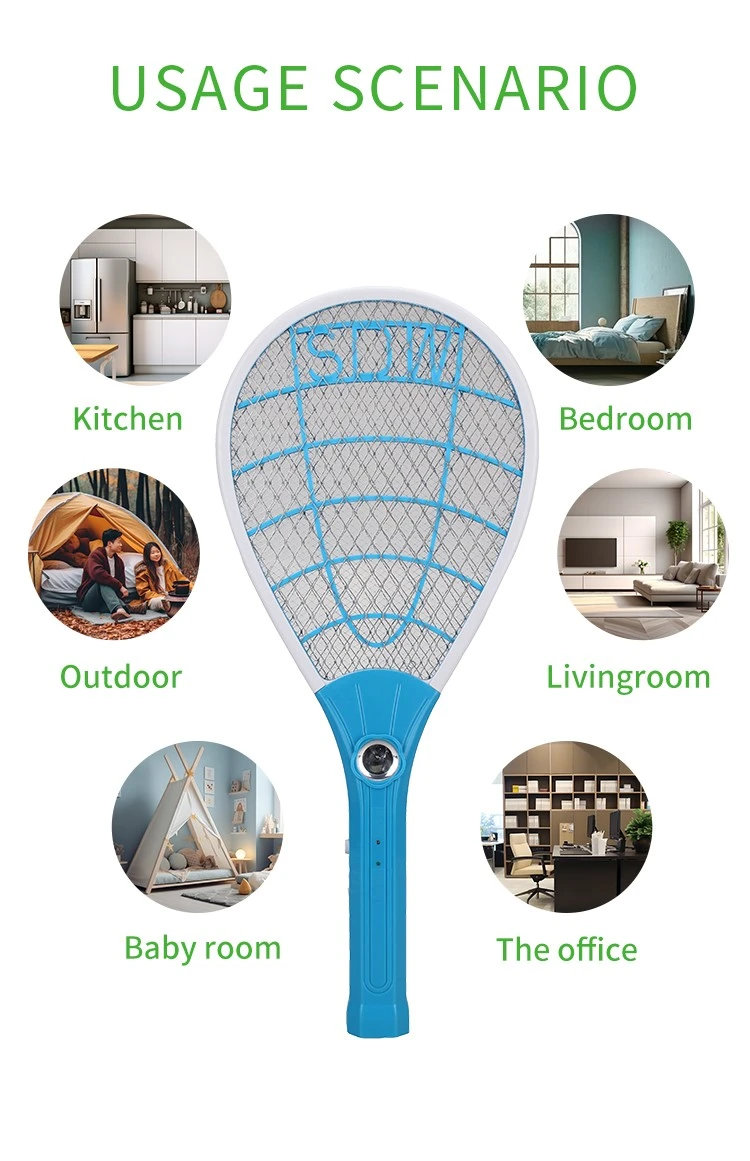
Most importers of electric mosquito swatters obsess over the first order: samples requested, factories vetted, a pre-shipment inspection booked. Then the reorder arrives eight months later and something is off. The grid feels softer. The charge port is a slightly different shade of black. The carton thickness dropped from 350 gsm to 300 gsm. Nothing is catastrophic — but the product no longer matches what your retail customers approved, and quietly, your return rate starts climbing.
How to Keep Mosquito Swatter Quality Consistent Across Repeat Orders
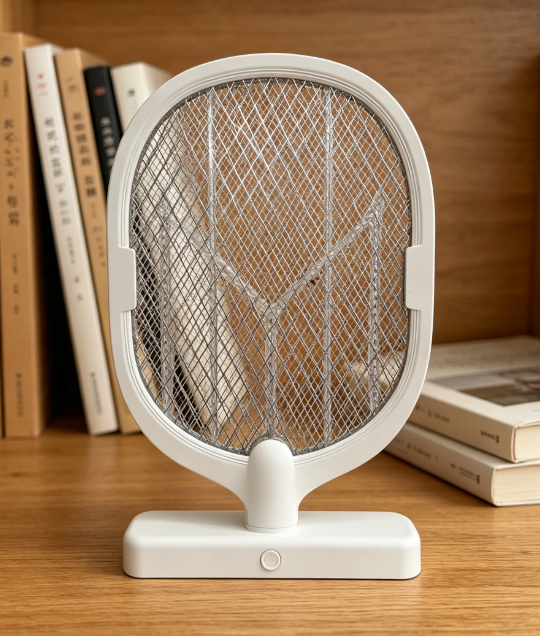
Warranty returns are the silent margin killer in the mosquito control category. A distributor who buys a swatter at $1.80 FOB and retails it at $9.90 can absorb a 1% return rate without noticing — but at 5%, the combined cost of replacement units, reverse logistics, and refund processing erases most of the line's profit.
Common mosquito swatter killer lamp failure modes wholesale spec guide

Digital bathroom scales rank as the second-highest-volume consumer weighing product category, only behind kitchen scales, with distinct market and product characteristics that set them apart from other scale types in importers’ product portfolios.
Digital bathroom body fat-bia-scale wholesale buyers guide