
How to Save a Water-Soaked Electric Mosquito Swatter
2025-11-20
How to Save a Water-Soaked Electric Mosquito Swatter: Can It Still Work?
During summer, when using an electric mosquito swatter to kill mosquitoes, accidents are inevitable—such as accidentally spilling water on it or getting it wet while cleaning. At this point, many people panic: Can an electric mosquito swatter still work after getting wet? Will it cause an electric shock if plugged in directly? In fact, the answer is not absolute; it mainly depends on the degree of water exposure and whether the subsequent handling is proper. It is not advisable to use it blindly or discard it randomly. Today, we will detail the correct way to handle a wet electric mosquito swatter to help you avoid safety hazards and prevent unnecessary waste.

1. First, Judge: The Degree of Water Exposure Determines "Whether It Can Be Used"
First, it is important to clarify one point: The core components of an electric mosquito swatter are the high-voltage grid and the internal circuit. If these two parts get wet, they may cause short circuits, electric leakage, or even electric shock risks. Therefore, the first step must be to judge the extent of water exposure before deciding on the subsequent actions:
- If it is only "slightly damp"—for example, a few drops of rain splashing on the swatter surface, or a small amount of water stains from wiping the table, with no water seeping into the interior (such as the switch or charging port remaining dry)—this situation can mostly be remedied;
- If it is "moderately wet"—for example, the swatter surface being soaked in water for a few seconds, or obvious water accumulation on the charging port or switch—the internal circuit may be damp and needs to be thoroughly dried before testing;
- If it is "severely waterlogged"—for example, the entire electric mosquito swatter falling into water (especially dirty water) and being soaked for more than 1 minute—the internal components may have been corroded. It is recommended to replace it directly and not take the risk of using it.
2. Key 3 Steps: Do These First After Getting Wet, Then Consider "Whether It Can Be Used"
Regardless of the degree of water exposure, as long as the electric mosquito swatter gets wet, the first step is to "cut off the power supply"—if it is being charged, unplug it immediately; if the switch is in the "on" position, turn it off first (make sure your hands are dry to avoid electric shock). Then follow these 3 steps for handling:
1. Step 1: Wipe the Surface Dry and Drain Accumulated Water
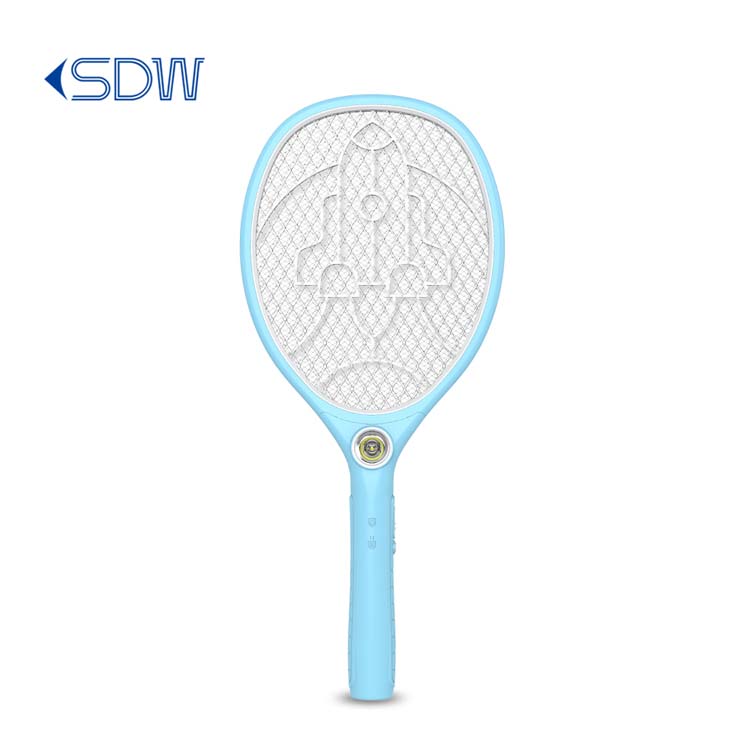
Use a dry towel or paper towel to gently wipe the surface of the electric mosquito swatter, focusing on drying the water on the swatter surface grid, switch button, and charging port. If there is accumulated water in the charging port or switch, you can use a cotton swab to gently absorb it (do not poke hard to avoid damaging internal components); if there are water droplets stuck in the grid of the swatter surface, gently shake the electric mosquito swatter to let the accumulated water flow out. Note: Do not use a hair dryer to blow directly on the charging port or switch, as high temperature may damage the components; do not expose it to direct sunlight either, as the plastic shell may deform.
2. Step 2: Dry Thoroughly and Let It Stand for Observation
Place the wiped-dry electric mosquito swatter in a cool, well-ventilated place to allow the residual moisture inside to evaporate naturally. The drying time depends on the degree of water exposure: for slight dampness, it is recommended to let it stand for 4-6 hours; for moderate wetness, 12-24 hours; if you are not sure whether it is dry, you can let it stand for an extra day. During the drying period, do not press the switch or plug it in for testing to avoid short circuits.
3. Step 3: Conduct a Safety Test to Confirm Usability
After drying, first do not install the battery (or plug it in), press the switch, and observe if there are any abnormalities on the swatter surface (such as sparks, abnormal noises)—if there are none, install the battery (or plug it in), but do not touch the swatter surface with your hands immediately. You can first bring the electric mosquito swatter close to small pieces of paper: if the paper is attracted, it means the grid is working normally; if there is no response after pressing the switch, there is abnormal noise, or irregular sparks appear on the swatter surface, it indicates that the internal circuit may be damaged. In this case, do not use it under any circumstances to avoid electric shock or fire. It is recommended to replace it with a new electric mosquito swatter directly.
3. Important Reminder: Do Not "Make Do" in These Situations
Many people think "electric mosquito swatters are not expensive, so it’s okay to make do with them after getting wet", but safety always comes first. If you encounter the following situations, do not hesitate to discard it directly:
- After getting wet, you have already tested it by plugging it in, and a short circuit occurred (such as tripping, smoking);
- There are obvious signs of rust or corrosion on the charging port or switch;
- During the test after drying, the sparks on the swatter surface are uneven, or there is local overheating.
In addition, you can take preventive measures in daily use: clean the electric mosquito swatter with a dry cloth, do not wash it with water; do not use it outdoors on rainy days; store it in a dry place, away from humid areas such as sinks and humidifiers.
In conclusion, an electric mosquito swatter is not "definitely unusable" after getting wet, but it must go through proper handling and testing. Safety is always more important than saving a few dozen yuan. Once an abnormality is found, do not take chances—replacing it in time is the safest choice.
What You Must Know About Safe Distance and Duration
The Rumor That Mosquito Killer Lamps Are Power-Hungry Is False
Related Article

If you’re struggling with annoying mosquitoes, flies, and other flying pests indoors and outdoors, upgrading from traditional manual tools to anElectric Mosquito Swatter is the most efficient solution. Many homeowners and renters search where to buy fly swatter online to find durable, safe, and high-performance electric models that deliver instant pest control.
Where to Buy Fly Swatter
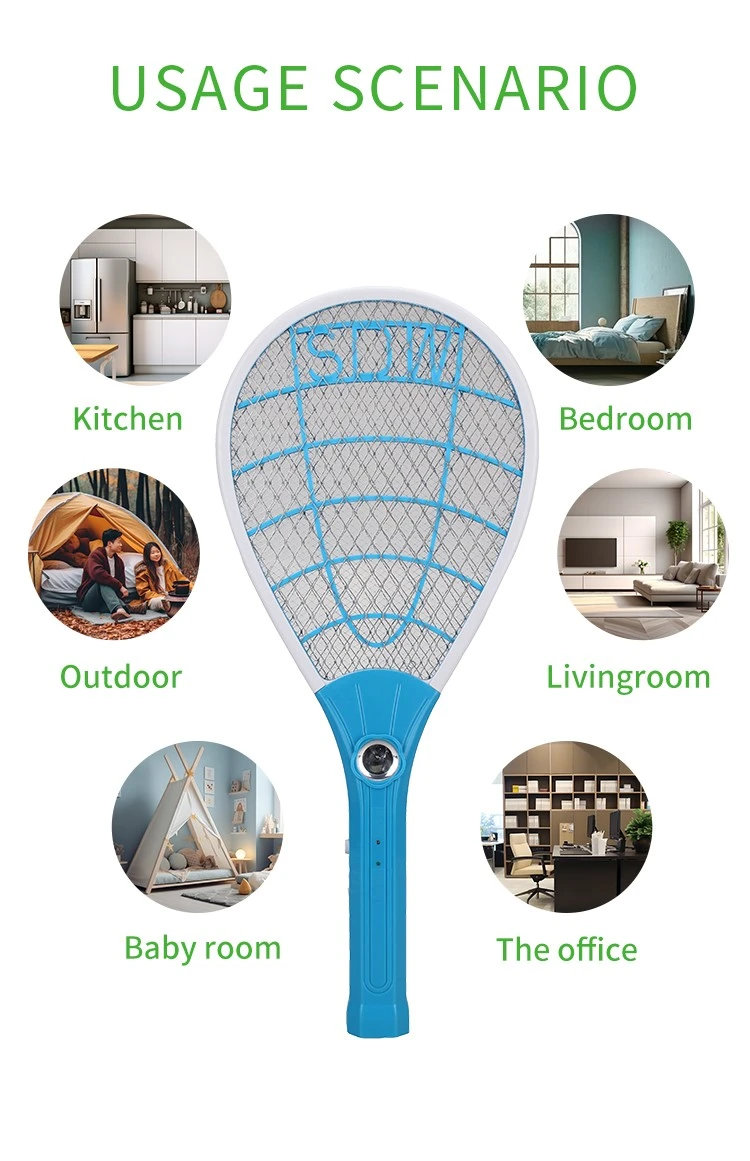
Most importers of electric mosquito swatters obsess over the first order: samples requested, factories vetted, a pre-shipment inspection booked. Then the reorder arrives eight months later and something is off. The grid feels softer. The charge port is a slightly different shade of black. The carton thickness dropped from 350 gsm to 300 gsm. Nothing is catastrophic — but the product no longer matches what your retail customers approved, and quietly, your return rate starts climbing.
How to Keep Mosquito Swatter Quality Consistent Across Repeat Orders
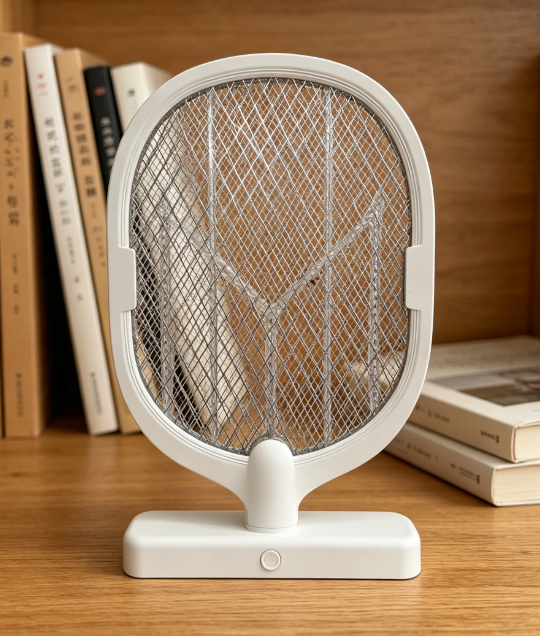
Warranty returns are the silent margin killer in the mosquito control category. A distributor who buys a swatter at $1.80 FOB and retails it at $9.90 can absorb a 1% return rate without noticing — but at 5%, the combined cost of replacement units, reverse logistics, and refund processing erases most of the line's profit.
Common mosquito swatter killer lamp failure modes wholesale spec guide

Digital bathroom scales rank as the second-highest-volume consumer weighing product category, only behind kitchen scales, with distinct market and product characteristics that set them apart from other scale types in importers’ product portfolios.
Digital bathroom body fat-bia-scale wholesale buyers guide