
How to Spread Insecticide Granules Without a Spreader
2025-08-05
Outdoor Pest Control: How to Spread Insecticide Granules Without a Spreader
Hi everyone, I’ve shared a lot about household pest control tools and tips before. Today, let’s talk about outdoor pest elimination. For large outdoor areas that need pest control, many people choose to spread insecticide granules. But what if you don’t have a spreader? Here’s a step-by-step guide to help you spread insecticide granules effectively and evenly:
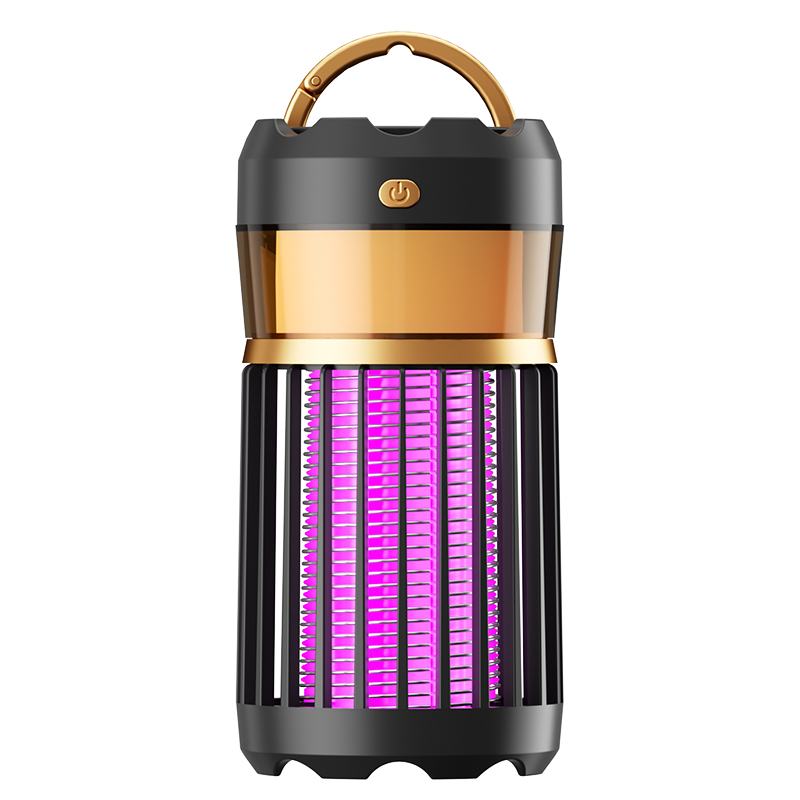
1. Prepare Basic Tools
- Gloves: Wear gloves to protect your skin and avoid direct contact with the insecticide granules.
- Clean, dry container: A discarded bucket, bowl, or even a paper bag at home can be used to hold the granules.
- Small cup or measuring spoon: For measuring the granules quantitatively, making it easier to control the spreading amount.
- Handheld tool (optional): A trowel, garden rake, or even a stiff broom can help distribute the granules and work them into the soil.
2. Prepare the Work Area
- Clear debris: Remove rocks, branches, or large clumps of soil to ensure the granules can reach the target areas such as the soil.
- Check the weather forecast: Avoid spreading on windy or rainy days. Strong winds will blow the granules away from the target areas (e.g., into flower beds or water sources), and rainy days will increase the difficulty of spreading, as rainwater will also wash away the insecticide.
3. Measure the Granule Dosage
The insecticide packaging label usually has instructions on the application rate (e.g., "1 cup per 100 square feet"). Please check it and measure the required dosage according to the instructions. Over-application may harm plants, pets, or the environment. Use a cup or spoon to measure the correct amount needed for the corresponding area.
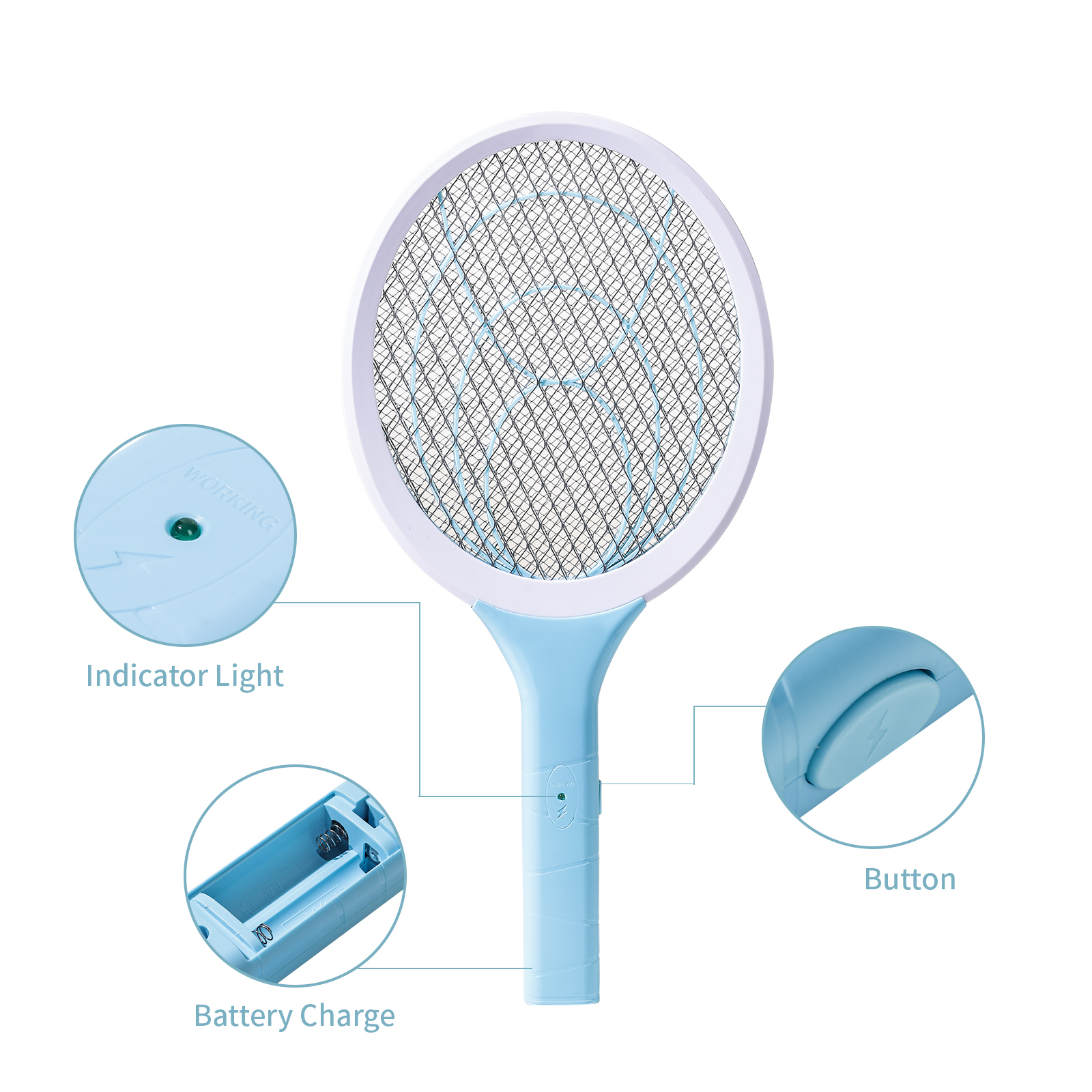
4. Spread the Granules Manually
Choose a suitable method according to the area size and personal habits:
Method 1: Hand Broadcasting (Suitable for Large Areas)
- Put on gloves and fill the measured granules into the container.
- Stand and walk slowly across the work area, holding the container at waist height.
- Spread the granules evenly with a left-right sweeping motion of your hand, keeping the flow of granules stable. Imagine sprinkling salt or pepper, and avoid pouring out large clumps at once.
- Overlap the spreading paths slightly (6-12 inches) to ensure even coverage and no missed areas.
Method 2: Targeted Placement (Suitable for Small Areas or Specific Spots)
- For narrow spaces (such as around plants, along foundation edges, or in flower beds), use a small cup or spoon to place the granules directly where needed.
- Arrange the granules evenly according to the label instructions to ensure that the insecticide can spread effectively after dissolving or being watered.
5. Final Steps and Cleanup
- Light watering (as indicated on the label): Helps activate the granules and allows them to penetrate into the soil. Avoid heavy watering, as it may wash away the granules.
- Clean tools: Wash cups, gloves, and containers with soap and water to remove residual substances.
- Dispose of remaining granules: Never pour unused granules into sewers or trash cans. Dispose of them correctly according to the label instructions (usually by putting them in sealed bags and discarding them with household garbage).
Tips for Even Coverage
- Divide the area: Split large areas into small sections (e.g., 10x10 feet) and spread granules section by section to avoid over- or under-application.
- Practice first: If you’re spreading manually for the first time, practice with a small amount of granules on the driveway to get familiar with the rhythm of the movement.
- Wear protective gear: Gloves are a must. Some labels also recommend wearing long sleeves or goggles — be sure to check the safety instructions.
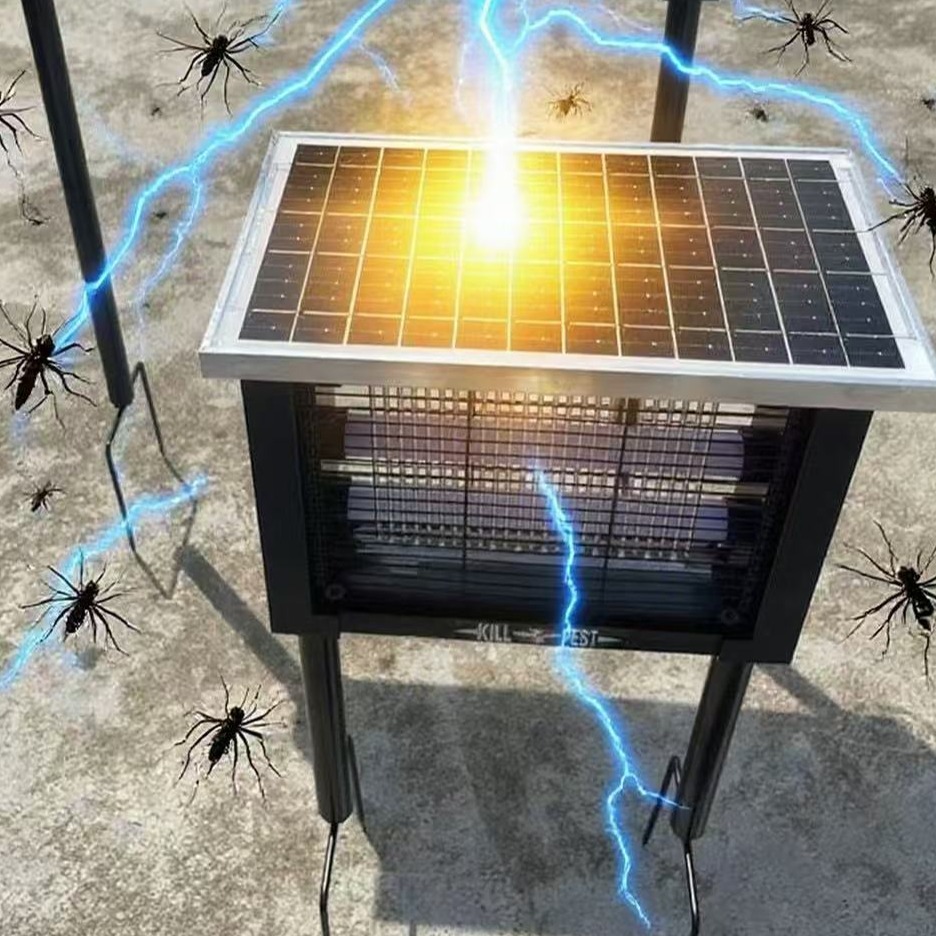
For outdoor pest control, our factory produces outdoor solar pest-killing lamps. They don’t need to be plugged in — just place the pest-killing lamp in your garden, courtyard, or other areas that need pest control during the day, and it will emit purple light to kill pests at night. It’s recommended that you purchase such pest-killing lamps and use them in combination with insecticide spreading for better pest control results.
Where to Buy a good Fly Swatter
Does a Bug Zapper Only Attract Light-Sensitive Insects
Related Article

If you’re struggling with annoying mosquitoes, flies, and other flying pests indoors and outdoors, upgrading from traditional manual tools to anElectric Mosquito Swatter is the most efficient solution. Many homeowners and renters search where to buy fly swatter online to find durable, safe, and high-performance electric models that deliver instant pest control.
Where to Buy Fly Swatter
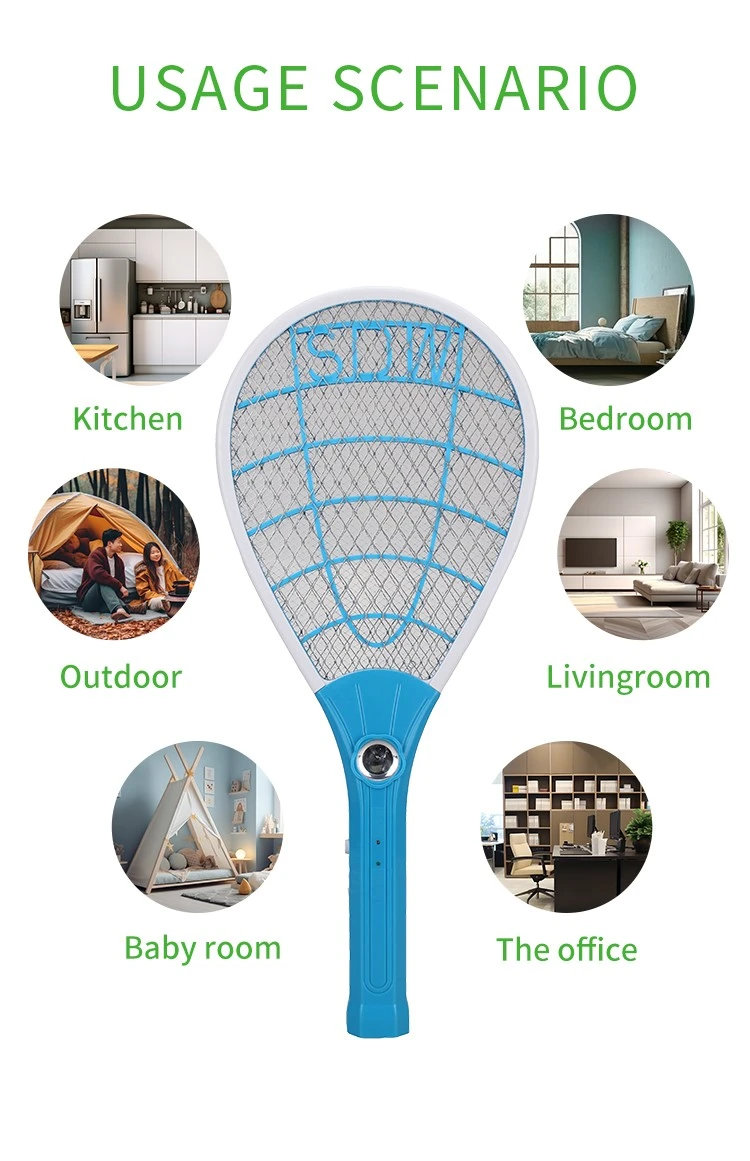
Most importers of electric mosquito swatters obsess over the first order: samples requested, factories vetted, a pre-shipment inspection booked. Then the reorder arrives eight months later and something is off. The grid feels softer. The charge port is a slightly different shade of black. The carton thickness dropped from 350 gsm to 300 gsm. Nothing is catastrophic — but the product no longer matches what your retail customers approved, and quietly, your return rate starts climbing.
How to Keep Mosquito Swatter Quality Consistent Across Repeat Orders
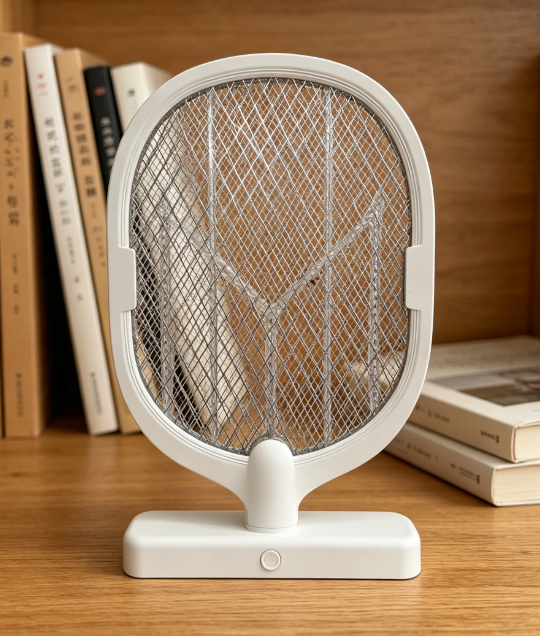
Warranty returns are the silent margin killer in the mosquito control category. A distributor who buys a swatter at $1.80 FOB and retails it at $9.90 can absorb a 1% return rate without noticing — but at 5%, the combined cost of replacement units, reverse logistics, and refund processing erases most of the line's profit.
Common mosquito swatter killer lamp failure modes wholesale spec guide

Digital bathroom scales rank as the second-highest-volume consumer weighing product category, only behind kitchen scales, with distinct market and product characteristics that set them apart from other scale types in importers’ product portfolios.
Digital bathroom body fat-bia-scale wholesale buyers guide