
How to Store and Handle Bulk Mosquito Swatters
2026-08-26
How to Store and Handle Bulk Mosquito Swatters: Shelf Life, Humidity, and Carton Stacking Best Practices
Target Keywords: mosquito swatter storage, bulk mosquito racket handling, battery self-discharge, warehouse humidity, insect racket shelf life
Electric mosquito swatters are generally categorized as durable goods, yet their functional performance heavily relies on post-factory storage conditions. Lithium and Ni-MH batteries naturally discharge over time, metal mesh grids oxidize in humid warehouse environments, and improperly stacked cartons cause deformation of plastic frames, resulting in product defects before delivery to retailers. For distributors managing seasonal inventory, improper storage practices can erase profits and turn a 25% gross margin into a net loss.
This guideline specifies standardized storage and handling requirements that professional buyers should incorporate into logistics contracts and warehouse standard operating procedures (SOPs).
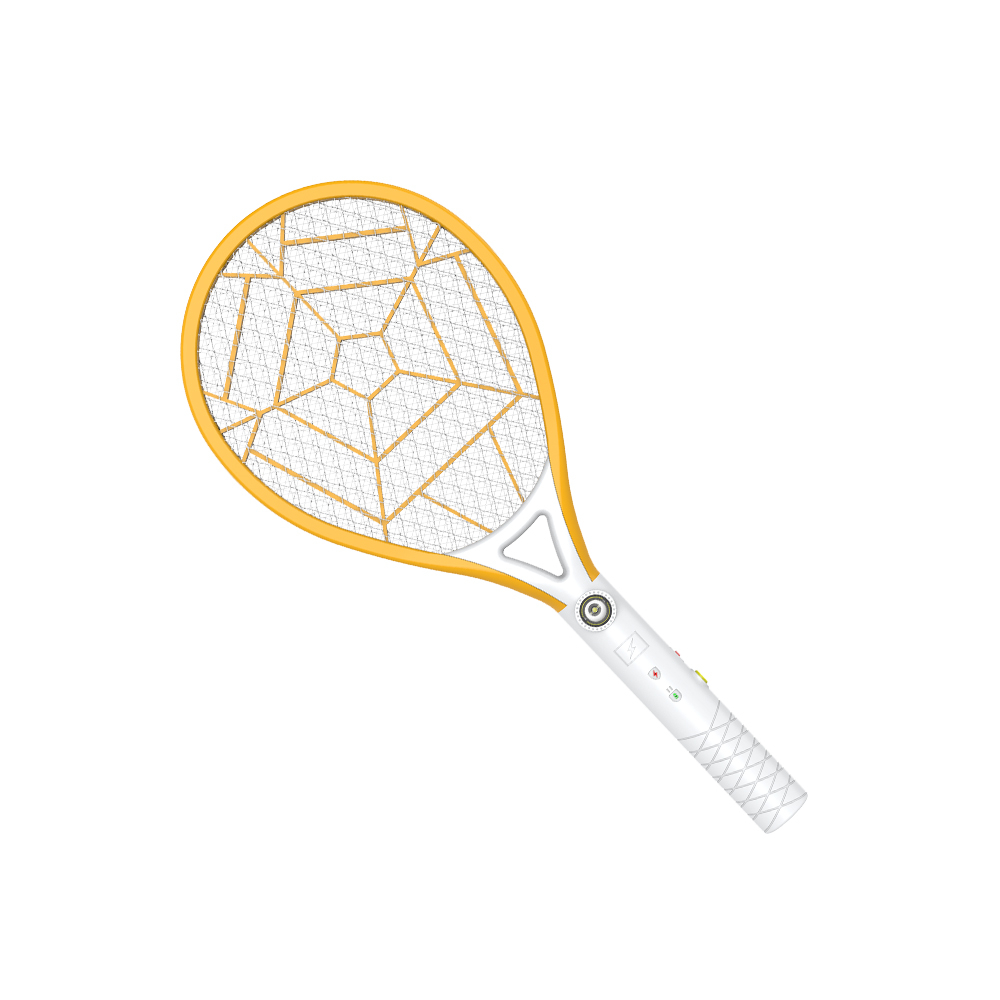
Why Storage Conditions Impact Product Return Rates
Well-managed distributors typically maintain electric mosquito swatter return rates between 1.5% and 4%, while poor warehouse management can push return rates above 8%. The most prevalent product failures caused by substandard warehousing include the following:
-
Deep discharge of lithium batteries triggers protection circuit lockout, rendering the devices unresponsive and functionally dead
-
Corrosion and rust formation on high-voltage mesh grids, reducing insect-killing efficiency and causing visible surface deterioration
-
Excessive stacking pressure leading to cracked handles and deformed device frames
-
Faded retail packaging and material aging due to direct sunlight exposure
Most of these quality issues can be effectively prevented through basic warehouse temperature and humidity control as well as standardized handling protocols.
Recommended Warehouse Environmental and Packaging Standards
Optimal storage environments vary according to battery chemistry and carton materials. The table below serves as the baseline standard for in-house warehouses and third-party fulfillment centers:
|
Parameters
|
Recommended Range
|
Risks of Non-Compliance
|
|
Temperature
|
15°C – 25°C (59°F – 77°F)
|
Battery degradation accelerates significantly at temperatures above 30°C
|
|
Relative Humidity
|
Below 60% RH
|
Humidity above 70% causes mesh oxidation, rusting, and cardboard softening & damage
|
|
Light Exposure
|
No direct sunlight
|
UV radiation causes packaging fading and plastic yellowing & aging
|
|
Ventilation
|
Sufficient and consistent air circulation
|
Poor ventilation leads to condensation and localized product corrosion
|
|
Storage Placement
|
Cartons placed on pallets, elevated from concrete floors
|
Ground moisture wicks through cardboard and damages internal products
|
For tropical warehouses without temperature and humidity control, it is recommended to place silica gel packets in master cartons and individually polybag each retail unit. The incremental cost is less than $0.05 per unit and can cut humidity-related return rates by half.
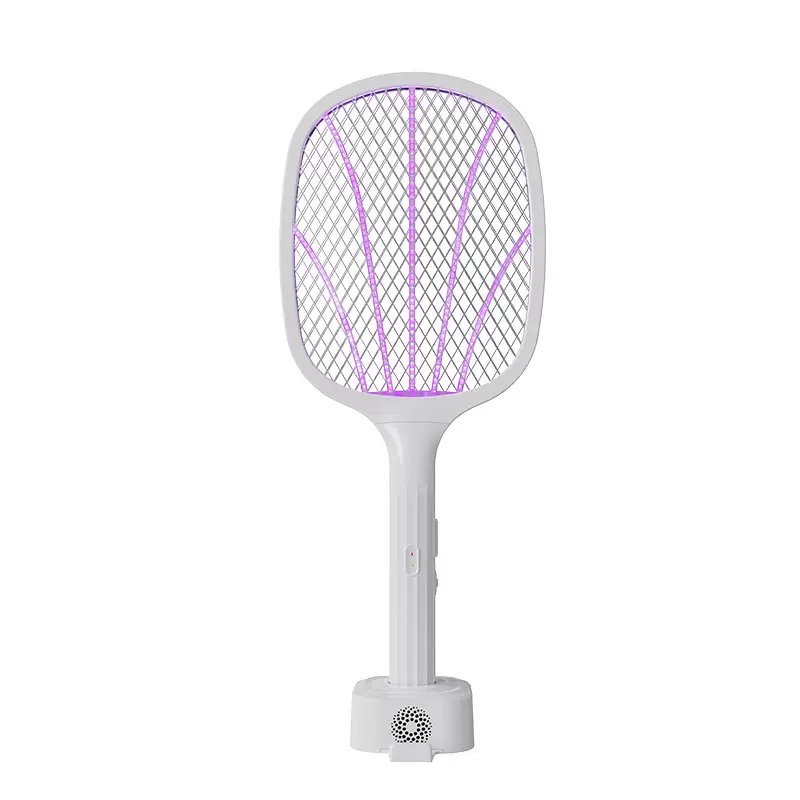
Battery Self-Discharge Characteristics and Pre-Shipment Charging Protocols
Rechargeable electric mosquito swatters are primarily equipped with 18650 lithium-ion cells or Ni-MH battery packs, which present distinct self-discharge characteristics during storage:
-
Lithium-ion Battery (3.7V, 1200–2000mAh): At 20°C, the monthly self-discharge rate is approximately 2%–3%. Deep discharge below 2.5V causes permanent cell damage. The optimal storage state of charge is 40%–60%.
-
Ni-MH Battery (AA/AAA, 600–1000mAh): Features a higher monthly self-discharge rate of 10%–15%. Inventory units require recharging every 90 days.
Verify the production date and initial charge level with manufacturers before shipment. A 50% state of charge is optimal for lithium-ion models during sea freight and long-term warehousing. Many distributors require pre-shipment charge reports that include open-circuit voltage and internal resistance data from random sampling of each production lot to ensure consistent product quality.
Carton Stacking, Palletizing and Transit Damage Prevention Best Practices
Mosquito swatter cartons are not engineered to withstand heavy vertical loads. Standard export cartons, sized 52×42×38cm and holding 60 units each, will compress and damage internal units such as cracked handles if stacked more than five layers high without pallet support.
Core palletizing best practices:
-
Adopt four-way entry wooden or plastic pallets with a minimum dynamic load rating of 1,000kg
-
Stack cartons in an interlocking pattern instead of vertical column stacking to enhance lateral stability
-
Maintain a minimum 5cm gap between carton edges and pallet edges to reduce forklift impact damage
-
Apply stretch wrap with full top coverage (not only side wrapping) for effective dust and moisture protection
-
Label each pallet clearly with product SKU, production date, battery type and handling orientation
Never place heavy cargo such as ceramic tiles or metal hardware on top of mosquito swatter cartons during container loading. A 20GP container can hold 900 to 1,100 cartons depending on product dimensions; weight distribution matters more than total loading volume.
Pre-Retail Release Inspection Checklist
Conduct targeted inbound quality inspection before dispatching inventory to retailers or e-commerce fulfillment centers, following the below standards:
-
Inspect carton integrity for dents, water stains, tears and other physical damage
-
Sample 2% of cartons to verify full functionality, including LED indicators, charging ports and grid voltage (test via high-voltage probe or spark test)
-
Measure battery voltage of stored units; recharge units below the manufacturer’s minimum storage voltage before resale
-
Inspect metal mesh grids for rust spots, with focused inspection for products stored for over six months
-
Confirm user manuals and safety warnings comply with local language requirements
-
Document inspection results by batch number. Systemic quality issues can be traced to specific production cycles for factory credit claims or product replacements
Related Reading for Buyers
Product Comparison: Rechargeable vs Disposable Battery-Powered Mosquito Swatters
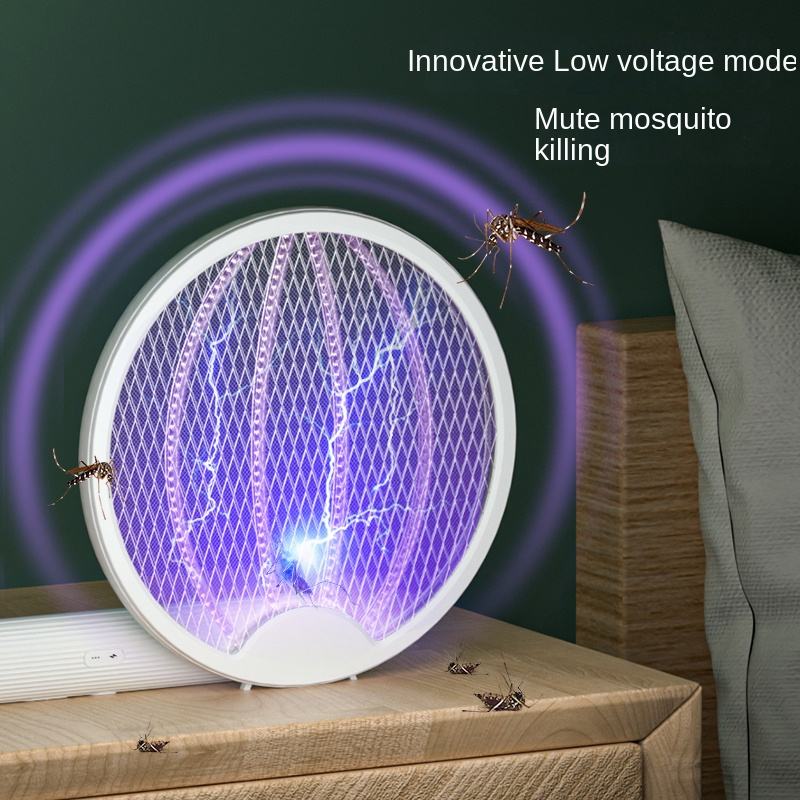
Seasonal Inventory Pick: 2-in-1 Electric Mosquito Swatter with UV Light
Every production lot from Aofengming Electric is delivered with production date traceability, battery storage charge guidelines and carton stacking instructions, enabling distributors to implement standardized warehousing immediately after cargo arrival and fully secure product quality.
MOQ and Pricing Negotiation with Chinese Mosquito Swatter Manufacturers
Digital Scales for Wholesale Buyers
Related Article

If you’re struggling with annoying mosquitoes, flies, and other flying pests indoors and outdoors, upgrading from traditional manual tools to anElectric Mosquito Swatter is the most efficient solution. Many homeowners and renters search where to buy fly swatter online to find durable, safe, and high-performance electric models that deliver instant pest control.
Where to Buy Fly Swatter
Most importers of electric mosquito swatters obsess over the first order: samples requested, factories vetted, a pre-shipment inspection booked. Then the reorder arrives eight months later and something is off. The grid feels softer. The charge port is a slightly different shade of black. The carton thickness dropped from 350 gsm to 300 gsm. Nothing is catastrophic — but the product no longer matches what your retail customers approved, and quietly, your return rate starts climbing.
How to Keep Mosquito Swatter Quality Consistent Across Repeat Orders
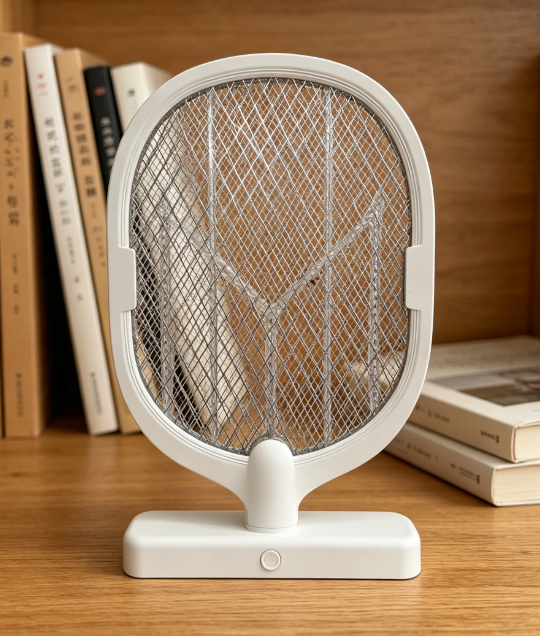
Warranty returns are the silent margin killer in the mosquito control category. A distributor who buys a swatter at $1.80 FOB and retails it at $9.90 can absorb a 1% return rate without noticing — but at 5%, the combined cost of replacement units, reverse logistics, and refund processing erases most of the line's profit.
Common mosquito swatter killer lamp failure modes wholesale spec guide

Digital bathroom scales rank as the second-highest-volume consumer weighing product category, only behind kitchen scales, with distinct market and product characteristics that set them apart from other scale types in importers’ product portfolios.
Digital bathroom body fat-bia-scale wholesale buyers guide