
How to Store the Mosquito Killer Lamp
2026-05-15
How to Store the Mosquito Killer Lamp: Extend Its Lifespan Easily
As the weather turns cool and mosquito activity fades, it’s time to put away your mosquito killer lamp until the next warm season. Many people overlook the importance of proper storage, but doing it right can significantly extend the lamp’s lifespan, ensure it works efficiently when you need it again, and avoid unnecessary damage. Whether you have an electric zapper, UV light model, or rechargeable mosquito killer, following these simple storage steps will keep your device in top condition. Let’s dive into the details!
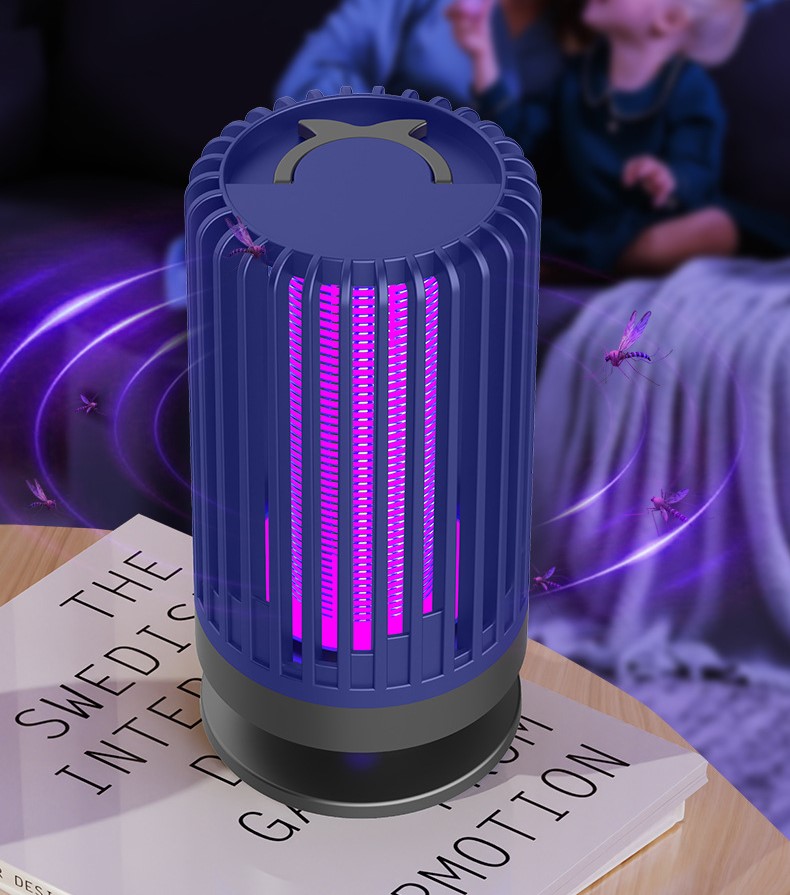
Why Proper Storage Matters for Your Mosquito Killer Lamp
Before we get into the step-by-step guide, let’s understand why storing your mosquito killer lamp correctly is so important. Mosquito killer lamps are equipped with sensitive components—such as UV bulbs, electronic circuits, electric grids, and sometimes batteries or chemical attractants—that can be damaged by improper handling or storage conditions. Moisture, dust, extreme temperatures, and neglect can lead to corrosion, reduced UV light effectiveness, battery leakage, or even complete malfunction. A well-stored lamp will not only last longer but also perform at its best when mosquito season returns, saving you money and hassle in the long run.
Step-by-Step Guide to Storing Your Mosquito Killer Lamp
Follow these steps to ensure your mosquito killer lamp is stored safely and effectively. The process is simple and takes only a few minutes, but it makes a big difference in preserving your device.
1. Unplug and Power Down Safely
Safety comes first! Before doing anything else, always unplug your mosquito killer lamp from the power source. If you have a rechargeable model, turn it off completely and disconnect any charging cables. For electric zapper models, wait a few minutes to let the electric grid cool down—this prevents accidental burns or shocks and protects the grid from damage during cleaning and storage. Never attempt to clean or store a lamp that is still plugged in or hot.
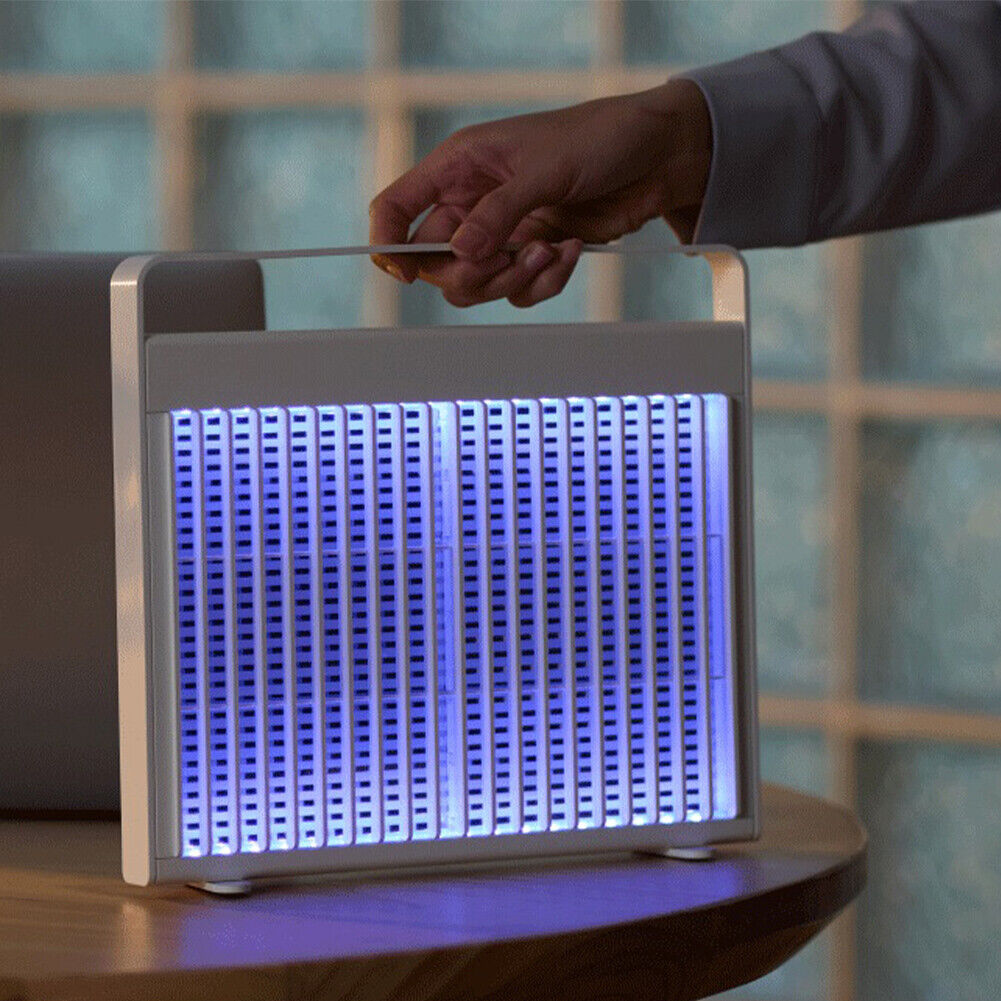
2. Clean Thoroughly to Prevent Damage
A dirty lamp stored for months can become a breeding ground for mold, attract pests, or cause residue buildup that damages internal components. Here’s how to clean it properly:
-
Remove debris: Take out the mosquito collection tray or box and empty any dead mosquitoes, dust, or debris. Use a soft-bristled brush (like an old toothbrush) to gently scrub the tray, electric grid, and around the UV bulb—this removes stubborn residue without scratching sensitive parts.
-
Wipe the exterior: Use a dry microfiber cloth to wipe the lamp’s exterior. If there are tough stains, dampen the cloth with a small amount of neutral detergent (avoid harsh chemicals like gasoline) and wipe gently, then dry immediately to prevent moisture buildup.
-
Clean the UV bulb: The UV bulb is the core of your lamp’s effectiveness—dust or residue on it can reduce its light output over time. Gently wipe the bulb with a dry microfiber cloth to remove dust. Avoid using water directly on the bulb or electric grid to prevent short circuits.
-
Dry completely: After cleaning, let all parts (including the collection tray and exterior) air dry completely. Moisture trapped inside the lamp during storage can cause corrosion or mold, so ensure no part is damp before moving to the next step.
3. Inspect for Damage Before Storage
Take a few minutes to inspect your lamp for any signs of wear or damage. This step helps you address small issues before they get worse during storage:
-
Check the power cord for frays, cracks, or damage. If the cord is damaged, replace it before storing to avoid safety hazards when you use it again.
-
Examine the UV bulb for cracks or dark spots—if it’s damaged or dim, replace it now so your lamp is ready to use next season. Remember, UV bulbs lose effectiveness over time, so replacing them periodically (every 6-12 months for optimal performance) is a good habit.
-
For rechargeable models, check the battery status. If the battery is swollen or not holding a charge, it may need to be replaced to prevent leakage during storage.
-
Look for loose parts (like the collection tray or outer casing) and tighten them to avoid damage during storage or transportation.
4. Choose the Right Storage Location
The storage location is crucial to protecting your mosquito killer lamp from environmental damage. Here are the key factors to consider:
-
Dry and cool: Store the lamp in a dry, well-ventilated area with low humidity (ideally below 85%) to prevent corrosion and mold. Avoid damp places like basements, bathrooms, or garages with poor ventilation.
-
Away from extreme temperatures: Extreme heat (above 35℃) can warp plastic housings and degrade UV bulbs, while freezing temperatures can damage batteries and crack seals. Choose a location with a stable temperature (between 10℃ and 30℃).
-
Dark and dust-free: Store the lamp in a dark area to protect the UV bulb from light degradation. Cover it with a clean cloth or place it in a dust-proof bag to keep dust out of internal components. If possible, use the original packaging—it’s designed to fit the lamp perfectly and provide extra protection.
-
Out of reach of children and pets: Even when stored, the electric grid or small parts can be a hazard to curious kids or pets. Choose a high shelf or locked cabinet to keep it safe.
-
Away from flammable materials: Never store the lamp near gasoline, alcohol, or other flammable substances—this reduces the risk of fire hazards, especially for electric zapper models.
5. Store Accessories Separately (If Applicable)
If your mosquito killer lamp comes with accessories—such as charging cables, extra bulbs, mosquito attractants, or cleaning brushes—store them separately to avoid damage. Place small accessories in a sealed bag and tape it to the lamp or keep them in the same box as the lamp. For mosquito attractants, make sure the container is sealed tightly to prevent leakage and store it in a cool, dry place away from food and children. Remember, opened mosquito attractants should be replaced every 1-2 months, so discard any expired or opened attractants before storage.
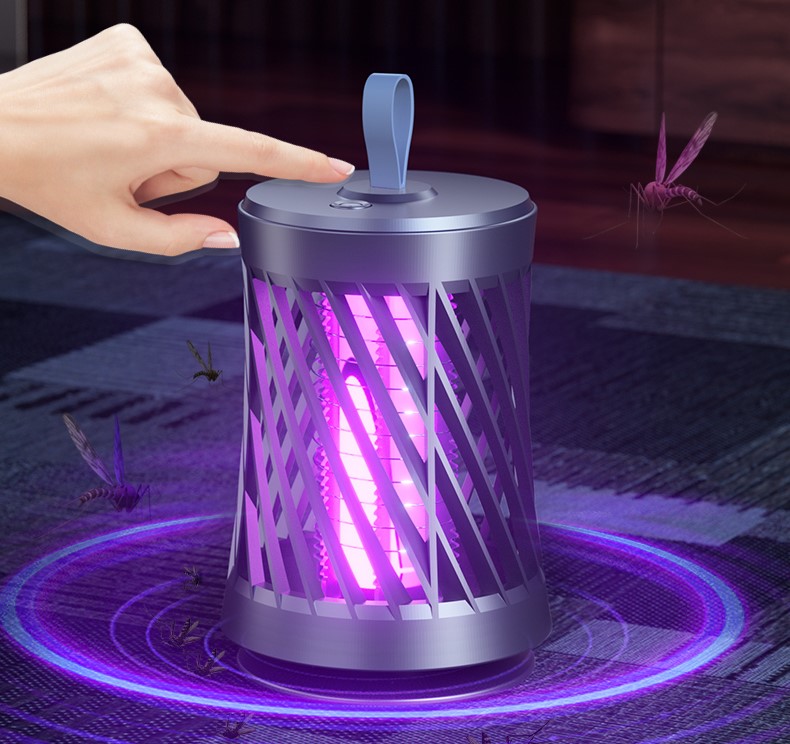
Additional Tips for Long-Term Storage
-
For long-term storage (more than 6 months), check the lamp every 1-2 months to ensure there’s no mold, dust buildup, or battery leakage. Wipe it down lightly if needed.
-
If you have a battery-powered or rechargeable model, charge the battery to 50% before storage—this helps extend battery life. Avoid storing a fully charged or completely dead battery, as both can damage the battery’s capacity over time.
-
Do not disassemble the lamp unless instructed by the manufacturer—tampering with internal components can void the warranty and cause damage.
-
If your lamp is used outdoors, make sure it’s completely dry and free of water before storage. Even waterproof models are not designed for long-term exposure to stagnant moisture.
Final Thoughts
Storing your mosquito killer lamp properly is a simple yet effective way to extend its lifespan and ensure it works like new when mosquito season returns. By following these steps—unplugging safely, cleaning thoroughly, inspecting for damage, choosing the right storage location, and storing accessories separately—you can protect your investment and avoid the hassle of replacing a damaged lamp. With a little care, your mosquito killer lamp will continue to keep your home mosquito-free for many seasons to come!
Notes for Online Shopping of Electric Mosquito Swatters
How to Clean Your Electric Mosquito Swatter
Related Article

If you’re struggling with annoying mosquitoes, flies, and other flying pests indoors and outdoors, upgrading from traditional manual tools to anElectric Mosquito Swatter is the most efficient solution. Many homeowners and renters search where to buy fly swatter online to find durable, safe, and high-performance electric models that deliver instant pest control.
Where to Buy Fly Swatter
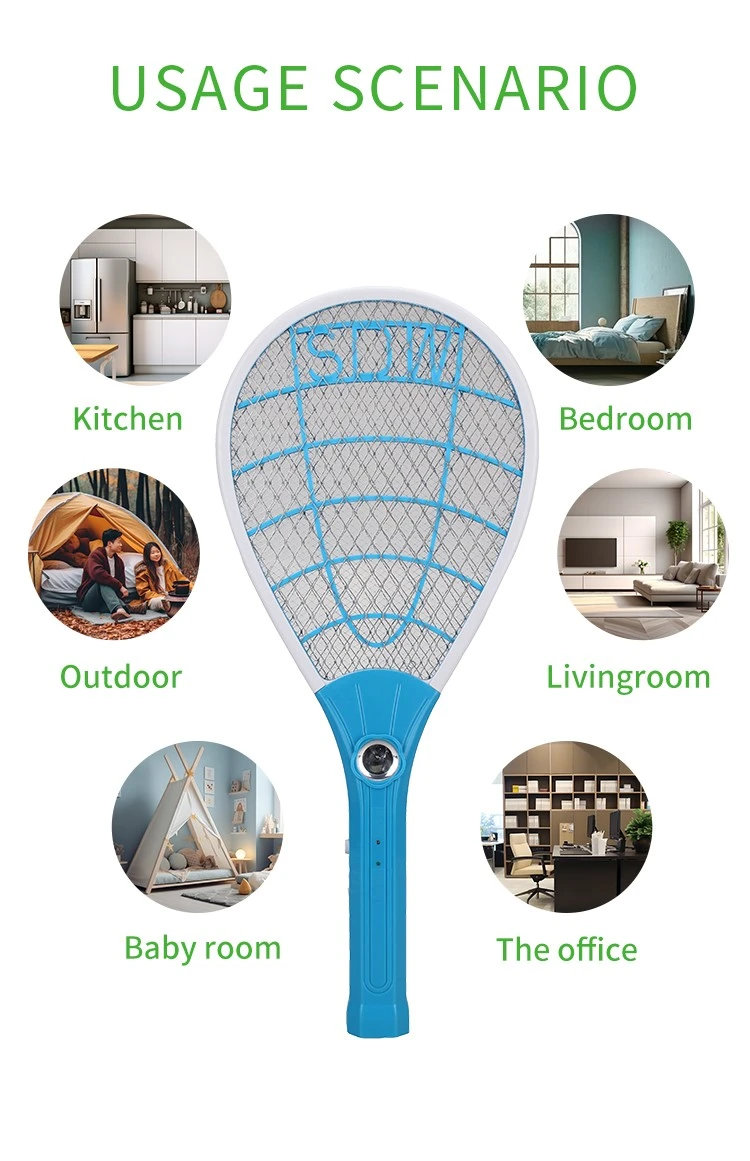
Most importers of electric mosquito swatters obsess over the first order: samples requested, factories vetted, a pre-shipment inspection booked. Then the reorder arrives eight months later and something is off. The grid feels softer. The charge port is a slightly different shade of black. The carton thickness dropped from 350 gsm to 300 gsm. Nothing is catastrophic — but the product no longer matches what your retail customers approved, and quietly, your return rate starts climbing.
How to Keep Mosquito Swatter Quality Consistent Across Repeat Orders
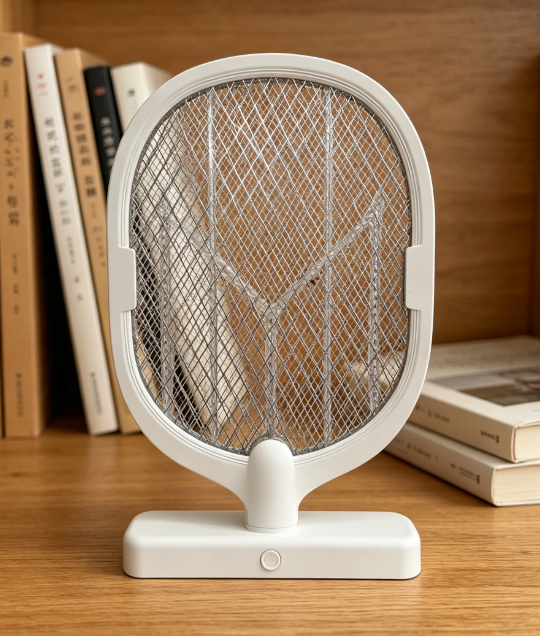
Warranty returns are the silent margin killer in the mosquito control category. A distributor who buys a swatter at $1.80 FOB and retails it at $9.90 can absorb a 1% return rate without noticing — but at 5%, the combined cost of replacement units, reverse logistics, and refund processing erases most of the line's profit.
Common mosquito swatter killer lamp failure modes wholesale spec guide

Digital bathroom scales rank as the second-highest-volume consumer weighing product category, only behind kitchen scales, with distinct market and product characteristics that set them apart from other scale types in importers’ product portfolios.
Digital bathroom body fat-bia-scale wholesale buyers guide