
How to Test a bug zapper
2025-05-22
How to Test a Bug Zapper
Testing a bug zapper is essential to ensure it’s working effectively and safely. Here’s a step-by-step guide on how to test your bug zapper.
Safety First: Preparation Before Testing
Before you start testing, prioritize safety. Unplug the bug zapper from the power source. Wear protective gloves and eyewear to prevent any accidental contact with potentially sharp components or electric parts. Also, ensure the area where you’ll be testing is well-lit and dry to avoid any slips or electrical hazards.
Step-by-Step Testing Process
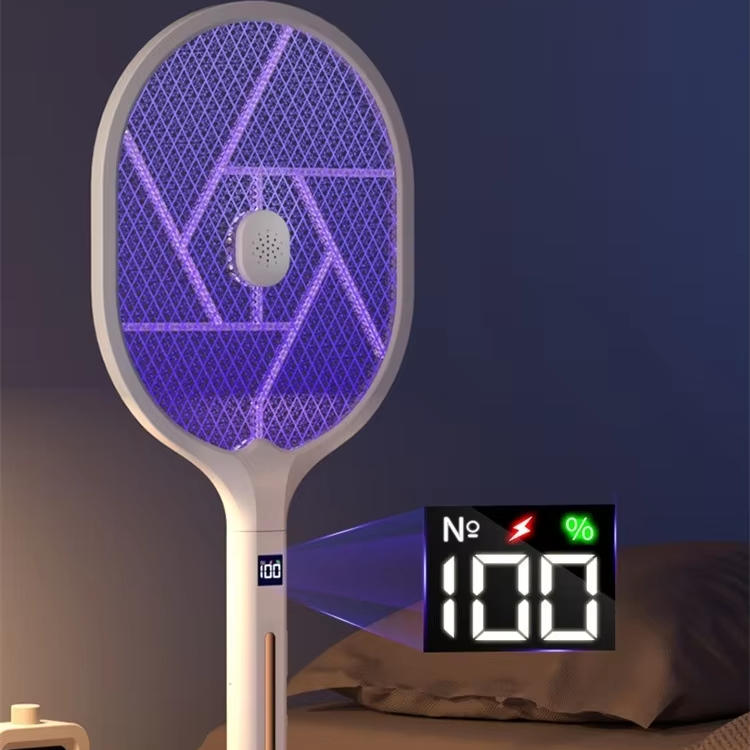
Visual Inspection
Begin with a visual check of the bug zapper. Look for any visible damage to the housing, wires, or the electrical grid. Check if the bulbs or UV lights are intact and free from cracks. If you notice any signs of wear and tear, it could indicate potential issues with the functionality of the bug zapper.
Powering On the Bug Zapper
After the visual inspection, carefully plug the bug zapper back into a working electrical outlet. Once powered on, observe if the lights turn on. Most bug zappers use UV lights to attract insects. If the lights don’t illuminate, there might be a problem with the bulbs, the power cord, or the internal electrical connections.
Testing the Electrical Grid
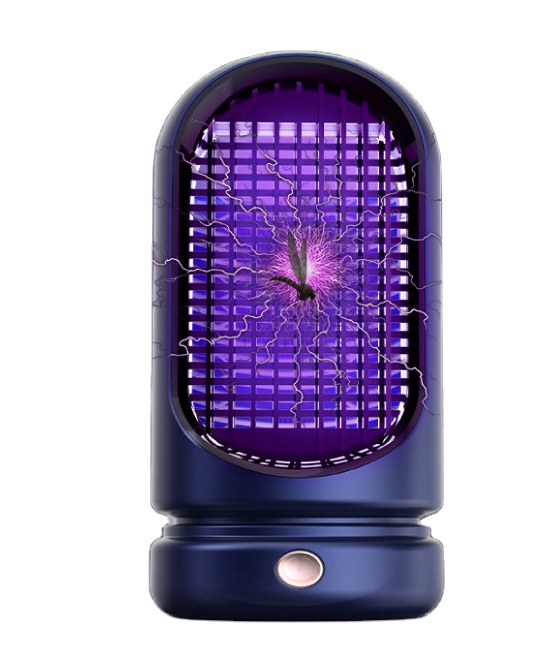
To test the electrical grid, you can use a piece of dry paper or a small twig (but never use your hands or any conductive materials). Gently and briefly touch the grid with the paper or twig. You should hear a faint “snap” sound and see a small spark, which indicates that the grid is working and has an electric charge. However, be extremely cautious during this step to avoid getting shocked.
Monitoring Bug Attraction and Elimination
Place the bug zapper in an area where insects are commonly found, such as near a garden or a window. Leave it on for a few hours, preferably during the evening when insects are more active. Check the collection tray or the area around the bug zapper regularly. If there are dead insects inside the tray or around the unit, it means the bug zapper is effectively attracting and eliminating pests.
Troubleshooting Common Issues
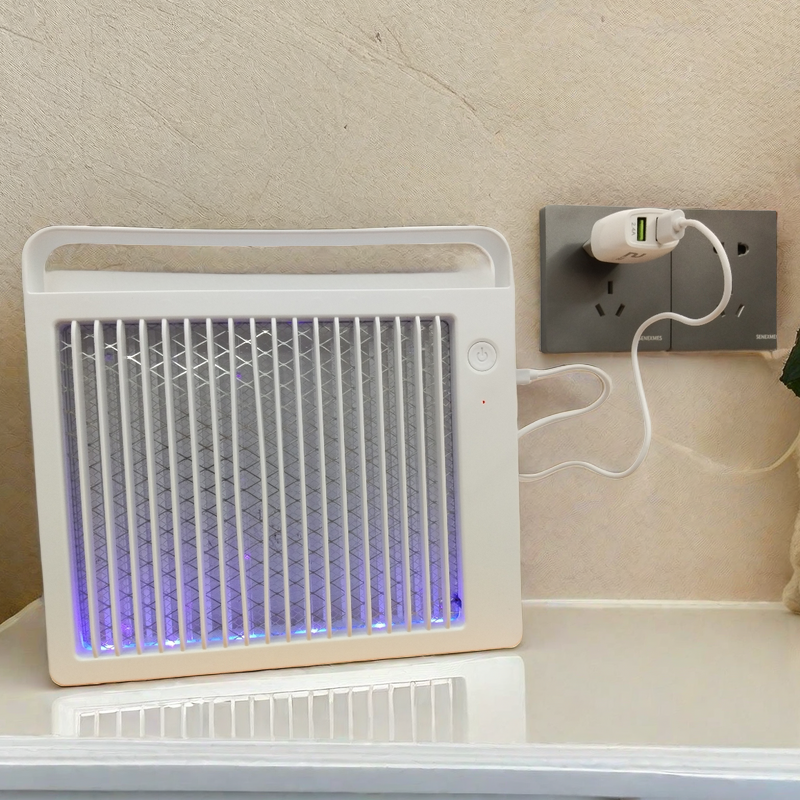
If your bug zapper fails any of the above tests, here are some common solutions. If the lights don’t turn on, try replacing the bulbs first. If the electrical grid isn’t working, check for loose connections or damaged wires. In case there are no insects being caught, consider relocating the bug zapper to a more insect-prone area or clean the unit, as dust and debris can interfere with its performance.
Testing your bug zapper regularly helps maintain its efficiency in keeping your surroundings free from pesky insects. By following these steps, you can ensure that your bug zapper is in optimal working condition.
How Do You Kill Mosquito Larvae in a Swimming Pool
Can a Mosquito Kill You
Related Article
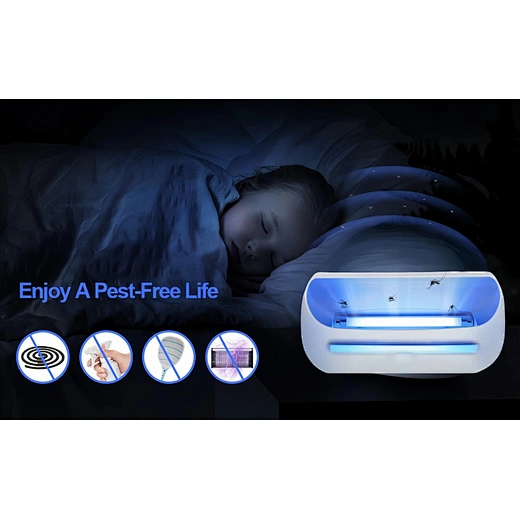
Mosquitoes rampage every summer, and mosquito incense is a must-have household mosquito repellent. As a traditional insect-repellent tool, coil mosquito incense, electric mosquito repellent tablets, and electric mosquito repellent liquids are widely used in most families. Their core active ingredient is usually pyrethroids.
Is Mosquito Incense Effective
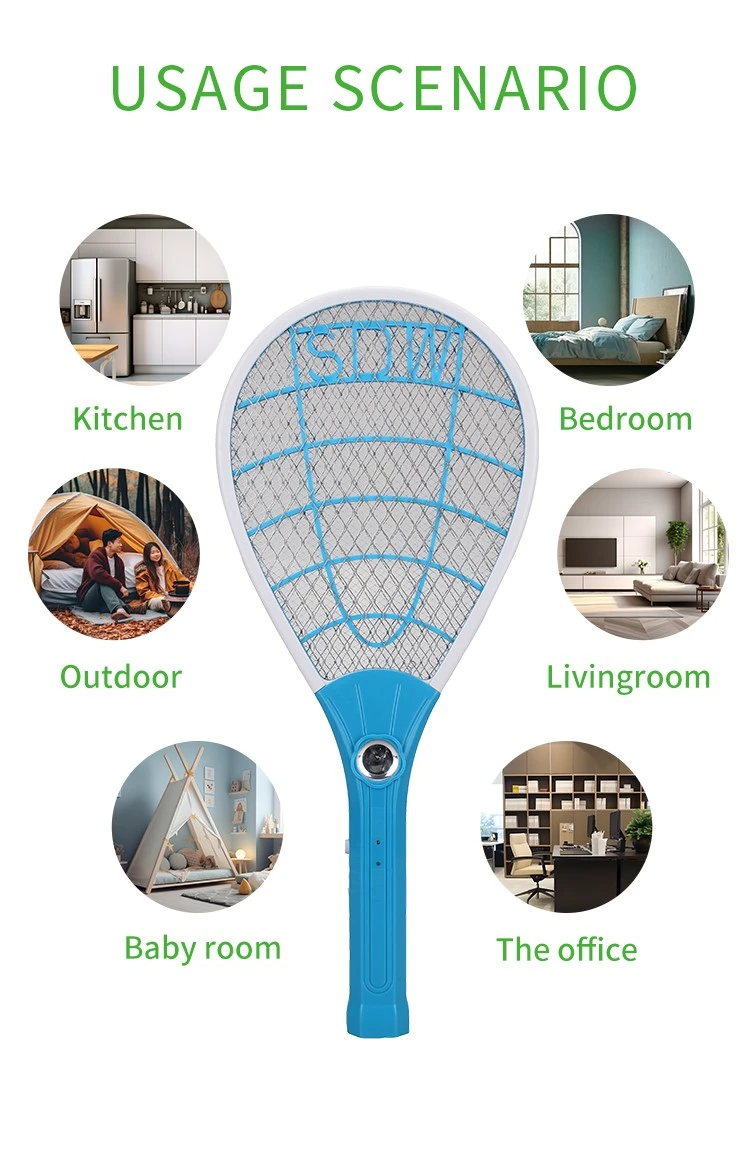
Chinese OEM factories can easily print your custom logo on mosquito swatter handles, but they cannot secure legal trademark registration for your brand. This critical distinction — a registered legal trademark versus a mere printed logo — separates ordinary wholesale importers from legitimate brand owners. In 2026, this gap brings tangible business consequences across major global sales and customs platforms.
How to Register and Defend Your Mosquito Swatter Brand in 2026
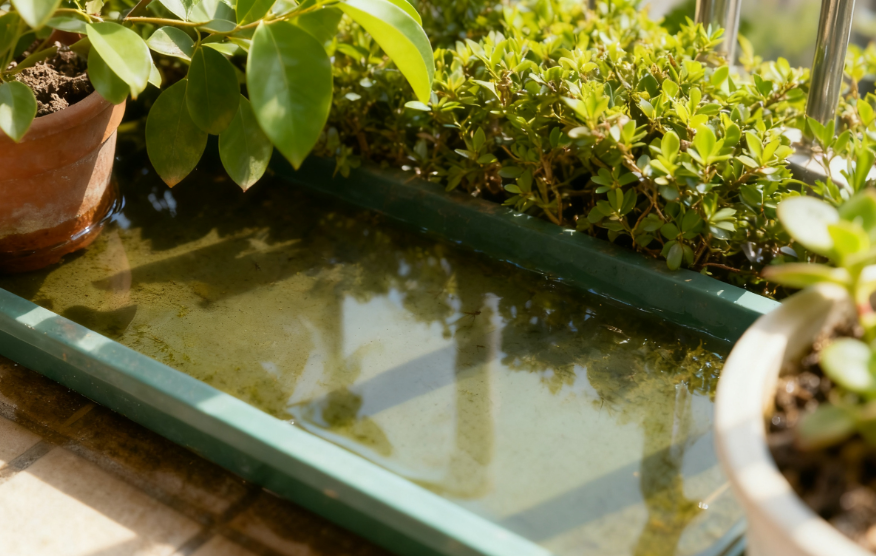
Mosquitoes are one of the most common and annoying pests worldwide. Their constant buzzing and painful bites ruin outdoor activities, disturb rest, and even pose health risks by spreading infectious diseases. Most people only notice mosquitoes when they get bitten, yet few understand why certain areas are packed with far more mosquitoes than others. Mosquito survival and reproduction rely on three core conditions: stagnant water, high humidity, and shaded, windless environments.
Where Do Mosquitoes Thrive the Most
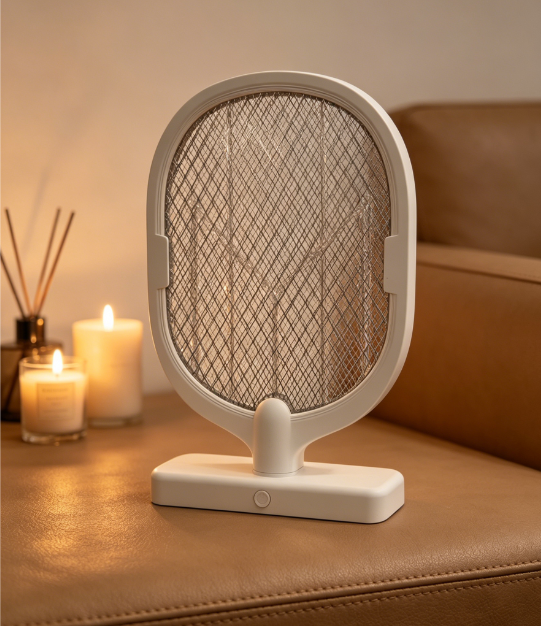
Walk any importer’s booth at the Canton Fair, and you will notice an obvious product zoning rule: identical-looking mosquito killer lamps are placed in two separate areas — household indoor shelves and outdoor garden shelves.
These products look almost the same from a distance, but their internal specifications are entirely different.
These products look almost the same from a distance, but their internal specifications are entirely different.
Indoor vs Outdoor Mosquito Killer Lamps