
How to Test a Bug Zapper
2025-06-06
How to Test a Bug Zapper: Key Steps to Ensure Effective Mosquito Control
Bug zappers are reliable allies in the fight against mosquitoes during summer. However, their performance may decline over time. Regularly testing a bug zapper ensures it stays in optimal working condition. Here is a detailed guide on how to test a bug zapper.
I. Preparations Before Testing
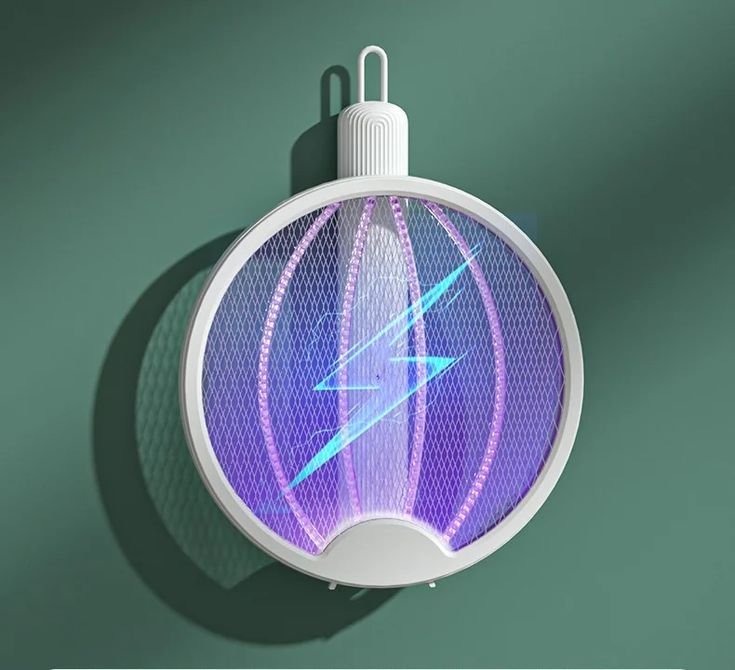
Proper preparations before testing a bug zapper can make the testing process smoother and more accurate.
1. Safety Inspection
Before testing, make sure the bug zapper is unplugged to avoid the risk of electric shock during the inspection. Also, check the power cord for any damage or signs of aging. If there are issues, replace the cord promptly to prevent potential electrical hazards.
2. Clean the Bug Zapper
After a period of use, a bug zapper accumulates a large number of mosquito carcasses and dust inside, which can affect the test results. Gently clean the interior of the bug zapper with a clean soft brush. For stubborn stains, you can wipe them with a slightly damp soft cloth, but ensure the bug zapper is completely dry before testing.
II. Specific Testing Methods for Bug Zappers
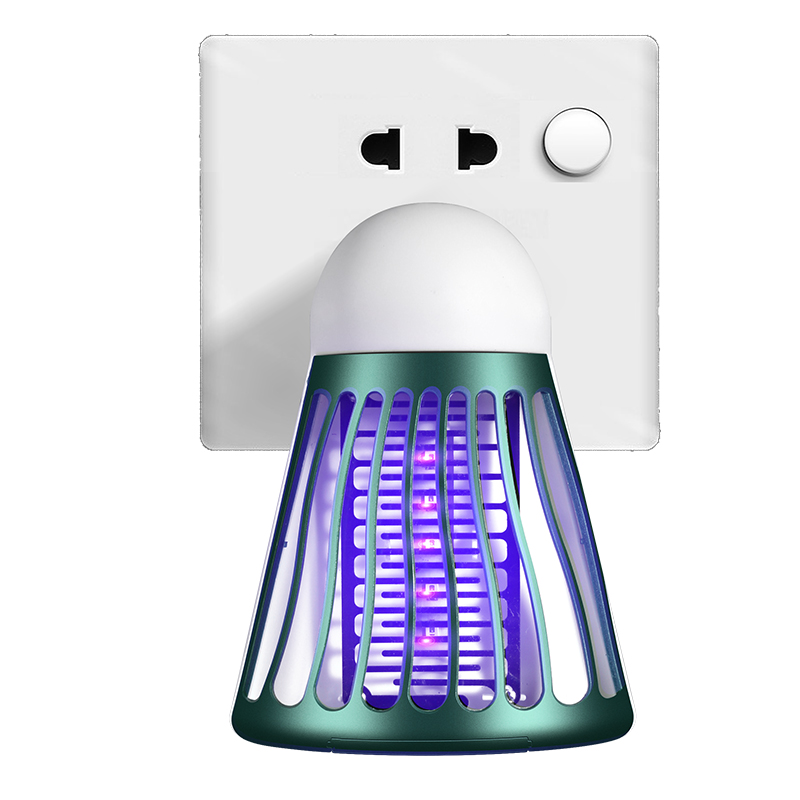
Mastering the correct testing methods allows for an accurate assessment of the bug zapper's working condition.
1. Power - On Test
Plug in the clean and completely dry bug zapper and observe whether the light tube lights up normally. If the light tube doesn't light up, it could be due to a damaged tube or a problem with the power connection. Try replacing the light tube. If it still doesn't light up after replacement, check the power cord, plug, and internal circuit connections.
2. Electric Grid Function Test
The electric grid of a bug zapper is a crucial component for killing mosquitoes. After the light tube lights up, use an insulated tool (such as a wooden chopstick) to gently approach the electric grid, but do not touch it directly. Normally, the electric grid will produce a slight "crackling" sound, indicating that it is working properly and generating an electric shock effect. If no sound is heard, the electric grid may be malfunctioning, and you need to further check the grid's wiring connections and for any damaged parts.
3. Mosquito - Attracting Effect Test
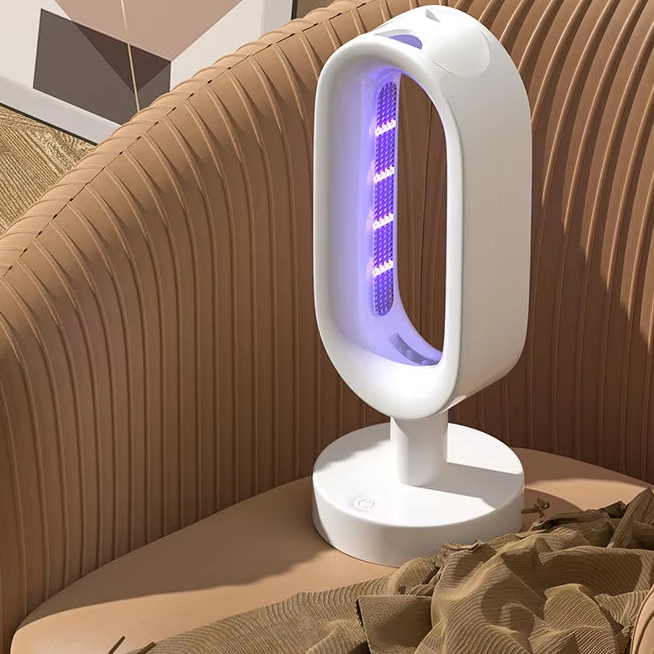
The mosquito - attracting effect of a bug zapper directly affects its mosquito - killing ability. Place a small bowl of sugar water (simulating flower nectar) near the bug zapper, turn off other indoor light sources, and wait for a while (about 15 - 30 minutes). Observe whether mosquitoes are attracted to the bug zapper and killed by the electric grid. If few mosquitoes are attracted, it may be that the mosquito - attracting light tube of the bug zapper is aging, and the emitted light has a weakened attraction to mosquitoes. In this case, consider replacing the mosquito - attracting light tube.
III. Inspection and Maintenance After Testing
After completing the test, there are some follow - up tasks to ensure the bug zapper continues to work effectively.
1. Check the Fixing Condition
The testing process may slightly shake the hanging or placement position of the bug zapper. After the test, check whether the bug zapper is still firmly fixed. For hanging bug zappers, check if the hooks, screws, and other fixing components are loose. For bug zappers placed on a flat surface like a table, ensure they are placed stably to avoid falling and damage.
2. Record the Test Results
To better understand the working status of the bug zapper, it is advisable to record the results of each test. Include information such as whether the light tube lights up normally, if the electric grid is working, and the effectiveness of mosquito attraction. Through long - term recording, you can promptly detect changes in the bug zapper's performance and carry out maintenance and component replacement in advance, extending the lifespan of the bug zapper.
Will a Bug Zapper Kill Fleas
The Method of Hanging a Bug Zapper
Related Article

If you’re struggling with annoying mosquitoes, flies, and other flying pests indoors and outdoors, upgrading from traditional manual tools to anElectric Mosquito Swatter is the most efficient solution. Many homeowners and renters search where to buy fly swatter online to find durable, safe, and high-performance electric models that deliver instant pest control.
Where to Buy Fly Swatter
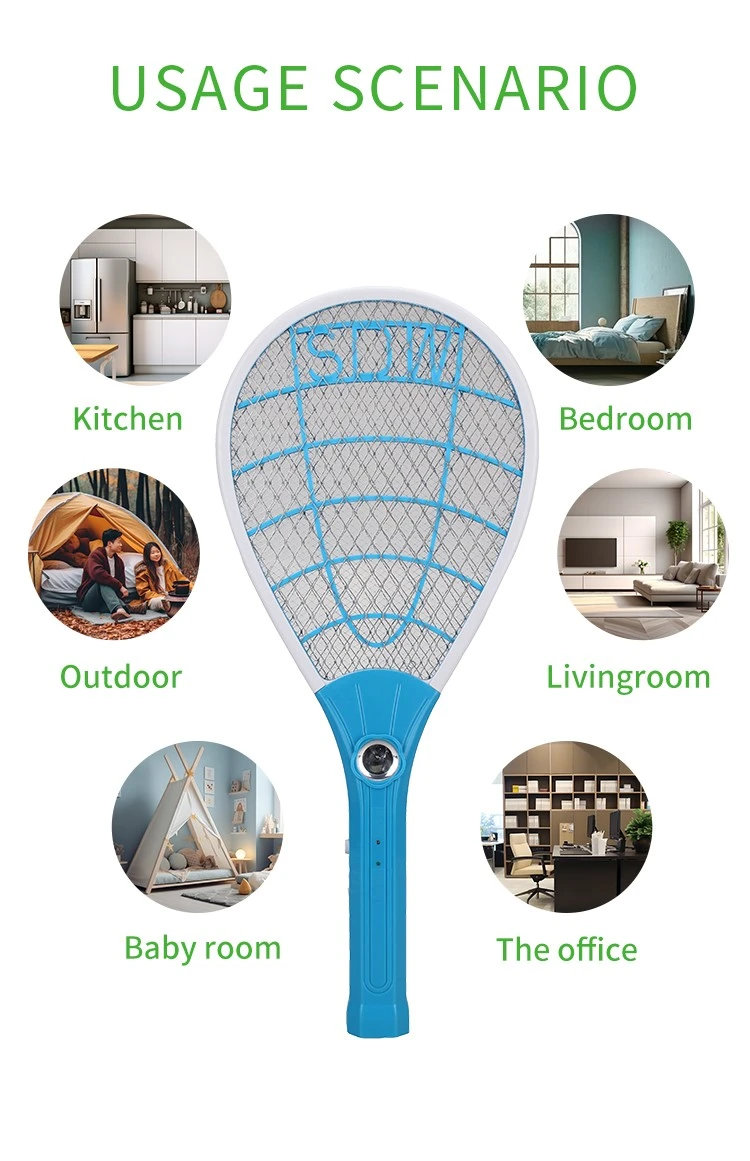
Most importers of electric mosquito swatters obsess over the first order: samples requested, factories vetted, a pre-shipment inspection booked. Then the reorder arrives eight months later and something is off. The grid feels softer. The charge port is a slightly different shade of black. The carton thickness dropped from 350 gsm to 300 gsm. Nothing is catastrophic — but the product no longer matches what your retail customers approved, and quietly, your return rate starts climbing.
How to Keep Mosquito Swatter Quality Consistent Across Repeat Orders
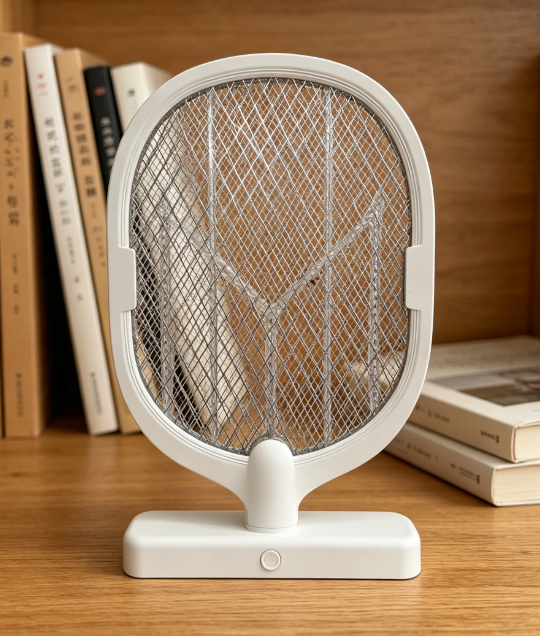
Warranty returns are the silent margin killer in the mosquito control category. A distributor who buys a swatter at $1.80 FOB and retails it at $9.90 can absorb a 1% return rate without noticing — but at 5%, the combined cost of replacement units, reverse logistics, and refund processing erases most of the line's profit.
Common mosquito swatter killer lamp failure modes wholesale spec guide

Digital bathroom scales rank as the second-highest-volume consumer weighing product category, only behind kitchen scales, with distinct market and product characteristics that set them apart from other scale types in importers’ product portfolios.
Digital bathroom body fat-bia-scale wholesale buyers guide