
How to Test Mosquito Swatter Samples Before Placing a Bulk Order
2026-08-28
Pre-Production Sample Evaluation: How to Test Mosquito Swatter Samples Before Placing a Bulk Order
Requesting pre-production samples is the most underrated quality control step in small appliance sourcing. According to a 2025 survey by the Global Sourcing Association, 61% of first-time importers who skip sample evaluation experience field defect rates above 5% on their first bulk shipment. In contrast, only 8% of buyers who conduct structured sample testing encounter such issues. For mosquito swatters, a single faulty component — including a cracked ABS handle, humidity-induced mesh deformation, or a battery that fails to hold charge after 50 cycles — can result in retailer chargebacks. Therefore, sample testing is indispensable and serves as the most cost-effective risk mitigation measure for quality issues.
This guide comprehensively introduces sample submission requirements, core testing indicators, and critical red flags that warrant a pause on the 30% deposit payment.
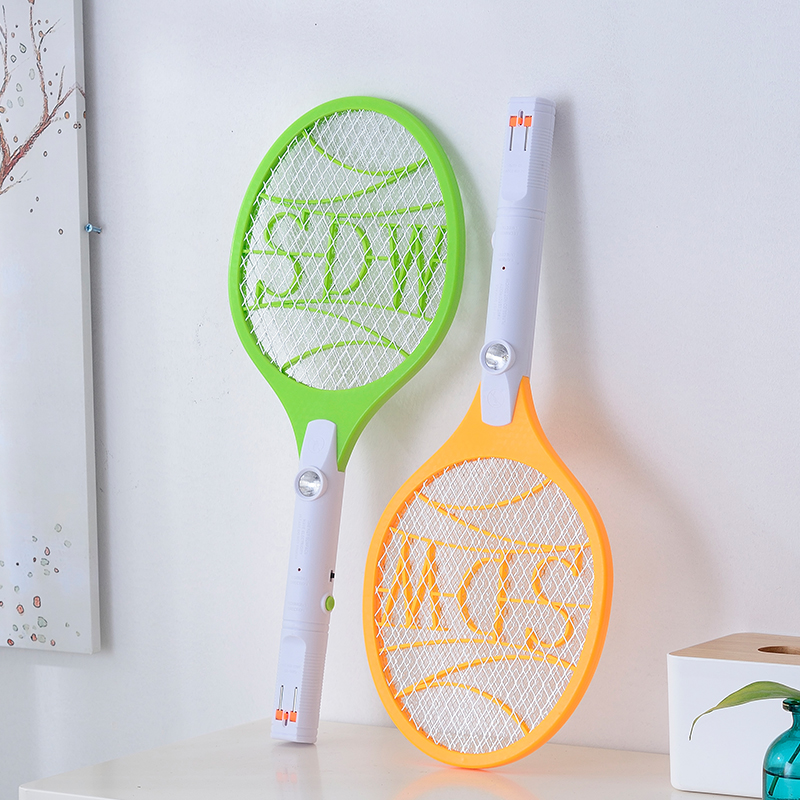
Sample Types, Quantities and Testing Rounds
Chinese manufacturers generally provide two types of samples: stock samples, picked from existing finished goods inventory, and pre-production samples, manufactured strictly in accordance with your customized specifications, logos, packaging and component revisions. Stock samples only verify a factory’s basic manufacturing capability, while pre-production samples truly reflect the actual quality of your customized products.
A standardized and complete sample evaluation process is as follows:
|
Round
|
Sample Type
|
Quantity
|
Purpose
|
|
Round 1
|
Stock Sample
|
2–3 units
|
Conduct baseline quality assessment and verify the factory’s production capacity
|
|
Round 2
|
Initial Pre-Production Sample
|
3–5 units
|
Verify customized specifications, logo placement, color matching and packaging compatibility
|
|
Round 3
|
Revised Pre-Production Sample
|
3 units
|
Confirm the rectification of problems found in Round 2 and finalize the golden standard sample
|
Custom branded mosquito swatters usually require 2–3 rounds of sample testing, while standard white-label models with no modifications only need one round. If a factory refuses to provide pre-production samples or claims that "stock samples are identical to customized products", the factory shall be disqualified immediately and cooperation shall be terminated.
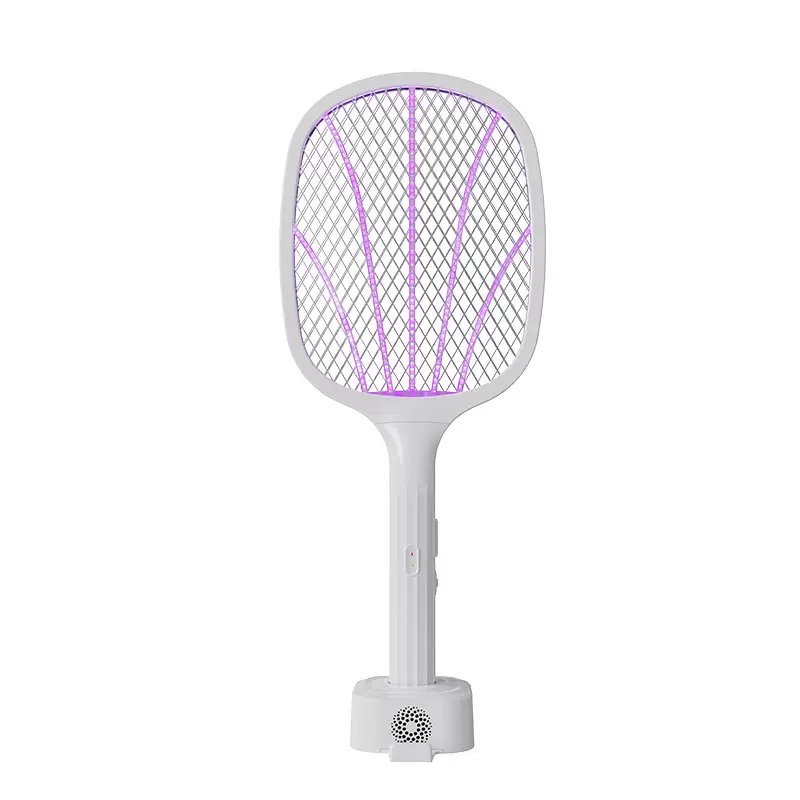
Five Mandatory Tests for Mosquito Swatter Samples
Visual inspection alone is insufficient. Products with flawless appearances may still fail functional tests. Based on after-sales defect data from three leading quality inspection institutions in Shenzhen, the following five tests cover more than 80% of common customer complaints after shipment.
1. Grid Voltage Output Test
Measure the peak voltage of the mesh using a digital oscilloscope or high-impedance multimeter. Standard rechargeable mosquito swatters feature an outer mesh peak voltage of 2,000–3,000V. A reading below 1,800V indicates underperforming built-in transformers or capacitors. Such products can only stun mosquitoes instead of killing larger ones, which will inevitably lead to customer returns.
|
Test Item
|
Testing Instrument
|
Pass Criteria
|
Failure Action
|
|
Grid Voltage Output
|
10MΩ Input Impedance Digital Multimeter
|
Peak voltage ≥ 2,000V
|
Reject the corresponding batch of transformers and capacitors
|
|
Mesh Gap Uniformity
|
0.01mm Precision Digital Caliper
|
Gap: 4–6mm, tolerance ≤ 0.5mm
|
Replace the mesh stamping die
|
|
Battery Cycle Life
|
Charge-Discharge Cycle Tester
|
≥80% capacity retention after 300 cycles
|
Replace the battery supplier
|
|
1.2m Drop Test
|
Concrete floor, six-sided full drop test
|
No cracks and complete functional integrity
|
Upgrade ABS material grade or increase shell wall thickness
|
|
Safety Discharge Performance
|
Manual test (3-button protection activation)
|
Mesh voltage drops below 50V within 3 seconds
|
Failure to meet CE and FCC safety compliance requirements
|
2. Mesh Gap Uniformity Test
The gap between mesh layers directly determines the interception efficiency of small insects such as fruit flies and sandflies. Measure the gap at 10 random points on the mesh surface with a caliper. The industry standard gap ranges from 4mm to 6mm. A tolerance exceeding 0.5mm indicates a worn mesh stamping die, which will deteriorate rather than improve during mass production.
3. Battery Cycle Life Test
For rechargeable mosquito swatters, request and verify the manufacturer’s internal battery cycle test data. Conduct charge-discharge cycle tests on no fewer than 2 samples: fully charge the device and completely discharge it via the mesh, then repeat the cycle. Qualified 18650 lithium batteries or polymer batteries maintain over 80% capacity after 300 cycles. If the factory claims a 500-cycle lifespan but the actual test only reaches 180 cycles, the batteries are counterfeit or refurbished.
4. 1.2-Meter Drop Test
Simulate conventional logistics drop scenarios by dropping each sample from 1.2 meters onto a concrete floor, covering all six sides of the product. The passing standard requires no visible cracks and full functional normality. Cracks at the battery compartment seam indicate low-grade ABS material or a shell wall thickness of less than 1.8mm, which is the leading cause of logistics damage claims.
5. Safety Discharge Test
After powering off the mosquito swatter, the mesh voltage must drop below the 50V safety threshold within 3 seconds, a mandatory requirement for CE and FCC certification. Residual voltage of 300V on the mesh after shutdown will result in certification failure and pose severe litigation risks for retail distributors.
Sample Fee Negotiation: Charging Standards and Payment Rules
Industry standard charges (including DHL shipping fees) are USD 30–80 per stock sample and USD 80–200 per pre-production sample for orders involving custom tooling, logo printing and exclusive packaging. The universal cooperation rules are as follows:
1. Stock Samples: Paid by the buyer, as a reasonable quality inspection cost for procurement.
2. Pre-Production Samples: The buyer pays the fee in advance, with a negotiated full deduction against subsequent bulk orders. Reputable factories widely adopt this rule: sample fees are fully refunded or deducted from the invoice for orders of 1,000 units or more.
3. Custom Packaging Samples: Custom die-cut box development costs USD 100–250 with a 7–14 day lead time, and the fee is also deductible from bulk order payments.
Avoid cooperating with factories that charge over USD 500 for pre-production samples with no refund or deduction policy. Such factories either lack confidence in their product quality or seek profit from sample production.
Critical Red Flags for Terminating Cooperation
The following defects found in sample testing are absolute deal-breakers. Do not pay deposits if any of these issues occur; request revised samples or switch suppliers immediately:
1. Visible manual welding marks on the mesh surface (non-automatic welding), leading to inconsistent quality in mass production.
2. Unmarked or relabeled batteries, most likely refurbished or counterfeit. Only adopt branded batteries (Samsung, LG, Panasonic, or certified domestic equivalents with official datasheets).
3. Charging port offset exceeding 1mm, a mold precision defect that will persist in mass production.
4. Visible electric arcs when toggling the power switch, indicating underrated internal relays or switches and serious safety hazards.
5. Acetone odor emitted by heated ABS plastic, signifying low-grade recycled material that will become brittle within six months, especially in tropical climates.
6. Factory refusal to provide internal quality inspection reports, indicating a lack of formal quality control procedures and valid test data.
From Qualified Sample to Finalized Mass Production Standard
After samples pass all five tests with no red flags, formalize and lock the mass production standards via the following procedures:
1. Sign a Golden Sample Agreement: Both parties confirm in writing that the qualified sample serves as the sole reference standard for mass production. Each party retains one sealed sample for quality verification of all bulk products.
2. Preserve comprehensive visual records: Take high-definition macro photos of key details including the mesh, handle seams, charging port, switch and logo placement with date stamps, as valid evidence for future quality dispute resolution.
3. Specify tolerance standards in purchase orders: Clarify precise parameter tolerances in official orders, e.g., mesh gap 5mm ± 0.5mm, handle wall thickness ≥ 1.8mm, battery capacity ≥ 1200mAh. Vague specifications lead to inconsistent product quality.
4. Link golden samples to pre-shipment inspection: QC inspectors compare randomly selected bulk products against the sealed golden sample before shipment, realizing closed-loop quality control from sample confirmation to bulk delivery.
The total cost of the entire sample testing process, including sample fees, shipping charges, multimeter equipment and 3–4 hours of manual testing, rarely exceeds USD 400. In comparison, a 5,000-unit bulk order with defective cracked handles and failed batteries may cause USD 15,000–25,000 in losses from chargebacks and returns, plus irreversible damage to retail partnership relationships. The cost-benefit advantage is self-evident.
Aofengming Electric maintains a professional sample testing laboratory. All pre-production samples undergo the full five-item testing procedure and pass verification before customer confirmation. Buyers are welcome to inspect the factory and witness the testing process on-site or via video conference.
Mosquito Killer Lamp Coverage Area
MOQ and Pricing Negotiation with Chinese Mosquito Swatter Manufacturers
Related Article

If you’re struggling with annoying mosquitoes, flies, and other flying pests indoors and outdoors, upgrading from traditional manual tools to anElectric Mosquito Swatter is the most efficient solution. Many homeowners and renters search where to buy fly swatter online to find durable, safe, and high-performance electric models that deliver instant pest control.
Where to Buy Fly Swatter

Most importers of electric mosquito swatters obsess over the first order: samples requested, factories vetted, a pre-shipment inspection booked. Then the reorder arrives eight months later and something is off. The grid feels softer. The charge port is a slightly different shade of black. The carton thickness dropped from 350 gsm to 300 gsm. Nothing is catastrophic — but the product no longer matches what your retail customers approved, and quietly, your return rate starts climbing.
How to Keep Mosquito Swatter Quality Consistent Across Repeat Orders

Warranty returns are the silent margin killer in the mosquito control category. A distributor who buys a swatter at $1.80 FOB and retails it at $9.90 can absorb a 1% return rate without noticing — but at 5%, the combined cost of replacement units, reverse logistics, and refund processing erases most of the line's profit.
Common mosquito swatter killer lamp failure modes wholesale spec guide

Digital bathroom scales rank as the second-highest-volume consumer weighing product category, only behind kitchen scales, with distinct market and product characteristics that set them apart from other scale types in importers’ product portfolios.
Digital bathroom body fat-bia-scale wholesale buyers guide