
How to Trap Mosquitoes Indoors
2025-06-26
How to Trap Mosquitoes Indoors
Understanding Mosquito Activity Patterns and Preferences
To successfully trap mosquitoes indoors, it is essential to first understand their activity patterns and preferences. Mosquitoes are typically most active during dusk and dawn. They rely on their sense of smell to find targets and are highly sensitive to carbon dioxide exhaled by the human body, the heat emitted, and substances like lactic acid in sweat. In addition, mosquitoes prefer dark, damp, and moderately - warm environments. Areas such as indoor corners, under the bed, and the bathroom are where they like to hide. Mastering this information allows us to set up trapping devices more targeted.
Using Professional Trapping Tools
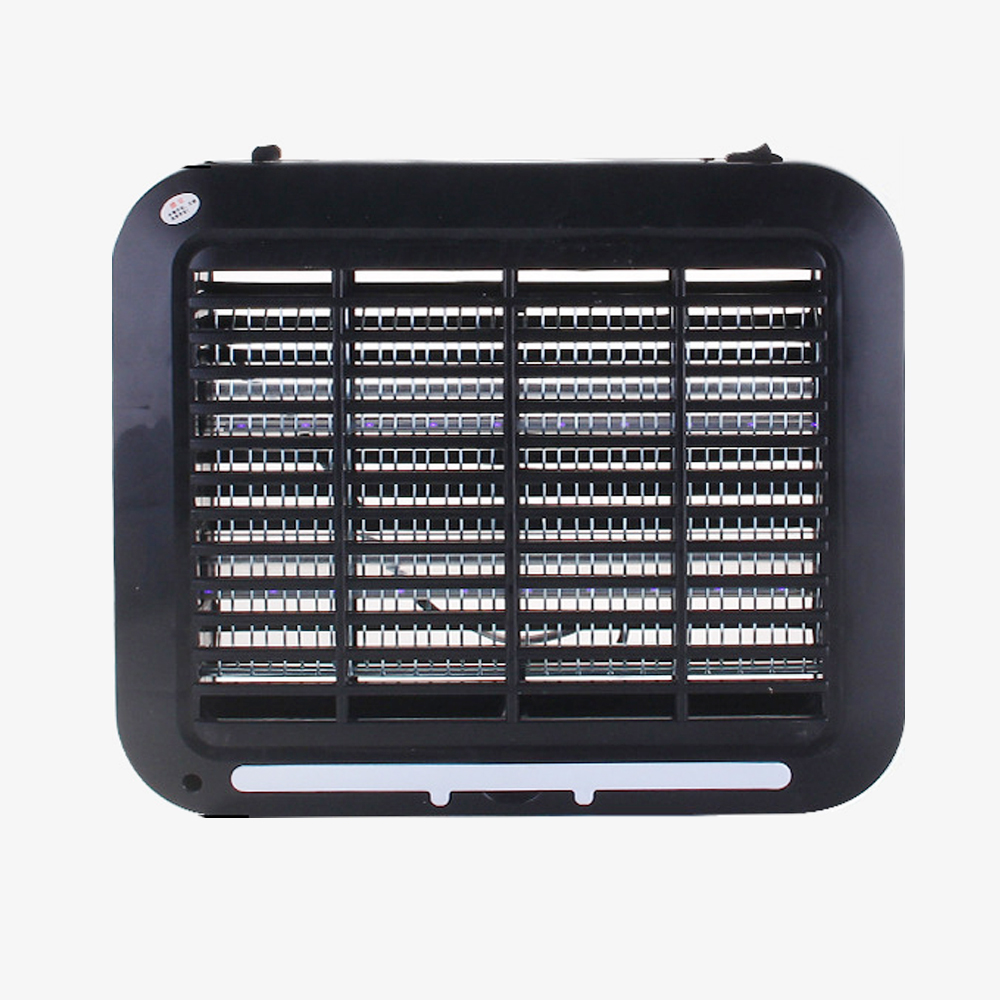
Bug zappers are common and effective indoor mosquito - trapping tools. They mainly attract mosquitoes by taking advantage of their phototaxis to specific wavelengths of ultraviolet light. Some bug zappers are also equipped with carbon dioxide generators, heating devices, or components that emit odors simulating human sweat, further enhancing the trapping effect. Place the bug zapper at a height of 1 - 1.5 meters from the ground, which is close to the flying height of mosquitoes, and put it in a place away from human activities and light interference to avoid affecting the trapping effect. After turning on the bug zapper, mosquitoes will be attracted, and they will either touch the electric grid or be sucked into the mosquito collection box.
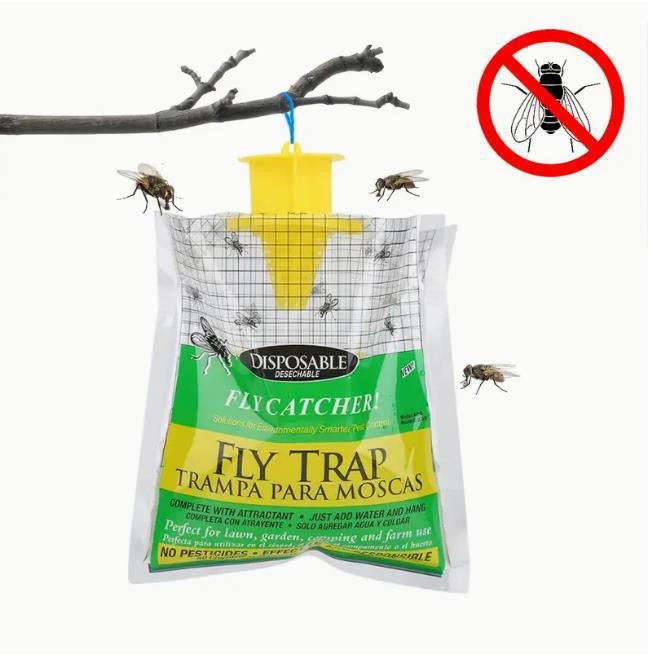
Mosquito glue traps are easy to use and environmentally friendly. They are made by applying a strong adhesive to a special cardboard and pairing it with baits that attract mosquitoes, such as sugar water or fermented fruit juice. When mosquitoes are attracted by the smell, they will get stuck and unable to escape. Place the mosquito glue traps in areas where mosquitoes are likely to appear, such as window sills, corners, and under the lights, and check and replace the traps that are full of mosquitoes regularly.
Making Simple Homemade Traps
Sugar Water Trap
Prepare a shallow container, such as a bowl or plate. Pour an appropriate amount of sugar water (you can mix white sugar or honey with water) into it, and then add a few drops of dish soap. The dish soap can reduce the surface tension of the water, preventing mosquitoes from floating once they fall into the sugar water, causing them to drown. Place this trap in areas where mosquitoes are active indoors and change the sugar water every few days to maintain its attractiveness.
Beer Trap
The smell of fermented beer is attractive to mosquitoes to a certain extent. Take an empty beer bottle, pour a small amount of beer into it, seal the bottle mouth with plastic wrap, and poke several small holes in the plastic wrap. Mosquitoes will be attracted by the smell of beer, enter the bottle through the holes, but find it difficult to fly out again and eventually get trapped in the bottle. Put the beer trap in indoor corners and other places, and clean up the trapped mosquitoes and replace the beer regularly.
Optimizing the Indoor Environment to Assist Trapping
Reducing Disturbing Factors
Excessively bright lights, noisy sounds, and overly strong ventilation indoors can all affect the trapping of mosquitoes. When using trapping tools, try to turn off unnecessary lights, reduce indoor noise, and appropriately control the air volume of the ventilation openings to create a relatively quiet, dim, and stable - airflow environment, making it easier for mosquitoes to be attracted to the trapping devices.
Concentrating Mosquito Activity Areas
By placing some items that mimic human breath, such as small heating objects or fabrics with a slight sweat smell, in specific areas indoors, mosquitoes can be concentrated in one area. Then, set up trapping tools intensively in this area to improve the trapping efficiency.
By combining the above methods, from understanding mosquito habits, using professional tools, making homemade traps to optimizing the indoor environment, we can more effectively trap mosquitoes indoors and reduce their interference with daily life.
Where to Buy a Fly Swatter
How to Kill Mosquitoes at Home
Related Article

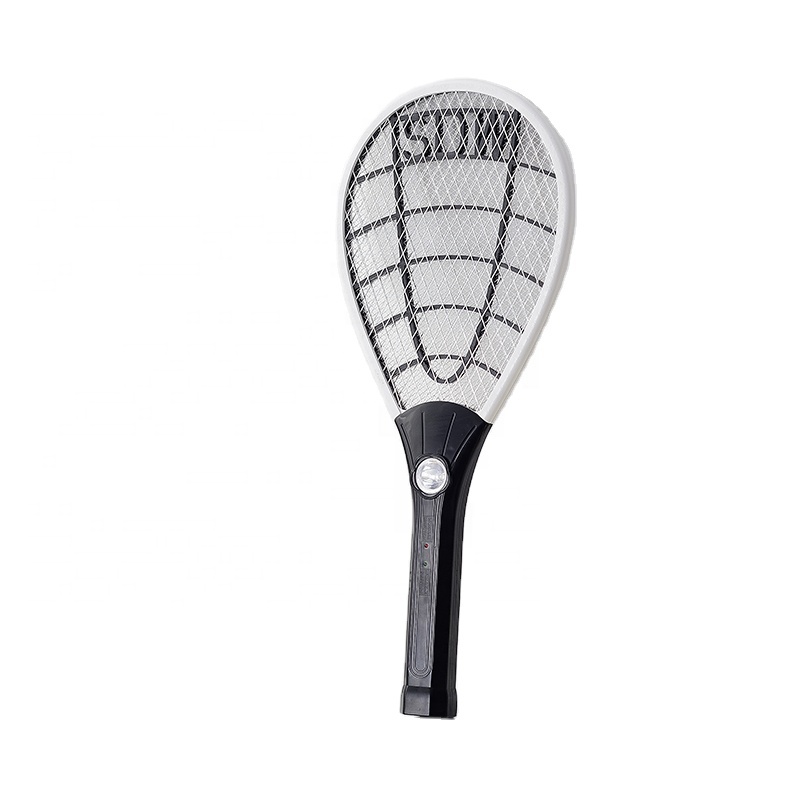
If you’re struggling with annoying mosquitoes, flies, and other flying pests indoors and outdoors, upgrading from traditional manual tools to anElectric Mosquito Swatter is the most efficient solution. Many homeowners and renters search where to buy fly swatter online to find durable, safe, and high-performance electric models that deliver instant pest control.
Where to Buy Fly Swatter
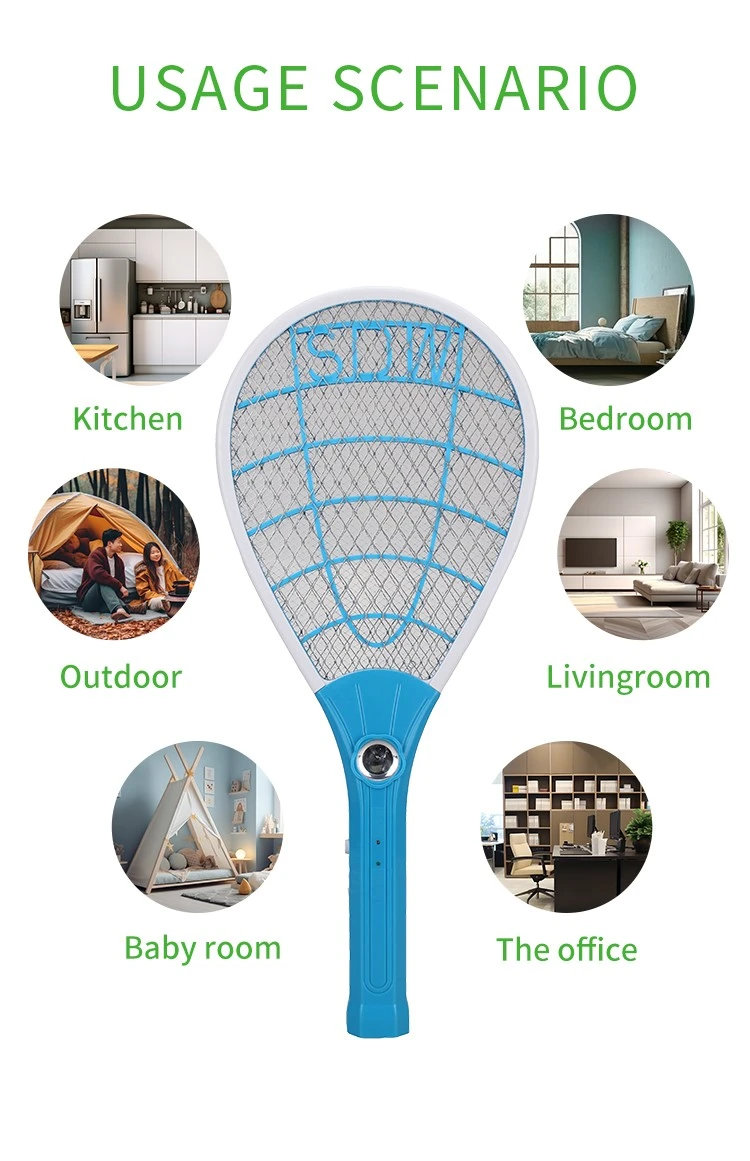
Most importers of electric mosquito swatters obsess over the first order: samples requested, factories vetted, a pre-shipment inspection booked. Then the reorder arrives eight months later and something is off. The grid feels softer. The charge port is a slightly different shade of black. The carton thickness dropped from 350 gsm to 300 gsm. Nothing is catastrophic — but the product no longer matches what your retail customers approved, and quietly, your return rate starts climbing.
How to Keep Mosquito Swatter Quality Consistent Across Repeat Orders
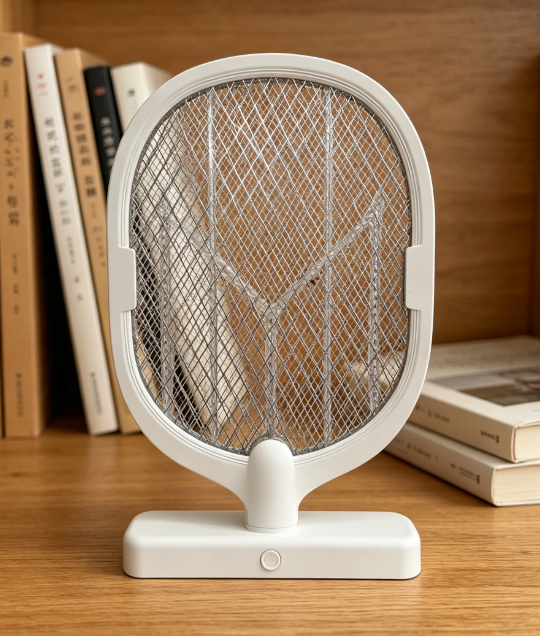
Warranty returns are the silent margin killer in the mosquito control category. A distributor who buys a swatter at $1.80 FOB and retails it at $9.90 can absorb a 1% return rate without noticing — but at 5%, the combined cost of replacement units, reverse logistics, and refund processing erases most of the line's profit.
Common mosquito swatter killer lamp failure modes wholesale spec guide

Digital bathroom scales rank as the second-highest-volume consumer weighing product category, only behind kitchen scales, with distinct market and product characteristics that set them apart from other scale types in importers’ product portfolios.
Digital bathroom body fat-bia-scale wholesale buyers guide