
How to Use a Kitchen Scale
2026-04-15
How to Use a Kitchen Scale: A Beginner’s Guide for Precise Cooking & Baking
If you’ve ever struggled with lumpy cakes, dense bread, or off-balance seasonings, you know that precision is everything in the kitchen. A kitchen scale isn’t just a “nice-to-have” tool—it’s a game-changer for both baking and cooking, ensuring your ingredients are measured accurately every time. Whether you’re a beginner or looking to upgrade your kitchen skills, this step-by-step guide will teach you how to use a kitchen scale like a pro, eliminate guesswork, and elevate your dishes.
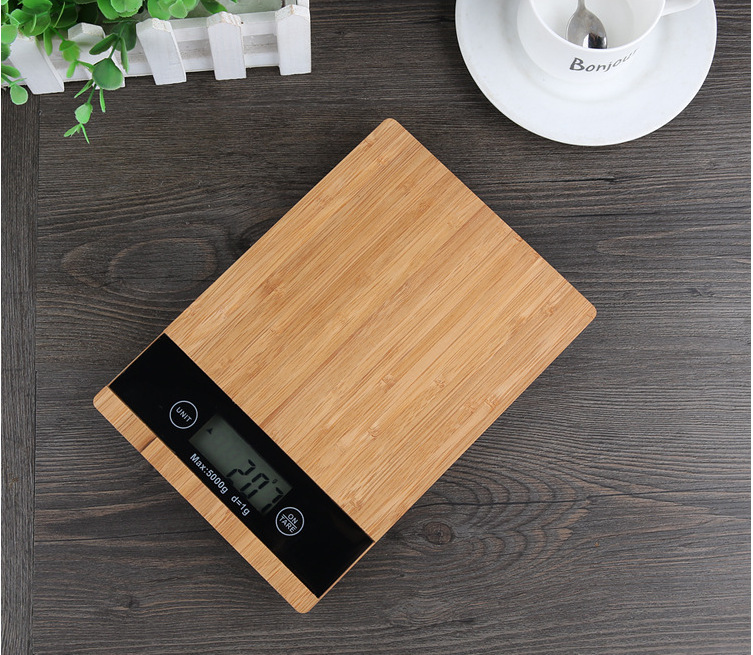
Why Use a Kitchen Scale Instead of Measuring Cups?
Before diving into the “how,” let’s talk about the “why.” Measuring cups and spoons are convenient, but they’re often imprecise. Factors like how tightly you pack flour, the humidity in your kitchen, or even the shape of your cup can lead to inconsistent measurements. A kitchen scale, on the other hand, measures weight (usually in grams, ounces, pounds, or milliliters) directly, so you get the exact amount of each ingredient—no more guesswork. This is especially crucial for baking, where ratios are non-negotiable, but it also helps with savory cooking (think marinating meats or balancing spices) for more consistent results.
Step 1: Choose the Right Kitchen Scale
First, make sure you have a scale that fits your needs. Most home cooks prefer a digital kitchen scale (they’re easier to read and more precise than mechanical scales). Look for these key features:
-
Unit options: Grams (most precise for baking), ounces, pounds, and milliliters (for liquids).
-
Tare function: This is non-negotiable! The tare button lets you reset the scale to zero after placing a container on it, so you only measure the ingredient (not the bowl or cup).
-
Weight capacity: Choose a scale that can handle at least 5kg (11lbs)—enough for most home recipes.
-
Easy-to-read display: A backlit display is helpful for dim kitchens.
For beginners, a basic digital scale under $30 will work perfectly—no need for fancy features unless you’re a serious baker.
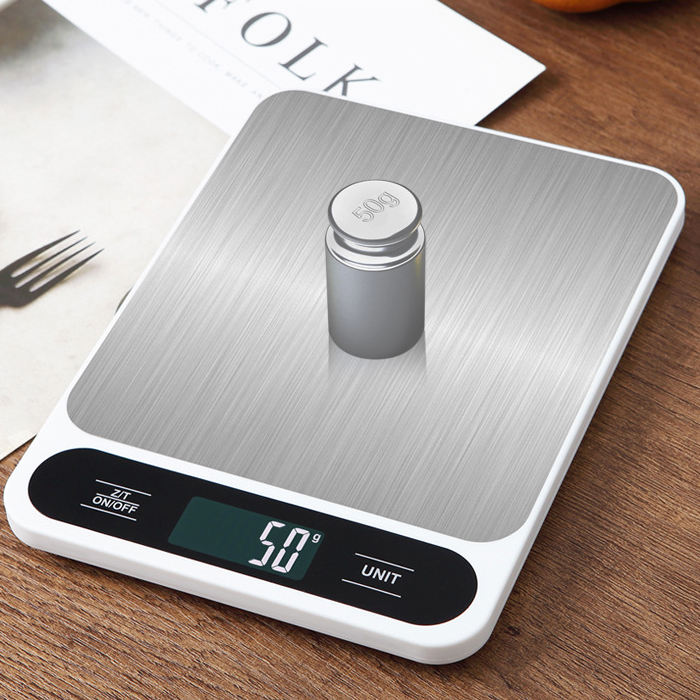
Step 2: Prepare Your Scale and Workspace
Before using your scale, set it up correctly to ensure accuracy:
-
Place it on a flat, stable surface: Avoid uneven countertops or areas near heat (like stoves) or moisture (like sinks)—this can affect the scale’s accuracy.
-
Turn it on: Most digital scales turn on automatically when you place weight on them, but some have an on/off button. Wait for the display to show “0.0” (or “0” for mechanical scales) before proceeding.
-
Calibrate if needed: If your scale feels off (e.g., it doesn’t show 0.0 when empty), check the manual for calibration instructions. Many scales have a calibration button, or you can use a known weight (like a 100g bag of flour) to test it.
Step 3: Use the Tare Function (The Most Important Step!)
The tare function is what makes a kitchen scale so easy to use—here’s how it works:
-
Place your container on the scale: This could be a mixing bowl, measuring cup, or even a piece of parchment paper (for messy ingredients like flour or sugar).
-
Press the tare button: The display will reset to “0.0,” ignoring the weight of the container. Now, any ingredient you add will be measured accurately.
-
Add your ingredient: Pour, scoop, or place the ingredient into the container. The display will show the exact weight of the ingredient (not the container + ingredient).
Pro tip: If you’re measuring multiple ingredients into the same bowl (e.g., flour, sugar, salt for a cake), you can press tare after each ingredient. For example: add flour, press tare, add sugar, press tare, add salt—no need to use multiple bowls!
Step 4: Measure Ingredients Correctly
Different ingredients require slightly different measuring techniques to ensure accuracy. Here’s how to measure common ingredients:
Dry Ingredients (Flour, Sugar, Cocoa Powder)
Avoid packing dry ingredients unless the recipe specifically says to (e.g., brown sugar). Instead:
-
Use a spoon to gently scoop the ingredient into the container on the scale.
-
Level off the top with a straight edge (like a knife) if needed, but don’t press down.
-
For flour: Spoon it into the bowl instead of dipping the bowl into the flour bag—this avoids packing and ensures a lighter, more accurate measurement.
Liquids (Water, Milk, Oil)
Most kitchen scales can measure liquids in milliliters (ml) or fluid ounces (fl oz). Since 1ml of water = 1g, you can also measure water by weight (e.g., 250ml water = 250g).
-
Place a liquid-safe container on the scale, tare it, then pour the liquid slowly until you reach the desired weight/volume.
-
Use a clear container so you can see the liquid level, but rely on the scale for accuracy (liquid measurements in cups can be off due to meniscus).
Small Ingredients (Spices, Yeast, Baking Powder)
These ingredients are often used in small quantities, so precision is key. Place a small dish on the scale, tare it, then use a measuring spoon to add the ingredient until the scale shows the correct weight.
Step 5: Clean and Store Your Scale Properly
To keep your scale working accurately for years, follow these care tips:
-
Clean after use: Wipe the scale’s surface with a damp cloth (avoid soaking it) to remove any spills or crumbs. For sticky ingredients (like honey or oil), use a mild soap and water, then dry thoroughly.
-
Store carefully: Keep the scale in a cool, dry place. Avoid dropping it or placing heavy objects on top of it.
-
Replace batteries when needed: If the display is dim or inconsistent, replace the batteries (most digital scales use AA or AAA batteries).
Common Mistakes to Avoid
Even with a scale, small mistakes can throw off your recipe. Here are the most common ones to watch for:
-
Forgetting to tare: This is the biggest mistake! If you don’t tare the container, you’ll be measuring the container + ingredient, leading to too much of the ingredient.
-
Using the wrong unit: Make sure the scale is set to the unit your recipe uses (e.g., grams for European recipes, ounces for American recipes). Mixing units will lead to big errors.
-
Measuring hot ingredients: Don’t place hot bowls or ingredients on the scale—heat can damage the internal components and affect accuracy.
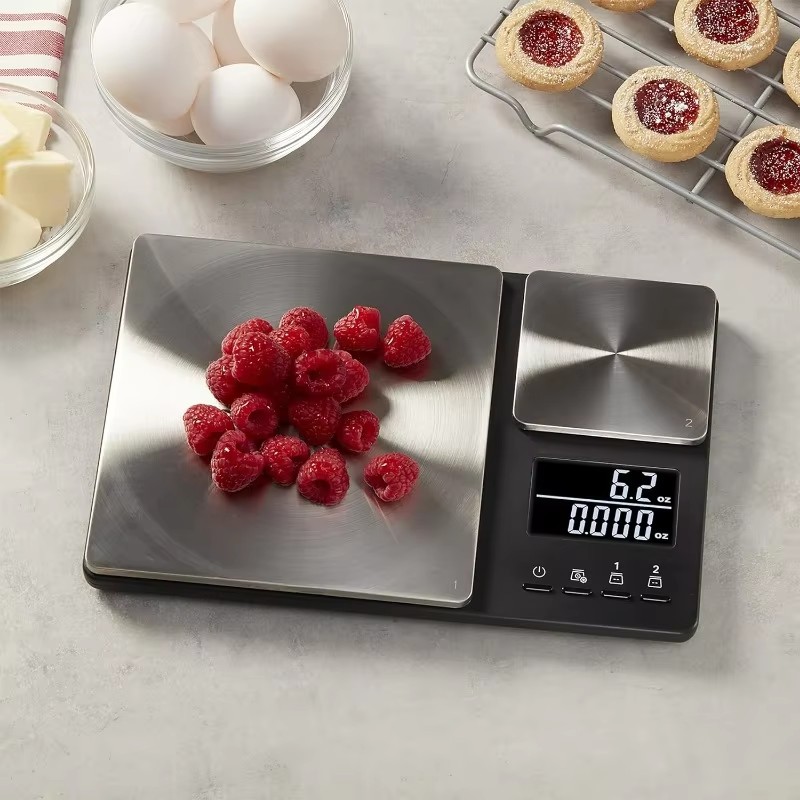
Final Thoughts: Precision = Better Dishes
Using a kitchen scale might feel like an extra step at first, but once you get the hang of it, you’ll wonder how you ever cooked without it. It eliminates guesswork, makes recipes more consistent, and even saves time (no more washing multiple measuring cups!). Whether you’re baking a cake, making bread, or cooking a savory stew, a kitchen scale will help you achieve professional-level results at home.
Give it a try with your next recipe—we promise you’ll taste the difference!
139th Canton Fair Participation Guide
Does Ultrasonic Pest Control Work
Related Article

If you’re struggling with annoying mosquitoes, flies, and other flying pests indoors and outdoors, upgrading from traditional manual tools to anElectric Mosquito Swatter is the most efficient solution. Many homeowners and renters search where to buy fly swatter online to find durable, safe, and high-performance electric models that deliver instant pest control.
Where to Buy Fly Swatter

Most importers of electric mosquito swatters obsess over the first order: samples requested, factories vetted, a pre-shipment inspection booked. Then the reorder arrives eight months later and something is off. The grid feels softer. The charge port is a slightly different shade of black. The carton thickness dropped from 350 gsm to 300 gsm. Nothing is catastrophic — but the product no longer matches what your retail customers approved, and quietly, your return rate starts climbing.
How to Keep Mosquito Swatter Quality Consistent Across Repeat Orders
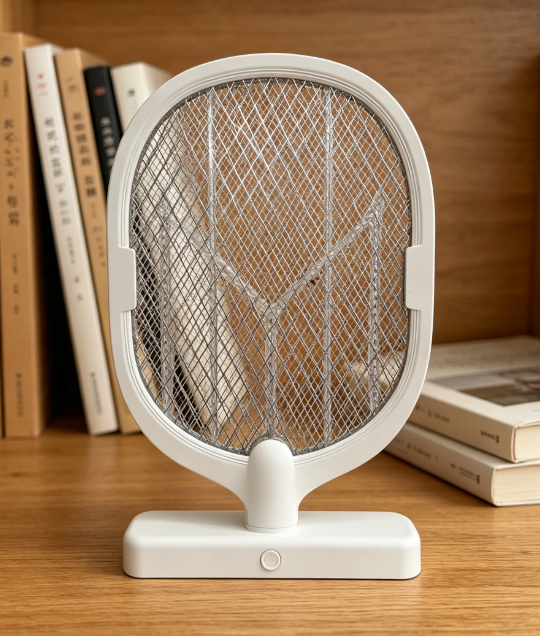
Warranty returns are the silent margin killer in the mosquito control category. A distributor who buys a swatter at $1.80 FOB and retails it at $9.90 can absorb a 1% return rate without noticing — but at 5%, the combined cost of replacement units, reverse logistics, and refund processing erases most of the line's profit.
Common mosquito swatter killer lamp failure modes wholesale spec guide

Digital bathroom scales rank as the second-highest-volume consumer weighing product category, only behind kitchen scales, with distinct market and product characteristics that set them apart from other scale types in importers’ product portfolios.
Digital bathroom body fat-bia-scale wholesale buyers guide