
How to Use Mosquito Swatter to Reduce Bug Bites Effectively
2026-07-28
How to Use Mosquito Swatter to Reduce Bug Bites Effectively
Summer brings warm weather, vibrant scenery, and unfortunately, countless annoying mosquitoes and bugs. Bug bites not only cause itchy, red skin irritations but also carry the risk of spreading various infectious diseases. While mosquito repellents, coils, and candles are common anti-bug tools, they often have limitations such as chemical residues, short-lasting effects, or skin irritation. A mosquito swatter, as a physical and eco-friendly bug-killing tool, stands out for its high efficiency and safety. However, many people use it casually without mastering proper skills, resulting in poor bug removal effects and frequent bites. Today, we will share practical and effective ways to use a mosquito swatter to drastically cut down bug bites.
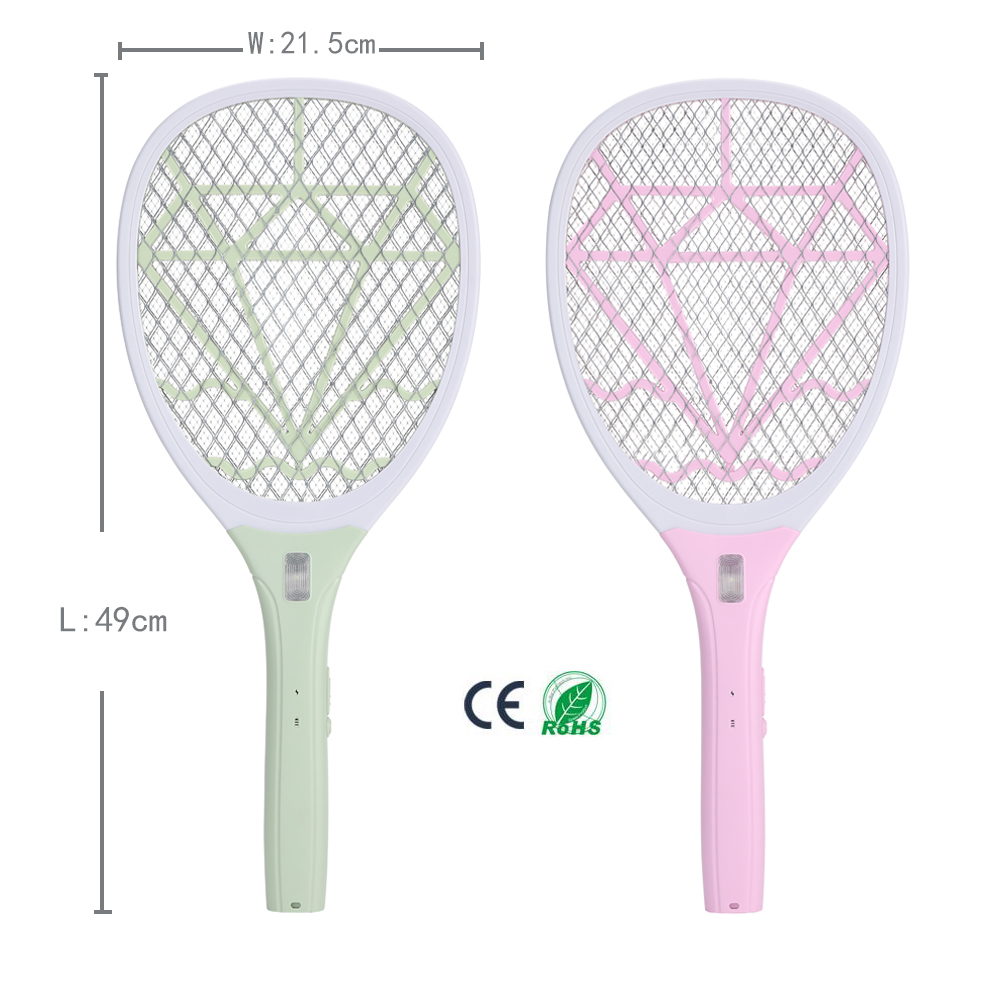
Why a Mosquito Swatter Is Ideal for Preventing Bug Bites
Before learning the usage skills, it’s essential to understand why mosquito swatters work better for bite prevention than most conventional methods. First of all, it adopts a physical electric shock killing mechanism, with no chemical ingredients, harmless to human skin and indoor environment, and suitable for babies, pregnant women, and people with sensitive skin. Unlike repellents that only drive bugs away temporarily, a qualified electric mosquito swatter can kill mosquitoes, gnats, and small flying bugs instantly, eliminating the source of bites fundamentally.
In addition, mosquito swatters are highly flexible and adaptable. They can be used in bedrooms, living rooms, balconies, and even semi-outdoor spaces like courtyards. They work day and night, without being affected by wind or air circulation, making up for the shortcomings of mosquito coils that are easy to disperse and invalid in ventilated environments. Mastering its correct usage can form a stable and effective anti-bug barrier for your living space.
Step-by-Step Guide to Using a Mosquito Swatter Correctly
Many people fail to get good results simply because of incorrect operating habits. The following standardized steps can maximize the bug-killing effect and effectively reduce bite risks.
1. Pre-use preparation: Before use, fully charge the mosquito swatter according to the instructions. A low battery will lead to weak electric shock power, failing to kill bugs thoroughly and letting injured mosquitoes escape to bite again. Check the mesh surface for dust, hair, or debris, as these attachments will weaken the electric shock effect. Keep the swatter dry and avoid using it in humid environments to prevent short circuits and ensure safe and stable operation.
2. Scientific bug-swiping operation: When spotting flying mosquitoes or bugs, do not wave the swatter violently and quickly. Fast waving will generate strong air flow, pushing bugs away before they touch the electric mesh. Instead, move the swatter slowly and steadily close to the target, let the bug contact the mesh fully, and a slight electric cracking sound means the bug is killed effectively. For static mosquitoes resting on walls, ceilings, or furniture, gently cover the bug with the swatter instead of slapping hard, which can improve the killing success rate by more than 80%.
3. Post-use handling: After use, turn off the switch in time to avoid accidental electric shock. Clean the dead bugs and debris on the mesh with a soft brush, store it in a dry and cool place, and avoid placing it in direct sunlight. Good maintenance can keep the swatter in optimal working condition for a long time.
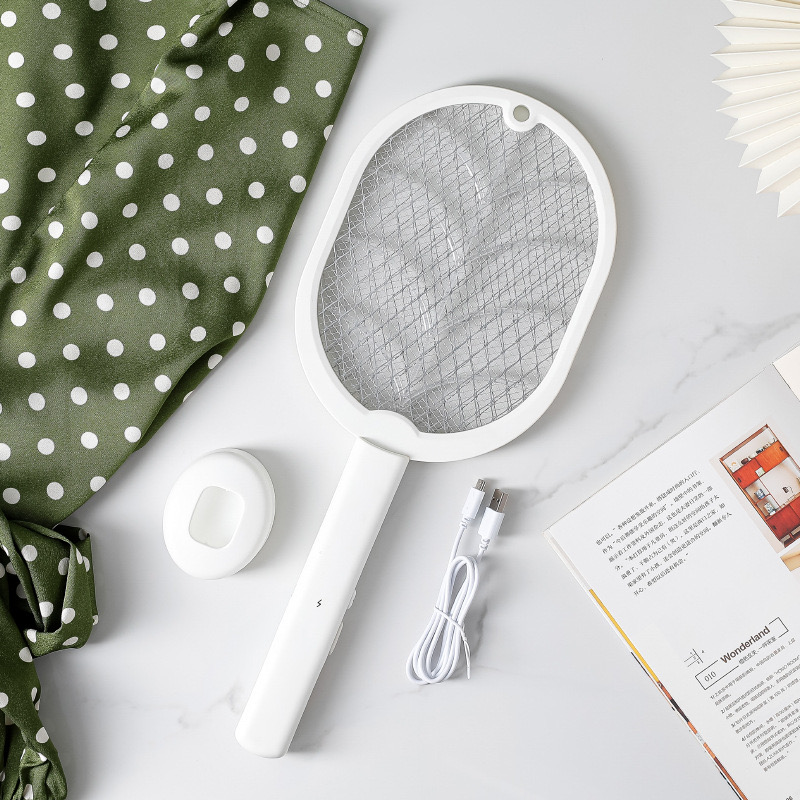
Scenario-Based Usage Skills for Better Bite Prevention
Different living scenarios have different bug activity rules. Targeted use of mosquito swatters can achieve twice the result with half the effort.
1. Bedroom use before sleeping: Mosquitoes are most active at night and tend to bite people during sleep. 10 to 15 minutes before going to bed, turn off the indoor bright lights, turn on a weak night light, and use the mosquito swatter to sweep the corners of the bedroom, under the bed, and around the window sills. These are the favorite hiding places of mosquitoes. Eliminating hidden mosquitoes in advance can avoid nighttime bites effectively.
2. Indoor daily use: In daytime, mosquitoes often hide in dark and ventilated places such as curtains, sofa gaps, and cabinet corners. When cleaning the room regularly, use the mosquito swatter to scan these hidden areas. For small gnats flying around potted plants and trash cans, timely swiping can reduce the number of breeding bugs and cut off the bite source.
3. Balcony and courtyard use: When enjoying the cool air or working on the balcony, outdoor mosquitoes will fly into the room with the wind. You can hold the mosquito swatter and swing it slowly around your body regularly to block and kill flying mosquitoes, forming a protective barrier around your body.
Common Mosquito Swatter Usage Mistakes to Avoid
Many subtle wrong habits will greatly reduce the anti-bite effect. Here are the most common mistakes worth avoiding.
First, do not wave the swatter blindly and rapidly. As mentioned earlier, rapid air flow will drive mosquitoes away instead of killing them, making bugs more alert and harder to catch later. Second, do not use the swatter only after being bitten. Passive use can only kill individual bugs after the fact. Active sweeping and bug elimination in advance is the key to reducing bite frequency.
Third, do not ignore battery maintenance. Long-term undercharged use will cause insufficient electric power, resulting in injured mosquitoes that recover and continue to bite. In addition, do not touch the electric mesh with hands or place the swatter where children can reach to ensure safety while preventing bugs.
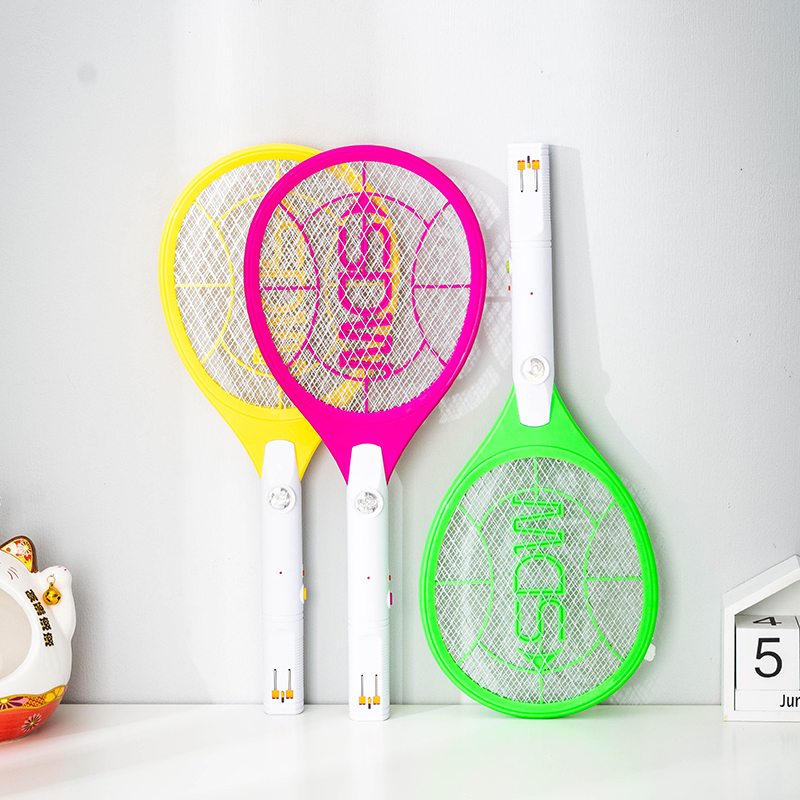
Auxiliary Tips to Enhance Anti-Bite Effect
A mosquito swatter works best when matched with auxiliary anti-bug measures. While using the swatter regularly, install screen doors and windows to block external mosquitoes from entering the room. Clean indoor stagnant water regularly, such as flower pot trays and water cups, to eliminate mosquito breeding grounds fundamentally.
For people who are prone to mosquito bites, you can use mild plant-based repellent lotion on your skin when going out, and cooperate with indoor mosquito swatter elimination to form internal and external double protection, which can almost completely avoid unnecessary bug bites.
Final Thoughts
A mosquito swatter is a simple but powerful anti-bug tool, and its actual effect depends entirely on correct usage and good habits. Different from passive repellents, it actively eliminates mosquitoes and bugs, solving the problem of bug bites from the source. By mastering standardized operation steps, scenario-based usage skills, and avoiding common mistakes, you can efficiently control the number of indoor mosquitoes, bid farewell to itchy and annoying bug bites, and enjoy a comfortable and safe summer life.
Common Mosquito Swatter Mistakes That Waste Your Money
2-in-1 Mosquito Swatter vs Traditional Single Function Swatter
Related Article
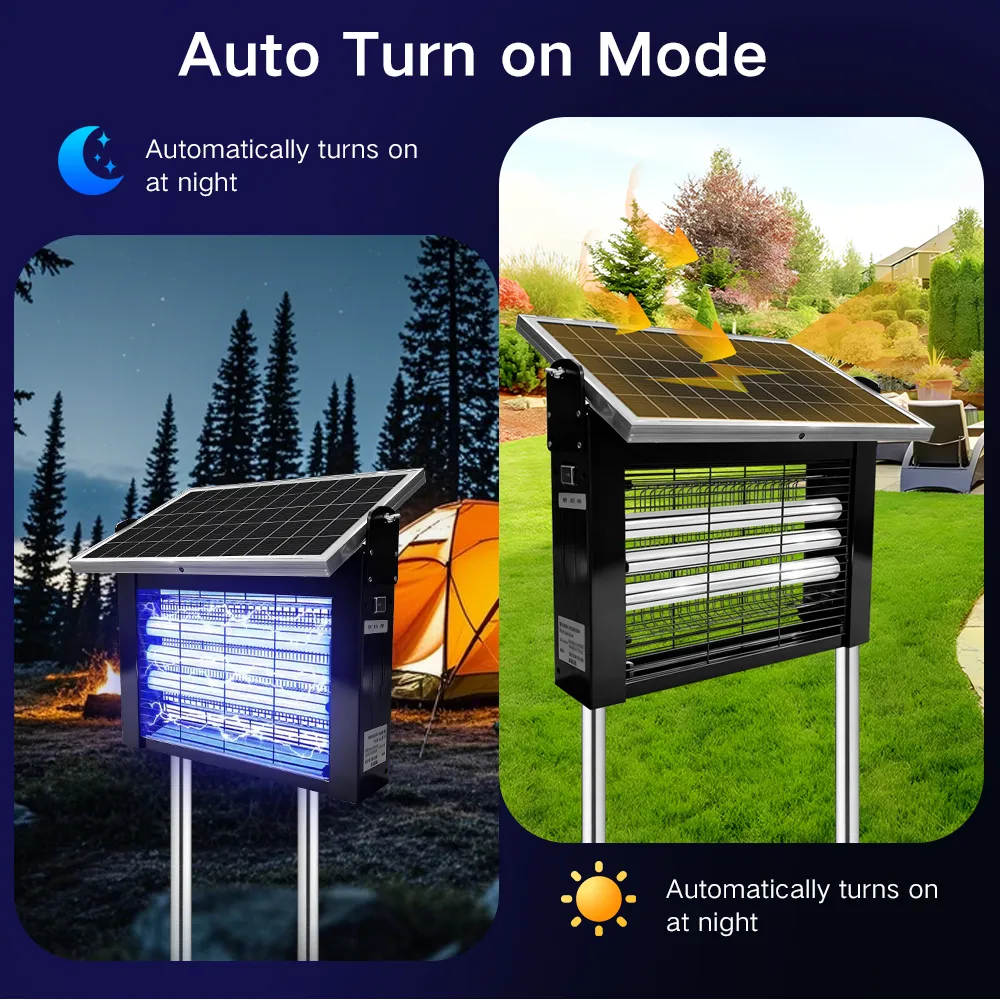
Throughout 2023 and most of 2024, solar outdoor mosquito killer lamps remained a niche, secondary product category. On Amazon, these items were mostly categorized as patio decor with basic mosquito-killing functionality. Each individual ASIN only generated 8,000–15,000 units in annual sales, failing to gain traction as mainstream outdoor and garden merchandise.
Solar Outdoor Mosquito Killer Lamps Wholesale Buyer Guide

Most importers treat an OEM mosquito swatter order as a single transaction: send a sketch, get a sample, place a PO. In practice, every project that ships late in the first 18 months of a brand breaks down for the same five reasons — undefined artwork handoff, tool-making left until after PO confirmation, certification testing ordered in parallel with sampling, and packaging dielines frozen too late.
OEM Swatter Manufacturing Project Management
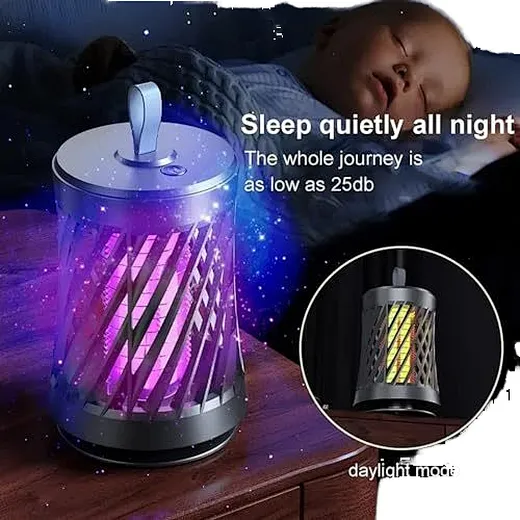
The charging port is no longer a minor accessory detail for mosquito swatters and UV mosquito killer lamps in 2026. It has become a core indicator that determines product price tiers, EU market eligibility, after-sales failure rates, and global buyer preference. For exporters, distributors, and retail buyers, choosing between Type-C and Micro-USB directly impacts profitability, compliance risks, and market competitiveness.
Type-C vs Micro-USB on Mosquito Swatters and Killer Lamps

Mosquitoes are more than just annoying summer pests—they carry harmful pathogens that cause Zika, dengue, West Nile virus, and other serious illnesses. While store-bought sprays, repellents, and DIY traps offer temporary relief, they fail to address mosquito infestations at the source.
What Do Pest Control Companies Use for Mosquitoes