
How to use the natural enemies of mosquitoes to repel mosquitoes at home
2025-08-13
There are many natural predators of mosquitoes, such as frogs and dragonflies. Have you ever thought about using these predators for biological control? It can reduce irritation to the human body and create a more natural mosquito - repelling environment. However, due to the limited space and special environment in families, we need to choose predators that are suitable for small - scale environments such as indoors, balconies, or courtyards. Here are the specific methods suitable for family use.
1. Aquatic Predators Suitable for Small Indoor Water Bodies
If you have a small fish tank, a hydroponic plant container, or a small water pool on the balcony at home, you can introduce the following aquatic organisms to control mosquito larvae (wrigglers).
1.1 Mosquito Fish (Suitable for Balcony Pools)
If there is a small landscape pool on the balcony, putting 2 - 3 mosquito fish can effectively control the wrigglers in the water. Mosquito fish are small in size (usually 5 - 7 cm), have low requirements for water quality, and do not need frequent feeding. They will actively prey on mosquito larvae in the water. It should be noted that they should not be put into indoor fish tanks to be mixed with ornamental fish, so as to prevent mosquito fish from chasing small fish or competing for food.
1.2 Medaka Fish (An Alternative to Mosquito Fish)
Medaka fish are native species. They also feed on wrigglers, have a mild temperament, and can be mixed with small ornamental fish in indoor fish tanks. Putting 1 - 2 medaka fish in the container of hydroponic plants (such as lucky bamboo, green radish) can not only clean up the wrigglers in the container, but also not affect the growth of plants, and even become a small indoor ecological landscape.
2. Terrestrial Predators Suitable for Balconies and Windowsills
Balconies and windowsills are the main channels for mosquitoes to enter the room. Attracting or raising the following terrestrial predators can catch mosquitoes before they enter the room.
2.1 Dragonflies (Attracting to Balconies for Habitation)
Adult dragonflies are experts at catching mosquitoes, but their larvae need a large water body, which is difficult to raise in a family environment. Therefore, we can attract wild dragonflies to stay temporarily by creating a suitable environment on the balcony. Place a small basin of water (simulating a shallow water area) on the balcony and plant aquatic plants such as reeds and calamus to provide places for dragonflies to rest and lay eggs. Dragonflies are active during the day and can help catch mosquitoes that invade during the day.
2.2 Frogs / Toads (Suitable for Families with Courtyards)
If you have a small courtyard or a closed balcony at home, you can build a small "amphibious ecological area": fill a shallow basin with water and plant shade - tolerant plants (such as ferns) around it to attract frogs or toads to inhabit. They are active at night and will prey on mosquitoes and other small insects nearby. It should be noted that pesticides should be avoided to prevent harm to frogs / toads, and the shallow basin should be changed regularly to keep the water clean.
3. Insect Predators That Can Be Artificially Introduced
Some small insect predators are tiny in size, suitable for living indoors or on balconies, and can specifically control mosquito reproduction.
3.1 Parasitic Wasps (Achieved by Protecting Natural Populations)
Parasitic wasps (such as tephritid wasps) will parasitize in mosquito eggs and inhibit mosquito hatching, but they are difficult to buy artificially. You can plant nectar - producing plants (such as mint, thyme) on the balcony to attract wild parasitic wasps; at the same time, reduce the use of insecticides to avoid mistakenly killing parasitic wasps, so that they can form a natural population on the balcony and play a role for a long time.
3.2 Predatory Mites (Targeting Mosquito Larvae in Humid Corners)
In humid corners such as bathrooms and kitchens, there may be stagnant water where mosquito larvae breed. Predatory mites (such as amblyseius) can be introduced. These mites feed on mosquito eggs and larvae, with a size of only 0.2 - 0.5 mm. They will not bite humans or damage the home environment. They can be bought in garden stores, evenly sprinkled in humid corners, and checked and supplemented regularly.
4. Precautions for Using Predators to Repel Mosquitoes at Home
4.1 Control the Number of Predators to Avoid Ecological Imbalance
The family space is small, and too many predators may cause new problems. For example, an excessive number of mosquito fish will make the water turbid; excessive reproduction of frogs may produce noise. It is recommended to introduce them reasonably according to the space size. For example, at most 3 - 5 mosquito fish can be put in the balcony pool, and 1 - 2 frogs can be kept in the courtyard.
4.2 Combine with Environmental Management to Reduce Mosquito Breeding
Predators can only assist in mosquito control. It is necessary to clean up stagnant water at home (such as flowerpot trays, floor drain stagnant water) to reduce mosquito reproduction from the source. For example, change the water of hydroponic plants once a week to avoid a large number of wrigglers breeding and reduce the "predation pressure" of predators.
4.3 Prevent Predators from Entering the Core Indoor Areas
Terrestrial predators (such as frogs, toads) and large insects (such as dragonflies) may accidentally enter the living room and bedroom. A screen door can be installed between the balcony and the indoor area to ensure that predators can move on the balcony and prevent them from entering the indoor area.
By reasonably using the above mosquito predators in the family environment, we can not only form a natural "mosquito - proof barrier", but also add ecological interest to the home. Choosing suitable predators according to your own space (such as whether there is a balcony or a courtyard) and matching with basic environmental cleaning can effectively reduce the trouble caused by mosquitoes and achieve green mosquito repellent.
How many types of electric mosquito rackets are there
When should I replace my bug zapper globe?
Related Article

If you’re struggling with annoying mosquitoes, flies, and other flying pests indoors and outdoors, upgrading from traditional manual tools to anElectric Mosquito Swatter is the most efficient solution. Many homeowners and renters search where to buy fly swatter online to find durable, safe, and high-performance electric models that deliver instant pest control.
Where to Buy Fly Swatter
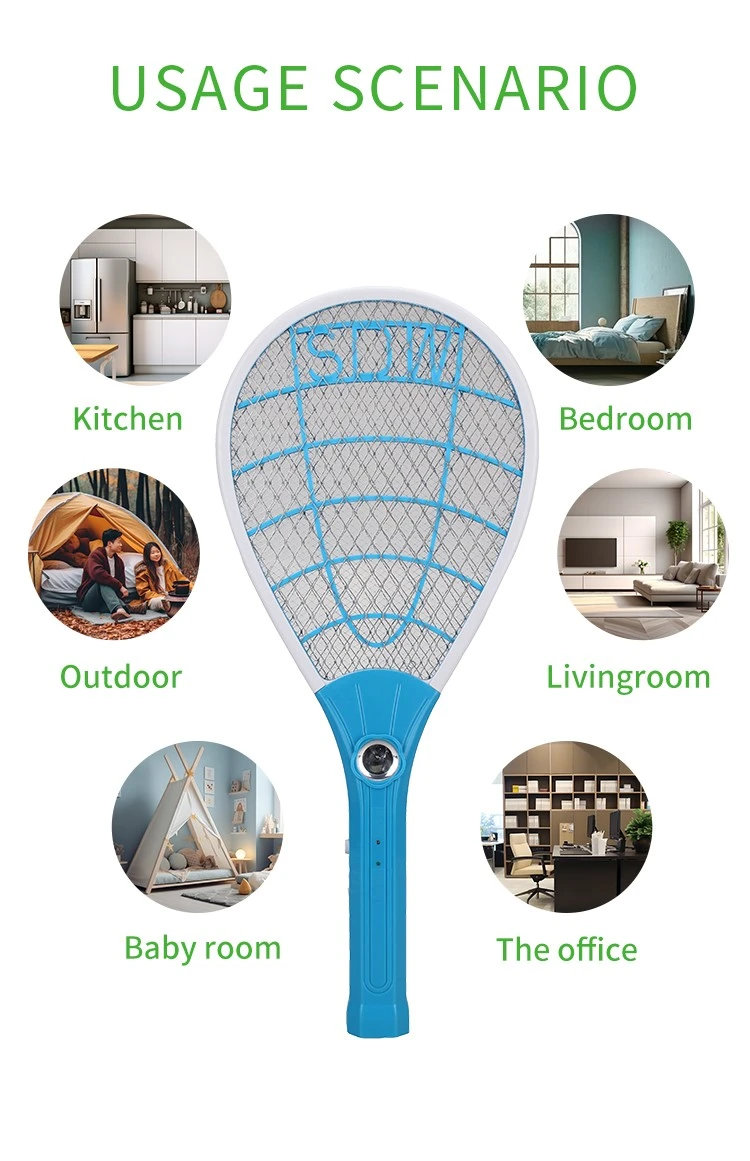
Most importers of electric mosquito swatters obsess over the first order: samples requested, factories vetted, a pre-shipment inspection booked. Then the reorder arrives eight months later and something is off. The grid feels softer. The charge port is a slightly different shade of black. The carton thickness dropped from 350 gsm to 300 gsm. Nothing is catastrophic — but the product no longer matches what your retail customers approved, and quietly, your return rate starts climbing.
How to Keep Mosquito Swatter Quality Consistent Across Repeat Orders
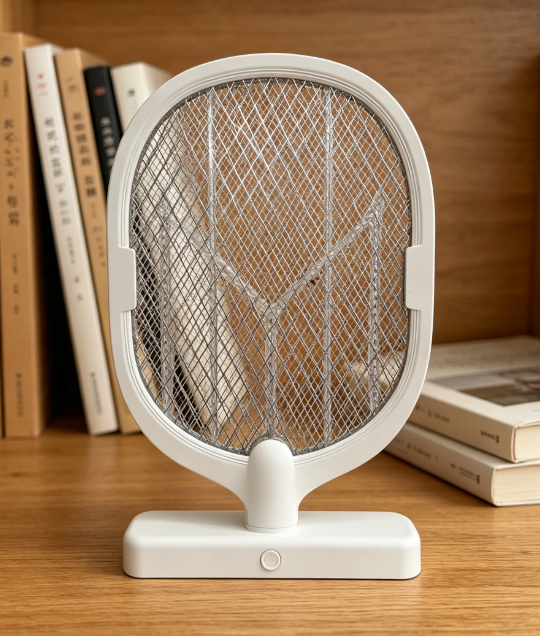
Warranty returns are the silent margin killer in the mosquito control category. A distributor who buys a swatter at $1.80 FOB and retails it at $9.90 can absorb a 1% return rate without noticing — but at 5%, the combined cost of replacement units, reverse logistics, and refund processing erases most of the line's profit.
Common mosquito swatter killer lamp failure modes wholesale spec guide

Digital bathroom scales rank as the second-highest-volume consumer weighing product category, only behind kitchen scales, with distinct market and product characteristics that set them apart from other scale types in importers’ product portfolios.
Digital bathroom body fat-bia-scale wholesale buyers guide