
If Your Electric Mosquito Swatter Gets Scratched
2026-01-26
Don’t Panic If Your Electric Mosquito Swatter Gets Scratched! Fix It Beautifully Without Affecting Use
Whether hanging on the wall or in use, electric mosquito swatters are inevitably bumped or rubbed, resulting in scratches on the surface. It’s a pity to see a new swatter marred by blemishes, and many people even worry that scratches will affect its insulation performance. Don’t panic—different degrees of scratches have corresponding solutions that can restore its appearance while ensuring safe use. Let’s elaborate below.
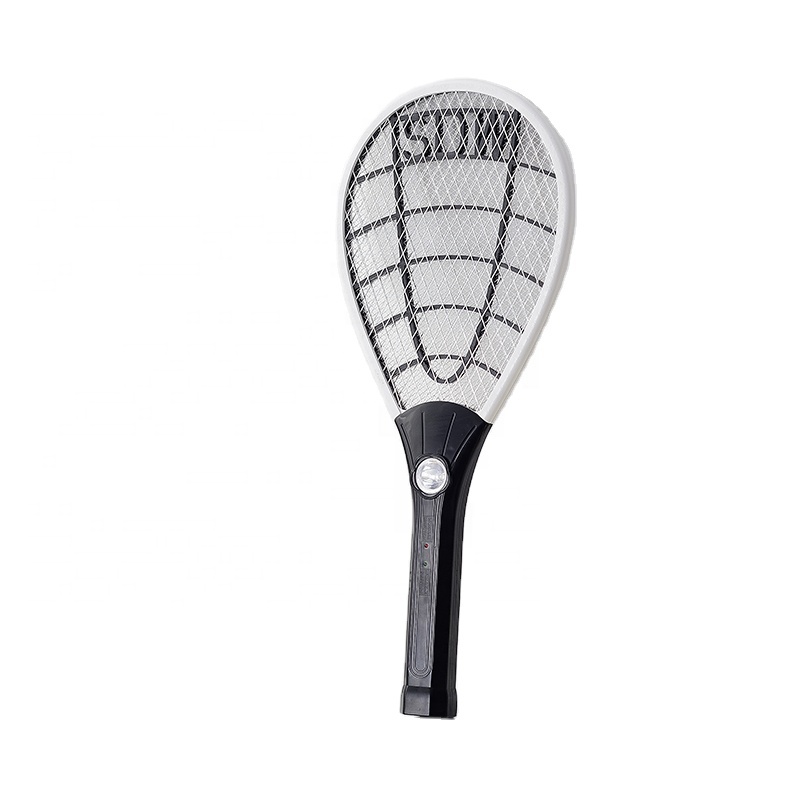
First Judge the Scratch Severity for More Efficient Targeted Treatment
Before handling, observe the scratch condition of the electric mosquito swatter. The core is to distinguish between "only surface coating scratches" and "scratches penetrating the material/involving the power grid". After all, electric mosquito swatters are small household appliances, and safety is the top priority. Avoid blind handling that may cause circuit hazards.
Situation 1: Minor Surface Scratches (Only the Plastic Shell Coating Is Damaged)
This is the most common situation—for example, accidentally scraping against a wall corner or desktop, leaving only shallow scratches that don’t damage the plastic body or affect the power grid and switch functions. The focus of treatment is to restore appearance while isolating dust and moisture.
-
Clean the Surface: First, disconnect the power of the electric mosquito swatter, remove the battery (or ensure it’s completely powered off if rechargeable). Wipe the scratched area with a damp cloth to remove dust and oil stains, avoiding impurity residue during treatment which may affect the repair effect. Wipe dry and wait for the surface to dry completely to prevent bubbles in subsequent processing.
-
Simple Repair Plan: For convenience, you can directly use a touch-up pen of the same color (choose a household appliance-specific plastic touch-up pen, and match the color as closely as possible to the swatter shell). Gently dot the scratch, applying thin coats multiple times to avoid paint accumulation and clumping. After application, place it in a well-ventilated area to dry—it usually cures in 1-2 hours. Once cured, lightly sand it smooth with fine sandpaper (1000 grit or higher) and wipe clean with a dry cloth; the scratch will basically be invisible.
-
Advanced Aesthetic Treatment: If there are many but not deep scratches, first gently sand the entire shell surface with fine sandpaper (place a soft cloth under it to avoid secondary scratches) to remove burrs and old coating traces. Then evenly spray a layer of household appliance-specific spray paint of the same color. After drying, the shell can be restored to a nearly new state. Note: Operate in a well-ventilated area, keep away from fire sources, and take protective measures when spraying paint.
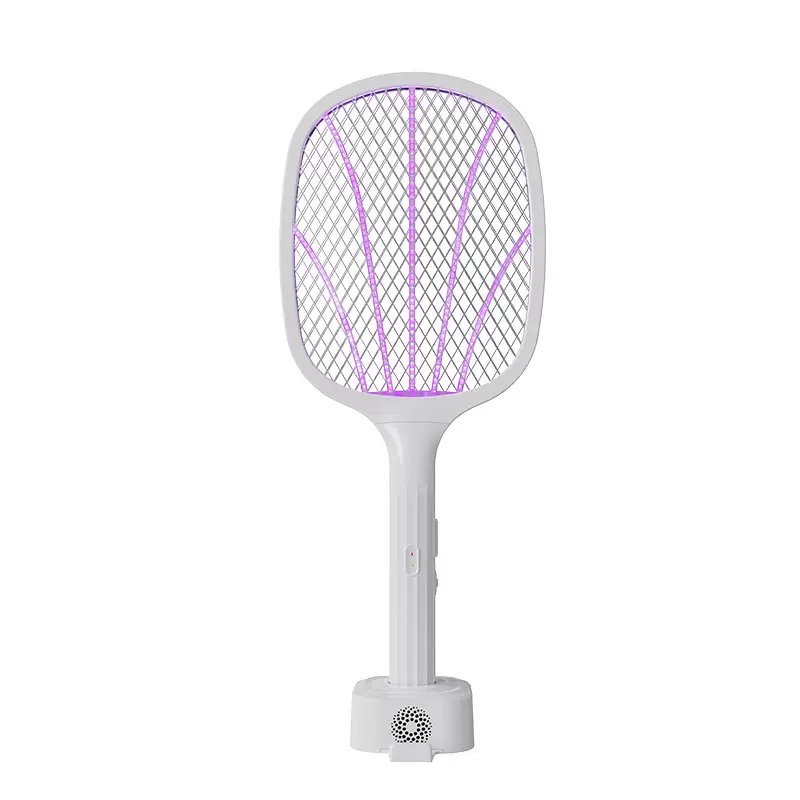
Situation 2: Deep Scratches (Plastic Shell Damage/Involving the Power Grid Area)
If the scratch is deep, exposing the plastic color, or even having small cracks, or if the scratch is near the power grid or power interface, you can’t just pursue appearance. The key is to ensure insulation and structural stability to avoid electric leakage during use.
-
Safety Inspection First: Check if the power grid is affected by the scratch—such as whether the grid wires are deformed or broken, and if the interface is loose. If the power grid is damaged, do not attempt to repair it yourself; replace the electric mosquito swatter directly for safety to avoid electric shock risks caused by leakage.
-
Repair Damaged Parts: If only the plastic shell has cracks or deep scratches, use AB glue, hot melt glue, or a special plastic repair agent. First clean the damaged area, evenly apply the repair agent to the scratch or crack, smooth the surface with a tool to ensure full coverage of the damaged part, and wait for the glue to cure completely (usually 4-8 hours, depending on product instructions). After curing, you can touch up the color with a touch-up pen if needed to make the appearance more consistent.
-
Taboo Reminder: Never use conductive materials for repair, and do not apply any glue or paint on the power grid surface, as this may affect the mosquito-killing effect and even cause short circuits or leakage of the power grid.
In These Cases, It’s Recommended to Replace the Electric Mosquito Swatter Directly
Not all scratches can be repaired. For safety, it’s more reliable to replace it with a new one in the following situations:
-
The scratch causes extensive damage and deformation of the shell, with the power grid severely exposed, making it impossible to achieve insulation protection through repair;
-
The grid wires are broken or deformed due to scratches or collisions, failing to generate high voltage normally after power-on, or having abnormal sparks;
-
The scratch is near the power interface or charging port, and there is still a risk of leakage after repair (such as a tingling sensation on the shell when powered on);
-
The electric mosquito swatter has been used for many years, is severely aged, and has problems such as switch failure and abnormal charging along with scratches.
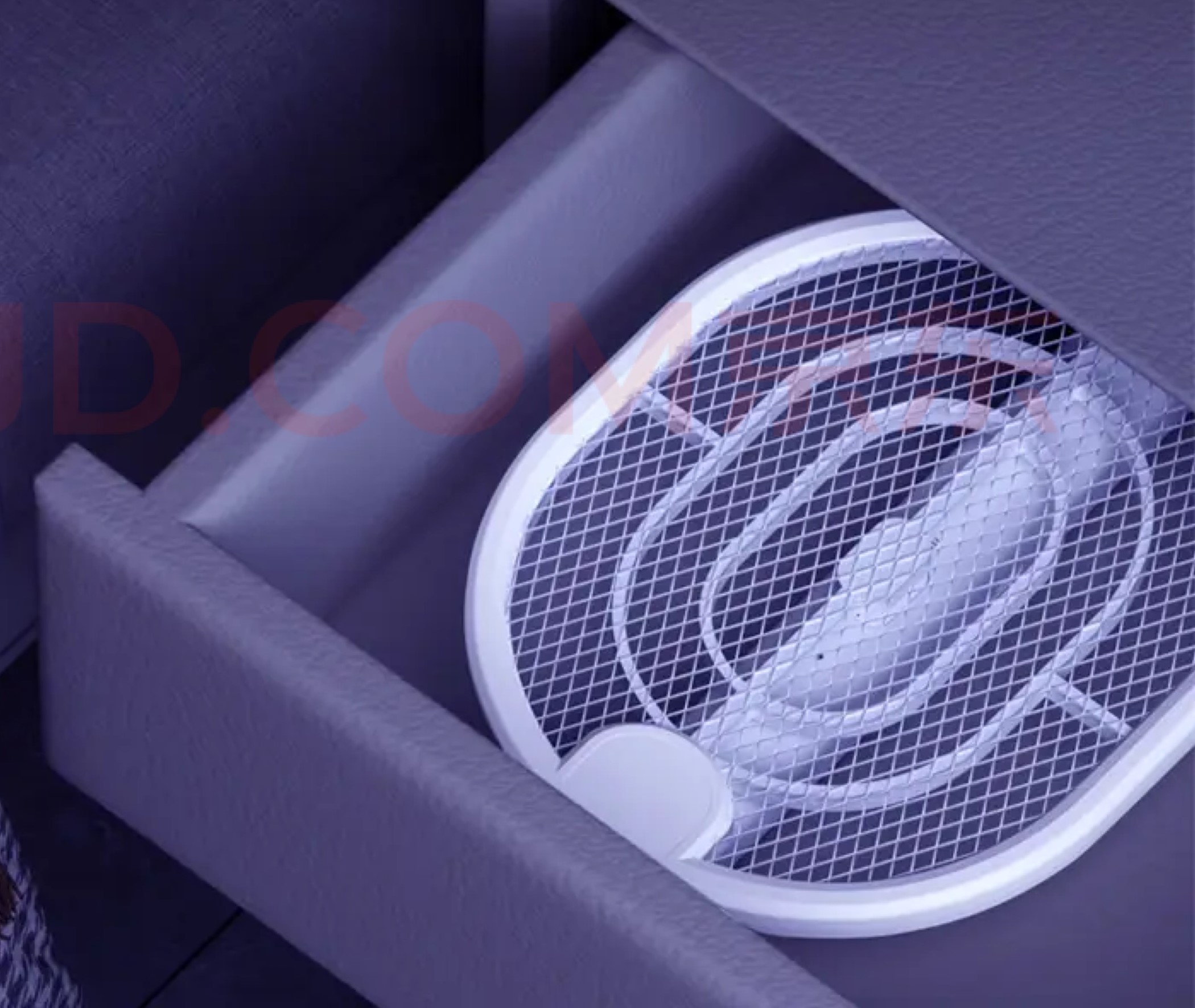
Daily Protection Tips to Reduce Scratches on Electric Mosquito Swatters
Prevention is better than cure. Here are a few tips to keep your electric mosquito swatter in good condition:
1. Store it separately, avoid mixing with sharp objects such as keys and scissors. You can put it in a special dust bag or an independent compartment of a drawer;
2. Avoid strong collisions with walls and furniture during use, swing it moderately, and especially do not let the power grid part hit hard objects directly;
3. Wipe gently with a soft cloth when cleaning, do not use rough tools such as steel wool or hard brushes to avoid scratching the surface coating;
4. When charging a rechargeable electric mosquito swatter, place it on a stable desktop, away from the edge, to prevent falling and collision.
In fact, the core function of an electric mosquito swatter is to kill mosquitoes. Minor scratches do not affect its use. If you care about the appearance, you can handle it according to the above methods. But always remember that safety comes first for small household appliances. Once scratches involve core components, do not use them reluctantly—timely replacement ensures peace of mind.
Sales Decline of Electric Mosquito Swatters in Winter
New Product Laboratory is Officially Established
Related Article

If you’re struggling with annoying mosquitoes, flies, and other flying pests indoors and outdoors, upgrading from traditional manual tools to anElectric Mosquito Swatter is the most efficient solution. Many homeowners and renters search where to buy fly swatter online to find durable, safe, and high-performance electric models that deliver instant pest control.
Where to Buy Fly Swatter
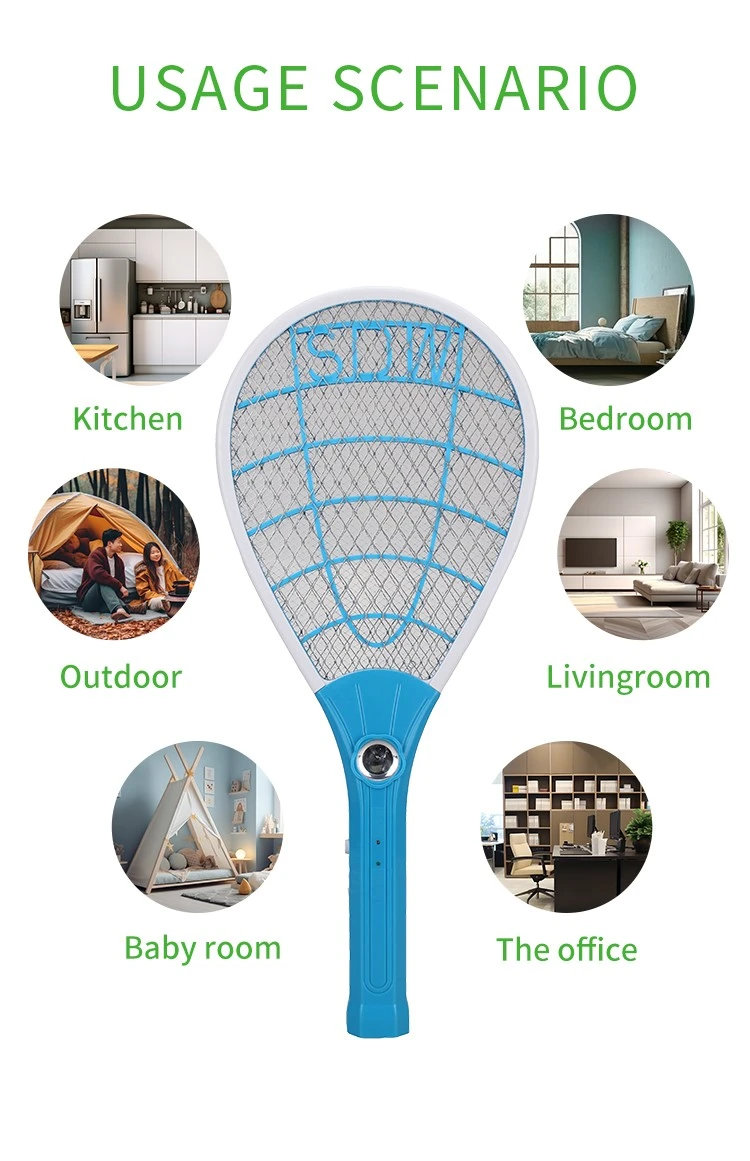
Most importers of electric mosquito swatters obsess over the first order: samples requested, factories vetted, a pre-shipment inspection booked. Then the reorder arrives eight months later and something is off. The grid feels softer. The charge port is a slightly different shade of black. The carton thickness dropped from 350 gsm to 300 gsm. Nothing is catastrophic — but the product no longer matches what your retail customers approved, and quietly, your return rate starts climbing.
How to Keep Mosquito Swatter Quality Consistent Across Repeat Orders
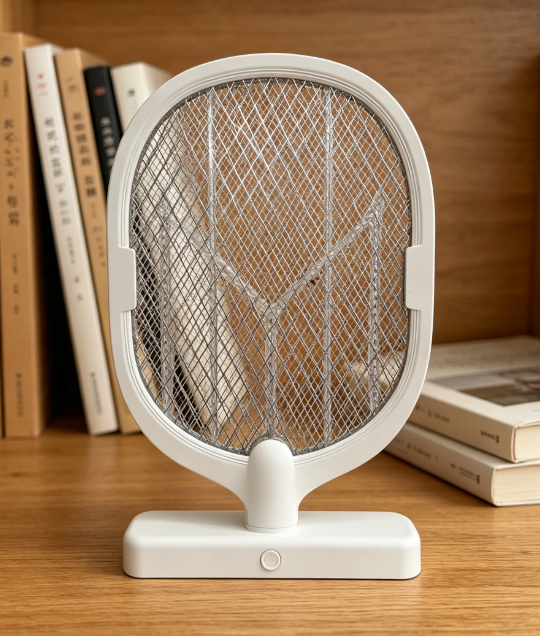
Warranty returns are the silent margin killer in the mosquito control category. A distributor who buys a swatter at $1.80 FOB and retails it at $9.90 can absorb a 1% return rate without noticing — but at 5%, the combined cost of replacement units, reverse logistics, and refund processing erases most of the line's profit.
Common mosquito swatter killer lamp failure modes wholesale spec guide

Digital bathroom scales rank as the second-highest-volume consumer weighing product category, only behind kitchen scales, with distinct market and product characteristics that set them apart from other scale types in importers’ product portfolios.
Digital bathroom body fat-bia-scale wholesale buyers guide