
Insufficient Battery Life of Electric Mosquito Swatters
2025-12-26
Insufficient Battery Life of Electric Mosquito Swatters? Beyond Running Out of Power, These Hidden Reasons You Might Not Notice
When it comes to insufficient battery life, people's first reaction is often "the battery is dead", but in fact, besides this intuitive reason, there are many easily overlooked factors quietly "stealing" the power of the electric mosquito swatter. Today, let's talk about what other reasons could cause insufficient battery life of electric mosquito swatters?
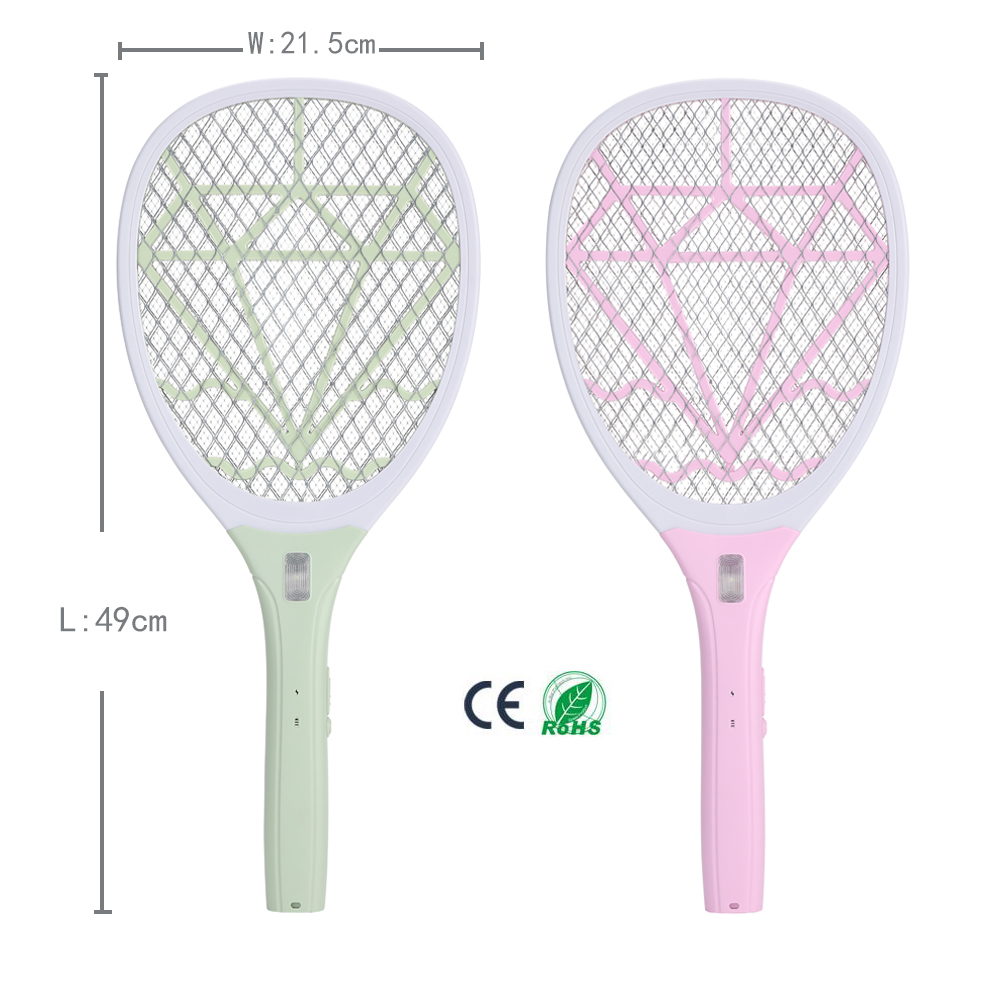
I. Inventory of Core Hidden Reasons for Insufficient Battery Life of Electric Mosquito Swatters
(I) Aging and Quality Issues of the Battery Itself
Many people think the battery of an electric mosquito swatter is "lifetime use" and continue to use it as long as it can still be charged. But in fact, the nickel-cadmium and nickel-hydrogen batteries commonly used in electric mosquito swatters have a service life. Generally, after 300-500 charge-discharge cycles, the battery capacity will drop significantly. Just like the battery of an old mobile phone is not durable, even if the aged electric mosquito swatter battery is fully charged, the actual storable power is very little, so the battery life is naturally poor. In addition, the batteries of low-cost and low-quality electric mosquito swatters themselves have the problem of false capacity labeling. Although they seem to be marked "2000mAh", the actual capacity may only be half, so the battery life is naturally greatly reduced.
(II) Improper Charging Methods Indirectly Lead to Reduced Battery Life
Many people charge completely by feeling: either pull it out after charging for a while, or plug it in and forget to pull it out, charging it until the next day. For nickel-cadmium and nickel-hydrogen batteries, frequent "shallow charging and shallow discharging" will cause the battery to have a "memory effect", which gradually reduces the actual available capacity; while overcharging will accelerate battery aging, and even damage the internal structure of the battery, making the battery life worse and worse. In addition, some people use non-original chargers for charging. The voltage and current parameters of different chargers do not match, which may lead to insufficient charging or damage to the battery, and ultimately be reflected in insufficient battery life.
Furthermore, the usage environment and habits are also "invisible killers" of battery life. In summer, the air is humid, especially during the plum rain season in the south. If an electric mosquito swatter is kept in a humid environment for a long time, the internal circuit may have slight short circuits or leakage. Even if it is not used, the power will quietly drain away. In addition, some people, in pursuit of a better mosquito-repellent effect, will keep pressing the switch to keep the electric mosquito swatter in a powered-on state or discharge it frequently and continuously. This will cause the battery to discharge a large amount in a short time, which not only easily makes the battery heat up and age but also significantly shortens the single-use battery life. Moreover, some people accidentally get the electric mosquito swatter wet or bump it during use, causing damage to internal components, which may also lead to a sudden drop in battery life.
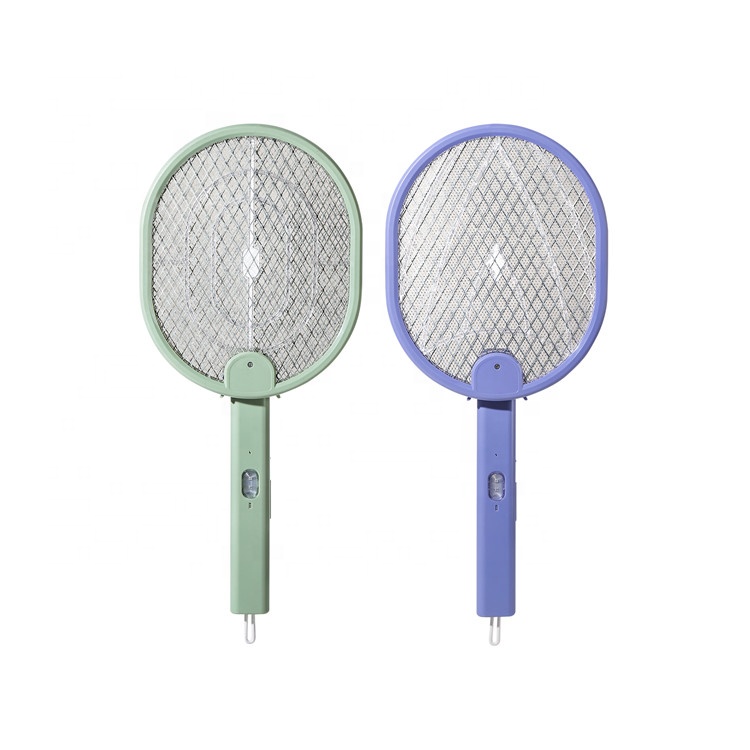
(III) Usage Environment and Habits: Invisible Killers of Battery Life
The air is humid in summer, especially during the rainy season in the south. If the electric mosquito swatter is placed in a humid environment for a long time, the internal circuit may have slight short circuits or leakage. Even if it is not used, the power will quietly leak. In addition, some people keep pressing the switch to keep the electric mosquito swatter in a powered-on state or discharge continuously frequently in order to pursue the mosquito repellent effect. This will cause the battery to discharge a lot in a short time, which not only easily makes the battery heat up and age, but also greatly shortens the single battery life. Also, some people accidentally get the electric mosquito swatter wet or collide with it when using it, causing damage to internal components, which may also lead to a sudden drop in battery life.
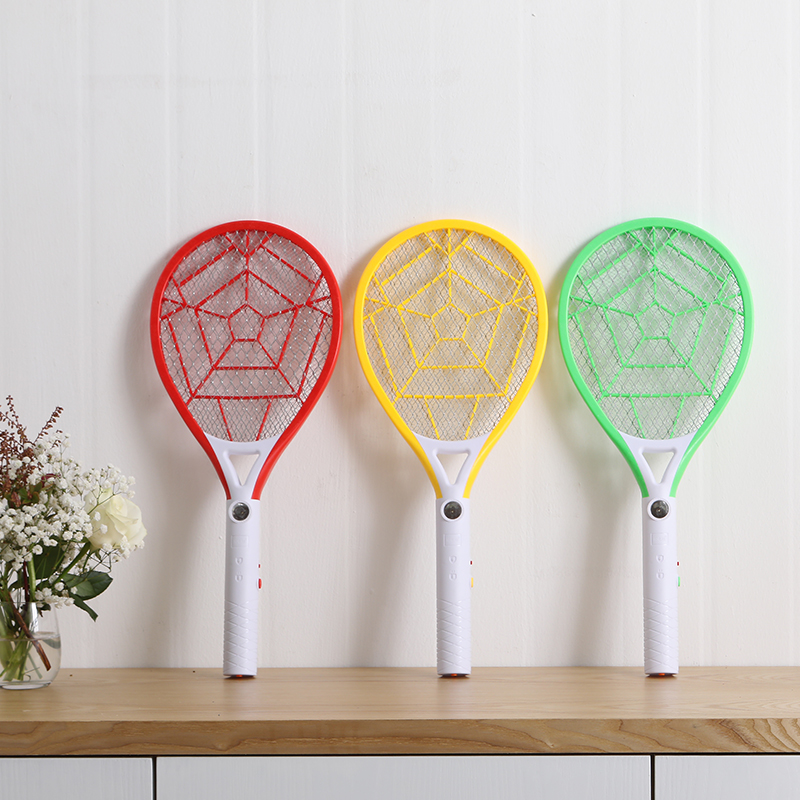
(IV) Internal Circuit Failures or Component Wear and Tear
An electric mosquito swatter has multiple internal components such as a boost circuit, capacitor, and resistor. After long-term use, these components may experience wear and tear or failures. For example, the decreased efficiency of the boost circuit will reduce the utilization rate of battery power—obviously the battery still has power, but it cannot drive the electric mosquito swatter to work normally; the decreased capacity of the aged capacitor will also affect the storage and release of electrical energy, making the battery life unstable. In addition, after long-term use of some electric mosquito swatters, the internal wires may become loose or have poor contact, leading to poor power supply. It seems that the battery life is insufficient, but in fact, it is a circuit contact problem.
In summary, insufficient battery life of electric mosquito swatters is far more than just "running out of power". Battery aging, improper charging, humid environment, bad usage habits, and internal circuit failures can all lead to reduced battery life. To make the battery life of the electric mosquito swatter longer, in addition to choosing reliable quality products, you should also pay attention to charging regularly with the original charger, avoid overcharging and frequent shallow charging and shallow discharging, wipe it dry in time after use and place it in a dry and ventilated place, and avoid collision and water contact. If your electric mosquito swatter has experienced a significant sudden drop in battery life, you may wish to first check the above reasons. If the battery or circuit is damaged, replace or repair it in time to regain the pleasant experience of "swatting one accurately at a time"~
Can You Randomly Touch Mosquito Killer Lamps at Work
Does Temperature Affect the Function of Electric Mosquito Swatters
Related Article

If you’re struggling with annoying mosquitoes, flies, and other flying pests indoors and outdoors, upgrading from traditional manual tools to anElectric Mosquito Swatter is the most efficient solution. Many homeowners and renters search where to buy fly swatter online to find durable, safe, and high-performance electric models that deliver instant pest control.
Where to Buy Fly Swatter
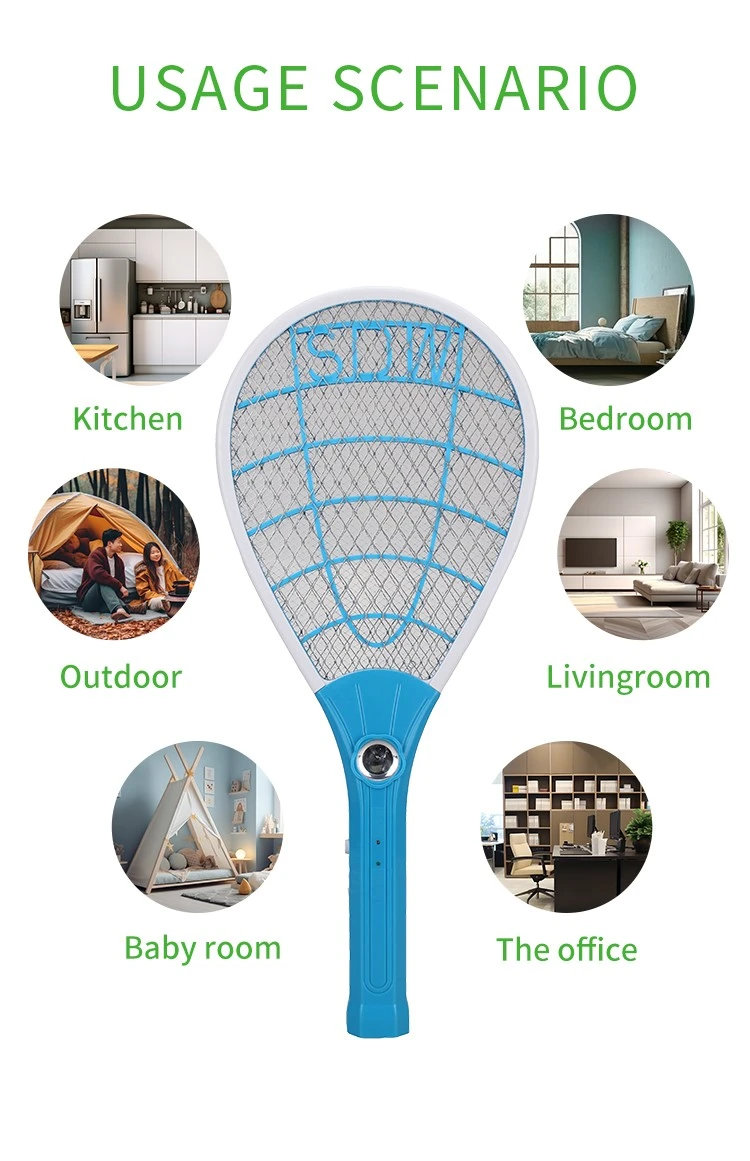
Most importers of electric mosquito swatters obsess over the first order: samples requested, factories vetted, a pre-shipment inspection booked. Then the reorder arrives eight months later and something is off. The grid feels softer. The charge port is a slightly different shade of black. The carton thickness dropped from 350 gsm to 300 gsm. Nothing is catastrophic — but the product no longer matches what your retail customers approved, and quietly, your return rate starts climbing.
How to Keep Mosquito Swatter Quality Consistent Across Repeat Orders
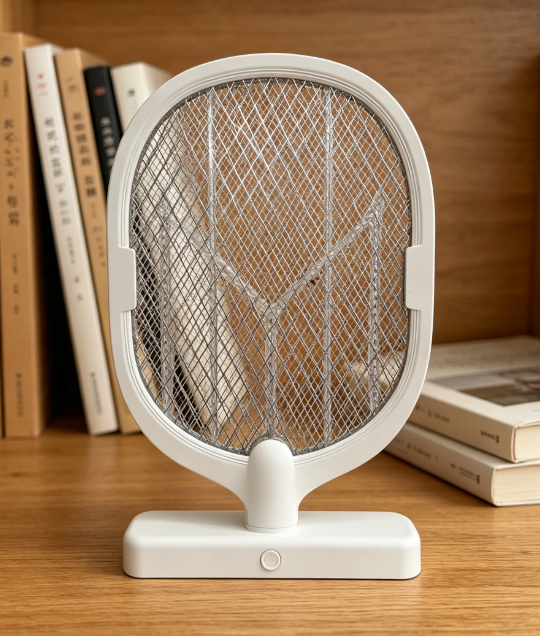
Warranty returns are the silent margin killer in the mosquito control category. A distributor who buys a swatter at $1.80 FOB and retails it at $9.90 can absorb a 1% return rate without noticing — but at 5%, the combined cost of replacement units, reverse logistics, and refund processing erases most of the line's profit.
Common mosquito swatter killer lamp failure modes wholesale spec guide

Digital bathroom scales rank as the second-highest-volume consumer weighing product category, only behind kitchen scales, with distinct market and product characteristics that set them apart from other scale types in importers’ product portfolios.
Digital bathroom body fat-bia-scale wholesale buyers guide