
Is a bug zapper safe to use around my family and pets
2025-12-18
Is a bug zapper safe to use around my family and pets?
Bug zappers are a popular choice for reducing flying insects in yards, patios, and even indoor spaces. But as a parent or pet owner, it’s natural to wonder: Are these devices safe for the ones you love? Let’s break down the potential risks, safety factors, and best practices to help you make an informed decision.
How Bug Zappers Work: The Basics
To understand safety, first, let’s clarify how bug zappers operate—this context helps explain where risks might arise.
The Core Mechanism
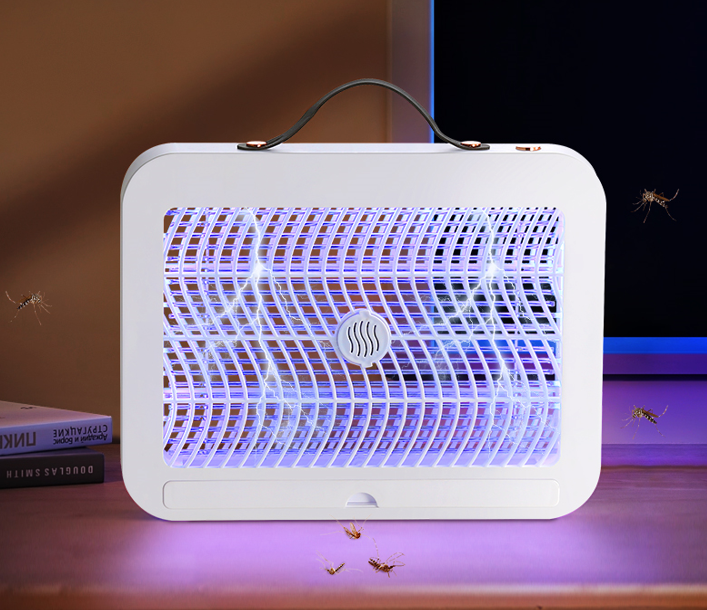
Most bug zappers use ultraviolet (UV) light to attract mosquitoes, flies, gnats, and other flying pests. When insects fly into the device, they touch two electrically charged grids, which deliver a high-voltage shock (typically 2,000–4,000 volts) that kills them instantly. The "zap" sound you hear is the shock arcing between the grids.
Key Components to Note
- UV Light: The light itself is low-intensity and not harmful in short exposures (unlike tanning bed UV rays).
- Electrified Grids: These are the primary safety concern—direct contact with the grids can cause shocks or burns.
- Enclosures: Many modern zappers have plastic or metal screens around the grids to prevent accidental contact, but the effectiveness of these barriers varies by model.
Safety for Your Family: What to Watch For
Bug zappers pose minimal risks to healthy adults, but children and vulnerable individuals require extra caution.
Risks to Children
Children are naturally curious and may reach for the bright UV light or attempt to touch the zapper. Potential hazards include:
- Minor Shocks: A child touching the grids could receive a painful (but rarely life-threatening) shock, leading to tears, fear, or temporary discomfort.
- Burns: In rare cases, prolonged contact (unlikely with most enclosures) could cause mild thermal burns.
- Choking Hazards: If a zapper is placed low, small children might access dead insects or loose parts (e.g., broken screens) and put them in their mouths.
Safety for Adults and Vulnerable Individuals
- Healthy adults are unlikely to be harmed, but those with pacemakers or heart conditions should avoid direct contact—while the shock is low-amperage, it could potentially interfere with medical devices (though this is rare).
- Pregnant individuals face no known specific risks from bug zappers, as the UV light and shock are not strong enough to affect fetal development.
Safety for Your Pets: Are They at Risk?
Pets (especially dogs, cats, and small animals) interact with their environment differently than humans, so their safety needs separate consideration.
Risks to Dogs and Cats
- Shocks or Burns: Curious cats may jump to investigate the UV light, while dogs might sniff or paw at low-placed zappers. A paw or nose touching the grids can result in a painful shock—some pets may yelp, retreat, or develop a fear of the device. Severe burns are rare, thanks to fur protection, but possible with direct, prolonged contact.
- Insect Debris: Dead insects falling from the zapper can attract pets, who may eat them. While a few dead bugs are harmless, large quantities could cause digestive upset (e.g., vomiting or diarrhea).
- Noise Anxiety: The loud "zap" sound can startle skittish pets, leading to stress or avoidance of the area.
Considerations for Small Pets (Birds, Reptiles, Rodents)
- Birds are sensitive to UV light, but bug zapper UV is low-intensity—still, avoid placing zappers near bird cages to prevent overexposure or stress from the zap sound.
- Small mammals (e.g., hamsters, rabbits) or reptiles should not have zappers in their enclosures, as even accidental contact could be more harmful due to their small size.
How to Use Bug Zappers Safely Around Family and Pets
The good news is that with proper placement and usage, bug zappers can be safe for your household. Follow these guidelines:
Placement Is Key
- Mount High: Install zappers at least 6 feet above the ground—out of reach of children and pets. Wall-mounted or hanging models are ideal for yards/patios.
- Away from Activity Zones: Keep zappers away from play areas, pet beds, feeding stations, or seating areas where family gathers. Aim for corners of yards or under eaves.
- Indoor Caution: If using indoor zappers, place them in unused corners (e.g., garages, basements) and never near beds, couches, or pet crates.
Choose a Safe Model
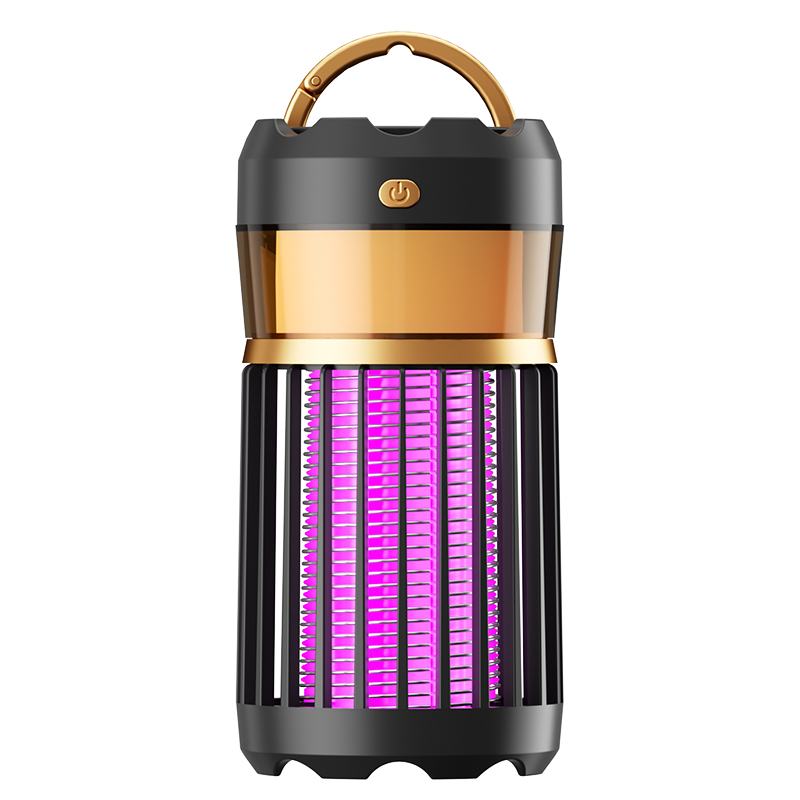
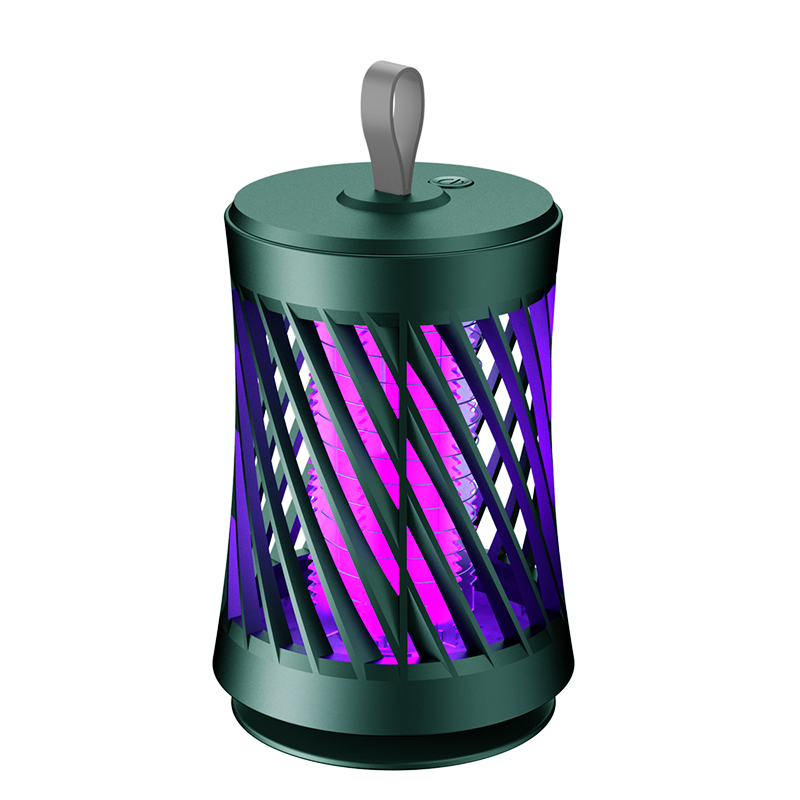
- Opt for zappers with sturdy, fine-mesh enclosures that prevent fingers, paws, or snouts from reaching the grids.
- Avoid older, damaged zappers—cracked screens or exposed wires increase risk. Look for models with safety certifications (e.g., UL or ETL listed).
Maintenance and Usage Tips
- Turn Off When Not in Use: Unplug zappers at night if your family or pets are active outdoors, or use a timer to limit operation to peak insect hours (dusk to dawn).
- Clean Carefully: Always unplug the zapper before removing dead insects. Use a brush or vacuum to clean the grids—never touch them with bare hands.
- Supervise Outdoor Use: If children or pets are playing nearby, keep an eye on the zapper to ensure no one approaches it.
Final Verdict: Safe When Used Responsibly
So, is a bug zapper safe around your family and pets? Yes—if you take basic precautions. The risks are minimal when zappers are mounted out of reach, have proper enclosures, and are used mindfully. They’re a safer alternative to chemical insecticides, which can pose greater risks to children and pets if ingested or inhaled.
By choosing a high-quality model, placing it strategically, and following maintenance rules, you can enjoy a bug-free space without compromising the safety of your loved ones (and furry friends!). If you have extremely curious pets or very young children, consider combining a zapper with other pest-control methods (e.g., citronella candles, mosquito nets) for extra peace of mind.
What is the development history of electric mosquito swatters
Does the weight of an electric mosquito swatter affect the user experience
Related Article

If you’re struggling with annoying mosquitoes, flies, and other flying pests indoors and outdoors, upgrading from traditional manual tools to anElectric Mosquito Swatter is the most efficient solution. Many homeowners and renters search where to buy fly swatter online to find durable, safe, and high-performance electric models that deliver instant pest control.
Where to Buy Fly Swatter
Most importers of electric mosquito swatters obsess over the first order: samples requested, factories vetted, a pre-shipment inspection booked. Then the reorder arrives eight months later and something is off. The grid feels softer. The charge port is a slightly different shade of black. The carton thickness dropped from 350 gsm to 300 gsm. Nothing is catastrophic — but the product no longer matches what your retail customers approved, and quietly, your return rate starts climbing.
How to Keep Mosquito Swatter Quality Consistent Across Repeat Orders
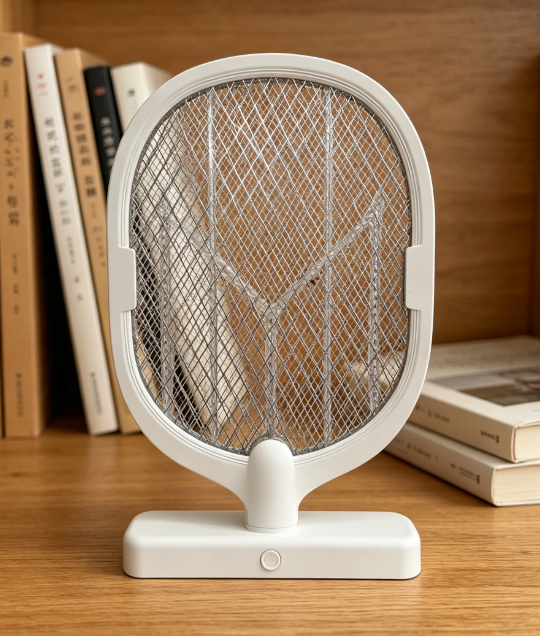
Warranty returns are the silent margin killer in the mosquito control category. A distributor who buys a swatter at $1.80 FOB and retails it at $9.90 can absorb a 1% return rate without noticing — but at 5%, the combined cost of replacement units, reverse logistics, and refund processing erases most of the line's profit.
Common mosquito swatter killer lamp failure modes wholesale spec guide

Digital bathroom scales rank as the second-highest-volume consumer weighing product category, only behind kitchen scales, with distinct market and product characteristics that set them apart from other scale types in importers’ product portfolios.
Digital bathroom body fat-bia-scale wholesale buyers guide