
Is a higher-powered electric mosquito swatter necessarily better
2025-08-11
Is a higher-powered electric mosquito swatter necessarily better? The answer is not absolute. The power level of an electric mosquito swatter is closely related to its actual effectiveness, safety, and other factors, so it cannot be judged simply by the idea that "the higher the power, the better."
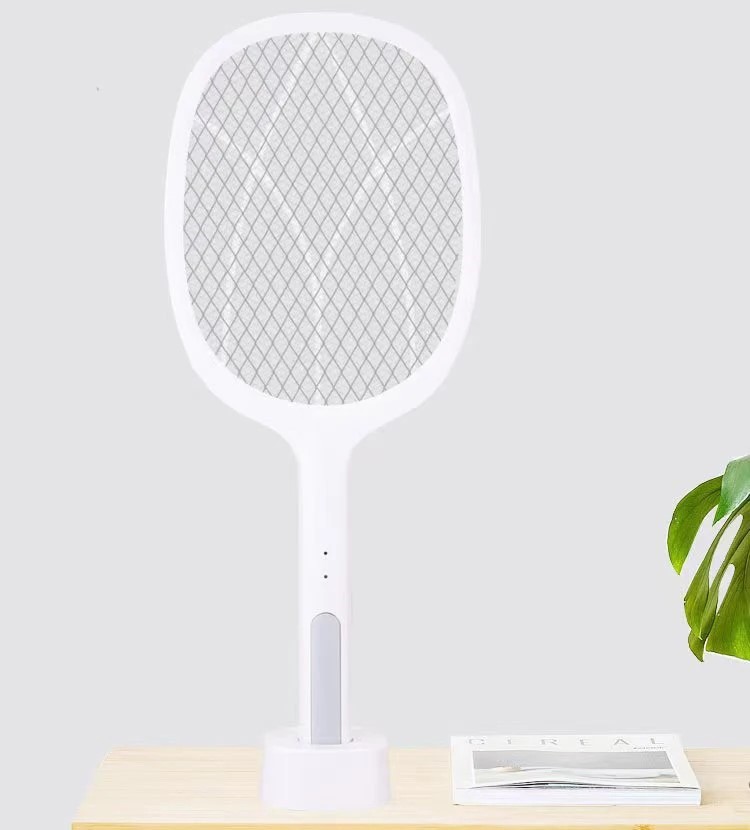
In terms of mosquito-killing effect, power does affect the instantaneous electric shock capability. A higher power can generate stronger current and voltage, which theoretically improves the killing efficiency against mosquitoes (especially larger species) and reduces the chance of "hitting but not killing." However, this advantage presupposes that mosquitoes can be effectively captured by the electric grid — if the grid gap is unreasonably designed (such as being too large), even with high power, mosquitoes may escape through the gaps, making the swatter ineffective.
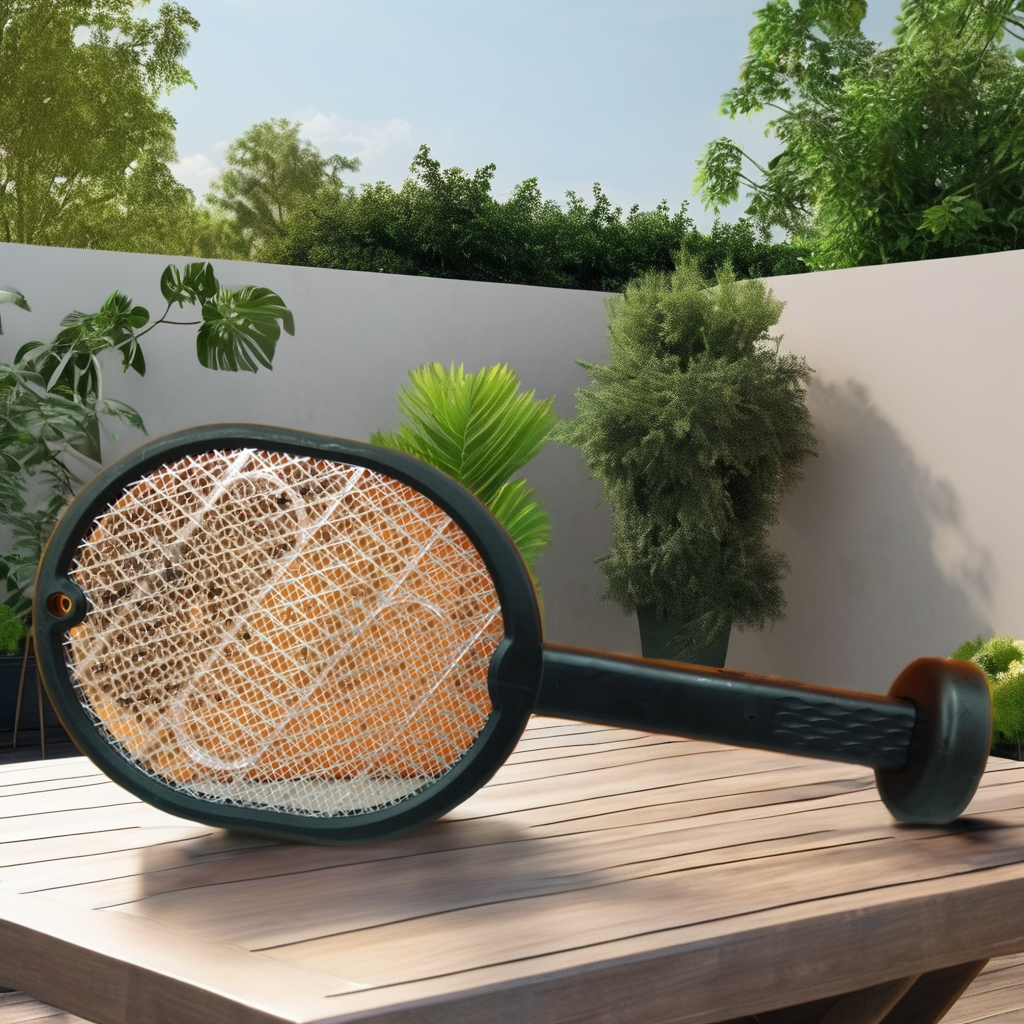
Safety Considerations
From a safety perspective, excessively high power may pose risks. Power is directly related to voltage and current; higher power leads to stronger electric shock intensity of the mosquito swatter. Although regular products limit harm to the human body through design, accidental contact may still cause intense stinging, which is more unfriendly to children, the elderly, or sensitive groups. In addition, high power usually means higher energy consumption, which may shorten the single-use battery life and require more frequent charging or battery replacement.
Practical Usage Factors
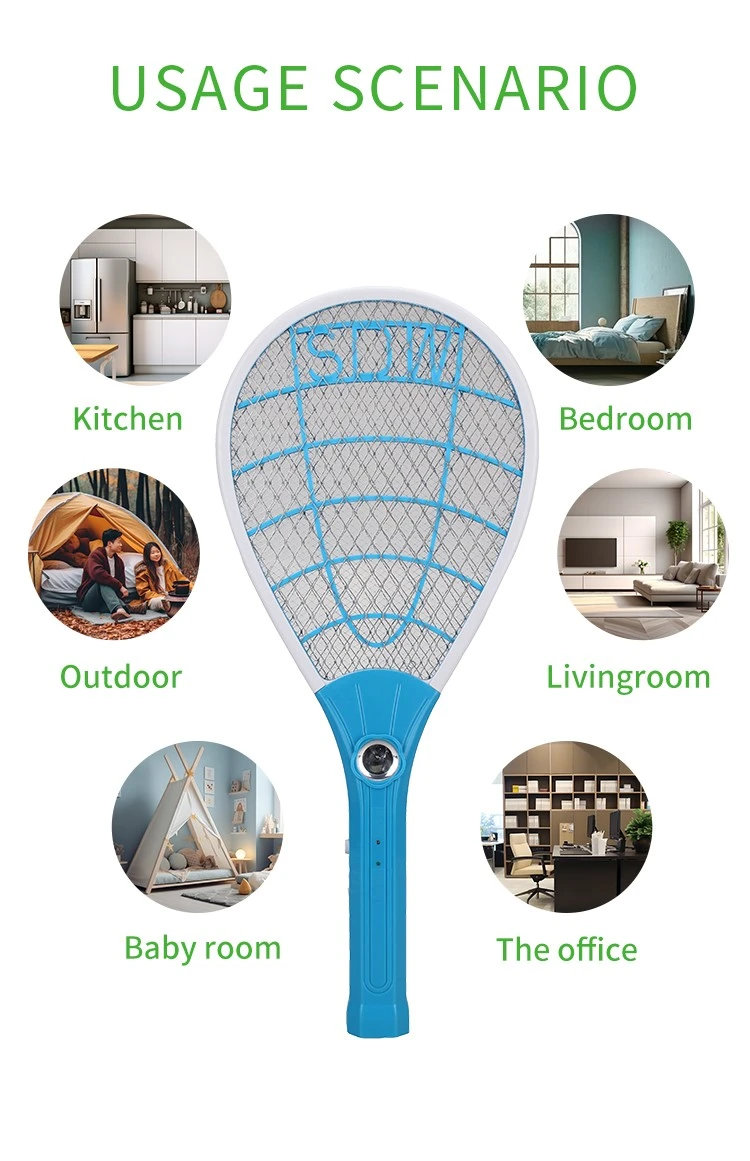
From a practical standpoint, the mosquito-killing effect also depends on the usage scenario and skills. In open spaces, mosquitoes fly flexibly, making it difficult for high-powered mosquito swatters to exert their "power" accurately; in small areas (such as bedrooms and bathrooms), combined with the lightweight feature of low-powered mosquito swatters, it is easier to quickly catch targets.
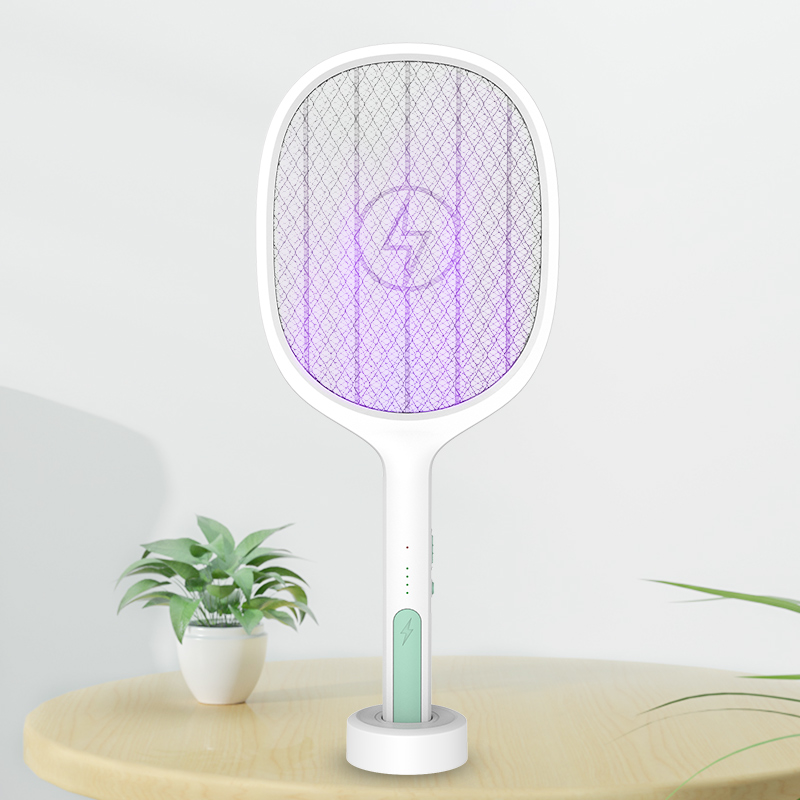
Recommended Range for Daily Use
For daily household use, a power range of 20W-30W is more appropriate. Mosquito swatters within this power range can generate sufficient electric shock intensity to effectively kill mosquitoes, while being relatively safe with reasonable energy consumption.
Conclusion
Therefore, when choosing an electric mosquito swatter, one should comprehensively consider factors such as grid design (gap size, number of layers), battery life, and safety certifications, rather than simply pursuing high power. For daily household use, products with medium power and reasonable design often better balance effectiveness and safety.
How Long Do Flies Live
A mosquito killer lamp placed in the wrong spot is essentially useless
Related Article

If you’re struggling with annoying mosquitoes, flies, and other flying pests indoors and outdoors, upgrading from traditional manual tools to anElectric Mosquito Swatter is the most efficient solution. Many homeowners and renters search where to buy fly swatter online to find durable, safe, and high-performance electric models that deliver instant pest control.
Where to Buy Fly Swatter
Most importers of electric mosquito swatters obsess over the first order: samples requested, factories vetted, a pre-shipment inspection booked. Then the reorder arrives eight months later and something is off. The grid feels softer. The charge port is a slightly different shade of black. The carton thickness dropped from 350 gsm to 300 gsm. Nothing is catastrophic — but the product no longer matches what your retail customers approved, and quietly, your return rate starts climbing.
How to Keep Mosquito Swatter Quality Consistent Across Repeat Orders
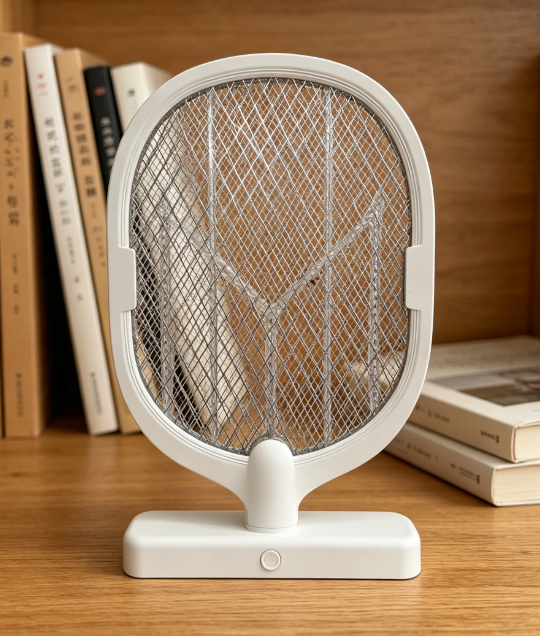
Warranty returns are the silent margin killer in the mosquito control category. A distributor who buys a swatter at $1.80 FOB and retails it at $9.90 can absorb a 1% return rate without noticing — but at 5%, the combined cost of replacement units, reverse logistics, and refund processing erases most of the line's profit.
Common mosquito swatter killer lamp failure modes wholesale spec guide

Digital bathroom scales rank as the second-highest-volume consumer weighing product category, only behind kitchen scales, with distinct market and product characteristics that set them apart from other scale types in importers’ product portfolios.
Digital bathroom body fat-bia-scale wholesale buyers guide