
Is a Larger Electric Mosquito Swatter Better
2025-10-24
Is a Larger Electric Mosquito Swatter Better? Don't Be Deceived by "Large Size"—These 3 Points Are the Key
When you walk into a supermarket or browse online stores, it's easy to notice the significant size differences in electric mosquito swatters—ranging from compact, palm-sized models to "giant" ones comparable to small tennis rackets. Many people instinctively think, "The larger the size, the wider the mosquito-killing range, and the better the effect." But is this really the case? Today, we'll break down the misunderstanding about "electric mosquito swatter size" to help you choose a truly effective one.
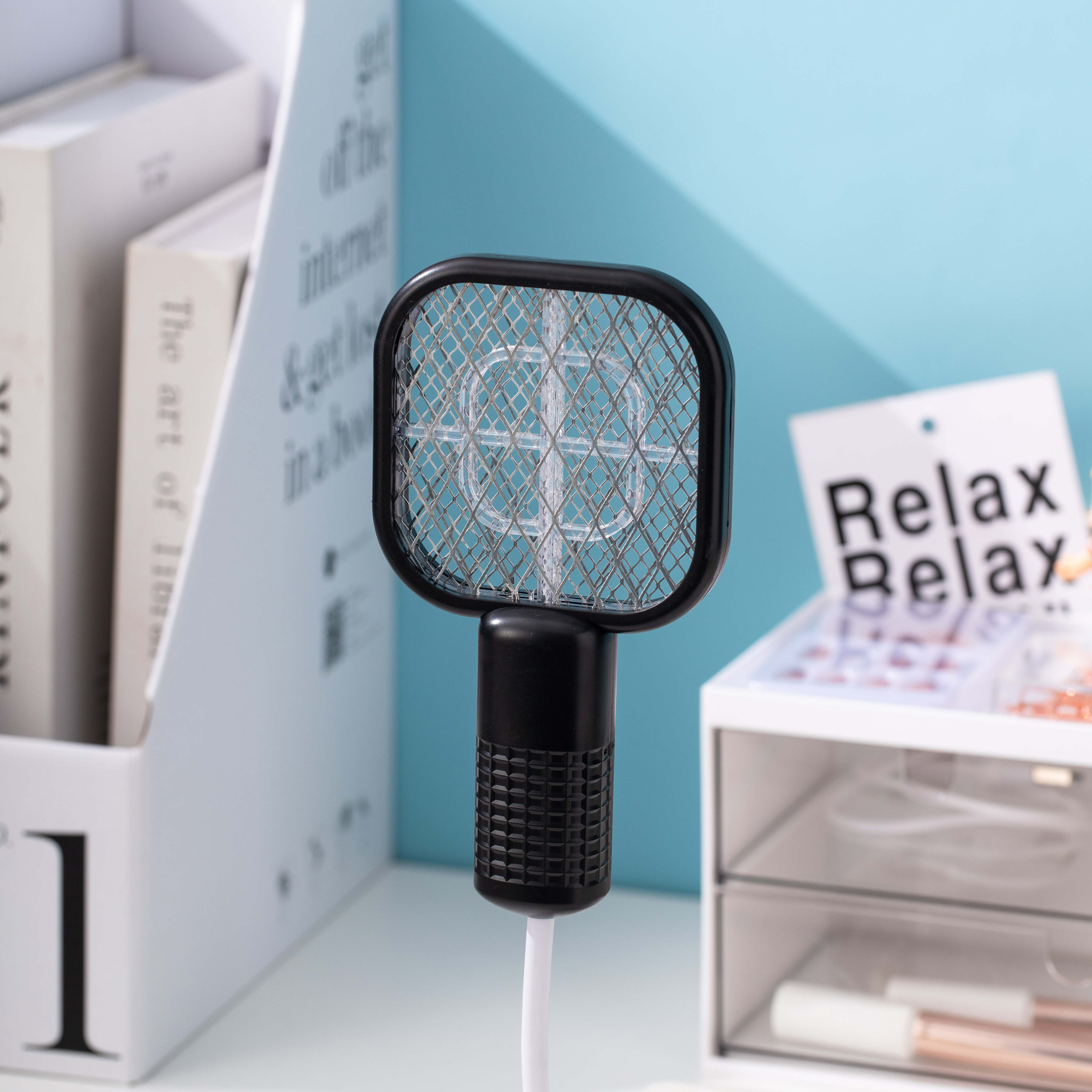
I. First, Understand This: The "Core Power" of an Electric Mosquito Swatter Lies in Two Factors, Not Size
Many people mistakenly believe that "larger size = better performance." In fact, whether an electric mosquito swatter can kill mosquitoes efficiently depends primarily on grid voltage and grid density, rather than size alone.
The grid voltage of regular electric mosquito swatters usually ranges from 1500V to 3000V. The higher the voltage, the stronger the instantaneous electric shock, which can quickly knock down mosquitoes. Grid density (i.e., the size of the gaps between the metal grids) determines the "mosquito escape rate"—if the gaps are too wide, small-sized insects (such as midges) may escape through the grids; if the gaps are too narrow, they easily accumulate dust and affect usage.
For example: A compact 20cm electric mosquito swatter with a voltage of 2500V and a grid gap of 0.8mm may have a higher mosquito-killing efficiency than a 30cm large-sized one with a voltage of 1800V and a grid gap of 1.5mm. It's clear that blindly pursuing "larger size" may cause you to overlook the key parameters that truly affect performance.
II. Pros and Cons of Large-Sized Electric Mosquito Swatters: Suitable for These Scenarios, Avoid These Ones at All Costs
1. Scenarios Where Large-Sized Swatters Excel
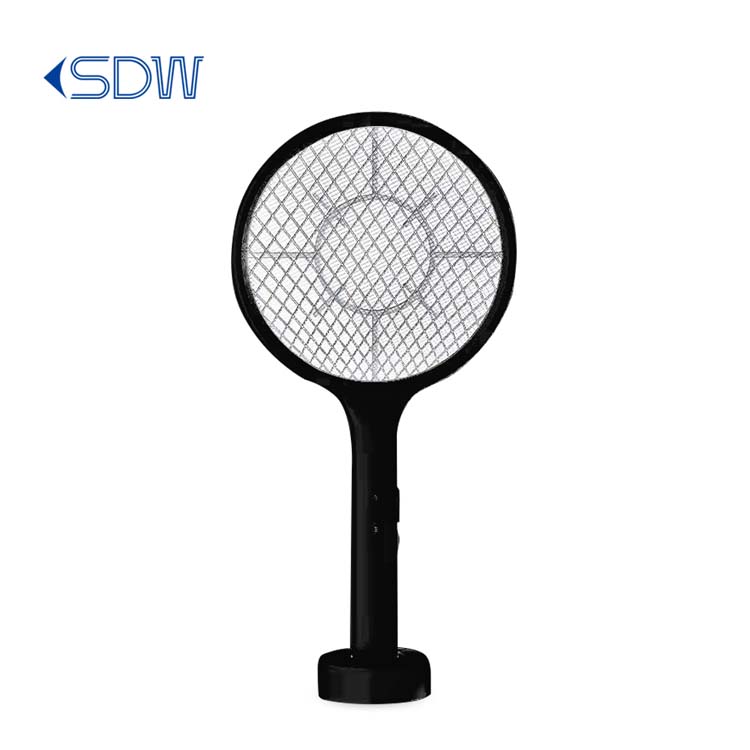
There's no denying that large-sized electric mosquito swatters (usually with a surface width of over 25cm) have advantages in specific scenarios:
- Mosquito Killing in Open Spaces: In unobstructed large spaces like living rooms and balconies, a large swatter surface can cover a wider "attack range." When swinging, it's easier to hit flying mosquitoes, reducing the trouble of "chasing after mosquitoes."
- Dealing with "Large Insects": For larger insects like wasps and big moths, a large swatter surface can wrap around the insect body more stably, preventing the insect from escaping while being electrocuted and reducing the splattering of insect remains.
2. Obvious Shortcomings of Large-Sized Swatters
However, in daily household use, the drawbacks of large-sized electric mosquito swatters are often more prominent:
- Poor "Gap-Penetrating" Ability: Mosquitoes often hide in narrow spaces such as sofa gaps, under beds, and curtain corners. A large swatter surface simply can't reach into these areas, leaving you helpless as you watch mosquitoes "play hide-and-seek." In contrast, small-sized swatters can flexibly reach into gaps for precise mosquito killing.
- Poor Portability, Prone to Idleness: Large-sized electric mosquito swatters usually weigh over 300g, making your arm sore if you swing them for a long time. They also take up more space when stored. Many people find them troublesome after buying and end up preferring small-sized models or mosquito coils instead.
- Higher Safety Risks: The grid coverage of a large swatter surface is wide, so it's easier to accidentally touch furniture, clothes, or even a family member's hand during use. Although regular electric mosquito swatters have protective grids, the "accidental touch probability" of large-sized ones is indeed higher than that of small-sized ones.
III. Choosing an Electric Mosquito Swatter: Stop Focusing on "Size"—First Consider These 3 Needs
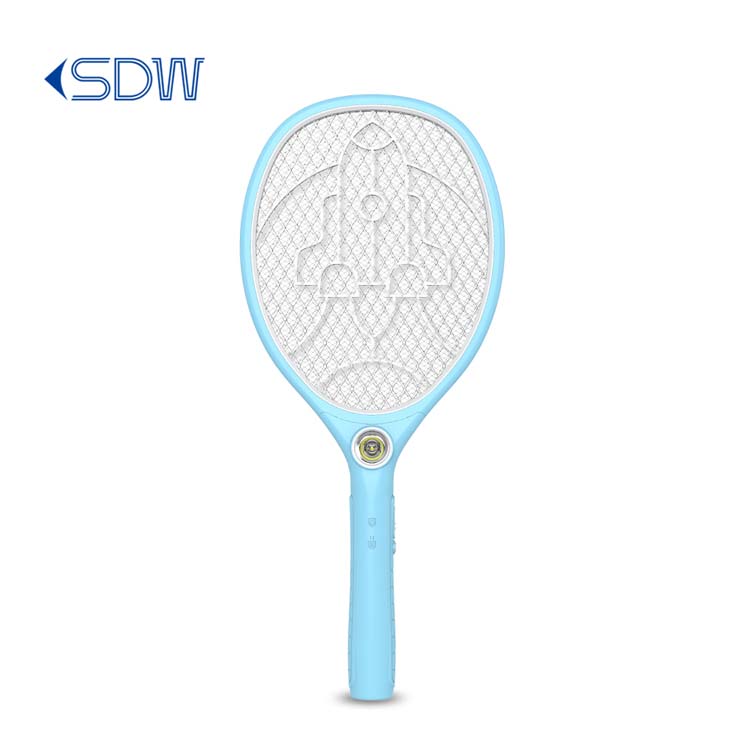
Instead of worrying about "large or small," it's better to choose based on your actual needs—this is the most practical approach:
- If Your Home Has "Many Mosquitoes and Large Spaces": For example, if you live on a low floor, have a yard, or your living room is over 30 square meters, you can choose a "medium-to-large swatter surface" (22-28cm), which balances coverage range and flexibility.
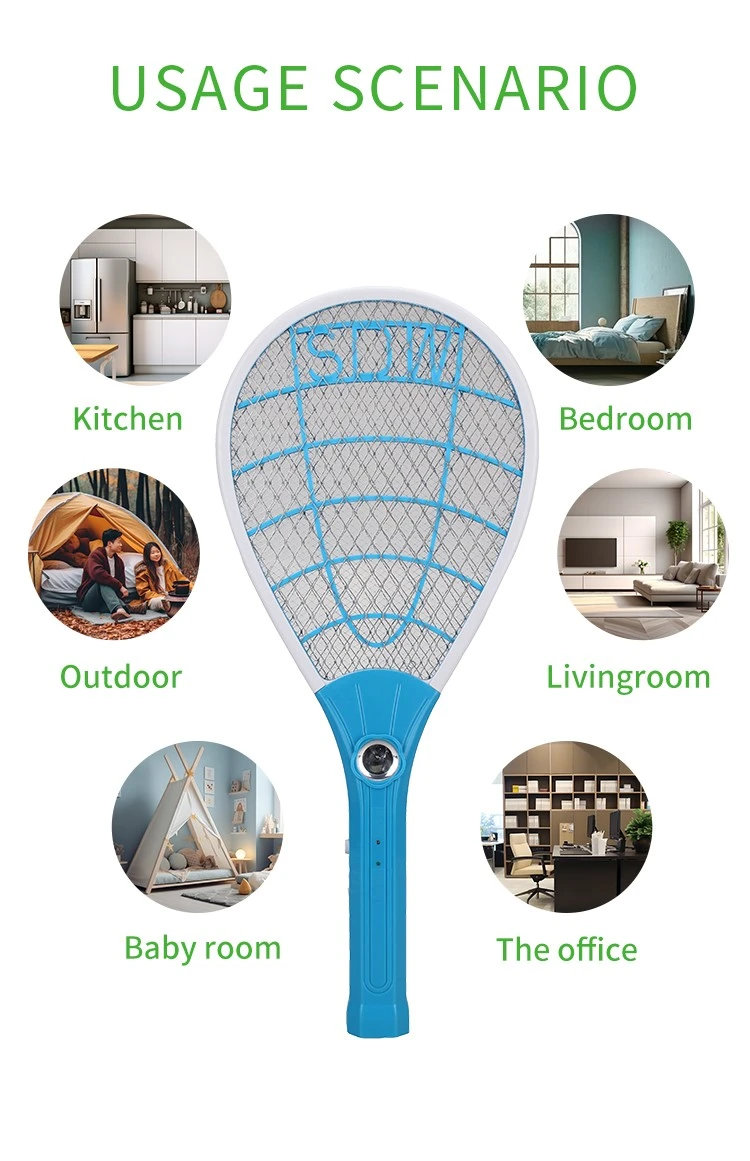
- If You Value "Daily Convenience More": For example, if you rent a house, use it in the bedroom, or often need to "reach into gaps," prioritize a "small-to-medium swatter surface" (18-22cm) that weighs less than 200g. It's easy to swing with one hand and can be casually tucked into a drawer for storage.
- If You Live with "Elderly People or Children": Focus on "safety design" rather than size. Choose models with a "double protective grid" (outer grid to prevent accidental touch, inner grid for electric shock) and an "automatic power-off function." A "small-to-medium size" is advisable to avoid safety hazards if children accidentally take and play with it.
Conclusion: The Most Suitable One Is the Best—Don't Waste Money on "Large Size"
To sum up: The "large size" of an electric mosquito swatter is not a "one-size-fits-all advantage." It is more suitable for specific scenarios, while the daily needs of most families can actually be met with small-to-medium-sized models. When choosing an electric mosquito swatter, first check the voltage (2000V or above is recommended), grid density (0.8-1.2mm gap is ideal), and safety design, then select the size based on your usage scenario. Only in this way can you truly buy a mosquito-repellent tool that is "effective and won't be left idle." After all, an electric mosquito swatter that can kill mosquitoes accurately and is comfortable to use is a good one—don't you agree?
Why Does the Light of an Electric Mosquito Swatter Attract Mosquitoes
Chikungunya Fever
Related Article

If you’re struggling with annoying mosquitoes, flies, and other flying pests indoors and outdoors, upgrading from traditional manual tools to anElectric Mosquito Swatter is the most efficient solution. Many homeowners and renters search where to buy fly swatter online to find durable, safe, and high-performance electric models that deliver instant pest control.
Where to Buy Fly Swatter
Most importers of electric mosquito swatters obsess over the first order: samples requested, factories vetted, a pre-shipment inspection booked. Then the reorder arrives eight months later and something is off. The grid feels softer. The charge port is a slightly different shade of black. The carton thickness dropped from 350 gsm to 300 gsm. Nothing is catastrophic — but the product no longer matches what your retail customers approved, and quietly, your return rate starts climbing.
How to Keep Mosquito Swatter Quality Consistent Across Repeat Orders
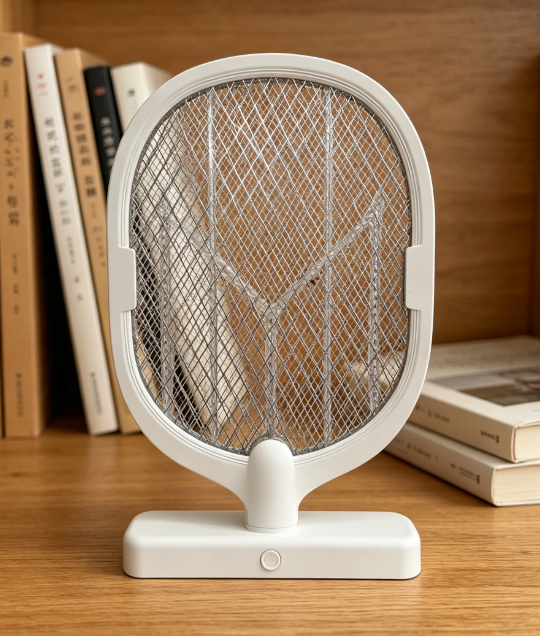
Warranty returns are the silent margin killer in the mosquito control category. A distributor who buys a swatter at $1.80 FOB and retails it at $9.90 can absorb a 1% return rate without noticing — but at 5%, the combined cost of replacement units, reverse logistics, and refund processing erases most of the line's profit.
Common mosquito swatter killer lamp failure modes wholesale spec guide

Digital bathroom scales rank as the second-highest-volume consumer weighing product category, only behind kitchen scales, with distinct market and product characteristics that set them apart from other scale types in importers’ product portfolios.
Digital bathroom body fat-bia-scale wholesale buyers guide