
Is It a Sin to Kill Insects
2025-12-23
Is Killing Insects a Sin? A Thoughtful Exploration
It’s a scenario most of us have encountered: a mosquito buzzes relentlessly around your head at night, or a cockroach scurries across the kitchen floor. Instinctively, we reach for a swatter, a spray, or simply stamp our feet. But in that split second, have you ever paused to wonder: Is killing insects a sin? This question isn’t just about bug squashing—it forces us to confront our relationship with other living beings, the meaning of “sin,” and the boundaries of moral responsibility.
Defining "Sin": The Foundation of the Discussion
To tackle this, we first need to clarify what "sin" means in different contexts, as the answer varies drastically across religions, ethical frameworks, and personal beliefs. Let’s start with religious perspectives, which often frame the concept of sin most explicitly.
Religious Perspectives on Killing Insects
In many faiths, the core principle of "do no harm" extends beyond human beings—but the extent to which it covers insects differs. For example, Buddhism emphasizes ahimsa, or non-violence, as a foundational virtue. Followers of Buddhism strive to avoid harming any sentient being, and since insects are considered sentient (they can feel pain and pleasure), intentionally killing them would be seen as a violation of ahimsa. This doesn’t mean every accidental swat is a sin, but deliberate harm—like squashing a beetle for no reason—would be viewed as unwholesome, as it cultivates a mindset of cruelty.
Christianity, on the other hand, offers a more nuanced view. The Bible states that God gave humans “dominion over the fish of the sea, the birds of the air, and all the living things that move on the earth” (Genesis 1:28). This dominion is often interpreted not as a license to destroy, but as a responsibility to steward creation. Killing insects for self-defense (e.g., a mosquito carrying disease) or to protect one’s home and livelihood (e.g., termites destroying a house) is generally not considered a sin, as it falls under the duty to preserve human life and well-being. However, wanton destruction—killing insects for sport or out of unnecessary cruelty—could be seen as a failure to honor God’s creation, as it reflects a lack of gratitude for the diversity of life.
Secular Ethical Views on Insect Killing
Beyond religion, secular ethics also weighs in on the question. From a utilitarian perspective, which focuses on maximizing overall happiness and minimizing suffering, the morality of killing insects depends on the consequences. Killing a single ant for no reason causes unnecessary suffering with no corresponding benefit, making it ethically questionable. But killing a swarm of locusts that threatens a community’s food supply prevents widespread hunger and suffering, which is morally justified. Similarly, deontological ethics—based on duty and moral rules—might argue that we have a general duty to avoid harming sentient beings, but this duty can be overridden by more pressing duties, like protecting human life.
The Role of Intent in Moral Judgment
Another key consideration is intent. Most of us don’t set out to kill insects for pleasure; we do it out of self-preservation, convenience, or fear. Accidental deaths—like stepping on a caterpillar while walking—are rarely seen as morally wrong, even in ethical systems that value insect life. The difference between a "sin" (or an unethical act) and a harmless accident lies in the conscious choice to cause harm. For example, a child who pulls the wings off a butterfly out of curiosity is acting with intent to harm, which is different from accidentally knocking over a beehive.
Insects in the Ecosystem: A Practical Dimension
We also can’t ignore the role of insects in the ecosystem. Bees pollinate 75% of global food crops, ladybugs eat aphids that destroy plants, and decomposers like beetles break down organic matter to fertilize soil. Killing insects indiscriminately—through pesticides, for example—not only harms individual insects but also disrupts the delicate balance of nature, which ultimately harms humans. In this sense, reckless killing of insects isn’t just a moral or religious issue; it’s a practical threat to our own survival.
Conclusion: Is Killing Insects a Sin? It Depends
So, is killing insects a sin? The short answer is: it depends. It depends on your religious beliefs, your ethical framework, your intent, and the context. For some, any intentional harm to insects is a violation of non-violence and thus a sin. For others, killing insects to protect oneself or others is a necessary part of stewardship. What unites most perspectives, though, is a rejection of unnecessary cruelty. We don’t have to let mosquitoes bite us or let termites destroy our homes, but we can act with mindfulness—using humane methods when possible, avoiding overkill, and respecting the role that insects play in the world around us.
At the end of the day, the question isn’t just about insects. It’s about how we choose to engage with all forms of life. Killing a bug might seem trivial, but it’s a small reflection of our values—values that shape how we treat the planet, other animals, and each other. So the next time you reach for that swatter, take a moment to pause. Ask yourself: Is this necessary? Am I acting with respect? Those questions, more than any definitive answer, might be the most important part of the conversation.
Is It Safe to Touch an On Electric Mosquito Swatter
Is More Lights on a Mosquito Swatter Better
Related Article

If you’re struggling with annoying mosquitoes, flies, and other flying pests indoors and outdoors, upgrading from traditional manual tools to anElectric Mosquito Swatter is the most efficient solution. Many homeowners and renters search where to buy fly swatter online to find durable, safe, and high-performance electric models that deliver instant pest control.
Where to Buy Fly Swatter
Most importers of electric mosquito swatters obsess over the first order: samples requested, factories vetted, a pre-shipment inspection booked. Then the reorder arrives eight months later and something is off. The grid feels softer. The charge port is a slightly different shade of black. The carton thickness dropped from 350 gsm to 300 gsm. Nothing is catastrophic — but the product no longer matches what your retail customers approved, and quietly, your return rate starts climbing.
How to Keep Mosquito Swatter Quality Consistent Across Repeat Orders
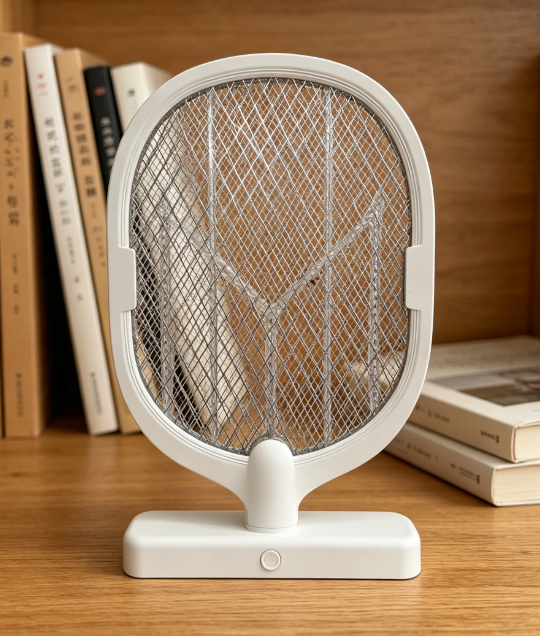
Warranty returns are the silent margin killer in the mosquito control category. A distributor who buys a swatter at $1.80 FOB and retails it at $9.90 can absorb a 1% return rate without noticing — but at 5%, the combined cost of replacement units, reverse logistics, and refund processing erases most of the line's profit.
Common mosquito swatter killer lamp failure modes wholesale spec guide

Digital bathroom scales rank as the second-highest-volume consumer weighing product category, only behind kitchen scales, with distinct market and product characteristics that set them apart from other scale types in importers’ product portfolios.
Digital bathroom body fat-bia-scale wholesale buyers guide