
Is It Normal for Mosquito Traps to Get Hot After Long-Term Use
2025-11-11
Is It Normal for Mosquito Traps to Get Hot After Long-Term Use? This Article Will Clear Up Your Doubts
As the season of active mosquitoes arrives, mosquito traps have become a "summer night savior" for many households. However, recently, many friends have asked me: "My mosquito trap gets hot after being on all night. Is this normal? Could there be safety hazards?" In fact, it is a common phenomenon for mosquito traps to generate heat during operation, but there is an essential difference between "normal heat generation" and "abnormal overheating". Today, we will talk in detail about this topic to help you distinguish between normal situations and danger signals.
1. Why Do Mosquito Traps Generate Heat?
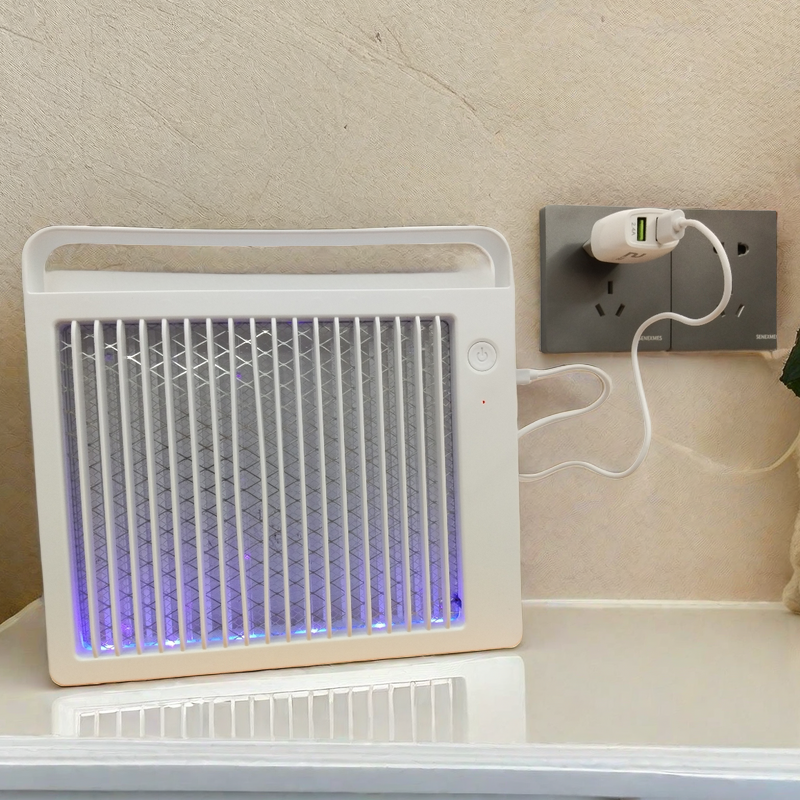
To determine whether heat generation is normal, we first need to understand how mosquito traps work. Currently, mainstream mosquito traps mainly use two methods to kill mosquitoes: "light attraction + electric shock" or "light attraction + sticky trapping". Regardless of the type, their operation relies on the work of electronic components, and it is a basic physical principle that electronic components produce heat when energized.
Take the most common electric shock-type mosquito trap as an example. It has a high-voltage power grid and an ultraviolet lamp tube inside: the ultraviolet lamp tube generates a certain amount of heat when emitting light, and the high-voltage power grid also produces heat due to the passage of current when energized to form an electric field. Even for sticky trapping-type mosquito traps, although they do not have a high-voltage power grid, the motor that drives the fan and the ballast that maintains the operation of the lamp tube will still accumulate heat after working for a long time, causing the temperature of the trap body to rise. In simple terms, as long as a mosquito trap is energized and working, heat generation is inevitable. This is similar to how table lamps or routers at home get hot after being used for a long time.
2. Key Judgment: What Kind of Heat Generation Is "Normal"?
Since heat generation is inevitable, how can we distinguish between "normal heat generation" and "abnormal danger"? You can judge from the following three dimensions:
2.1 Temperature Range: "Warm but Not Scalding" Is the Core Standard
Under normal circumstances, after a mosquito trap has been running for 2-4 hours, the temperature of its body is usually between 30-50°C. When you touch it with your hand, you will feel it is "warm" but not scalding—meaning you can easily place your hand on the body for more than 3 seconds without feeling obvious burning pain. For small-sized household mosquito traps with low power (usually 5-15W), the temperature may be even lower, and you may only feel a slight warmth. For mosquito traps with higher power (above 20W) used in living rooms or shops, the temperature will be slightly higher, but it will still not reach the "scalding" level.
2.2 Heat-Generating Area: It Is Normal for Heat to Concentrate in the "Core Component Area"
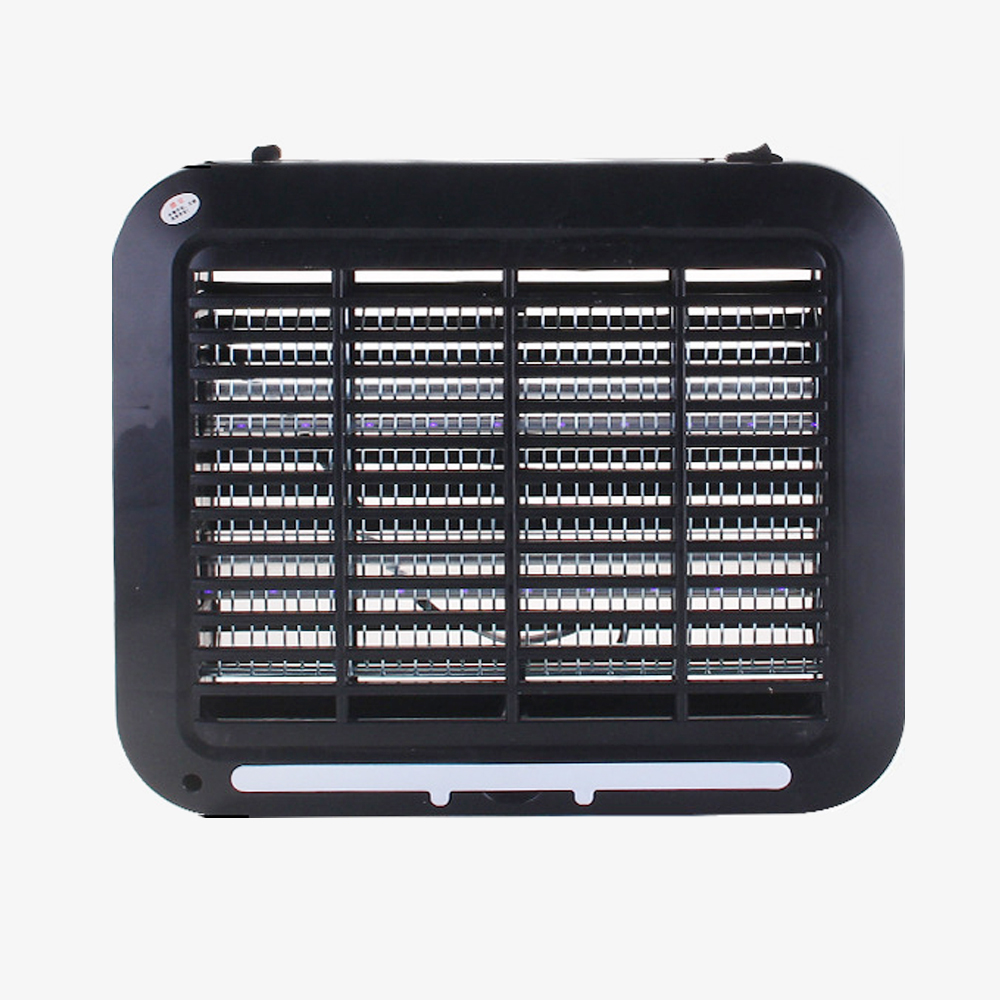
If you carefully observe the structure of a mosquito trap, you will find that heat usually concentrates in specific areas: for example, near the high-voltage power grid and at both ends of the ultraviolet lamp tube in electric shock-type mosquito traps, and at the fan motor in sticky trapping-type mosquito traps. These areas are the core working parts of the mosquito trap, so it is reasonable for heat to concentrate here. However, if non-core areas such as the "edge of the trap body", "power cord interface", or "switch button" continue to generate heat, and the temperature even exceeds that of the core area, you need to be alert—this may be a sign of problems such as poor component contact or aging circuits.
2.3 Heat Generation Trend: "Stable Without Sudden Rise" Is the Key
A normal mosquito trap has a "stable process" of heat generation: within 10-20 minutes after being turned on, the temperature rises gradually, and then stabilizes within a fixed range without continuing to soar as the usage time increases. For example, if the temperature is 40°C after 1 hour of use and remains around 42°C after 5 hours, this slight fluctuation is normal. However, if you find that "the temperature is 35°C after 1 hour and suddenly rises to 60°C after 3 hours", or you clearly feel that the temperature is "getting hotter and hotter" when touching it with your hand, this is an abnormal situation, and you need to cut off the power immediately for inspection.
3. These "Abnormal Heat Generation Signals" Must Be Taken Seriously!
If a mosquito trap shows the following three situations, even if they occur occasionally, you must not take them lightly—they are not "normal heat generation" but early warnings of safety hazards:
- Too Hot to Touch: As soon as you touch the trap body, you have to withdraw your hand immediately, and you may even smell a "slight burning smell". This indicates that the internal components may have overheated, and there is a risk of short circuit or burnout.
- Accompanied by Abnormal Phenomena: While generating heat, the mosquito trap has problems such as "flickering lamp tube", "abnormal fan noise", or "hot power cord". This may be due to poor circuit contact or component failure, and continuing to use it may cause a fire.
- Sudden Heat Generation in Aged Equipment: For a mosquito trap that has been used for more than 3 years and was always "warm" before, if it suddenly starts to generate intense heat one day, this is likely a sign that internal components such as capacitors and ballasts have aged and failed. It is recommended to replace it with a new one immediately and not continue to use the old one.
4. Final Reminder: Use Mosquito Traps in This Way to Reduce Heat-Related Hazards
To ensure that mosquito traps generate heat "safely" and extend their service life, remember these three tips:
4.1 Avoid "24-Hour Continuous Operation"
The optimal usage time for a mosquito trap is "8-10 hours per night" (for example, turn it on before going to bed and turn it off after getting up). Continuous operation for a long time will not only accelerate the aging of components but also cause heat to accumulate continuously, increasing the risk of abnormal heat generation.
4.2 Keep It "Ventilated and Unobstructed"
Do not place the mosquito trap near flammable items such as curtains, sofas, or bedding, and do not "wrap" it with items like cartons or plastic boxes. Good ventilation helps dissipate heat and reduces heat accumulation.
4.3 Conduct Regular Cleaning and Maintenance
Once a week, after cutting off the power, wipe the power grid, fan, and body of the mosquito trap with a dry cloth to remove mosquito corpses and dust. Accumulated dust will affect heat dissipation, cause the temperature of core components to rise, and indirectly lead to abnormal heat generation.
In conclusion, it is not terrifying for a mosquito trap to generate heat after long-term use. The key is to distinguish between "normal warmth" and "abnormal overheating". As long as you remember the three normal standards of "warm but not scalding, heat concentrated in core areas, and stable temperature", and pay attention to abnormal signals, you can enjoy the mosquito-killing effect without worrying about safety issues!
Useful Tips for Cleaning an Electric Mosquito Swatter
Can an electric mosquito swatter pass through subway security checks
Related Article

If you’re struggling with annoying mosquitoes, flies, and other flying pests indoors and outdoors, upgrading from traditional manual tools to anElectric Mosquito Swatter is the most efficient solution. Many homeowners and renters search where to buy fly swatter online to find durable, safe, and high-performance electric models that deliver instant pest control.
Where to Buy Fly Swatter

Most importers of electric mosquito swatters obsess over the first order: samples requested, factories vetted, a pre-shipment inspection booked. Then the reorder arrives eight months later and something is off. The grid feels softer. The charge port is a slightly different shade of black. The carton thickness dropped from 350 gsm to 300 gsm. Nothing is catastrophic — but the product no longer matches what your retail customers approved, and quietly, your return rate starts climbing.
How to Keep Mosquito Swatter Quality Consistent Across Repeat Orders

Warranty returns are the silent margin killer in the mosquito control category. A distributor who buys a swatter at $1.80 FOB and retails it at $9.90 can absorb a 1% return rate without noticing — but at 5%, the combined cost of replacement units, reverse logistics, and refund processing erases most of the line's profit.
Common mosquito swatter killer lamp failure modes wholesale spec guide

Digital bathroom scales rank as the second-highest-volume consumer weighing product category, only behind kitchen scales, with distinct market and product characteristics that set them apart from other scale types in importers’ product portfolios.
Digital bathroom body fat-bia-scale wholesale buyers guide