
Is It Safe to Touch an On Electric Mosquito Swatter
2025-12-24
Can You Touch an Electric Mosquito Swatter When It's On? The Answer May Surprise You
When an electric mosquito swatter is on, can you touch it directly? After all, it makes a "crackling" electric shock sound when powered on, which looks a bit "scary". Today, we'll talk about this common safety concern.
First, we need to understand the working principle of the electric mosquito swatter to figure out if touching it is dangerous. The core of an electric mosquito swatter is "high voltage and low current". It converts the 220V ordinary alternating current at home into a high voltage of several thousand or even tens of thousands of volts through an internal transformer, but at the same time reduces the current to a very small level—usually only a few milliamps. The key factor causing harm to the human body is "current", not voltage. This is the biggest difference between an electric mosquito swatter and the sockets and wires we usually come into contact with.
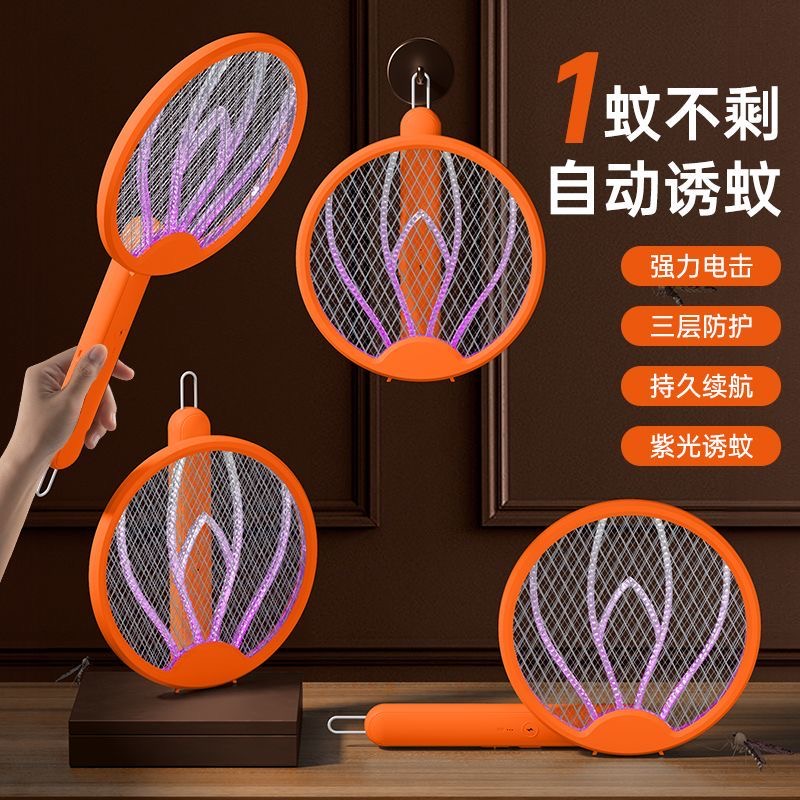
1. The Core Principle of Electric Mosquito Swatters: High Voltage and Low Current
First, we need to understand the working principle of the electric mosquito swatter to figure out if touching it is dangerous. The core of an electric mosquito swatter is "high voltage and low current". It converts the 220V ordinary alternating current at home into a high voltage of several thousand or even tens of thousands of volts through an internal transformer, but at the same time reduces the current to a very small level—usually only a few milliamps. The key factor causing harm to the human body is "current", not voltage. This is the biggest difference between an electric mosquito swatter and the sockets and wires we usually come into contact with.
Back to the core question: Can you touch an electric mosquito swatter with your hand when it's on? The answer is: Yes, but you will feel a obvious electric shock, and there are certain precautions. When your finger touches the grid of an electric mosquito swatter in the on state, you will instantly feel a stinging, tingling sensation, and even a slight "repelling" feeling. Although this feeling is uncomfortable, because the current is extremely small, it generally will not cause serious harm to healthy adults.
2. Core Question Answered: Can You Touch It Directly When It's On?
Back to the core question: Can you touch an electric mosquito swatter with your hand when it's on? The answer is: Yes, but you will feel a obvious electric shock, and there are certain precautions. When your finger touches the grid of an electric mosquito swatter in the on state, you will instantly feel a stinging, tingling sensation, and even a slight "repelling" feeling. Although this feeling is uncomfortable, because the current is extremely small, it generally will not cause serious harm to healthy adults.
However, this does not mean that you can touch the electric mosquito swatter at will. There are several key safety boundaries that must be observed, otherwise problems may still occur. First, never touch it with wet hands. Water is a conductor, and wet hands will make it easier for current to pass through the body, and may expand the scope of current action. At best, it will intensify the electric shock feeling; at worst, it may cause discomfort. Second, avoid long-term and large-area contact. Although a single short contact is not a big problem, if you press your entire palm on the grid or touch it for too long, the continuous electric shock may cause arm numbness and muscle spasms. Especially for the elderly, children or people with poor heart function, the risk is higher.
3. Safety Boundaries for Use: These Situations Must Be Avoided
1. Never Touch with Wet Hands
However, this does not mean that you can touch the electric mosquito swatter at will. There are several key safety boundaries that must be observed, otherwise problems may still occur. First, never touch it with wet hands. Water is a conductor, and wet hands will make it easier for current to pass through the body, and may expand the scope of current action. At best, it will intensify the electric shock feeling; at worst, it may cause discomfort.

2. Avoid Long-Term and Large-Area Contact
Second, avoid long-term and large-area contact. Although a single short contact is not a big problem, if you press your entire palm on the grid or touch it for too long, the continuous electric shock may cause arm numbness and muscle spasms. Especially for the elderly, children or people with poor heart function, the risk is higher.
3. Be Alert to Damaged/Aged Electric Mosquito Swatters
There is another special situation that requires extra vigilance: if the shell of the electric mosquito swatter is damaged, the grid is deformed, or the internal wires are aging, there may be "electric leakage" or "abnormal voltage". At this time, touching it with your hand is very dangerous, and it is likely to exceed the safe current threshold, causing serious electric shock injury.
4. Do Not Touch Other Conductive Objects Simultaneously
In addition, do not touch the electric mosquito swatter and other conductive objects (such as metal doors and windows, water pipes, etc.) at the same time to avoid forming a current loop and increasing the risk of electric shock.
4. Manufacturers' Safety Design and Daily Use Suggestions
In fact, when designing electric mosquito swatters, manufacturers have considered the safety of human contact, so they adopt the "high voltage and low current" design to effectively kill mosquitoes while reducing harm to the human body. But "safe" does not mean "can be tried at will". After all, the stinging sensation of electric shock is a warning in itself. In daily use, it is recommended that you try to avoid touching the grid when it is on. After killing mosquitoes, turn off the switch first, and then clean the mosquito remains on the grid.
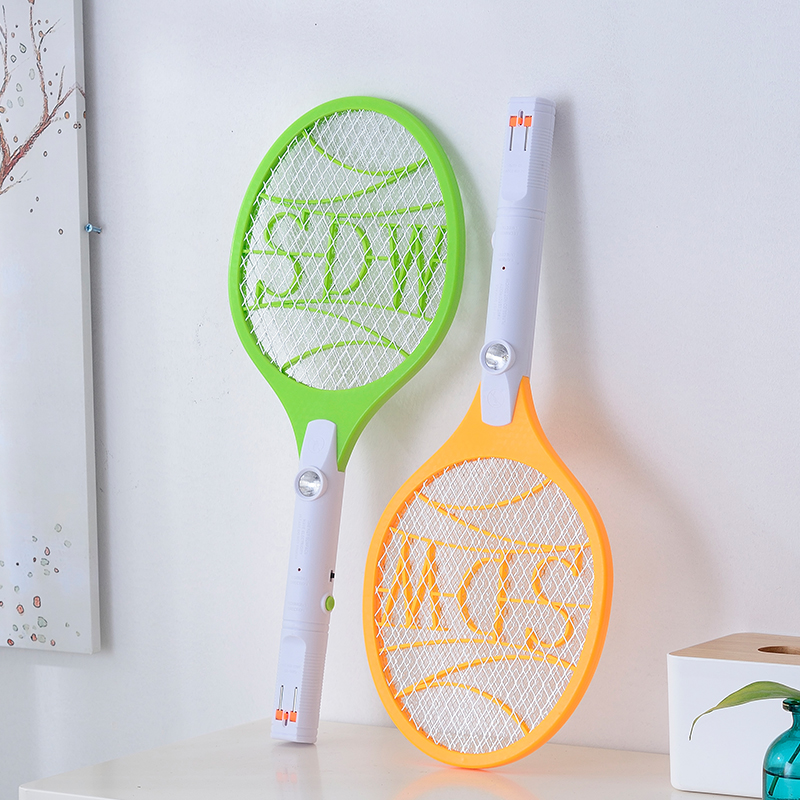
5. Summary: Use Safely and Refuse to "Test" the Electric Shock Sensation
To summarize: For healthy adults, a short contact with the grid of an electric mosquito swatter in the on state in a dry environment will generally not cause serious danger, but there will be obvious discomfort; while touching with wet hands, long-term contact, or when the electric mosquito swatter itself is damaged, contact may be risky. Therefore, the safest way is: do not take the initiative to touch it with your hands, use it standardizedly, and replace it in time if you find the electric mosquito swatter is damaged. After all, the electric mosquito swatter is used to kill mosquitoes, not to "test" the electric shock sensation. Safe use is the top priority!
Common Faults and Solutions of Electric Mosquito Swatters
Is It a Sin to Kill Insects
Related Article

If you’re struggling with annoying mosquitoes, flies, and other flying pests indoors and outdoors, upgrading from traditional manual tools to anElectric Mosquito Swatter is the most efficient solution. Many homeowners and renters search where to buy fly swatter online to find durable, safe, and high-performance electric models that deliver instant pest control.
Where to Buy Fly Swatter
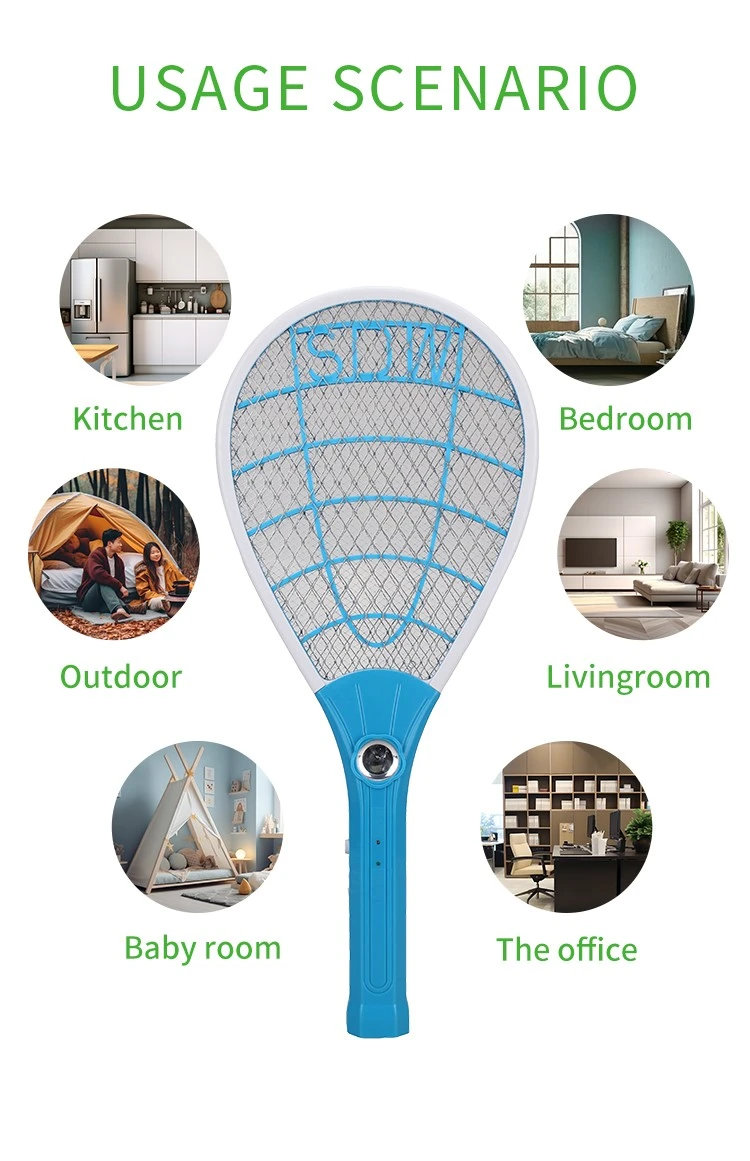
Most importers of electric mosquito swatters obsess over the first order: samples requested, factories vetted, a pre-shipment inspection booked. Then the reorder arrives eight months later and something is off. The grid feels softer. The charge port is a slightly different shade of black. The carton thickness dropped from 350 gsm to 300 gsm. Nothing is catastrophic — but the product no longer matches what your retail customers approved, and quietly, your return rate starts climbing.
How to Keep Mosquito Swatter Quality Consistent Across Repeat Orders
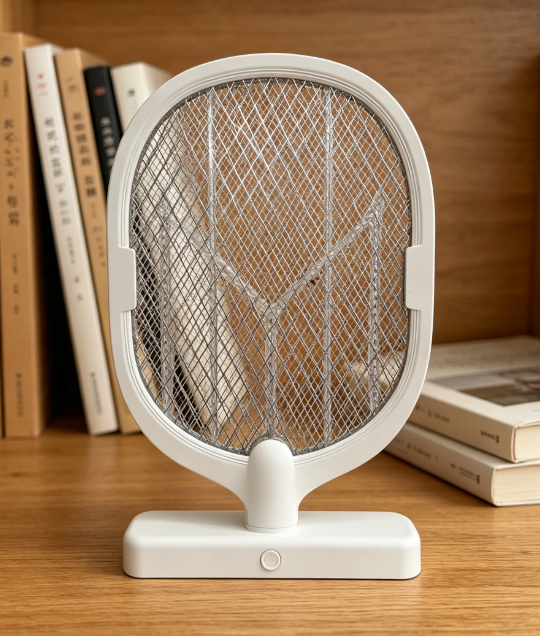
Warranty returns are the silent margin killer in the mosquito control category. A distributor who buys a swatter at $1.80 FOB and retails it at $9.90 can absorb a 1% return rate without noticing — but at 5%, the combined cost of replacement units, reverse logistics, and refund processing erases most of the line's profit.
Common mosquito swatter killer lamp failure modes wholesale spec guide

Digital bathroom scales rank as the second-highest-volume consumer weighing product category, only behind kitchen scales, with distinct market and product characteristics that set them apart from other scale types in importers’ product portfolios.
Digital bathroom body fat-bia-scale wholesale buyers guide