
Is Killing Insects a Sin
2025-07-29
Is Killing Insects a Sin? — An Exploration of the Ethics of Tiny Lives
We often swat a biting mosquito or crush a stray cockroach without thinking. But pausing to reflect raises a question: Could killing these small insects be a sin? Answering this requires examining multiple perspectives, as "sin" is tied to morality, religion, and our sense of responsibility to the world.
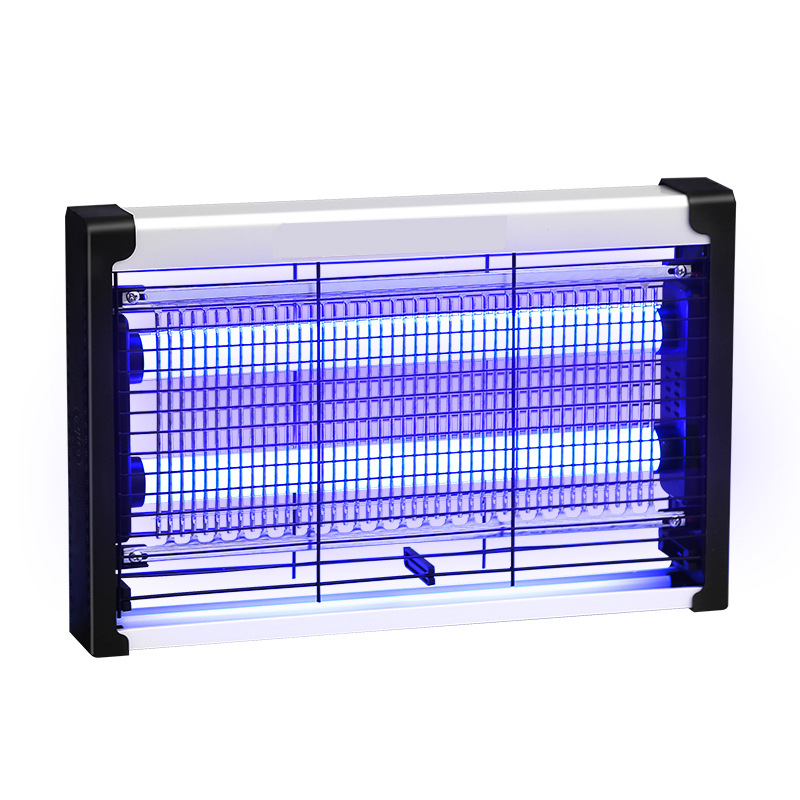
The Life of Insects from a Religious Perspective: From Taboos to Trade-offs
Different faiths hold distinct views on whether killing insects is a sin.
Eastern Religious Traditions Emphasizing "Non-harm"
In Buddhism, "non-killing" applies to all life, including insects. Killing them unnecessarily violates compassion, fostering indifference to suffering. Jainism takes this further—followers avoid harming even tiny insects, seeing pointless killing as a moral failing that weakens kindness.
Abrahamic Religions Advocating "Responsibility and Dominion"
Christianity, Judaism, and Islam teach humans have dominion over nature, but with stewardship duties. The Bible calls humans "stewards of creation," so killing insects cruelly contradicts this role. Yet eliminating threats like disease-carrying mosquitoes is justified—unlike killing a butterfly for no reason, which betrays our guardian role.
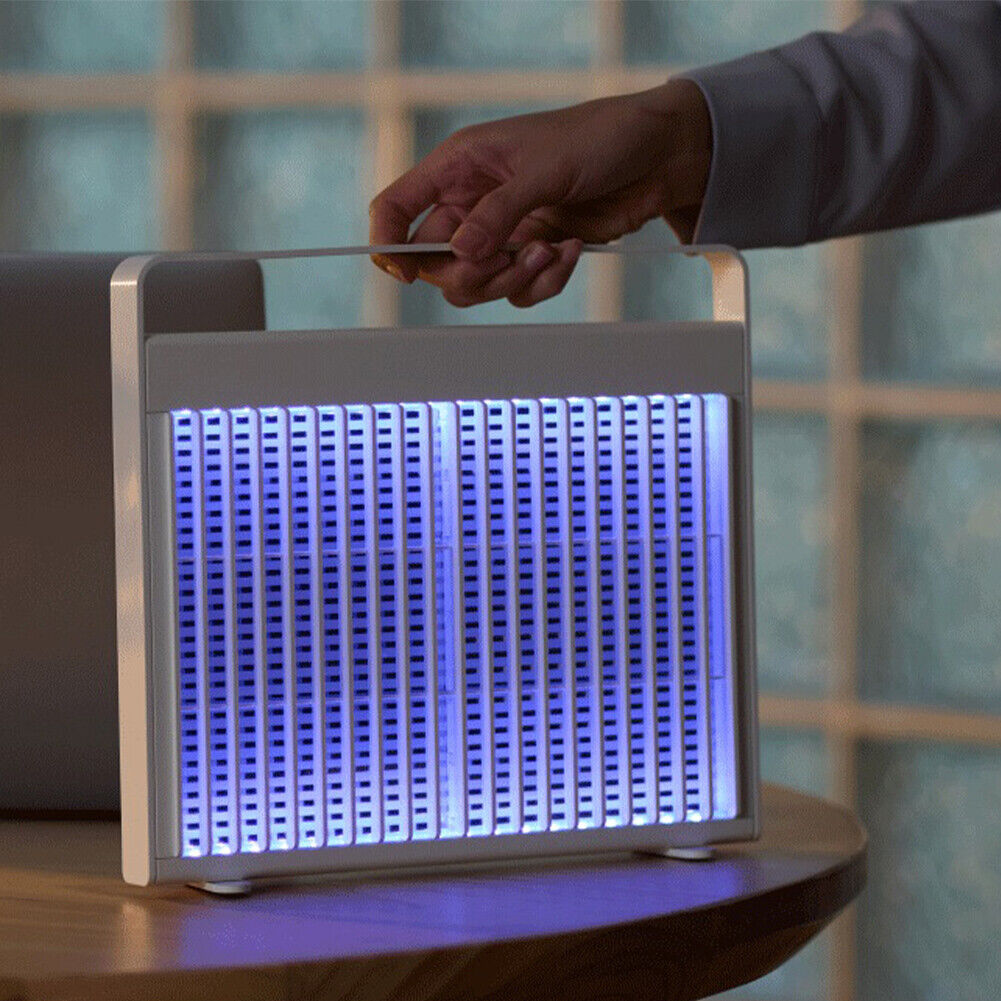
Ethical Considerations: The Balance Between Intent and Necessity
Beyond religion, ethics focus on intent and necessity when judging insect deaths.
Insects' "Feelings" and the Value of Life
Insects have nervous systems, but their capacity for pain is debated. They react to harm (shrinking, fleeing), prompting a question: Even with weak pain perception, should their lives be disposable?
Intent Determines the Moral Nature of an Act
Ethicists stress intent matters most. Killing insects for fun (e.g., crushing a beetle out of boredom) shows disrespect for life and is unethical. But killing out of necessity—removing a wasp nest to protect a child, or 赶走啃食庄稼的毛毛虫 to save harvests—is acceptable, as it stems from survival, not cruelty.
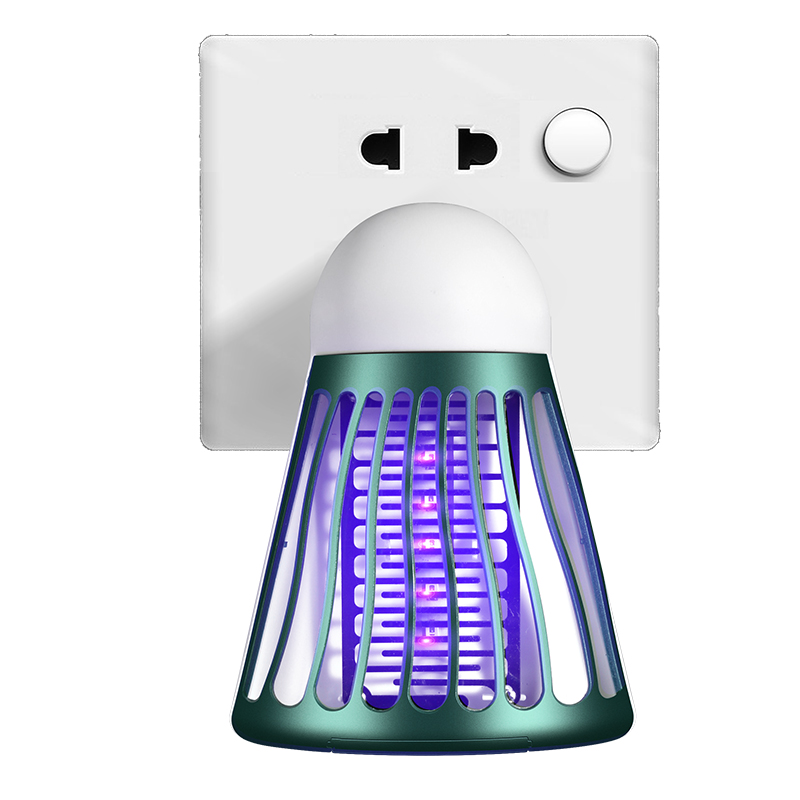
Ecological Dimension: The Role of Insects in Nature Cannot Be Ignored
Insects are ecologically vital—pollinating plants, decomposing waste, and sustaining food chains. Indiscriminate killing (e.g., using pesticides to wipe out bees) damages ecosystems. This isn’t just about insects; it disrupts natural balance, making such killing irresponsible, if not a sin.
Conclusion: Whether It Is a Sin Depends on Whether There Is Awe and Reflection
There’s no absolute answer to whether killing insects is a sin, but all life deserves respect. Driving away threats instinctively carries no moral burden, but harming insects out of malice or thoughtlessness betrays life’s awe.
Ultimately, judgment hinges not on the act itself, but on our awe for life and pre-action reflection—our attitude toward tiny lives reflects our responsibility and kindness to the world.
How to Get Rid of Carpet Beetles in Your Home
Why Mosquito Killer Lamps May Be Illegal in Some Areas
Related Article

If you’re struggling with annoying mosquitoes, flies, and other flying pests indoors and outdoors, upgrading from traditional manual tools to anElectric Mosquito Swatter is the most efficient solution. Many homeowners and renters search where to buy fly swatter online to find durable, safe, and high-performance electric models that deliver instant pest control.
Where to Buy Fly Swatter
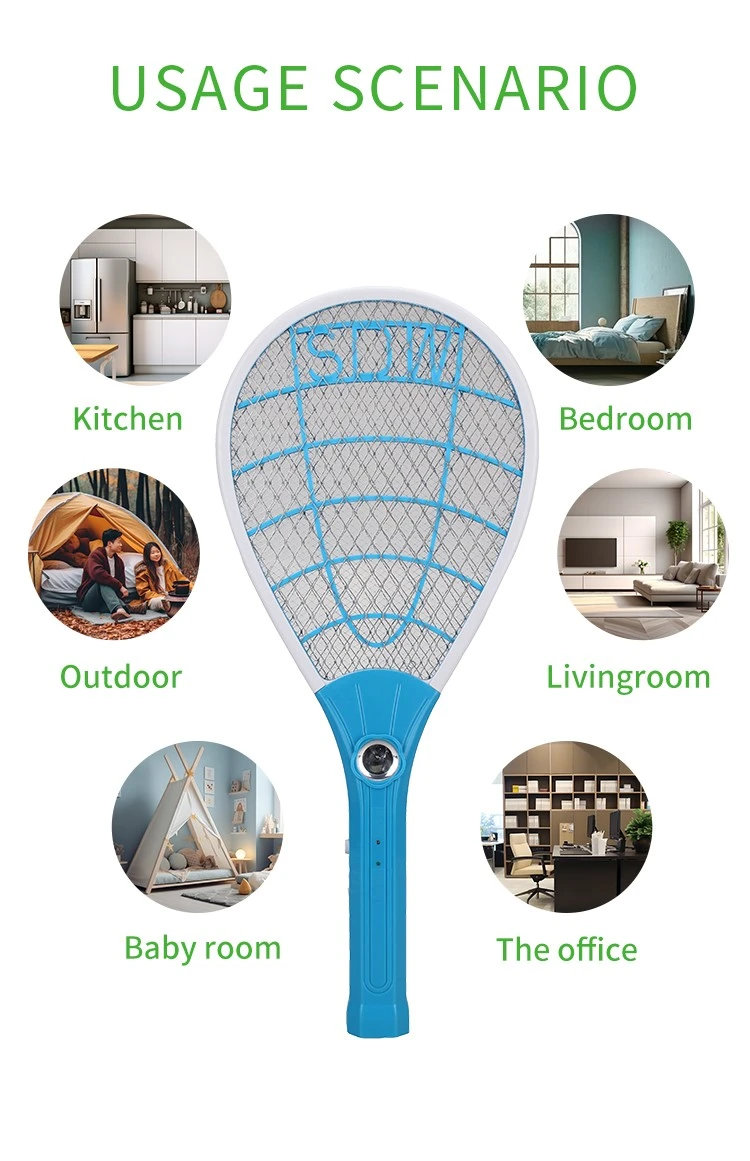
Most importers of electric mosquito swatters obsess over the first order: samples requested, factories vetted, a pre-shipment inspection booked. Then the reorder arrives eight months later and something is off. The grid feels softer. The charge port is a slightly different shade of black. The carton thickness dropped from 350 gsm to 300 gsm. Nothing is catastrophic — but the product no longer matches what your retail customers approved, and quietly, your return rate starts climbing.
How to Keep Mosquito Swatter Quality Consistent Across Repeat Orders
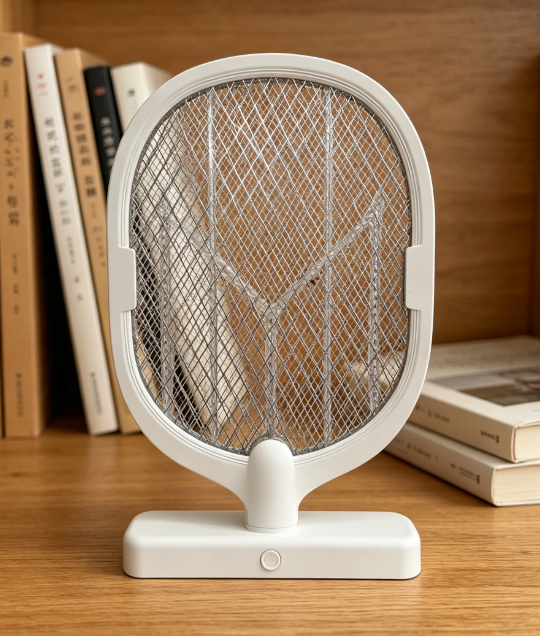
Warranty returns are the silent margin killer in the mosquito control category. A distributor who buys a swatter at $1.80 FOB and retails it at $9.90 can absorb a 1% return rate without noticing — but at 5%, the combined cost of replacement units, reverse logistics, and refund processing erases most of the line's profit.
Common mosquito swatter killer lamp failure modes wholesale spec guide

Digital bathroom scales rank as the second-highest-volume consumer weighing product category, only behind kitchen scales, with distinct market and product characteristics that set them apart from other scale types in importers’ product portfolios.
Digital bathroom body fat-bia-scale wholesale buyers guide