
Is More Lights on a Mosquito Swatter Better
2025-12-23
Is More Lights on a Mosquito Swatter Better? The Truth Is Not That Simple
As summer arrives, mosquitoes become a major nuisance for every household. Mosquito swatters, being convenient and efficient mosquito-killing tools, naturally become essential items. Walking into supermarkets or online shopping platforms, it's easy to find a wide variety of mosquito swatters on the market, especially with significant differences in lighting design—some have only 1-2 lights, while others are densely packed with more than a dozen lights. Merchants also claim one after another that "multiple lights attract mosquitoes for efficient mosquito killing." This makes many consumers confused: is more lights on a mosquito swatter really better? Today, we'll talk about this issue in detail.
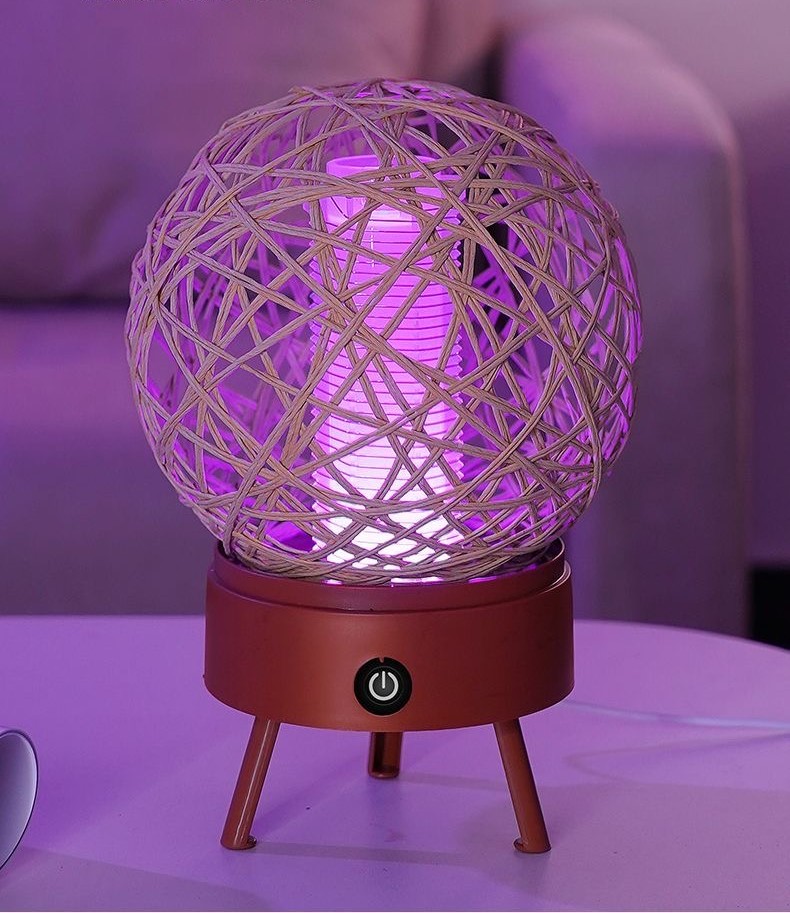
I. What Exactly Is the Function of the Lights on a Mosquito Swatter?
To figure out "whether more lights are better," we first need to understand what the lights on a mosquito swatter are used for. In fact, the core function of the lights on a mosquito swatter is to "attract mosquitoes." Mosquitoes are phototactic, especially sensitive to ultraviolet light with a wavelength of around 365-400nm. Most lights on mosquito swatters on the market are ultraviolet lights (also called UV lights), which use this characteristic to attract mosquitoes to approach. When mosquitoes come into contact with the power grid, they are electrocuted to death. From this principle, it's clear that lights are indeed an important auxiliary for the mosquito-killing effect of mosquito swatters.
1.1 Core Advantage of Multi-Light Design: Expanding Mosquito Attraction Range
So, is the more lights, the better the mosquito attraction effect? Theoretically, within a certain range, more lights can expand the range of mosquito attraction, making it easier for surrounding mosquitoes to find the swatter, thereby increasing the capture probability. For example, in dimly lit bedrooms or living room corners, a multi-light mosquito swatter can indeed cover a larger area with light. Compared to a single-light swatter, it may attract more mosquitoes. This is the core advantage of multi-light mosquito swatters, which are especially suitable for use in large-area, dimly lit environments.
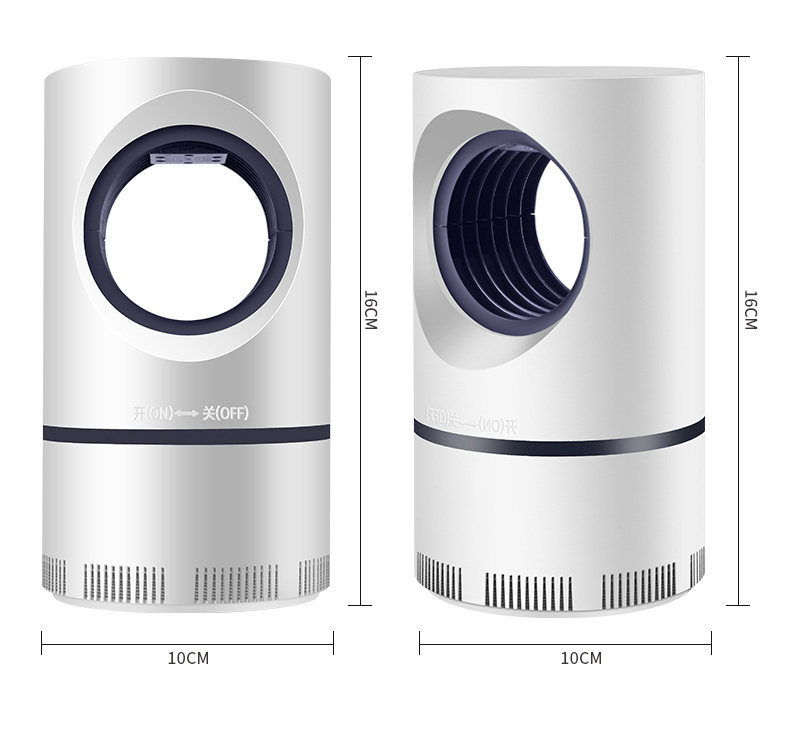
1.2 Shortcomings of Multi-Light Design: Compromises in Energy Consumption and Service Life
However, this does not mean that "the more lights, the better." Multi-light design also has obvious shortcomings. Blindly pursuing the number of lights may do more harm than good. First, there's the energy consumption issue—the more lights there are, the greater the power consumption. Most mosquito swatters are rechargeable, and multi-light design will significantly reduce battery life. They may need to be recharged soon after use, which affects the user experience. Second, there's the service life issue—more lights mean more light-emitting components. If just one light is damaged, it may affect the overall mosquito attraction effect. Moreover, the more components there are, the higher the probability of failure, which shortens the overall service life of the mosquito swatter.
II. Key Cognition: For Mosquito Attraction, "Quality" Is More Important Than "Quantity"
More importantly, the mosquito attraction effect is not only determined by the number of lights. Many people mistakenly believe that "more lights = stronger mosquito attraction" but ignore the quality of the lights. For example, whether the wavelength of the light accurately matches the phototactic range of mosquitoes, whether the brightness of the light is appropriate (excessively bright may instead alert mosquitoes), and whether the flicker frequency of the light is reasonable. These factors have a far greater impact on the mosquito attraction effect than the number of lights. Some cheap multi-light mosquito swatters, although they have many lights, have substandard light wavelengths, and their actual mosquito attraction effect is even worse than a high-quality UV light.
2.1 Matching Usage Scenarios: Few Lights Can Also Be Efficient
In addition, we also need to consider differences in usage scenarios. If used in a small space, such as next to a bedside table or desk, a single-light or double-light mosquito swatter is sufficient. At this time, the advantages of multiple lights cannot be reflected at all; instead, they may be cumbersome due to high power consumption and possibly larger size. Only in a larger space or when long-distance mosquito attraction is needed can the advantages of multi-light design truly be exerted.
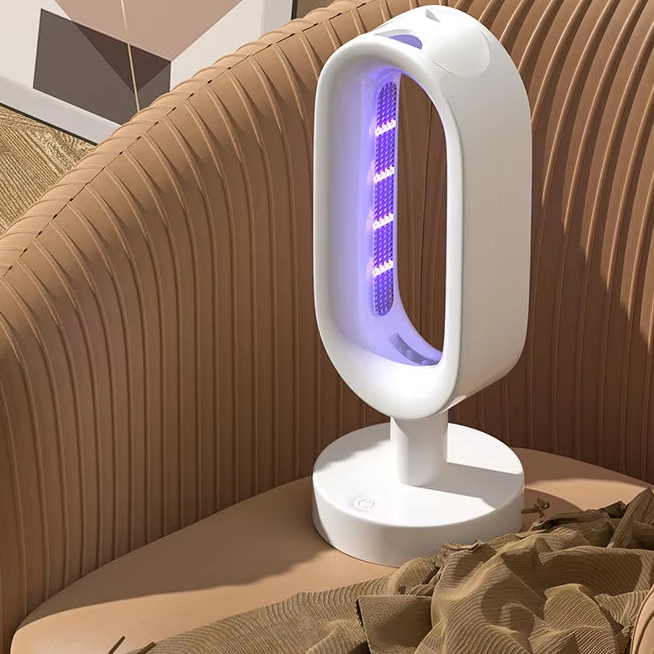
III. Summary: How to Choose a Mosquito Swatter Without Falling into Traps
To summarize, more lights on a mosquito swatter are not necessarily better. When choosing, we should pay more attention to "quality" rather than "quantity." Instead of blindly pursuing the number of lights, it's better to focus on these points: first, the type of light—prioritize products marked with "365-400nm ultraviolet mosquito attraction"; second, product quality—choose models from regular brands with strong battery life; third, match the usage scenario—choose a few-light portable model for small spaces, and consider a multi-light model for large spaces.
Finally, remind everyone that the core mosquito-killing ability of a mosquito swatter lies in the voltage and coverage area of the power grid, and the lights only play an auxiliary role. As long as you choose a style that suits your needs, even a few-light design can easily deal with mosquito troubles in summer~
Is It a Sin to Kill Insects
Core Difference Analysis Between PP Material and AB Material
Related Article

If you’re struggling with annoying mosquitoes, flies, and other flying pests indoors and outdoors, upgrading from traditional manual tools to anElectric Mosquito Swatter is the most efficient solution. Many homeowners and renters search where to buy fly swatter online to find durable, safe, and high-performance electric models that deliver instant pest control.
Where to Buy Fly Swatter
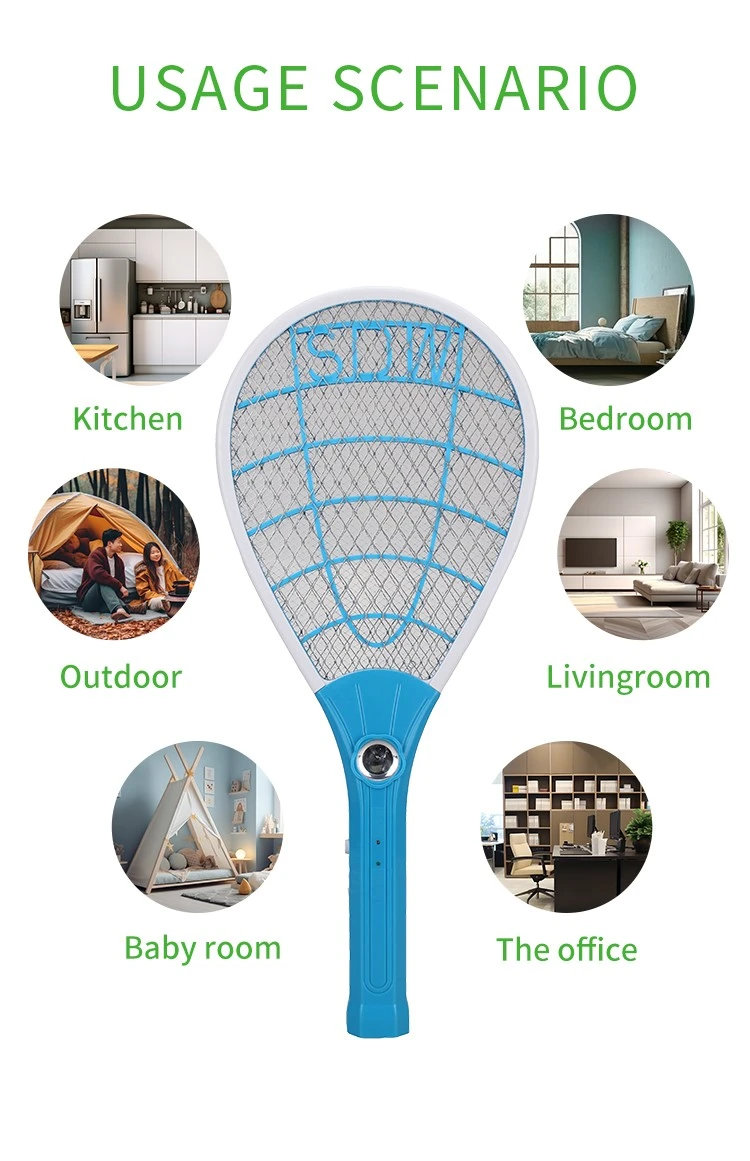
Most importers of electric mosquito swatters obsess over the first order: samples requested, factories vetted, a pre-shipment inspection booked. Then the reorder arrives eight months later and something is off. The grid feels softer. The charge port is a slightly different shade of black. The carton thickness dropped from 350 gsm to 300 gsm. Nothing is catastrophic — but the product no longer matches what your retail customers approved, and quietly, your return rate starts climbing.
How to Keep Mosquito Swatter Quality Consistent Across Repeat Orders
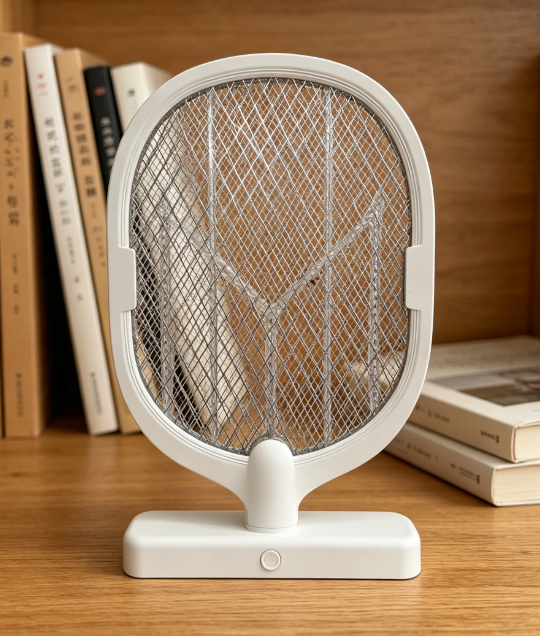
Warranty returns are the silent margin killer in the mosquito control category. A distributor who buys a swatter at $1.80 FOB and retails it at $9.90 can absorb a 1% return rate without noticing — but at 5%, the combined cost of replacement units, reverse logistics, and refund processing erases most of the line's profit.
Common mosquito swatter killer lamp failure modes wholesale spec guide

Digital bathroom scales rank as the second-highest-volume consumer weighing product category, only behind kitchen scales, with distinct market and product characteristics that set them apart from other scale types in importers’ product portfolios.
Digital bathroom body fat-bia-scale wholesale buyers guide