
Is Mosquito Killer Lamp a Waste of Money
2025-10-30
Is Mosquito Killer Lamp a Waste of Money? Choose and Use It Properly, and It Becomes a "Hidden Expert" in Physical Mosquito Control
Every mosquito season, the topic of "mosquito-killing tools" always sparks heated discussions, and mosquito killer lamps often find themselves at the center of controversy. Some people complain that "they only catch mosquitoes by chance and are totally useless," while others swear by them, saying "no mosquitoes all night long—I can't live without it." Thus, the question "Is a mosquito killer lamp a waste of money?" has become a major dilemma for many when making a purchase. In fact, instead of simply affirming or denying it, we should first understand this: the effectiveness of a mosquito killer lamp is always directly linked to "whether you choose the right one and use it correctly." A properly chosen and used mosquito killer lamp is not only not a waste of money but also an irreplaceable option in the field of physical mosquito control, thanks to its "safety and long-term effectiveness."
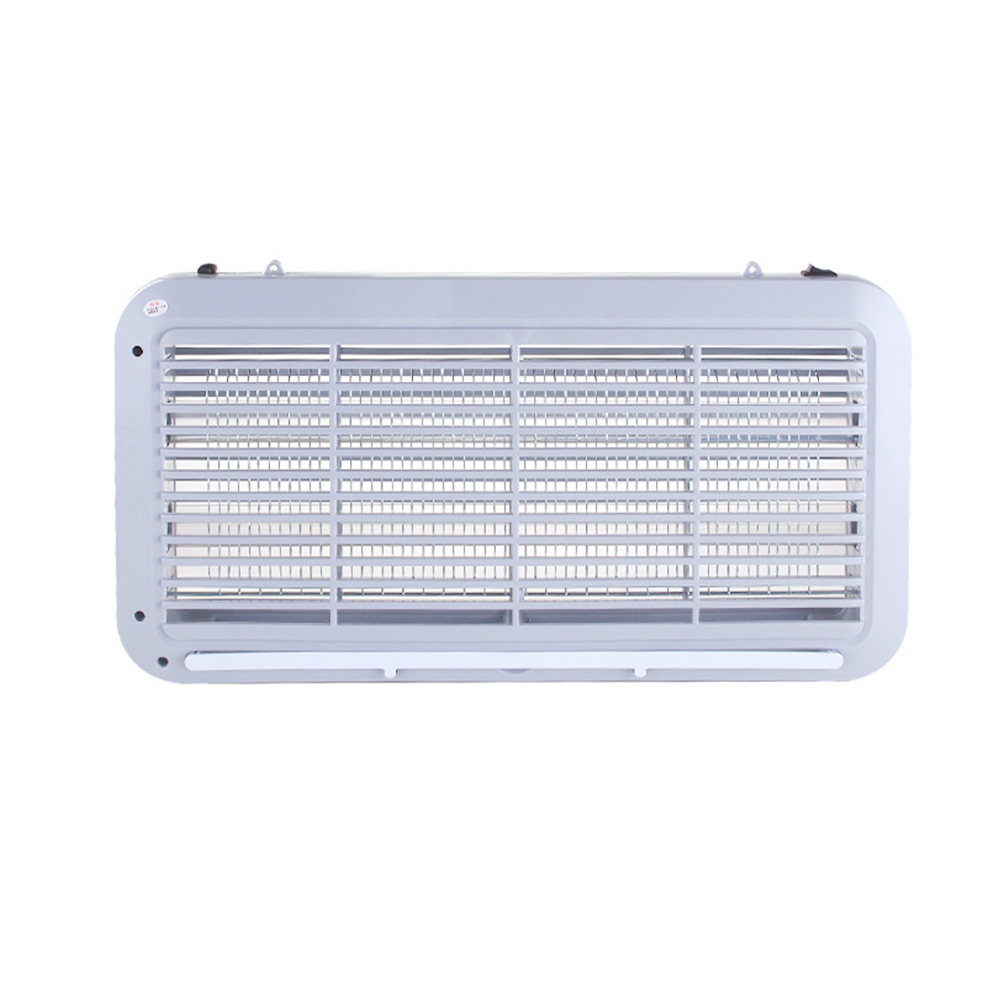
I. Debunking Misconceptions: If You Think Mosquito Killer Lamps Don’t Work, You Might Be Using Them Wrong
Most people who criticize mosquito killer lamps as "a waste of money" have actually fallen into "usage pitfalls." For example, placing a mosquito killer lamp in a brightly lit living room and expecting it to attract mosquitoes—what many don’t know is that mosquitoes have "selective preferences" for light. Most mosquito killer lamps rely on ultraviolet (UV) light (especially with a wavelength of 365nm), which mosquitoes are sensitive to. However, strong light interferes with the appeal of UV light, making mosquitoes "turn a blind eye" to it. Another common mistake is placing the lamp against the wall or too close to humans. Mosquitoes mainly locate their targets by sensing human carbon dioxide, body temperature, and sweat odor. A mosquito killer lamp placed close to a person will never be as attractive as the person themselves, so it’s no surprise that "mosquito-catching efficiency is low." These incorrect usages overshadow the advantages of mosquito killer lamps, leading them to be labeled as "useless."
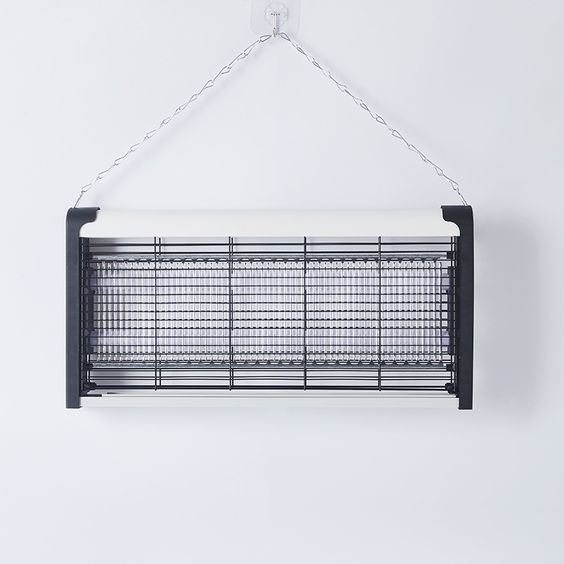
II. Highlighting Advantages: Mosquito Killer Lamps Are Irreplaceable for Their "Safety + Long-Term Effectiveness" in Physical Mosquito Control
A properly chosen and used mosquito killer lamp has core advantages that are almost irreplaceable in current mosquito control scenarios. In particular, the safety brought by "physical mosquito control" and the cost-effectiveness of "one-time investment for long-term use" make it incomparable to chemical mosquito control methods such as mosquito coils and insecticides.
2.1 Advantage 1: Physical Mosquito Control, No Hidden Safety Risks
For families with the elderly, children, pregnant women, or pet owners, the "physical nature" of mosquito killer lamps is their biggest highlight. They do not rely on chemical agents (such as pyrethroids in mosquito coils or toxic components in insecticides). Instead, they attract mosquitoes with UV light, then kill them with a high-voltage grid or trap them using fan negative pressure. Throughout the process, there is no emission of toxic gases or residual chemicals. In contrast, burning mosquito coils may release harmful substances like formaldehyde and benzene, and low-quality insecticides can even irritate the respiratory tract and cause allergies. Mosquito killer lamps completely avoid these risks—even with long-term use, they can ensure a safe indoor environment.
2.2 Advantage 2: Long-Term Protection, Cost-Effective
A mosquito killer lamp is a "one-time investment, long-term use" tool. As long as you choose a quality-certified product, a single mosquito killer lamp can last for 3 to 5 years. During this period, you only need to regularly clean up mosquito remains and replace aged light tubes (if any), with almost no additional costs. In contrast, chemical mosquito control methods require frequent purchases: mosquito coils need to be bought monthly, and insecticides need to be replenished once used up. In the long run, the total cost is no less than that of a mosquito killer lamp, and you also have to worry about "stockouts" constantly. More importantly, mosquito killer lamps have a fixed "protection range" (usually 10-20 square meters). As long as you place them in key areas like bedrooms or living rooms, they can work 24 hours a day. Unlike mosquito coils, which only cover a small area and require lighting before bed and cleaning up in the morning, mosquito killer lamps are more flexible and hassle-free in usage scenarios.
2.3 Advantage 3: Quiet and Low-Power Consumption, No Disturbance to Daily Life
Most mainstream mosquito killer lamps today (especially fan-induced trap models) adopt a silent design, with an operating noise level below 30 decibels—quieter than the sound of an air conditioner. They won’t affect your sleep, work, or study at all. At the same time, mosquito killer lamps generally have low power consumption (usually 5-15 watts). Even if you keep them on 24 hours a day, the monthly electricity cost is only a few yuan, which has minimal impact on your electricity bill. This "quiet, non-disturbing, energy-saving, and cost-effective" feature makes them an ideal choice for long-term mosquito control.
III. Key Step: Mosquito Killer Lamps Work Well Only When You Choose the Right One and Use It Correctly
To maximize the effectiveness of a mosquito killer lamp, you must get both the "selection" and "usage" right.
3.1 Choosing the Right Mosquito Killer Lamp: Focus on 3 Core Indicators
- Light Source Type: Prioritize models with "dual attraction—UV light + simulated human scent." Pure UV light has limited appeal to mosquitoes. Mosquito killer lamps equipped with "simulated carbon dioxide release" or "sweat odor agents" can more accurately target mosquitoes (especially Culex and Anopheles, which are sensitive to human scents).
- Trapping Method: For families with children, pets, or those who are afraid of grid sparks, choose "fan-induced trap models" (mosquitoes are sucked in and die of dehydration, no noise or sparks). If you prefer quick killing, opt for "high-voltage grid models," but make sure to choose ones with a protective grid to avoid accidental contact.
- Coverage Range: Select based on the usage scenario—10-15 square meters for bedrooms and 15-20 square meters for living rooms. A lamp that’s too large or too small will compromise its effectiveness.
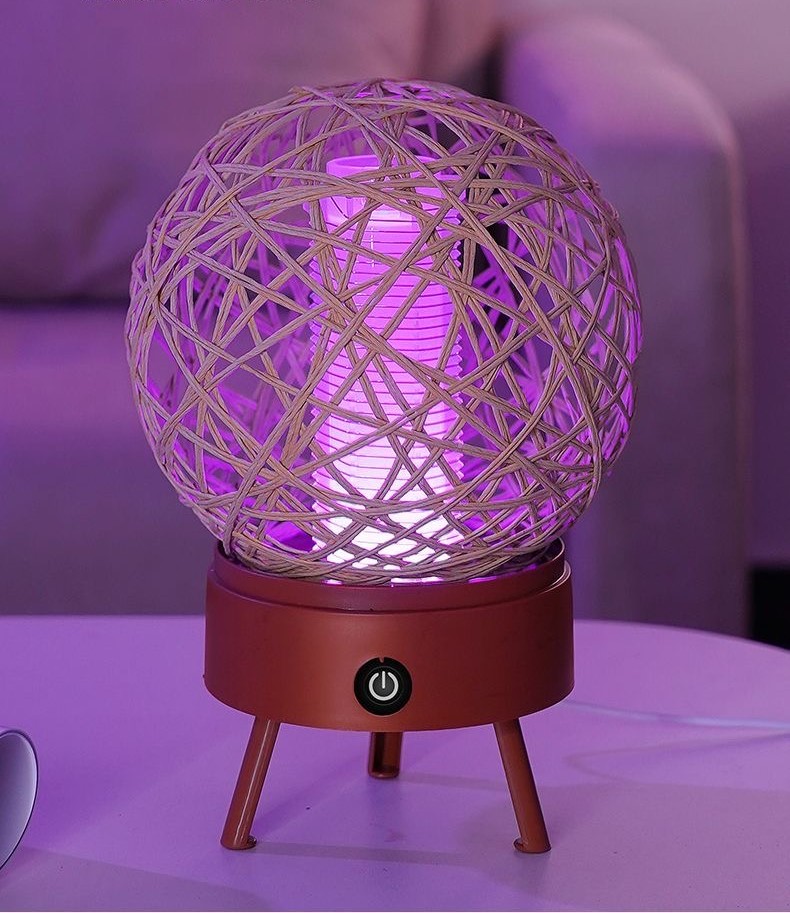
3.2 Using the Mosquito Killer Lamp Correctly: Remember These 4 "Golden Rules"
- Placement: Install it 1-1.5 meters above the ground (mosquitoes are most active at this height), away from strong light sources (such as table lamps and ceiling lights), and not against the wall (keep at least 30 centimeters away from the wall to prevent mosquitoes from hiding in wall corners).
- Usage Time: Turn it on 1-2 hours in advance (e.g., before going to bed) or use it in an unoccupied room. Mosquitoes are more sensitive to human scents, so the lamp will be more attractive when no one is around.
- Regular Cleaning: Clean up mosquito remains once a week (especially the mosquito storage box of fan-induced models) to prevent debris from blocking the air duct or reducing the light source’s appeal.
- Combined Usage: If there are many mosquitoes, first turn off other indoor lights to make the lamp’s UV light the "only light source." At the same time, keep the room ventilated (to avoid excessive carbon dioxide accumulation affecting mosquitoes’ judgment) to improve the mosquito-catching efficiency.
IV. Conclusion: Mosquito Killer Lamp Is Not a Waste of Money, but a Matter of "Choosing and Using It Correctly"
In the end, the answer to "Is a mosquito killer lamp a waste of money?" lies in our own choices and usage habits. It is not a "universal mosquito-killing magic tool," but it has irreplaceable advantages in terms of "safety" and "long-term effectiveness" in physical mosquito control. For families pursuing health and convenience, choosing a suitable mosquito killer lamp and using it correctly can turn it from a "criticized waste of money" into a "reliable helper" that guards your peaceful summer nights. After all, the key to mosquito control is "finding the right method," and a properly chosen and used mosquito killer lamp is undoubtedly one of the best "correct answers" in physical mosquito control.
Never Use Electric Mosquito Swatters with Insecticides Together
Does Mosquito Killer Lamp Emit Radiation
Related Article

If you’re struggling with annoying mosquitoes, flies, and other flying pests indoors and outdoors, upgrading from traditional manual tools to anElectric Mosquito Swatter is the most efficient solution. Many homeowners and renters search where to buy fly swatter online to find durable, safe, and high-performance electric models that deliver instant pest control.
Where to Buy Fly Swatter
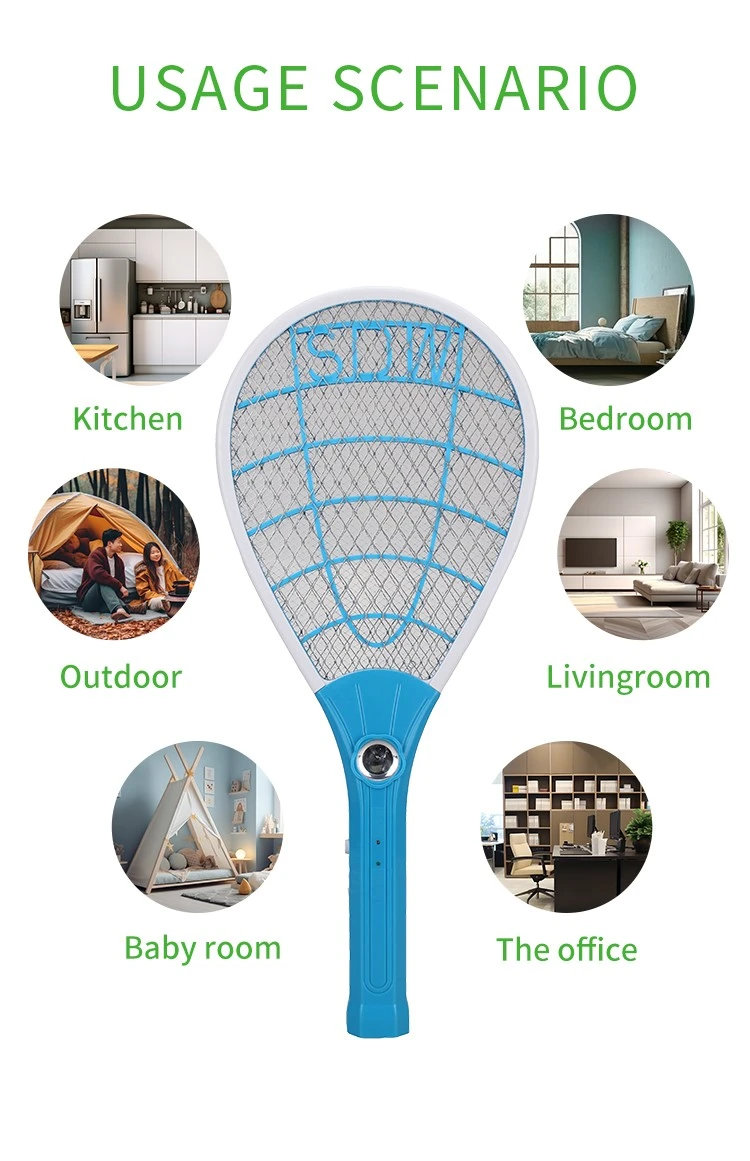
Most importers of electric mosquito swatters obsess over the first order: samples requested, factories vetted, a pre-shipment inspection booked. Then the reorder arrives eight months later and something is off. The grid feels softer. The charge port is a slightly different shade of black. The carton thickness dropped from 350 gsm to 300 gsm. Nothing is catastrophic — but the product no longer matches what your retail customers approved, and quietly, your return rate starts climbing.
How to Keep Mosquito Swatter Quality Consistent Across Repeat Orders
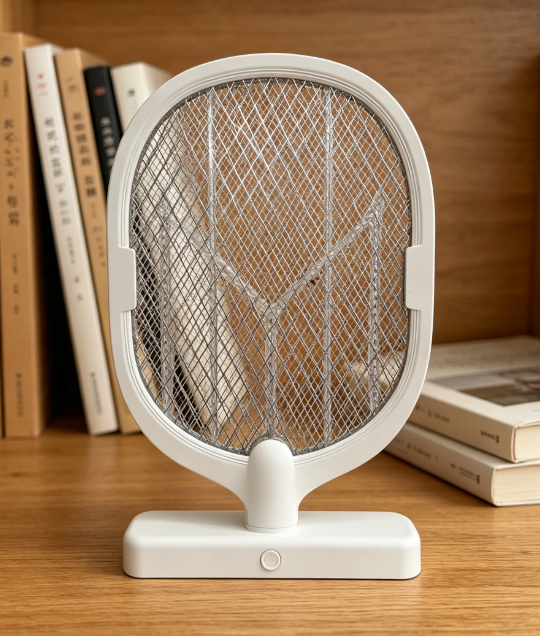
Warranty returns are the silent margin killer in the mosquito control category. A distributor who buys a swatter at $1.80 FOB and retails it at $9.90 can absorb a 1% return rate without noticing — but at 5%, the combined cost of replacement units, reverse logistics, and refund processing erases most of the line's profit.
Common mosquito swatter killer lamp failure modes wholesale spec guide

Digital bathroom scales rank as the second-highest-volume consumer weighing product category, only behind kitchen scales, with distinct market and product characteristics that set them apart from other scale types in importers’ product portfolios.
Digital bathroom body fat-bia-scale wholesale buyers guide