
Is the Mosquito Swatter Only Effective Against Mosquitoes
2026-03-22
Is the Mosquito Swatter Only Effective Against Mosquitoes? Unveiling the Hidden Skills of This Summer Insect-Killing Tool
Many people assume that mosquito swatters are "exclusive killers for mosquitoes," but in fact, their capabilities are far more extensive. Today, let’s talk about whether mosquito swatters are only effective against mosquitoes, unlock their hidden uses, and reduce insect troubles this summer~
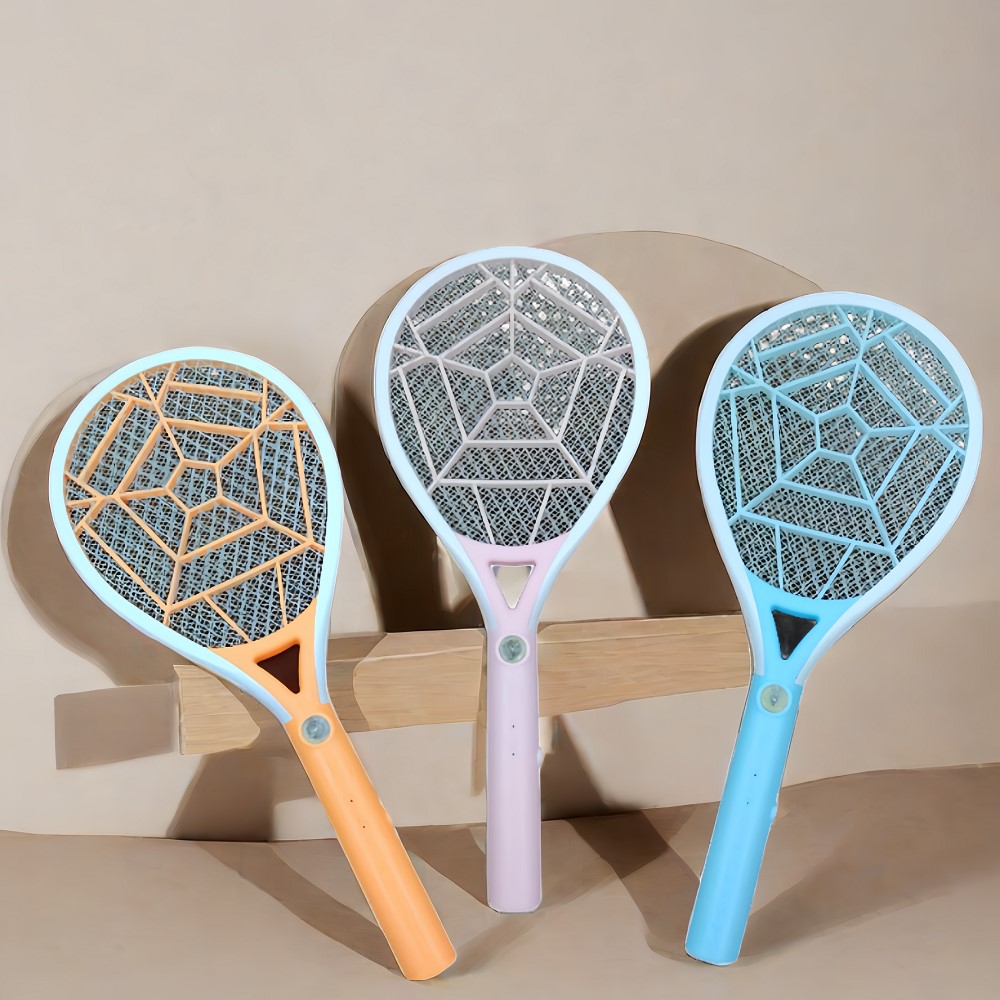
1. The "Killing Principle" of Mosquito Swatters Determines Their Scope of Application
To know which insects a mosquito swatter can deal with, we first need to understand how it "works." The core of a mosquito swatter is to convert the low-voltage electricity of the battery into an instantaneous high voltage of 2000-5000V through an electronic boost circuit, which is loaded on the three-layer metal mesh to form a high-voltage electric field. When an insect touches the electric grid, its body acts as a conductive medium and is instantly electrocuted by the high voltage, which breaks down its body tissues and kills it. This process is also accompanied by the familiar "crackling" sound.
It is worth noting that the high-voltage current of the mosquito swatter is strictly controlled at 0.1-0.5 milliamps, which is much lower than the 10-milliamp threshold harmful to the human body. In addition, with the safety design of the three-layer mesh, touching the outer mesh with the human body will not be dangerous, only a slight tingling sensation (it’s best not to touch it unnecessarily). Its "killing range" mainly depends on the insect’s size, body surface conductivity, and whether it can touch the electric grid—it is not only for mosquitoes.
2. More Than Just Mosquitoes! Mosquito Swatters Can Easily Deal With These "Small Flying Insects"
Based on its high-voltage electric shock principle, as long as it is a small flying insect with a moderate size that can pass through the gaps of the outer mesh of the mosquito swatter, it can basically be "taken down" by it. Especially several common small flying insects at home, the effect of the mosquito swatter against them is even no less than that of special insect-killing tools.
2.1 Flies: The "Second Target" of Mosquito Swatters
Like mosquitoes, flies are also "regulars" of mosquito swatters. The high-voltage electric grid of a household mosquito swatter has a significant killing effect on house flies with a body length of 3-4mm. Tests show that the first-time killing rate of standard mosquito swatters on house flies can reach 92.7%, and the second-time killing rate is as high as 97.4%. Whether it’s fruit flies in the kitchen or flies on the dining table, a light wave can kill them quickly, and unlike using a fly swatter, it will not leave stains, which is clean and efficient. Many mosquito swatter products also clearly state that they can kill both mosquitoes and flies, which shows their versatility.
2.2 Small Flying Insects: Natural Enemies of Drain Flies and Fungus Gnats
In summer, dense small black flies (fungus gnats) and drain flies (commonly known as "toilet flies") often appear around the flower pots and in the corners of the bathroom at home. These insects are small in size, slow in flight, difficult to catch with hands, and easy to carry bacteria. The grid spacing of the mosquito swatter is just right for them to pass through, and they will be instantly electrocuted to death once they touch it. Especially the mosquito swatter with purple light mosquito trapping function, after turning on the mosquito trapping mode, can actively attract these small flying insects, eliminating the need for manual chasing and easily achieving "self-trapping."
2.3 Small Flying Insects Such as Moths and Bees
Occasionally, small flying insects such as moths, bees, and wasps that fly into the house can also be dealt with by mosquito swatters. Especially moths, which are attracted by lights at night and hit the walls or lamp shades, can be killed by gently sticking the mosquito swatter to them, avoiding the powder on the moth’s wings from soiling the furniture; for bees and wasps that accidentally enter the house, killing them with a mosquito swatter can also avoid the risk of being stung (note: large wasps should be handled with caution to avoid group attacks).
3. These Insects Are "Beyond the Reach" of Mosquito Swatters
Although the "combat effectiveness" of mosquito swatters is not weak, they are not effective against all insects. Limited by size, habits, and grid design, mosquito swatters are difficult to work on the following types of insects, and may even be a waste of effort.
3.1 Too Large Insects: Cockroaches, Large Beetles
Although cockroaches are also common pests, mosquito swatters are not effective against them. On the one hand, cockroaches are relatively large and difficult to pass through the gaps of the outer mesh of the mosquito swatter, making it impossible to touch the high-voltage inner mesh; on the other hand, even small cockroaches are difficult to kill with a single electric shock, and cockroaches are agile and difficult to catch accurately. In actual operation, it is basically impossible to eliminate them with a mosquito swatter. Similarly, mosquito swatters are also difficult to kill large insects such as large beetles and longhorn beetles.
3.2 Too Small Insects: Mites, Aphids
Insects such as mites and aphids are extremely small, almost indistinguishable to the naked eye. Although their body surfaces are also conductive, it is difficult for them to actively touch the electric grid of the mosquito swatter—even if placed near the electric grid, they are difficult to be hit by the high-voltage electric shock. Therefore, mosquito swatters are basically ineffective against such insects. To remove mites, it is more suitable to use tools such as hair dryers and irons instead of mosquito swatters.
3.3 Crawling Pests: Ants, Bed Bugs
Mosquito swatters are mainly designed for flying insects and are difficult to work on crawling pests such as ants and bed bugs. Ants are small, scattered in movement, and mostly crawl on the ground and corners, making it difficult to hit them accurately with a mosquito swatter; bed bugs like to hide in crevices and cannot touch the electric grid of the mosquito swatter at all. To eliminate such crawling pests, special insecticides or tools are still needed.
4. Summary: The Mosquito Swatter Is a "Versatile Tool" but Needs to Be Used in the Right Scenario
In summary, the mosquito swatter is definitely not a tool "only effective against mosquitoes." It is more like a "small flying insect killer" at home, which can easily deal with common small flying insects such as mosquitoes, flies, drain flies, and fungus gnats. It is an efficient choice for indoor insect control in summer, and it is free of chemical pollution, which is relatively safe for pregnant women and babies. However, it also has limitations. It is not effective against non-flying insects such as cockroaches, mites, and ants, or insects that are too large or too small, and needs to be used with other insect-killing tools.
When using a mosquito swatter in summer, you can also pay attention to a small trick: turn off the lights and turn on the purple light mosquito trapping mode of the mosquito swatter, which can attract flying insects more efficiently, realize "passive insect killing," and free your hands. Mastering its correct usage can help you stay away from the trouble of various small flying insects this summer~
Lightweight Mosquito Swatter
Long Lasting Battery Mosquito Swatter
Related Article
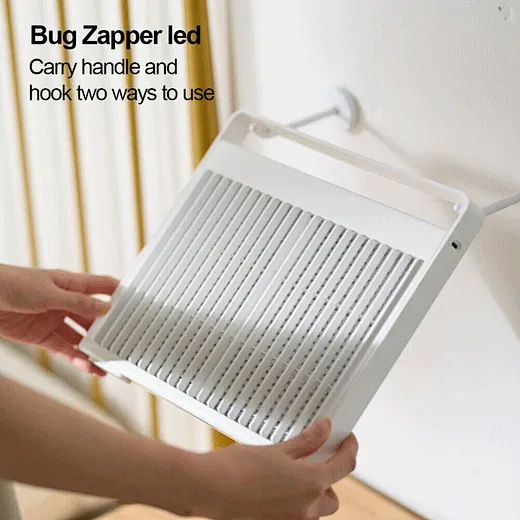
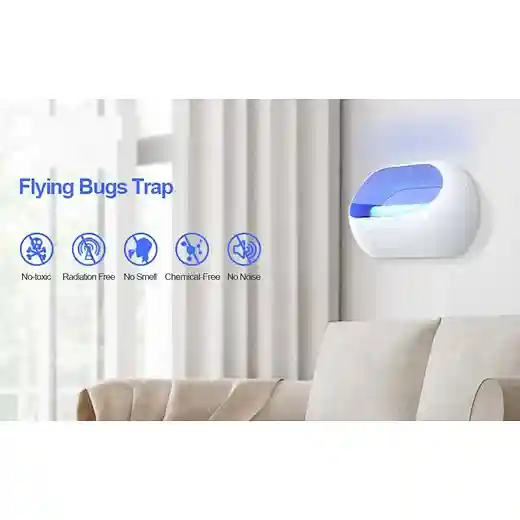
Along with air conditioners and fans, mosquito killer lamps are essential household appliances in summer. They operate quietly with no harsh odor. Compared with mosquito coils and repellent liquids, they are safer and more friendly to the elderly, children, and people with sensitive skin and respiratory systems. However, many users encounter an awkward issue: a faint burnt smell emerges soon after turning on the lamp.
Why Does Your Mosquito Killer Lamp Smell Burnt
The World Health Organization reported an estimated 14.5 million cases in 2024, following roughly 6.5 million in 2023, marking the two highest annual totals on record. For distributors of electric mosquito swatters and mosquito killer lamps, this carries critical commercial implications: public health campaigns, retail reorders, and consumer panic buying all converge within narrow time windows.
Dengue Outbreaks and Mosquito Control Product Demand
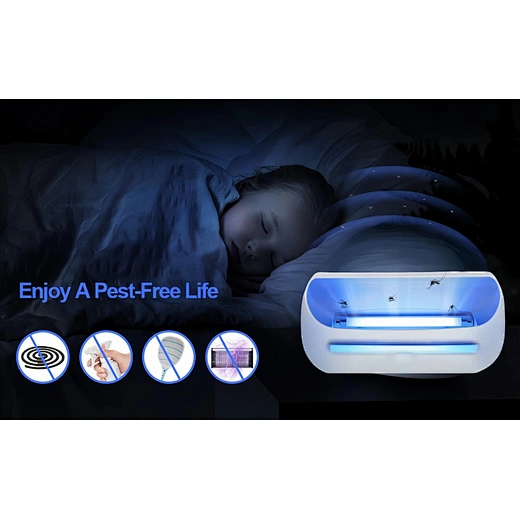
Mosquitoes rampage every summer, and mosquito incense is a must-have household mosquito repellent. As a traditional insect-repellent tool, coil mosquito incense, electric mosquito repellent tablets, and electric mosquito repellent liquids are widely used in most families. Their core active ingredient is usually pyrethroids.
Is Mosquito Incense Effective
Chinese OEM factories can easily print your custom logo on mosquito swatter handles, but they cannot secure legal trademark registration for your brand. This critical distinction — a registered legal trademark versus a mere printed logo — separates ordinary wholesale importers from legitimate brand owners. In 2026, this gap brings tangible business consequences across major global sales and customs platforms.
How to Register and Defend Your Mosquito Swatter Brand in 2026