
Is There Any Impact on the Electric Mosquito Swatter Industry
2026-02-06
The Plunge of Gold and Silver: Is There Any Impact on the Electric Mosquito Swatter Industry? The Truth Is Beyond Expectations
Recently, the precious metals market has experienced severe volatility, with gold and silver prices falling sharply collectively. As of February 6, 2026, domestic gold T+D was quoted at 1,091 yuan per gram, with a single-day drop of 1.37%; silver T+D plummeted even more by 11.44% to 18.19 yuan per gram, and the main Shanghai silver contract fell by as much as 14.92% to 18.80 yuan per gram, hitting a phase of sharp decline. At the same time, the electric mosquito swatter industry, a rigid summer demand closely related to people's daily lives, has been linked by many people — will the decline in gold and silver prices have an impact on the electric mosquito swatter industry? Is it positive, negative, or almost irrelevant? Today, we will analyze the connection between the two and talk about the real situation of the electric mosquito swatter industry behind this sharp drop in precious metals.
Core Premise: Electric Mosquito Swatter Production Barely Relies on Gold and Silver
To figure out this problem, we first need to clarify a key premise: does the production and manufacturing of electric mosquito swatters rely on gold and silver as raw materials? The answer is clear — barely, which is the core reason for the low correlation between the two.
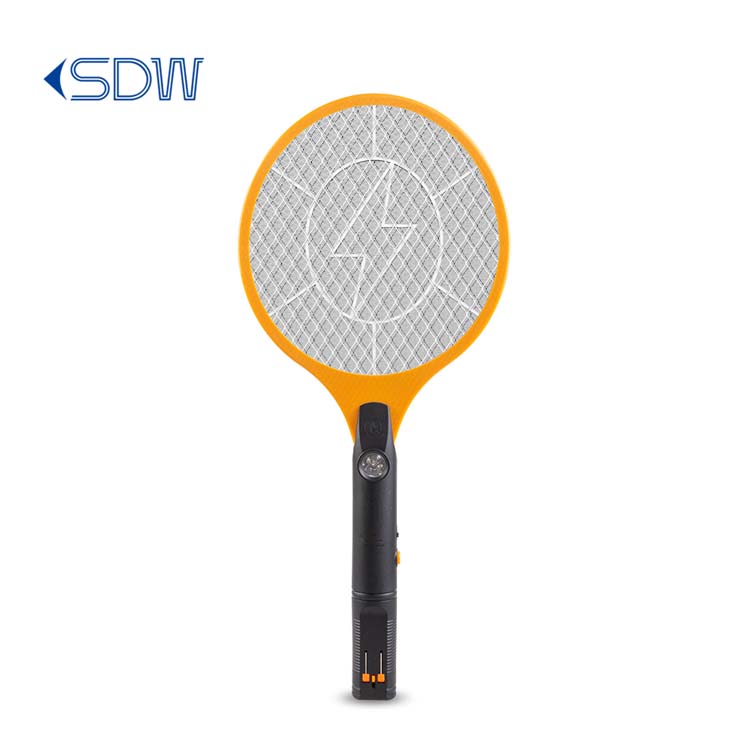
Analysis of Core Raw Materials of Electric Mosquito Swatters: No Connection with Precious Metals
From the perspective of the core structure and raw material composition of electric mosquito swatters, they are mainly composed of plastic casings, metal grids, lithium batteries (or nickel-metal hydride batteries), high-voltage generators and various electronic components. Among them, plastic casings are mostly made of ABS engineering plastics, polypropylene and other materials to ensure insulation and durability; metal grids are one of the core components, but the industry generally uses nickel-plated and zinc-plated metal wires instead of gold and silver — on the one hand, gold and silver are expensive, and using them in mass-produced electric mosquito swatters will greatly increase costs, which is completely inconsistent with the cost-performance logic; on the other hand, the power grid of electric mosquito swatters only needs to meet basic conductivity and corrosion resistance, and ordinary nickel-plated iron wires and stainless steel wires can already meet the needs, so there is no need to use precious metals.
Looking at the electronic components, the circuit of an electric mosquito swatter is composed of resistors, capacitors, transformers, diodes, etc., whose core function is to convert low voltage into high-voltage electric arcs to kill mosquitoes. The production of these components also does not require gold and silver. Even though some high-end electronic equipment uses a small amount of gold as conductive contacts, electric mosquito swatters, as low-value-added and popular small household appliances, will never adopt this design. After all, the price of a single electric mosquito swatter is mostly between tens and two hundred yuan, while the current retail price of gold in physical stores is as high as more than 1,480 yuan per gram, and the cost of a small amount of gold will far exceed the price of the electric mosquito swatter itself.
Indirect Impact: Limited Strength, No Need for Overconcern
Since there is no connection with raw materials, does the decline in gold and silver prices really have no impact on the electric mosquito swatter industry at all? Not exactly. The impact is mainly reflected in the indirect level, and the strength is limited, focusing on two core aspects, which are the key points we need to pay attention to.
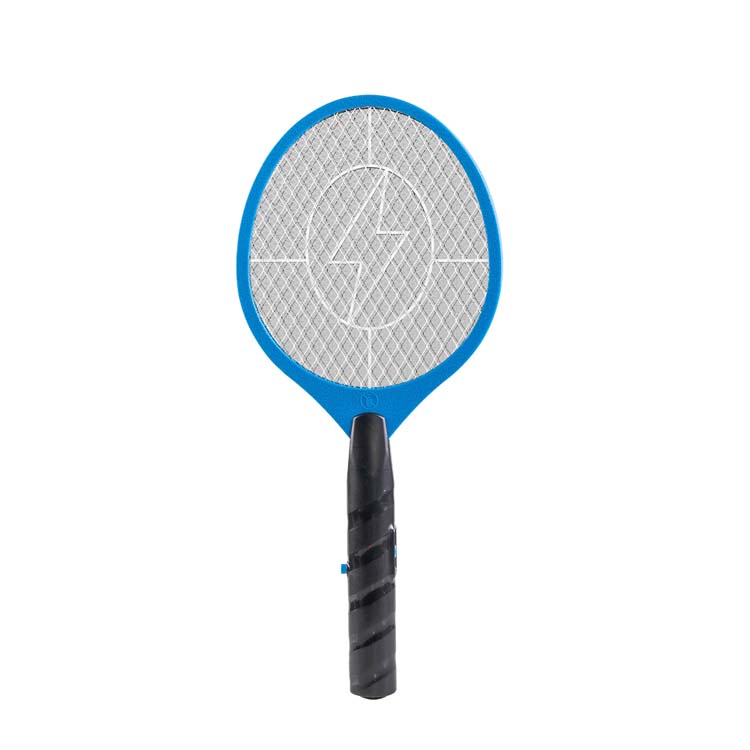
Indirect Impact 1: Weak Linkage of Upstream Electronic Component Costs
The first indirect impact: weak linkage of upstream electronic component costs (almost negligible). As precious metals, the price fluctuations of gold and silver will indirectly affect the sentiment of the entire non-ferrous metal market, but the basic metals such as copper, iron and nickel needed for electric mosquito swatters have low correlation with the prices of gold and silver. The core reason for the sharp drop in silver this time is the rising expectation of the Federal Reserve's balance sheet reduction, the subsidence of geopolitical risks and the liquidation of high-leverage speculative positions, which is a speculative fluctuation of precious metals themselves and has not been transmitted to the basic industrial metal field. The prices of core raw materials such as lithium batteries and ABS plastics upstream of electric mosquito swatters are mainly affected by the new energy industry chain and crude oil prices, and have nothing to do with the trend of gold and silver. Therefore, this indirect impact has almost no practical significance for the cost control of electric mosquito swatter enterprises.
Indirect Impact 2: Short-Term Capital Diversion Effect in the Consumer Market
The second indirect impact: short-term capital diversion effect in the consumer market (slight in the short term). When gold and silver prices fall, some speculative capital will withdraw from the precious metals market, but most of this capital flows to risky assets such as stocks and crude oil, rather than the rigid-demand small household appliance market such as electric mosquito swatters. From the perspective of the consumption logic of electric mosquito swatters, their demand is obviously seasonal — mainly concentrated in summer, and the core of consumption decisions depends on product cost performance, mosquito killing effect and safety, which has almost nothing to do with precious metal price fluctuations and residents' investment and financial management behaviors. Even if a small amount of capital is diverted to daily consumption, it is difficult to directly drive the sales growth of electric mosquito swatters. After all, electric mosquito swatters are "rigid-demand but low-frequency purchase" products, and most families only need 1 or 2 units per year, which will not increase purchases due to capital diversion.
Industry Essence: Moving Away from Raw Material Dependence and Focusing on Core Competitiveness
In addition, there is an easily overlooked point: the competitive pattern and development trend of the electric mosquito swatter industry have long been separated from the stage of "raw material price dependence". Currently, the scale of China's electric mosquito swatter market has exceeded 4.5 billion yuan, and it is transforming from traditional low-end manufacturing to intelligence and scenario-based development. The penetration rate of rechargeable products is expected to rise to more than 85% in 2026, and the sales growth rate of mid-to-high-end products (unit price above 150 yuan) is far higher than the industry average. The core of industry competition is technological innovation (such as dual-mode killing, intelligent sensing), channel layout (live e-commerce, sinking market) and brand premium, rather than small fluctuations in raw material costs — even if gold and silver prices rise or fall sharply, it will not change the development trend of the industry, nor will it affect the competitive advantage of leading enterprises.
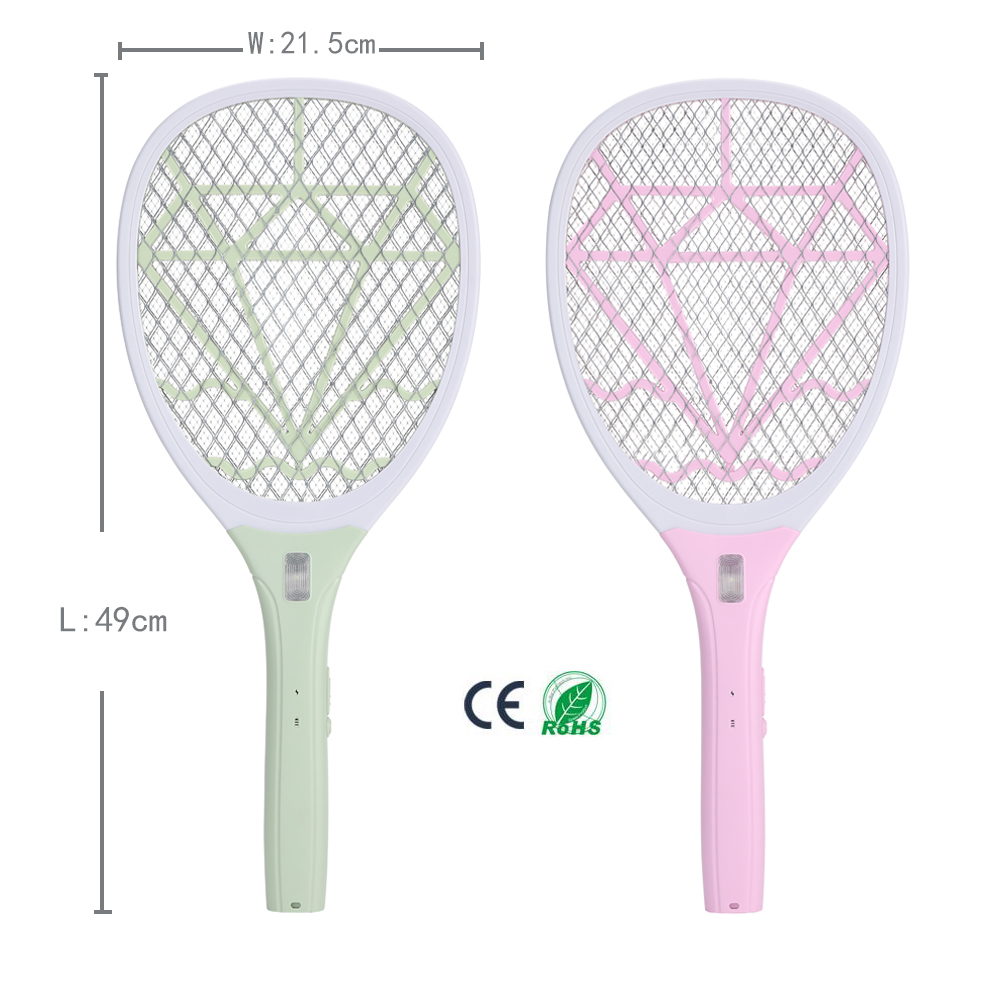
Conclusion: Precious Metal Volatility Is Irrelevant to the Electric Mosquito Swatter Industry
In summary, the correlation between the decline in gold and silver prices and the electric mosquito swatter industry is extremely low: it neither affects raw material costs nor directly drives sales growth, and there is only a weak indirect impact, which is almost negligible. This sharp volatility in the precious metals market is more like an "irrelevant" external market trend for the electric mosquito swatter industry.
For electric mosquito swatter enterprises, there is no need to pay excessive attention to the trend of gold and silver prices. The focus should be on product innovation, cost optimization (focusing on core raw materials such as lithium batteries and plastics) and channel expansion; for consumers, when buying electric mosquito swatters, there is no need to consider the precious metal market, just choose cost-effective, safe and reliable products according to their own needs.
After all, for the rigid-demand small household appliance industry, "solving users' core needs" is the foundation for survival, rather than chasing irrelevant capital market fluctuations. With the approaching of summer, the electric mosquito swatter industry will enter the peak demand season, and the focus of the industry will eventually return to the products themselves.
Impact Analysis of the Spring Festival AI Battle on the Electric Mosquito Swatter and Mosquito Lamp Industry
What is the Voltage of a Mosquito Lamp
Related Article

If you’re struggling with annoying mosquitoes, flies, and other flying pests indoors and outdoors, upgrading from traditional manual tools to anElectric Mosquito Swatter is the most efficient solution. Many homeowners and renters search where to buy fly swatter online to find durable, safe, and high-performance electric models that deliver instant pest control.
Where to Buy Fly Swatter
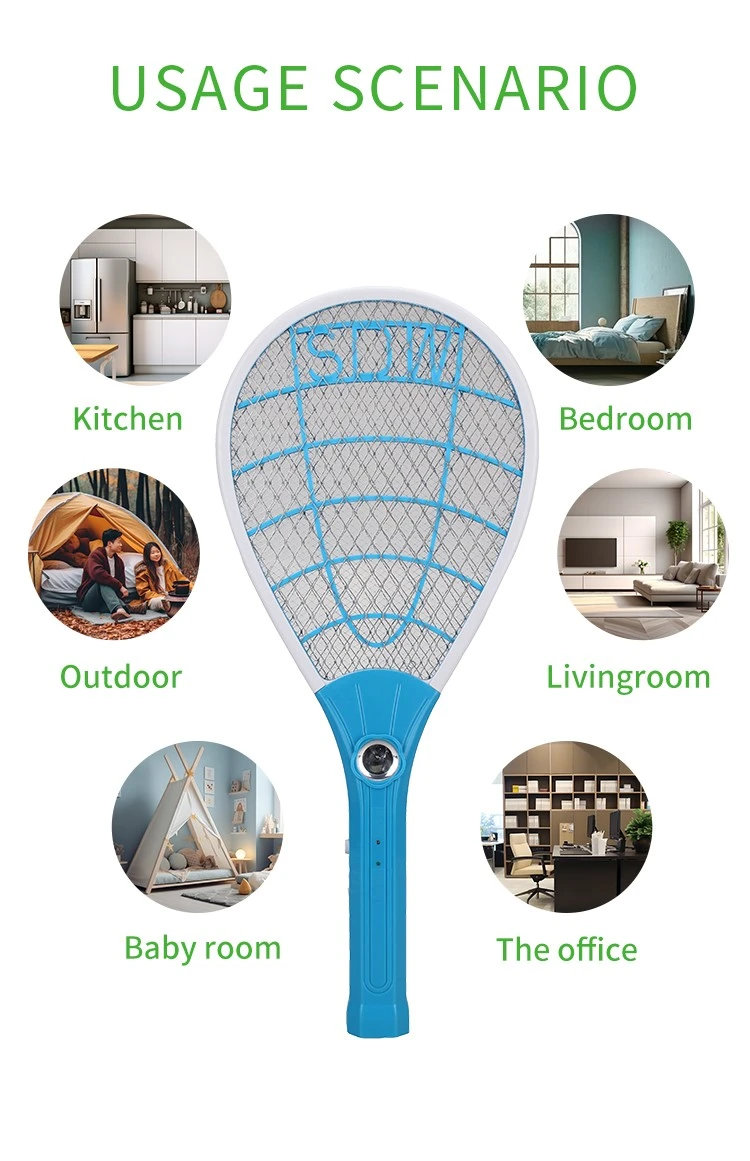
Most importers of electric mosquito swatters obsess over the first order: samples requested, factories vetted, a pre-shipment inspection booked. Then the reorder arrives eight months later and something is off. The grid feels softer. The charge port is a slightly different shade of black. The carton thickness dropped from 350 gsm to 300 gsm. Nothing is catastrophic — but the product no longer matches what your retail customers approved, and quietly, your return rate starts climbing.
How to Keep Mosquito Swatter Quality Consistent Across Repeat Orders

Warranty returns are the silent margin killer in the mosquito control category. A distributor who buys a swatter at $1.80 FOB and retails it at $9.90 can absorb a 1% return rate without noticing — but at 5%, the combined cost of replacement units, reverse logistics, and refund processing erases most of the line's profit.
Common mosquito swatter killer lamp failure modes wholesale spec guide

Digital bathroom scales rank as the second-highest-volume consumer weighing product category, only behind kitchen scales, with distinct market and product characteristics that set them apart from other scale types in importers’ product portfolios.
Digital bathroom body fat-bia-scale wholesale buyers guide