
Keep This Mosquito Prevention Guide Handy After the Typhoon
2025-09-25
After the Typhoon: Keep This Mosquito Prevention Guide Handy!
After a typhoon passes, while the threat of violent winds and heavy rain gradually fades, another "invisible threat" is quietly multiplying—mosquitoes. Continuous rainfall creates large amounts of stagnant water outdoors, and this stagnant water serves as the "breeding ground" for mosquito eggs. Coupled with the high air humidity and suitable temperatures after a typhoon, the number of mosquitoes often surges in a short period. Not only do they cause frequent biting nuisances, but they may also transmit infectious diseases such as dengue fever and malaria. Today, I’ll share a practical post-typhoon mosquito prevention strategy to help you stay away from mosquito troubles.
1. First, Clear Stagnant Water: Cut Off the Mosquito Breeding Chain at the Source
A mosquito goes through four life stages: egg, larva, pupa, and adult. The first three stages all depend on water. By simply clearing stagnant water in the environment, you can fundamentally reduce the number of mosquitoes. After a typhoon, clearing stagnant water requires "thoroughness without dead ends," with a focus on these easily overlooked corners:
- Outdoor Areas: Promptly clean up garbage such as fallen leaves, plastic bottles, and cans in community green belts, rooftop terraces, and balcony corners, as these items easily collect water. Check the saucers under flower pots—pour out excess water after each watering to avoid long-term stagnation. Unclog drainage ditches and rainwater wells to prevent water accumulation due to blocked pipes. For large areas of stagnant water that cannot be cleared immediately outdoors (such as potholed roads), add larvicide to the water to inhibit the growth of mosquito larvae.
- Indoor Areas: Regularly check the sinks and floor drains in the bathroom and kitchen to ensure smooth drainage and prevent water accumulation in the pipes. Store unused buckets and basins upside down or seal them with lids. Clean water-collecting parts like air conditioner drip pans and humidifier water tanks at least once a week. When cleaning, add a small amount of disinfectant to both remove stagnant water and kill bacteria.
2. Physical Protection: Add a "Shield" to Your Home Environment
After cleaning up the environment, physical measures are needed to prevent mosquitoes from entering the house and reduce direct contact with them:
- Repair Protective Facilities: Typhoons may damage window screens and screen doors. After the rain, promptly inspect and repair any damaged parts to ensure there are no holes in the screens and the frames are tightly sealed. When sleeping at night, use mosquito nets as much as possible—especially for vulnerable groups such as the elderly, children, and pregnant women. Mosquito nets can effectively prevent mosquito bites without chemical pollution risks.
- Adjust Living Habits: Mosquitoes are most active during dusk and dawn. Try to minimize outdoor activities during these times. If you need to go out, wear long-sleeved shirts and long pants, and choose light-colored clothing (mosquitoes are more attracted to dark-colored clothing). Apply qualified mosquito repellent to exposed skin areas. Keep the indoor environment well-ventilated and dry to avoid damp conditions that attract mosquitoes. At the same time, clean the house regularly, remove garbage and debris, and reduce resting places for mosquitoes.
3. Scientific Control: Use Chemical Mosquito Prevention Methods Properly
If there is a large number of mosquitoes in the environment, you can appropriately use chemical mosquito prevention products, but it is important to use them safely and scientifically to avoid harm to humans and the environment:
- Choose Regular Products: When purchasing mosquito repellents and insecticides, select qualified products produced by regular manufacturers. Check the ingredient list and prioritize products containing effective ingredients such as DEET (N,N-Diethyl-meta-toluamide), picaridin, and IR3535. These ingredients have proven mosquito-repellent effects and high safety. Avoid buying three-no products (no manufacturer, no production date, no quality certification), as they may contain harmful ingredients that are bad for health.
- Correct Usage Methods: When using insecticides, close doors and windows, and spray the agent evenly in corners where mosquitoes are likely to rest (such as wall corners, windowsills, and wardrobe gaps). After spraying, people and pets should leave the room. Wait 30 minutes to 1 hour, then open the doors and windows for ventilation. Only enter the room after the smell has dissipated. Apply mosquito repellent to exposed skin, avoiding contact with mucous membranes such as the eyes and mouth. When using it on children, reduce the amount and ensure adult supervision. Do not use large amounts of chemical mosquito prevention products in enclosed spaces to avoid poisoning risks.
Post-typhoon mosquito prevention work requires patience and attention to detail. From clearing stagnant water to physical protection and scientific control, every step is indispensable. Only by taking comprehensive mosquito prevention measures can you create a safe and comfortable living environment for yourself and your family, and stay away from the troubles and disease risks caused by mosquito bites. I hope this mosquito prevention guide helps you, and you are welcome to share your mosquito prevention tips in the comment section!
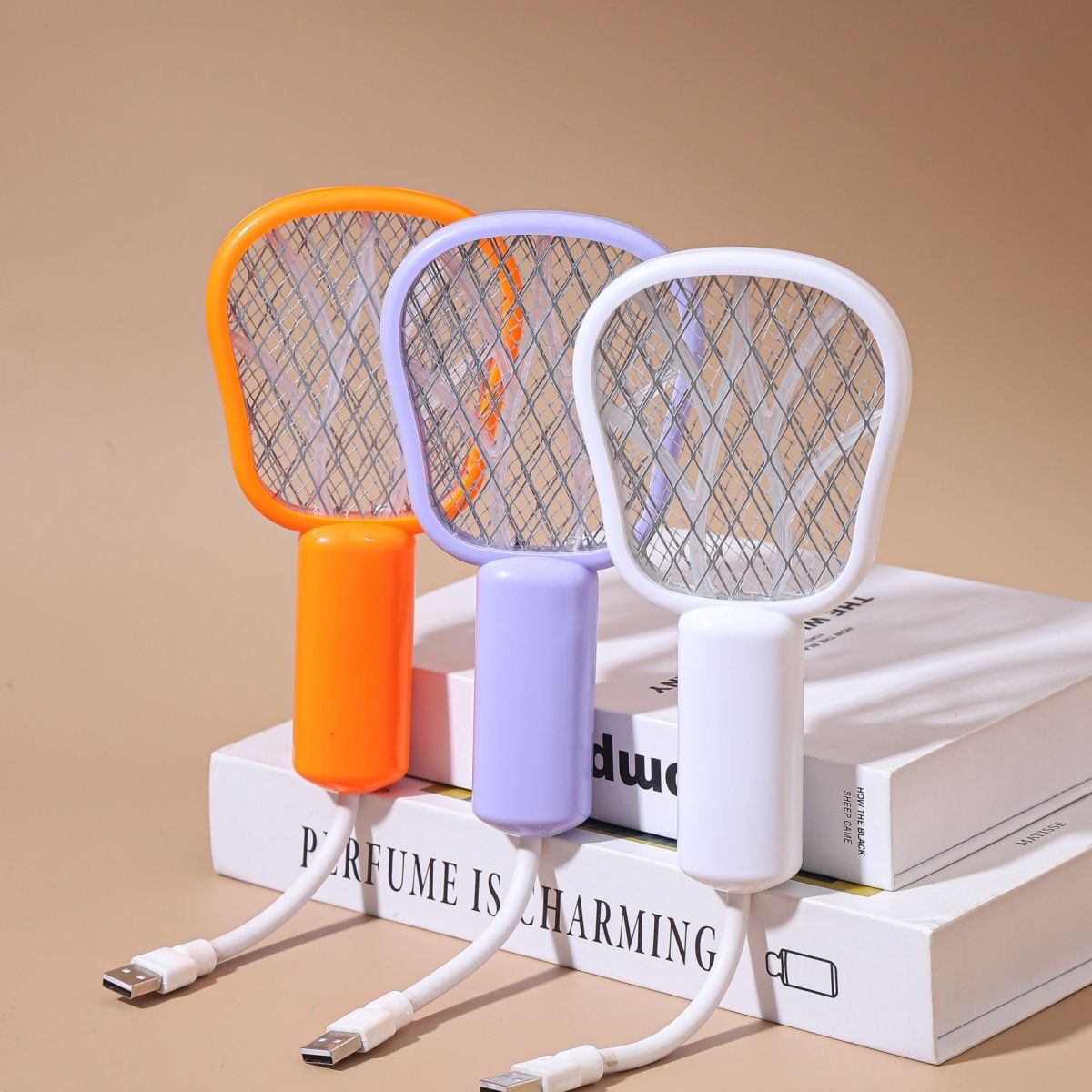
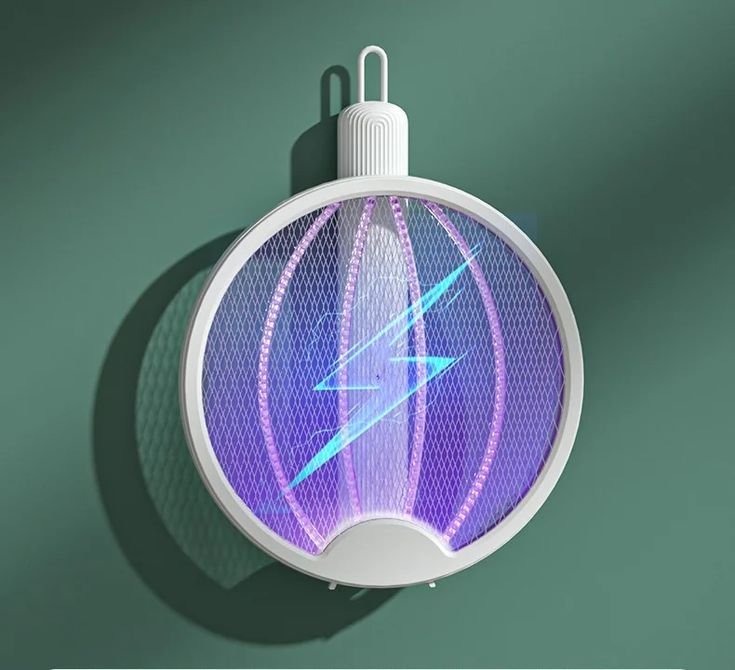
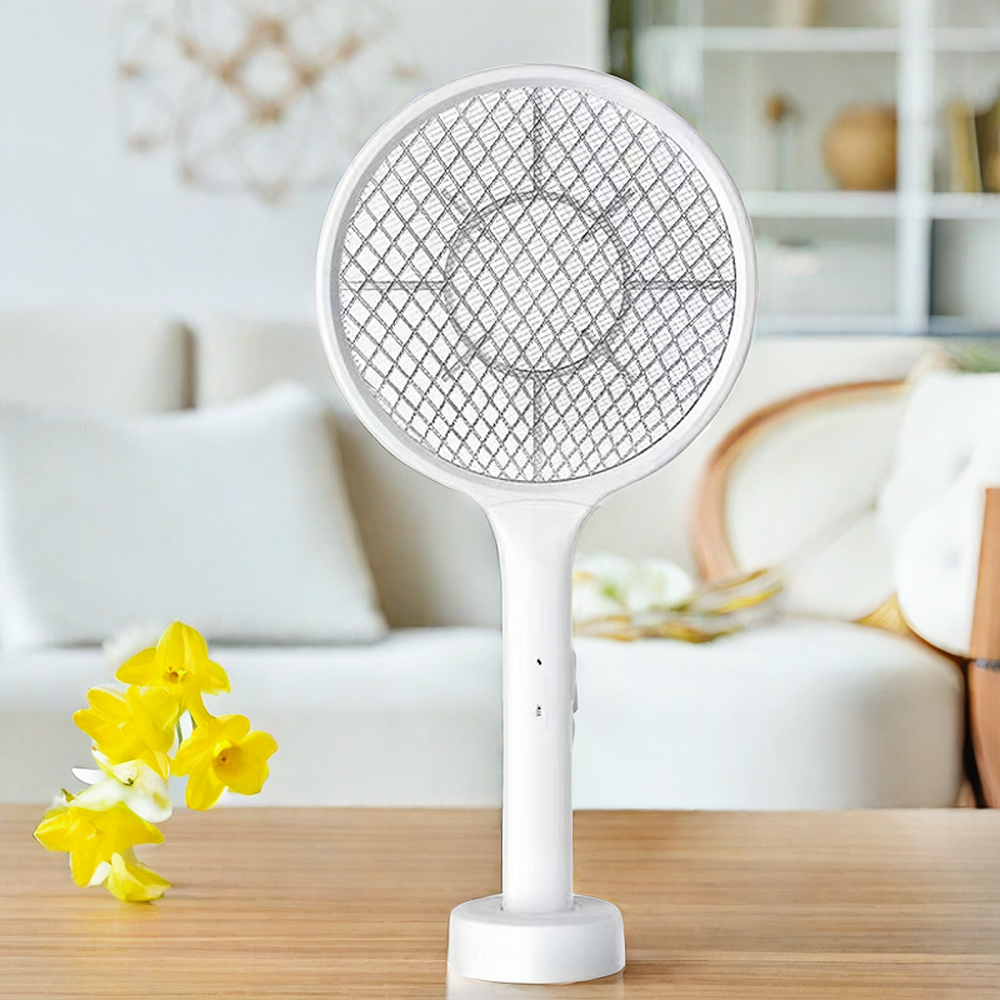
Foldable Electric Mosquito Swatters
Principle Differences Between Different Types of Mosquito Killer Lamps
Related Article

If you’re struggling with annoying mosquitoes, flies, and other flying pests indoors and outdoors, upgrading from traditional manual tools to anElectric Mosquito Swatter is the most efficient solution. Many homeowners and renters search where to buy fly swatter online to find durable, safe, and high-performance electric models that deliver instant pest control.
Where to Buy Fly Swatter
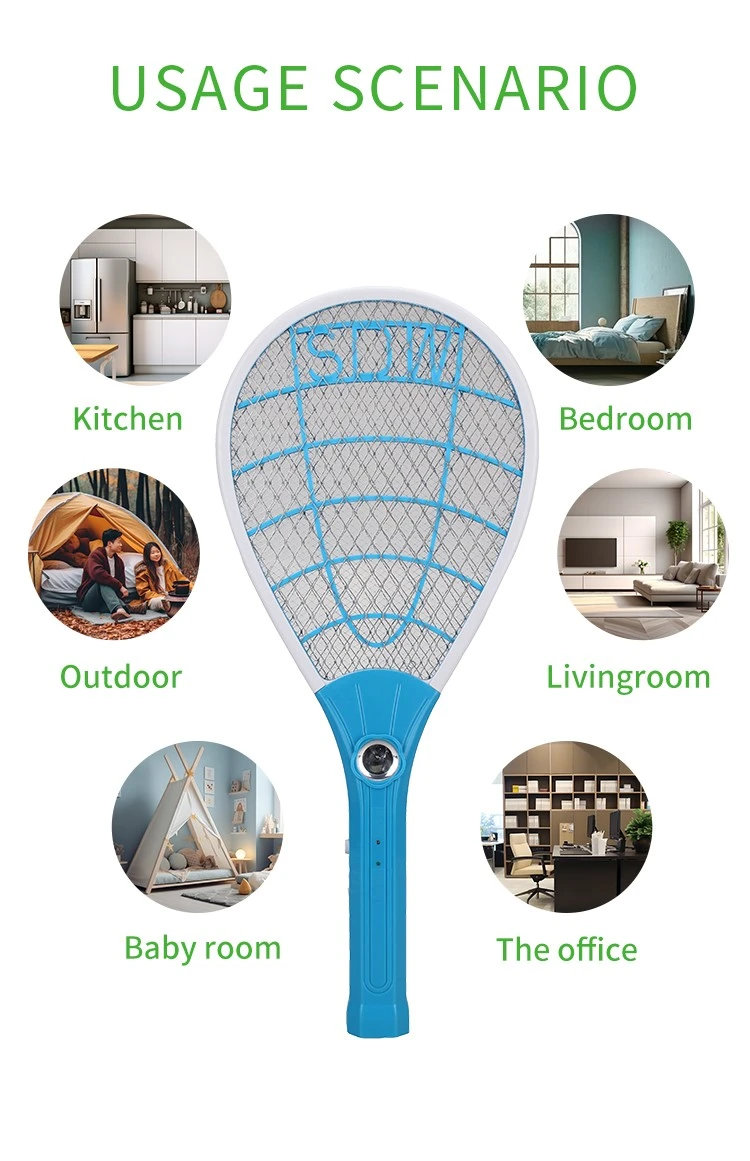
Most importers of electric mosquito swatters obsess over the first order: samples requested, factories vetted, a pre-shipment inspection booked. Then the reorder arrives eight months later and something is off. The grid feels softer. The charge port is a slightly different shade of black. The carton thickness dropped from 350 gsm to 300 gsm. Nothing is catastrophic — but the product no longer matches what your retail customers approved, and quietly, your return rate starts climbing.
How to Keep Mosquito Swatter Quality Consistent Across Repeat Orders
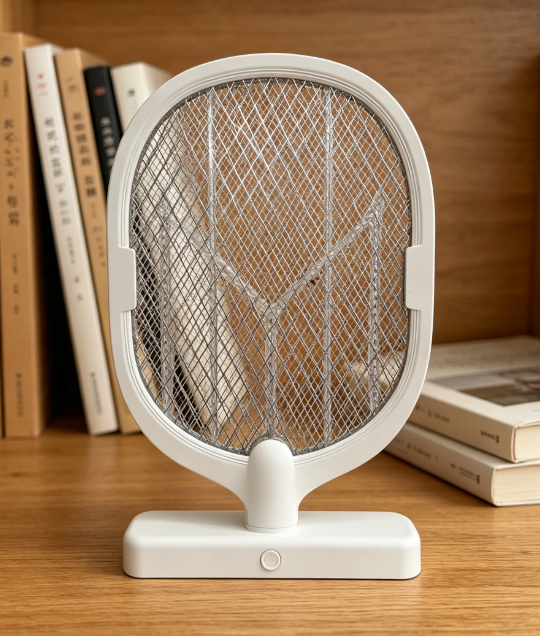
Warranty returns are the silent margin killer in the mosquito control category. A distributor who buys a swatter at $1.80 FOB and retails it at $9.90 can absorb a 1% return rate without noticing — but at 5%, the combined cost of replacement units, reverse logistics, and refund processing erases most of the line's profit.
Common mosquito swatter killer lamp failure modes wholesale spec guide

Digital bathroom scales rank as the second-highest-volume consumer weighing product category, only behind kitchen scales, with distinct market and product characteristics that set them apart from other scale types in importers’ product portfolios.
Digital bathroom body fat-bia-scale wholesale buyers guide