
Kids-Safe Electric Mosquito Swatter Buying Guide
2026-05-21
Kids-Safe Electric Mosquito Swatter Buying Guide: Anti-Short & Child-Friendly for a Safe Summer
Mosquitoes run rampant in summer, making electric mosquito swatters a household essential. However, for families with young children, ordinary swatters come with potential safety hazards due to their high-voltage grids and complicated operation. Countless products labeled “kids-safe” flood the market, leaving parents confused about how to choose one that balances efficient mosquito elimination and child safety. Today, we break down the key selection criteria to help you avoid pitfalls and pick a truly child-safe mosquito swatter.
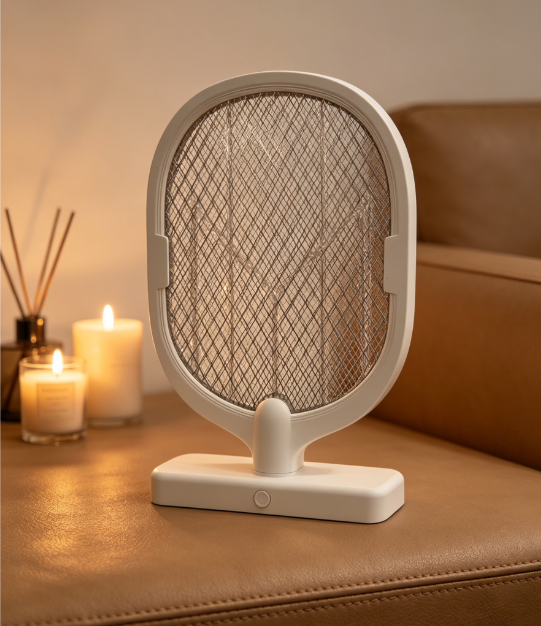
1. Core Differences Between Kids-Safe and Ordinary Mosquito Swatters
Many parents mistakenly believe that kids-specific mosquito swatters only feature cute appearances and compact sizes. In fact, a genuine kids-safe swatter strikes a perfect balance between mosquito-killing efficiency and child protection. It adopts optimized designs, premium materials and user-friendly functions to minimize risks such as accidental electric shocks and scratches for curious children.
Most ordinary mosquito swatters are equipped with single or double-layer grids without anti-touch protection. Kids may get shocked easily if they accidentally touch the high-voltage grid. In contrast, kids-safe models are specially upgraded in grid structure, switch design and material quality, with child-oriented improvements to eliminate potential safety risks from the source. These are the critical factors to consider when making a purchase.
2. Key Buying Tips: 5 Rules to Avoid Bad Products
1. Grid Design: Choose Double/Triple-Layer Protective Grids to Prevent Accidental Touch
The grid is the core component of a mosquito swatter and the top priority for child safety. Steer clear of single-layer grid swatters, which offer zero protection. Children’s fingers can easily touch the high-voltage grid and get stung.
Double or triple-layer protective grids are highly recommended. The outer protective grid features ultra-narrow gaps (usually less than 1.5mm) that only allow mosquitoes to pass through, blocking children’s fingers completely. The middle layer acts as the high-voltage mosquito-killing grid. Some triple-layer models add insulation protection on both sides for enhanced safety. For instance, the kids-specific mosquito swatter from Yanmi Tech adopts a double-layer anti-touch grid, effectively preventing accidental contact while ensuring stable mosquito-killing performance. Additionally, ensure the grid edges are smooth and burr-free to avoid scratching kids’ hands.
2. Voltage Range: 2000V-3500V is Ideal, Avoid Excessively High-Voltage Hype
Many merchants promote “ultra-high voltage” mosquito swatters, but higher voltage means greater safety risks for children. A voltage of 2000V is sufficient to kill most mosquitoes instantly, so there is no need to pursue excessive voltage that only increases hidden dangers.
For kids-safe models, opt for a voltage between 2000V and 3500V. This range guarantees excellent mosquito-killing efficiency and only causes slight tingling (no severe injury) in case of accidental child contact. High-quality swatters are equipped with a stable discharge system to prevent excessive sparks caused by voltage instability, further reducing safety risks.
3. Switch Design: Dual Lock & Anti-Misoperation to Prevent Unauthorized Activation
Children are naturally curious and tend to imitate adults’ operations, making anti-misoperation switch design indispensable. Reliable kids-safe mosquito swatters are fitted with a dual-lock switch system that requires two buttons (e.g., power key + activation key) to be pressed simultaneously to start the device. It cannot be activated by pressing a single button, effectively preventing accidental startup by kids.
Moreover, switches should be positioned for easy adult operation but out of children’s reach (e.g., the upper rear of the handle) with moderate button resistance that is hard for kids to press. Some premium models feature an instant power-off design: the grid quickly releases residual electricity once the activation key is released, eliminating risks of electric shock from touching a live grid after use.
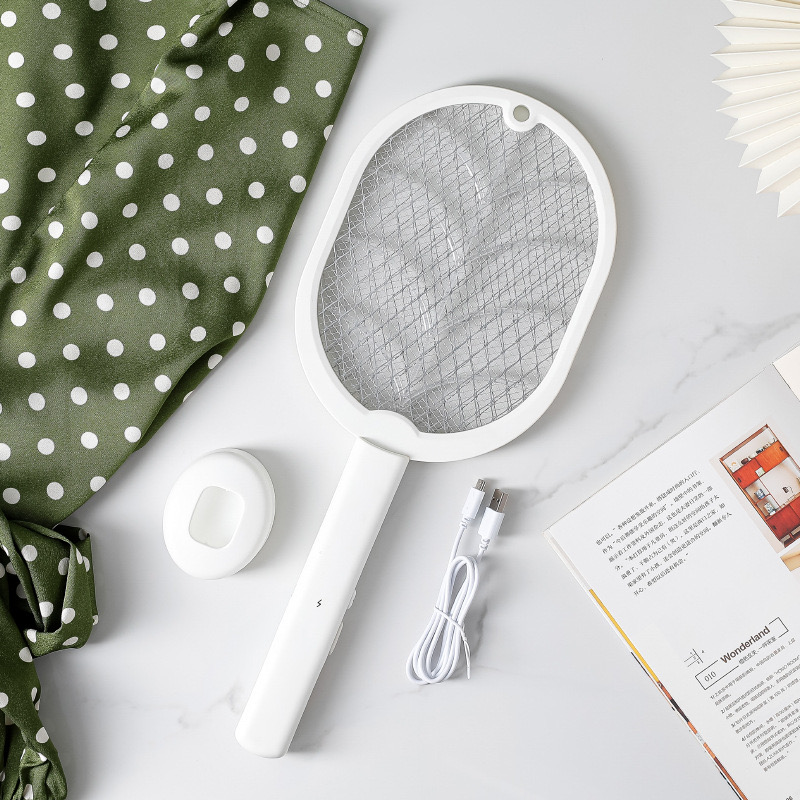
4. Material & Appearance: Non-Toxic & Anti-Collision for Kids’ Use
Children may touch or even bite the swatter handle, so material safety is non-negotiable. Choose swatters with handles and shells made of food-grade or non-toxic eco-friendly ABS plastic. This material is odorless, durable, crack-resistant, smooth and burr-free, ensuring no scratches or health hazards for kids.
Avoid low-quality swatters made of recycled plastic, which are fragile, prone to breakage, and may release harmful substances. Opt for compact, lightweight designs that fit children’s small hands. Overly bright and fancy appearances are not recommended, as they may make kids treat the swatter as a toy and play with it randomly. In addition, premium swatter shells adopt flame-retardant materials to prevent overheating and fire hazards during charging or use.
5. Practical Additional Functions, Skip Gimmicky Features
Additional functions of kids-safe mosquito swatters should focus on convenience and safety, with no need for redundant gimmicks. Prioritize the two core practical features below:
First, charging mode. USB Type-C charging is the top choice for its convenience and stable battery life. It avoids safety hazards such as battery leakage caused by disposable batteries. Battery-powered swatters are acceptable for occasional use in low-mosquito seasons, but choose leak-proof batteries. High-quality models come with indicator lights to show charging status and prevent overcharging.
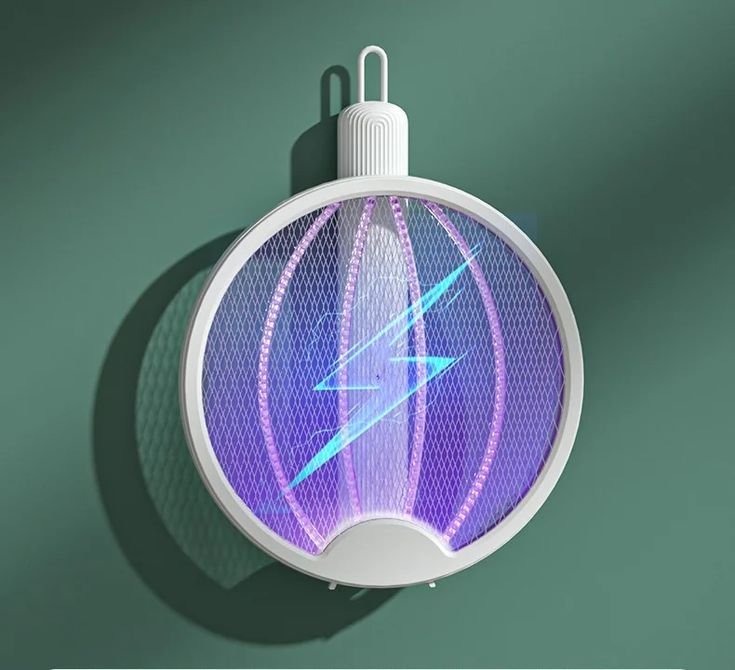
Second, multi-scene adaptation. The 2-in-1 handheld & automatic mosquito trap design is highly practical. It can be used manually during the day and activated with 365nm purple light mosquito trapping mode at night for automatic insect removal, reducing kids’ nighttime operation risks. Built-in soft LED lights also help find mosquitoes in the dark without straining children’s eyes.
3. Must-Know Tips: Buying Pitfalls & Safety Instructions
1. 3 Common Pitfalls to Avoid (Save Money & Risk-Free)
① Avoid ultra-low-cost no-name products: Steer clear of unbranded swatters priced below 30 yuan. Most lack authoritative safety certifications and protective designs, prone to short circuits, electric leakage and even fire risks.
② Check official certifications: Verify complete product information on the package, including standard execution number, production date, manufacturer address and contact information. Ensure the product has passed national mandatory safety certification for reliable quality.
③ Do not blindly pursue multi-functionality: Some swatters claim to repel mosquitoes, kill flies and cockroaches. These extra functions usually require higher voltage and complex operations, reducing child safety. For kids’ use, safe and efficient mosquito killing is the only core demand.
2. Safety Usage Guidelines for Parents
① Even kids-safe swatters are not for independent use by children under 3 years old. Parental supervision is required during use to prevent random waving or grid contact.
② Keep the swatter away from flammable items while charging and avoid unattended overcharging. In humid environments, damp grids may reduce voltage and efficiency; dry them with a hair dryer or natural sunlight to restore performance.
③ Power off the swatter and shake off mosquito residues gently for cleaning. Never rinse the device with water to avoid short circuits.
④ Store the swatter out of children’s reach, away from water sources and high-temperature environments to prevent accidental playing and safety accidents.
4. Conclusion: Pick the Right Swatter for a Worry-Free Summer
For families with kids, the golden rule of buying electric mosquito swatters is safety first with practicality. Focus on four core indicators: protective grid design, reasonable voltage range, anti-misoperation lock and safe material. Avoid low-quality products and prioritize certified items to get the perfect kids-safe swatter.
There is no need to compromise between safety and efficiency in summer mosquito control. A qualified kids-safe electric mosquito swatter efficiently eliminates mosquitoes to protect children from bites while minimizing potential safety hazards. It brings peace of mind to parents and creates a safe, mosquito-free summer for kids.
Why Almost Every Chinese Household Owns an Electric Mosquito Swatter
Why Do Mosquitoes Always Hide in Corners
Related Article

If you’re struggling with annoying mosquitoes, flies, and other flying pests indoors and outdoors, upgrading from traditional manual tools to anElectric Mosquito Swatter is the most efficient solution. Many homeowners and renters search where to buy fly swatter online to find durable, safe, and high-performance electric models that deliver instant pest control.
Where to Buy Fly Swatter
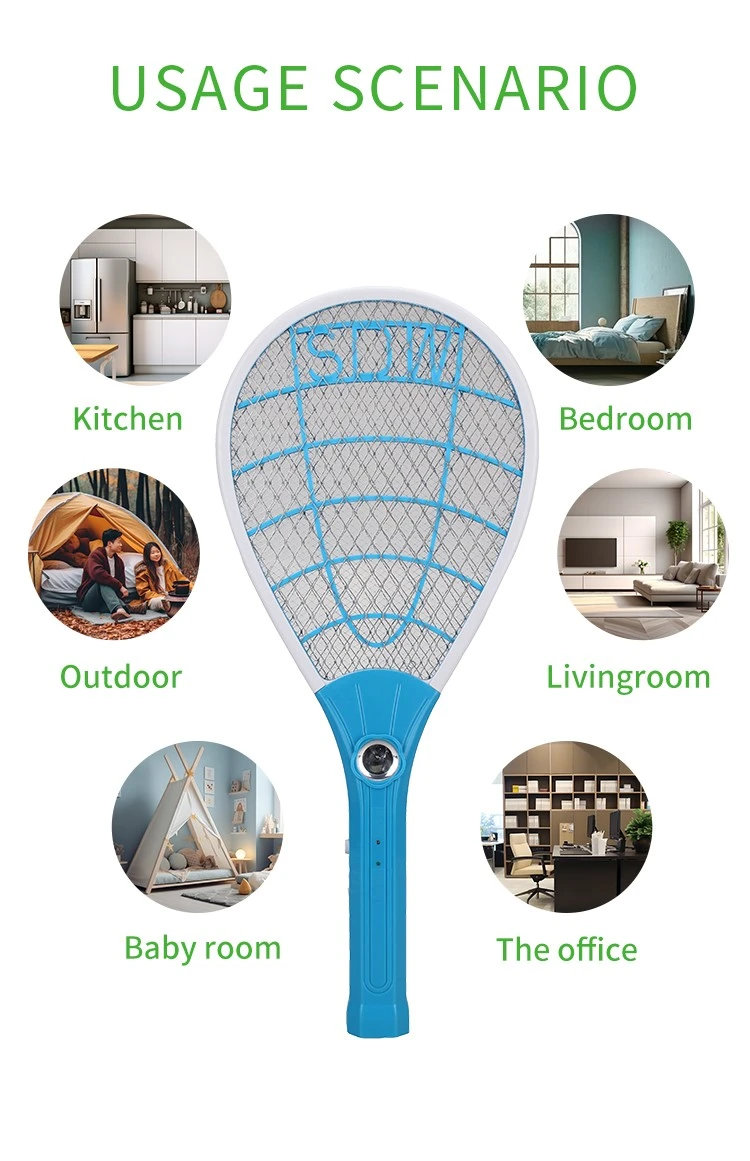
Most importers of electric mosquito swatters obsess over the first order: samples requested, factories vetted, a pre-shipment inspection booked. Then the reorder arrives eight months later and something is off. The grid feels softer. The charge port is a slightly different shade of black. The carton thickness dropped from 350 gsm to 300 gsm. Nothing is catastrophic — but the product no longer matches what your retail customers approved, and quietly, your return rate starts climbing.
How to Keep Mosquito Swatter Quality Consistent Across Repeat Orders
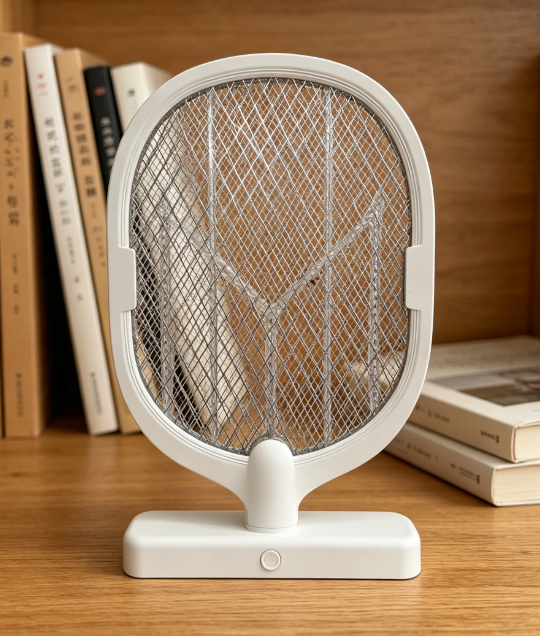
Warranty returns are the silent margin killer in the mosquito control category. A distributor who buys a swatter at $1.80 FOB and retails it at $9.90 can absorb a 1% return rate without noticing — but at 5%, the combined cost of replacement units, reverse logistics, and refund processing erases most of the line's profit.
Common mosquito swatter killer lamp failure modes wholesale spec guide

Digital bathroom scales rank as the second-highest-volume consumer weighing product category, only behind kitchen scales, with distinct market and product characteristics that set them apart from other scale types in importers’ product portfolios.
Digital bathroom body fat-bia-scale wholesale buyers guide