
Kitchen Mosquito Control
2026-03-27
Kitchen Mosquito Control: Safe Electric Swatter Use Around Food
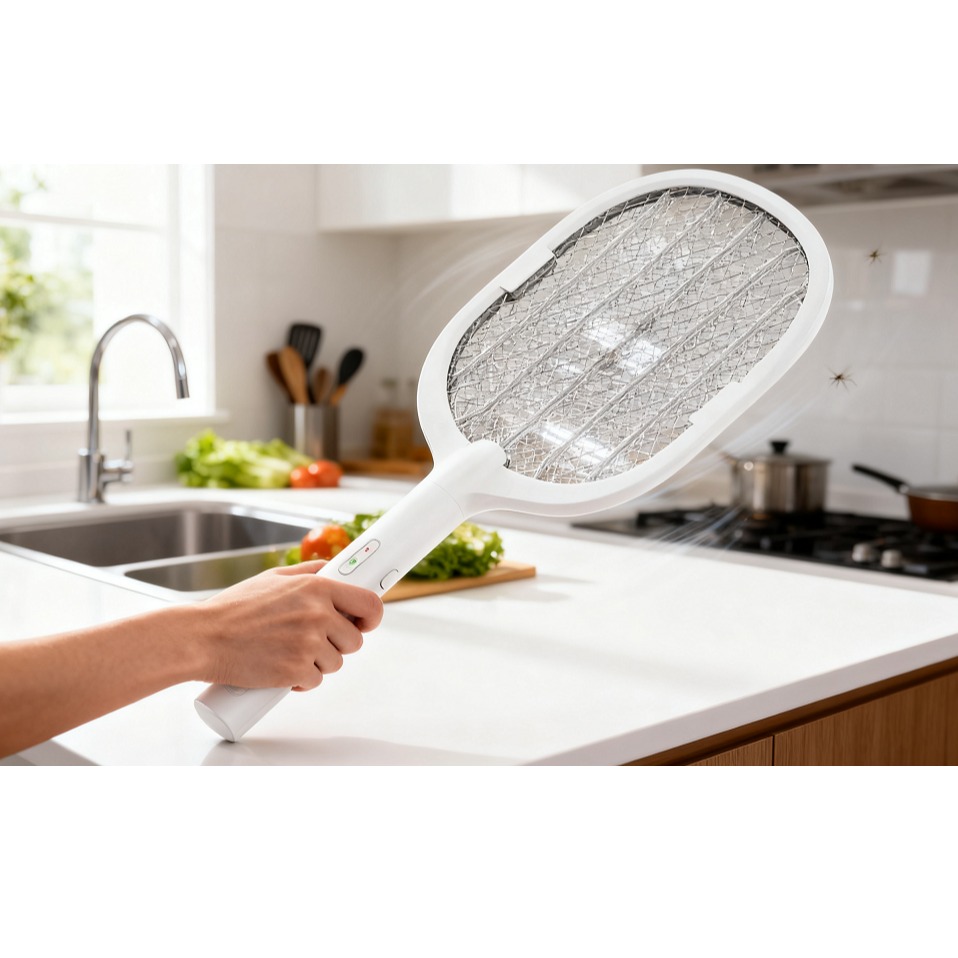
Keep Your Kitchen Bug-Free Without Compromising Food Safety
The kitchen is the heart of the home—where meals are prepared, families gather, and delicious aromas fill the air. But nothing ruins a cooking session or a meal faster than pesky mosquitoes buzzing around your food. While electric swatters are a popular, chemical-free way to eliminate these pests, using them near food requires extra caution to avoid contamination, burns, or other hazards. In this blog, we’ll break down how to safely use an electric swatter in your kitchen, so you can keep mosquitoes at bay while keeping your food safe and your family healthy.
Why Mosquito Control Matters in the Kitchen
Mosquitoes aren’t just annoying—they’re a potential health risk, especially in the kitchen. These pests can carry bacteria, viruses, and parasites, which they can transfer to your food, utensils, or cooking surfaces with a single landing. Unlike other areas of the home, the kitchen is where food is stored, prepared, and consumed, making it critical to keep it mosquito-free without using harsh chemicals that could taint your meals. Electric swatters offer a safe alternative to pesticides, but only if used correctly around food.
Additionally, mosquitoes are drawn to kitchens for a few key reasons: standing water (from sinks, dishwashers, or even wet sponges), food crumbs, and warm temperatures. By combining electric swatter use with simple prevention tips, you can create a mosquito-free kitchen environment long-term.
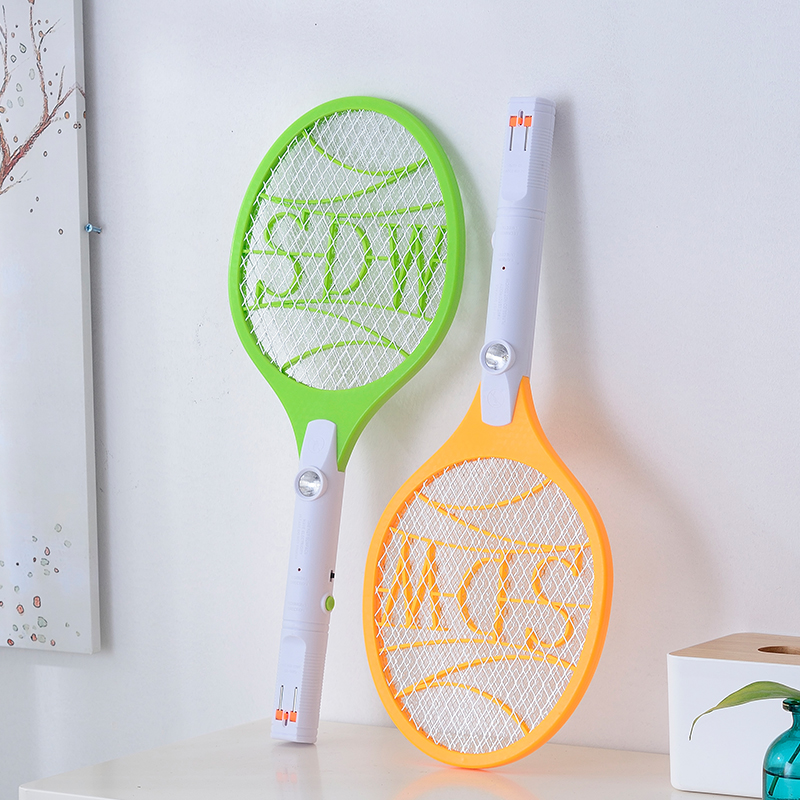
Key Safety Rules for Electric Swatter Use Around Food
Electric swatters work by delivering a high-voltage shock to kill mosquitoes on contact. While they’re generally safe for humans when used properly, using them near food requires extra care to avoid accidents or contamination. Follow these rules to ensure safety:
1. Keep the Swatter Away from Food Surfaces and Open Food
Never use an electric swatter directly over open food, such as bowls of fruit, prepared meals, or baking ingredients. When you swat a mosquito, the shock can cause the insect’s body to splatter, releasing fluids (including potentially harmful bacteria) onto your food. Even if the mosquito is not directly on the food, the force of the swat can send debris flying. Always maintain a distance of at least 12 inches (30 cm) between the swatter and any open food or food preparation surfaces.
2. Use the Swatter Before or After Food Preparation
The safest time to use an electric swatter in the kitchen is when no food is being prepared, served, or stored uncovered. For example, use it first thing in the morning before you start cooking, or after dinner once all food has been covered and stored away. This minimizes the risk of contamination and ensures you can focus on swatting mosquitoes without worrying about your meals.
3. Avoid Swatting Near Heat Sources
Kitchens are full of heat sources—stoves, ovens, microwaves, and toasters—that can pose a risk when combined with electric swatters. The high-voltage shock from the swatter can spark if it comes into contact with hot surfaces or flammable materials (like cooking oils, paper towels, or dry ingredients). Keep the swatter at least 2 feet (60 cm) away from heat sources and flammable items to prevent fires or burns.
4. Clean the Swatter Regularly
After each use, wipe down the swatter’s grid with a clean, damp cloth to remove any mosquito debris, blood, or fluids. This prevents bacteria from building up on the swatter, which could be transferred to food or surfaces if the swatter is accidentally brushed against them. Never submerge the swatter in water or use harsh cleaning chemicals—just a mild soap and water solution is enough.
5. Store the Swatter Safely When Not in Use
When you’re not using the electric swatter, store it in a cool, dry place away from food, utensils, and children. Avoid hanging it near food storage areas (like pantries or refrigerators) or food preparation surfaces. Make sure the swatter is turned off and unplugged (if it’s rechargeable) to prevent accidental shocks or damage.
Bonus: Prevent Mosquitoes in the Kitchen to Reduce Swatter Use
While electric swatters are a great tool for eliminating existing mosquitoes, the best way to keep your kitchen bug-free is to prevent them from entering in the first place. Here are a few simple tips:
-
Fix any leaks in sinks or faucets to eliminate standing water—mosquitoes lay their eggs in water.
-
Keep counters clean and free of food crumbs, which attract mosquitoes and other pests.
-
Install screens on kitchen windows and doors to keep mosquitoes out.
-
Cover food with lids or foil when not in use, and store leftovers promptly in the refrigerator.
-
Empty and clean pet water bowls daily, as standing water is a prime breeding ground.
Final Thoughts: Safe, Effective Mosquito Control for Your Kitchen
Electric swatters are a safe, chemical-free way to control mosquitoes in your kitchen—when used correctly around food. By following the safety rules outlined above, you can eliminate pests without compromising the safety of your meals or your family. Remember: prevention is key, so combine swatter use with simple habits to keep mosquitoes away for good. With a little care, you can enjoy a bug-free kitchen and delicious, safe meals all year round.
Can Electric Mosquito Swatters Hurt Humans
Latest International Safety Certifications for Electric Mosquito Swatters
Related Article

If you’re struggling with annoying mosquitoes, flies, and other flying pests indoors and outdoors, upgrading from traditional manual tools to anElectric Mosquito Swatter is the most efficient solution. Many homeowners and renters search where to buy fly swatter online to find durable, safe, and high-performance electric models that deliver instant pest control.
Where to Buy Fly Swatter
Most importers of electric mosquito swatters obsess over the first order: samples requested, factories vetted, a pre-shipment inspection booked. Then the reorder arrives eight months later and something is off. The grid feels softer. The charge port is a slightly different shade of black. The carton thickness dropped from 350 gsm to 300 gsm. Nothing is catastrophic — but the product no longer matches what your retail customers approved, and quietly, your return rate starts climbing.
How to Keep Mosquito Swatter Quality Consistent Across Repeat Orders
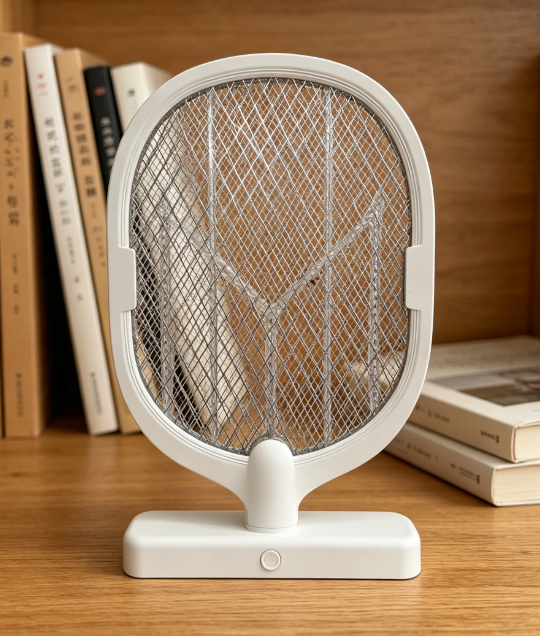
Warranty returns are the silent margin killer in the mosquito control category. A distributor who buys a swatter at $1.80 FOB and retails it at $9.90 can absorb a 1% return rate without noticing — but at 5%, the combined cost of replacement units, reverse logistics, and refund processing erases most of the line's profit.
Common mosquito swatter killer lamp failure modes wholesale spec guide

Digital bathroom scales rank as the second-highest-volume consumer weighing product category, only behind kitchen scales, with distinct market and product characteristics that set them apart from other scale types in importers’ product portfolios.
Digital bathroom body fat-bia-scale wholesale buyers guide