
Kitchen Scale Cleaning Guide
2026-06-09
Kitchen Scale Cleaning Guide: Keep It Spotless, Accurate and Long-Lasting
A kitchen scale is an essential tool for cooking and baking. Accurate weighing ensures consistent food textures and perfect dessert results every time. However, flour, egg residue, oil stains, and sugar syrup often stick to the scale surface and crevices. Over time, these buildups cause bacteria growth, unpleasant odors, stuck sensors, inaccurate readings, and unresponsive buttons. Many people either clean their kitchen scales casually or scrub too hard, leading to premature damage. Below is a complete kitchen scale cleaning routine, including daily maintenance, deep stain removal, and common mistakes to avoid, helping you keep your scale in great condition.
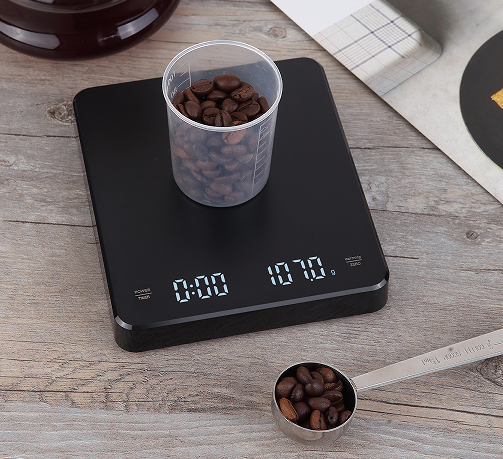
1. Pre-Cleaning Preparation: Follow Core Safety Rules
A kitchen scale is a precision electronic device equipped with internal sensors, circuit boards, and button components. Its cleaning requirements differ greatly from ordinary kitchen utensils. Proper pre-cleaning preparation is essential to prevent permanent damage.
First, power off and unplug the device completely. Whether your scale is battery-powered or rechargeable, turn off the switch, remove the batteries, or disconnect the power cord. This avoids short circuits, electric leakage, and accidental button presses during cleaning. Second, detach all removable parts such as weighing trays and bowls. These separate accessories can be washed directly with water, allowing a more thorough clean without damaging the main unit.
Lastly, prepare suitable cleaning tools. Use microfiber cloths, cotton swabs, and soft brushes, paired with mild dish soap, 70% isopropyl alcohol, and white vinegar. Avoid steel wool, stiff brushes, and strong acidic or alkaline cleaners, which can scratch the scale surface and corrode the coating and precision parts.
2. Daily Quick Clean: 30-Second Post-Use Maintenance
Simple cleaning after daily use prevents stain accumulation and reduces the workload of deep cleaning, ideal for everyday cooking and baking routines.
Step 1: Dry dust removal. Use a dry soft brush or microfiber cloth to gently wipe off dry debris such as flour, powdered sugar, and crumbs from the scale surface, button gaps, and display screen edges. This prevents powder from clumping with oil and settling into tiny crevices.
Step 2: Damp wiping for stains. Moisten a soft cloth with warm water and wring it out completely until no water drips. Gently wipe the scale surface, outer shell, and button area. For light oil stains and sugar residue, add a tiny drop of mild dish soap to the cloth, then wipe off all foam residue with a clean damp cloth.
Step 3: Thorough air drying. Place the cleaned scale in a well-ventilated area to air dry naturally. Do not store it in enclosed spaces immediately, as residual moisture can cause internal component dampness, mold growth, and device malfunction. Wipe and reattach the removable weighing tray once dry.
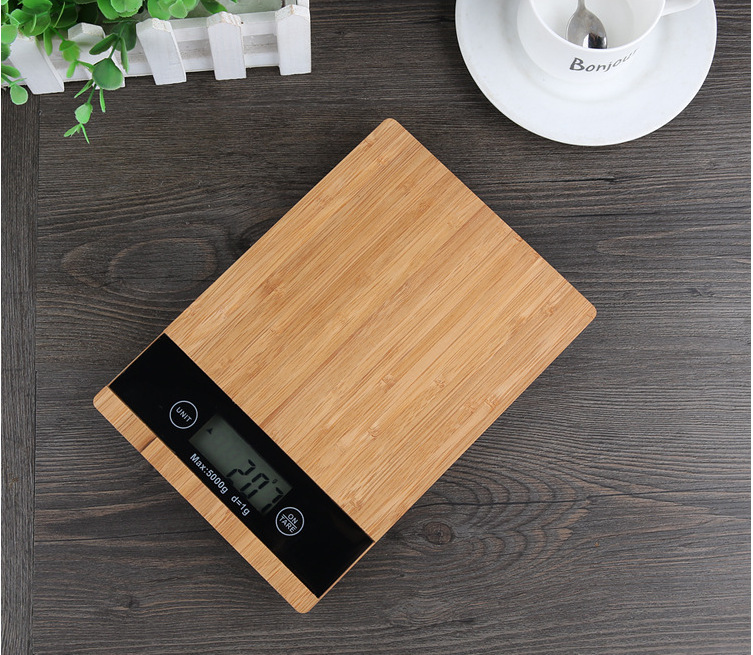
3. Deep Cleaning: Remove Stubborn Oil and Sticky Residues
Long-term use leads to tough stains like dried egg residue, solidified grease, and sticky syrup, which cannot be removed with simple wiping. A deep clean is recommended every one to two weeks for thorough stain removal.
3.1 Water Cleaning for Removable Parts
Removable stainless steel trays and plastic bowls are prone to heavy stains. Soak them in warm water mixed with mild dish soap for 3 to 5 minutes, then gently scrub edges and gaps with a soft sponge to eliminate stubborn grime. Avoid dishwasher cleaning unless the product instructions explicitly allow it. High temperature and high water pressure in dishwashers may cause deformation and coating peeling. Dry all accessories thoroughly after cleaning.
3.2 Stubborn Stain Treatment for the Main Unit
Never soak or rinse the main body of the scale with water. For sticky and dried stains on the scale surface, dampen a soft cloth with white vinegar or diluted mild cleaner, cover the stain for about 15 seconds to soften the dirt, then wipe gently. Do not rub or scrape vigorously.
Use cotton swabs dipped in a small amount of diluted cleaner or alcohol to clean tiny stains in button gaps and around the display frame. Alcohol evaporates quickly, leaving no moisture to damage internal circuits. After cleaning, place the scale upright in a ventilated place to dry completely.
4. Critical Cleaning Mistakes Every Beginner Should Avoid
Short service life and inaccurate readings of kitchen scales are mostly caused by improper cleaning methods. Avoid these common mistakes.
First, never soak or rinse the entire scale. Even waterproof scales only resist accidental splashes, not full immersion or direct water flushing. Water penetration corrodes internal sensors and circuit boards, causing irreversible damage such as short circuits, reading errors, and black screens.
Second, never spray cleaner directly on the scale. Liquid can seep into the device through gaps around buttons, screens, and bases, which is the leading cause of electronic scale damage. Always apply water or cleaner to a cloth or cotton swab before wiping.
Third, never use hard scraping tools. Steel wool, stiff brushes, and blades scratch stainless steel surfaces and plastic shells. Scratches not only ruin the appearance but also harbor more dirt and accelerate aging. Additionally, avoid disinfectants, bleach, and strong alkaline cleaners that corrode coatings and precision components.
Fourth, never store the scale immediately after cleaning. Storing damp scales and accessories in closed drawers or boxes creates a humid environment that breeds mold, causes odors, rusts metal parts, and leads to circuit failures.
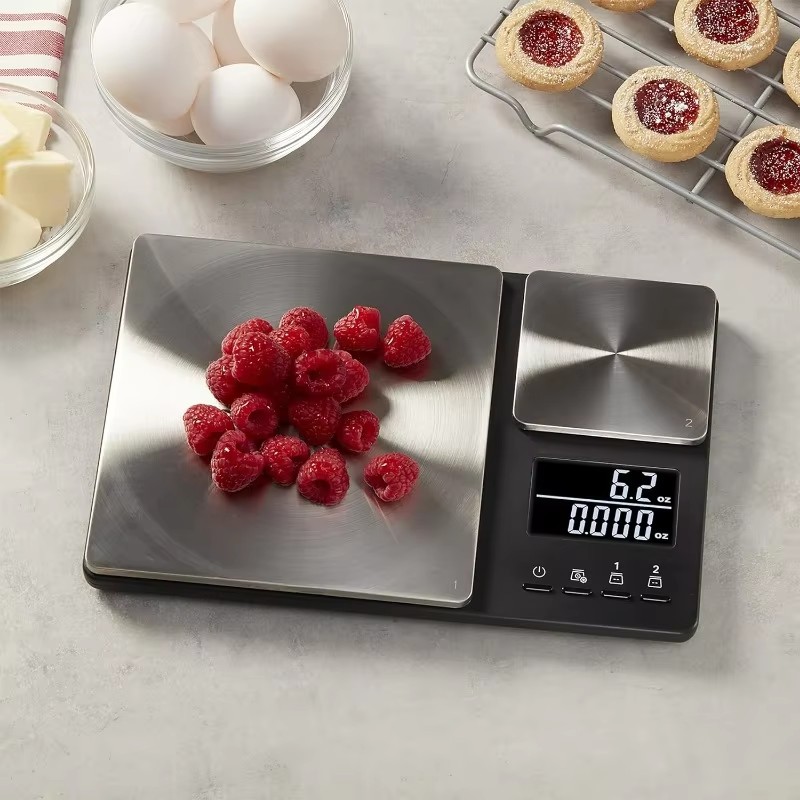
5. Long-Term Maintenance: Keep Your Scale Accurate and Durable
Combining regular cleaning with proper maintenance preserves your scale’s accuracy and extends its lifespan. Besides daily cleaning, handle the scale gently, avoid heavy impacts and overloading to protect the internal weighing sensor.
For long-term storage, clean the scale thoroughly and wipe off all moisture. Remove the batteries to prevent leakage and internal corrosion. Wrap the scale with a dust-proof bag and store it in a cool, dry, and oil-free place. Regularly wipe buttons and gaps with alcohol cotton swabs for antibacterial cleaning and dirt prevention.
Conclusion
The core rules of kitchen scale cleaning are: no soaking, no direct spraying, no hard tools, and full drying after cleaning. Daily wiping prevents stain buildup, and regular deep cleaning removes stubborn grime. By avoiding improper cleaning habits, you can keep your scale hygienic, odor-free, and precisely calibrated. A well-maintained kitchen scale will serve you for years, supporting every perfect cooking and baking creation.
Portable Mosquito Swatter for Travel
Baby-Friendly Indoor Mosquito Killer Lamp Selection Guide
Related Article

If you’re struggling with annoying mosquitoes, flies, and other flying pests indoors and outdoors, upgrading from traditional manual tools to anElectric Mosquito Swatter is the most efficient solution. Many homeowners and renters search where to buy fly swatter online to find durable, safe, and high-performance electric models that deliver instant pest control.
Where to Buy Fly Swatter
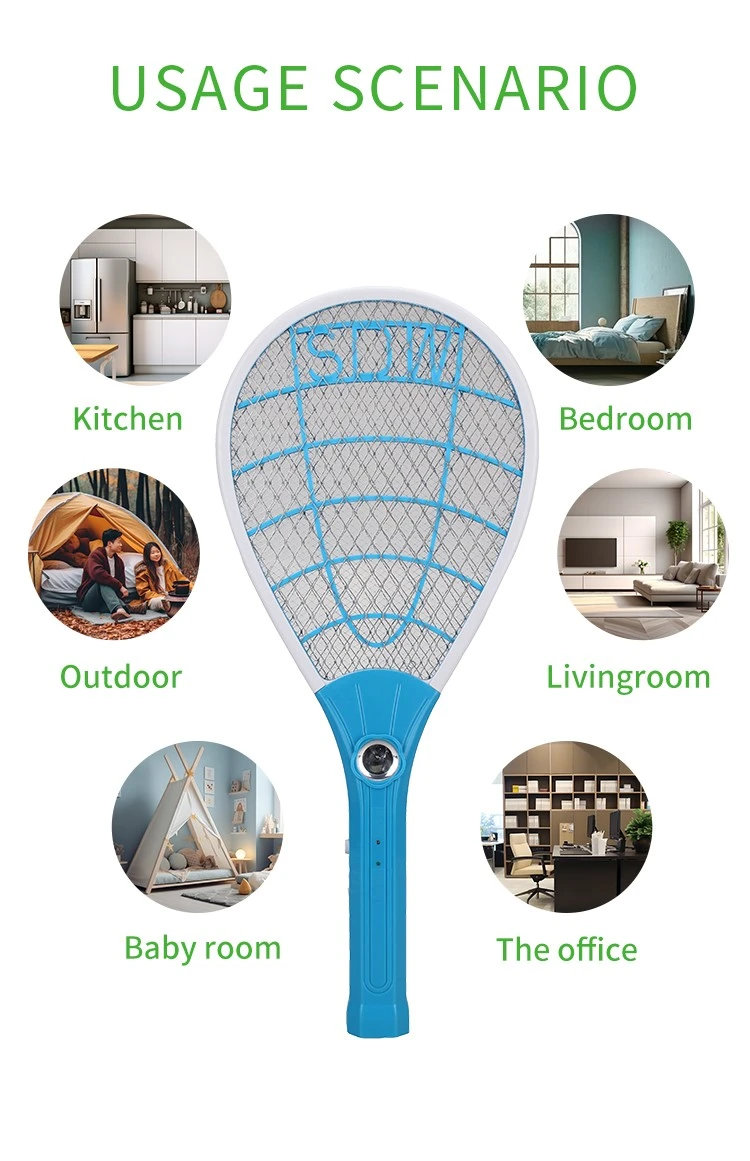
Most importers of electric mosquito swatters obsess over the first order: samples requested, factories vetted, a pre-shipment inspection booked. Then the reorder arrives eight months later and something is off. The grid feels softer. The charge port is a slightly different shade of black. The carton thickness dropped from 350 gsm to 300 gsm. Nothing is catastrophic — but the product no longer matches what your retail customers approved, and quietly, your return rate starts climbing.
How to Keep Mosquito Swatter Quality Consistent Across Repeat Orders
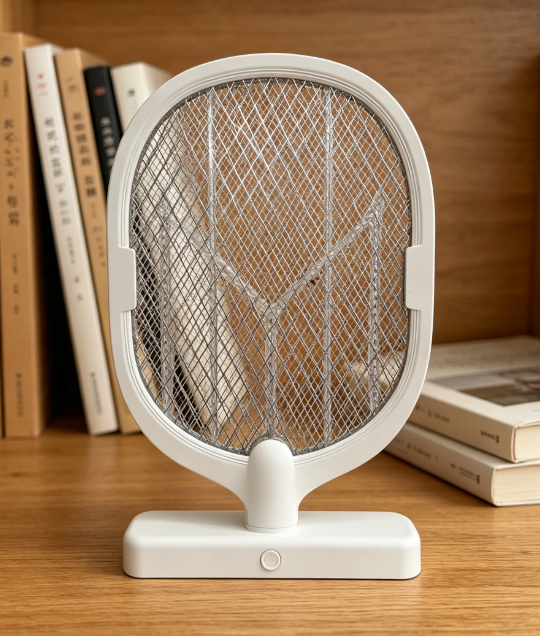
Warranty returns are the silent margin killer in the mosquito control category. A distributor who buys a swatter at $1.80 FOB and retails it at $9.90 can absorb a 1% return rate without noticing — but at 5%, the combined cost of replacement units, reverse logistics, and refund processing erases most of the line's profit.
Common mosquito swatter killer lamp failure modes wholesale spec guide

Digital bathroom scales rank as the second-highest-volume consumer weighing product category, only behind kitchen scales, with distinct market and product characteristics that set them apart from other scale types in importers’ product portfolios.
Digital bathroom body fat-bia-scale wholesale buyers guide