
Large-Area Mosquito Control Solution for Shops and Restaurants
2026-05-23
Large-Area Mosquito Control Solution for Shops and Restaurants | Efficient Commercial Pest Control & Business Safety Guide
For retail shops, restaurants and catering stores, mosquitoes are more than just a trivial nuisance. In hot and humid summer weather, widespread mosquito infestations not only ruin customers’ dining experience and damage store reputation but also spread bacteria and contaminate food ingredients. This can lead to violations of catering hygiene standards, resulting in sanitary rectification orders and disrupted business operations.
Unlike small-scale household mosquito control, commercial catering venues feature large spaces, high customer flow, frequently opened doors and windows, accumulated water and oil stains in back kitchens, and centralized greenery and waste. Traditional solutions such as mosquito coils and swatters cannot solve the problem fundamentally. To achieve long-term and targeted mosquito control, a scientific, systematic and compliant commercial solution that balances safety, efficiency and practicality is essential. This article shares a fully implementable large-area mosquito control plan for catering business owners.
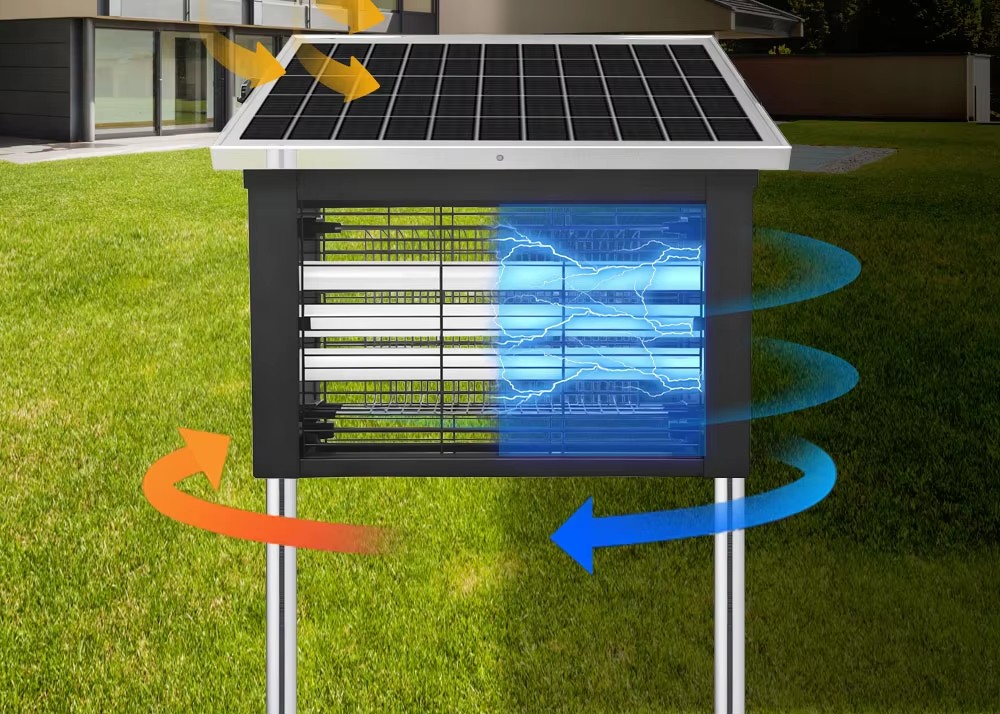
1. Core Principles of Large-Area Commercial Mosquito Control (Must-Follow for Catering Stores)
The core logic of mosquito control for catering venues is not simply eliminating existing mosquitoes, but a four-dimensional strategy: source prevention and control, physical elimination, environmental management, and long-term maintenance. Different from household mosquito control, commercial scenarios require strict adherence to three key principles to avoid common pitfalls.
First, safety and compliance come first. Catering areas involve food processing and customer dining. Highly toxic, pungent and high-residual pesticides are strictly prohibited. All equipment and chemicals must meet national hygiene standards for food service premises, ensuring no impact on food safety or customer experience.
Second, full coverage without blind spots. Mosquitoes breed and linger in dining areas, back kitchens, walkways, warehouses, outdoor display zones, sewers and green belts. Given the large space of commercial venues, indoor and outdoor integrated prevention is required to achieve comprehensive coverage.
Third, long-term stability and sustainability. Temporary elimination only solves immediate problems. Commercial venues need normalized prevention mechanisms to prevent recurring mosquito infestations and reduce repeated labor and material costs.
2. Source Management: Cut Off Mosquito Breeding Chains Fundamentally
Mosquitoes thrive in stagnant water, oil contamination, garbage and dark humid environments. Poor environmental management accounts for 90% of mosquito outbreaks in restaurants and shops. As the foundation of large-area mosquito control, source management can reduce over 70% of mosquito breeding effectively.
First, thoroughly eliminate water accumulation dead corners. Mosquito larvae (wrigglers) only need a small amount of stagnant water to reproduce. All water-prone areas must be rectified, including back kitchen sinks, floor drains, sewer openings, trash can bases, air conditioner drip trays, outdoor step grooves and flower pot trays. Keep these areas dry daily and flush sewers and floor drains weekly to avoid sewage deposition and mosquito breeding.
Second, standardize garbage and oil stain management. Food waste and oil residues are major attractants for mosquitoes. Stores must dispose of garbage daily with fully covered sealed trash cans and avoid overnight accumulation. Back kitchen stoves, walls and floors require thorough daily cleaning to remove residual oil stains, eliminating mosquito attraction and mold growth in dark corners.
Third, optimize store environmental layout. Avoid long-term stacking of cartons, sundries and waste materials indoors and outdoors to maintain ventilation and light. Regularly trim green plants at store entrances to prevent dense foliage from forming dark humid habitats. Replace hydroponic plants with soil-grown plants to remove water-based breeding conditions for mosquitoes.
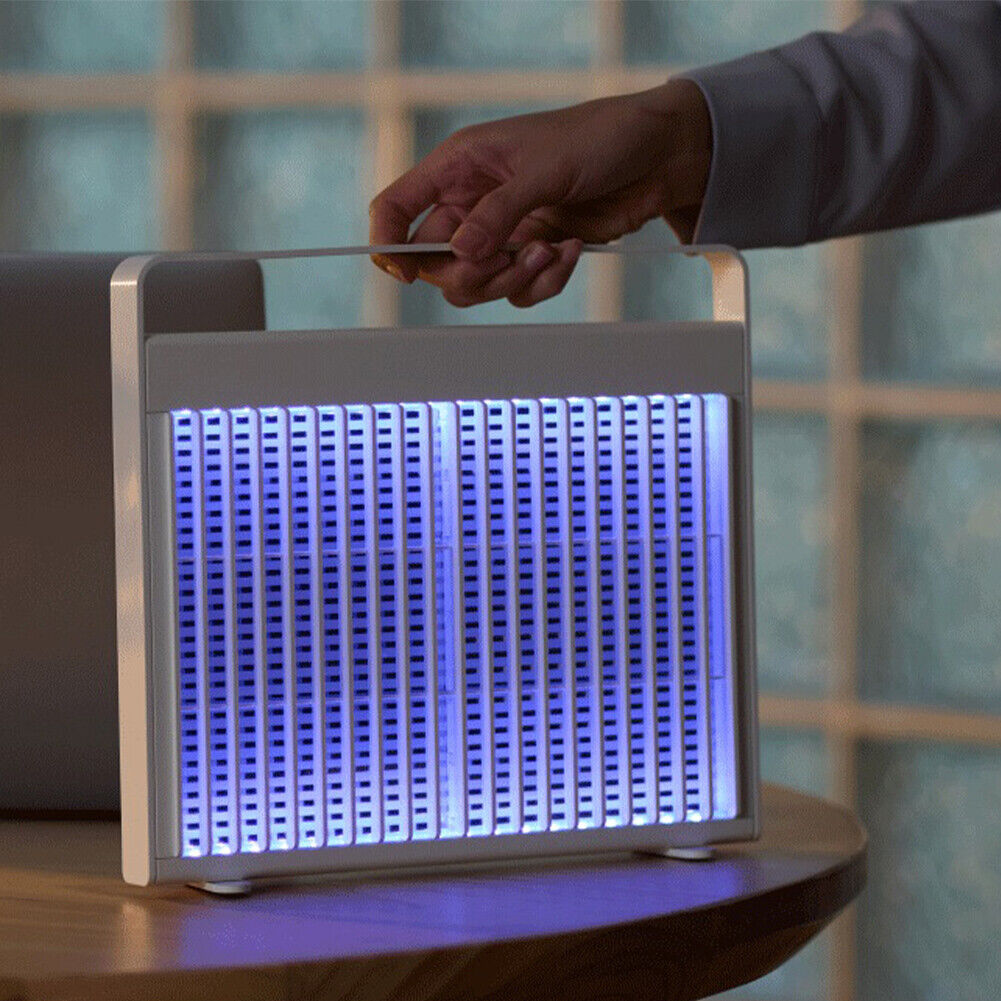
3. Physical Elimination: Core Safe & Residue-Free Solution for Large Commercial Spaces
Physical mosquito control is the safest and most reliable core method for catering venues. It leaves no chemical residues, poses no risks to food safety, and adapts to large-area all-weather use, covering dining areas, back kitchens, walkways, warehouses and all other zones.
First, deploy commercial mosquito traps across the whole venue. Reasonable equipment layout is the key to large-area mosquito control. The standard layout is one device per 50 square meters, with enhanced placement in narrow walkways, corners, back kitchen entrances and warehouse blind spots. Prioritize commercial sticky mosquito traps, which operate silently without sparks or pungent odors. Unlike electric shock traps, they prevent splashing mosquito corpses and environmental contamination, making them ideal for catering scenarios.
Follow standard placement rules: avoid strong direct sunlight which weakens trapping effects; keep devices at least 2 meters away from food processing and tableware areas; install at a height of 1.8-2.2 meters, matching the active flight altitude of mosquitoes. Inspect equipment daily and replace sticky boards regularly to ensure continuous efficiency.
Second, install door and window anti-mosquito isolation facilities. Block outdoor mosquitoes from entering to reduce indoor insect populations. Install high-density anti-mosquito screens on all main doors, French windows, back kitchen vents and exhaust ports, and replace damaged screens timely. Place vertical mosquito traps at entrances during peak customer hours to form a protective barrier against incoming mosquitoes.
Third, conduct targeted manual auxiliary cleaning. After daily business hours, manually clean mosquito gathering areas including store corners, ceiling gaps and lighting peripheries with vacuum cleaners and professional tools to remove adult mosquitoes and eggs and stop reproduction.
4. Scientific Chemical Disinsection: Auxiliary Precise Control with Zero Catering Risks
In cases of severe large-area mosquito outbreaks, physical elimination alone cannot achieve rapid control. Compliant chemical disinsection can be used as an auxiliary measure with strict operational and temporal controls to eliminate safety hazards in catering scenarios.
Choose only low-toxicity, low-residue and odorless commercial sanitary insecticides, and never use high-concentration household pesticides or pungent sprays. All disinsection operations must be carried out during non-business hours, preferably after closing and after all food ingredients are properly stored.
Focus on non-dining and non-food areas including sewers, floor drains, wall gaps, outdoor green belts and entrance passages. Never spray chemicals directly on dining tables, operating counters or food utensils. Close the store for 1-2 hours after disinsection, and conduct thorough ventilation and surface wiping before opening to eliminate all chemical residues.
Adopt a periodic disinsection schedule: full-scale treatment once a week during the high mosquito season (May to October), and once every two weeks in off-seasons to stabilize control effects and prevent recurring infestations.
5. Long-Term Operation & Maintenance: Build a Permanent Store Anti-Mosquito System
Mosquito control for shops and restaurants is not a one-time task but a daily routine maintenance project. Poor long-term effects in most stores stem from one-time disinsection without standardized management. A standardized operation system is essential for permanent mosquito eradication.
First, implement daily cleaning and inspection systems. Arrange dedicated staff to check and remove water accumulation, garbage and oil stains daily to eliminate breeding sources. Inspect the operating status of mosquito traps every day and replace damaged or invalid equipment to ensure full-time normal operation.
Second, conduct regular in-depth maintenance. Perform thorough cleaning and preventive disinsection for hidden areas such as sewers, floor drains, green belts and storage rooms monthly. Fully inspect and repair anti-mosquito screens and door/window sealing quarterly to reinforce anti-mosquito barriers.
Third, cooperate with professional commercial pest control teams. For large catering complexes and chain stores, signing professional institutions for regular mosquito density detection, solution optimization and in-depth disinsection is more professional and compliant. It effectively avoids sanitary risks and saves labor costs.
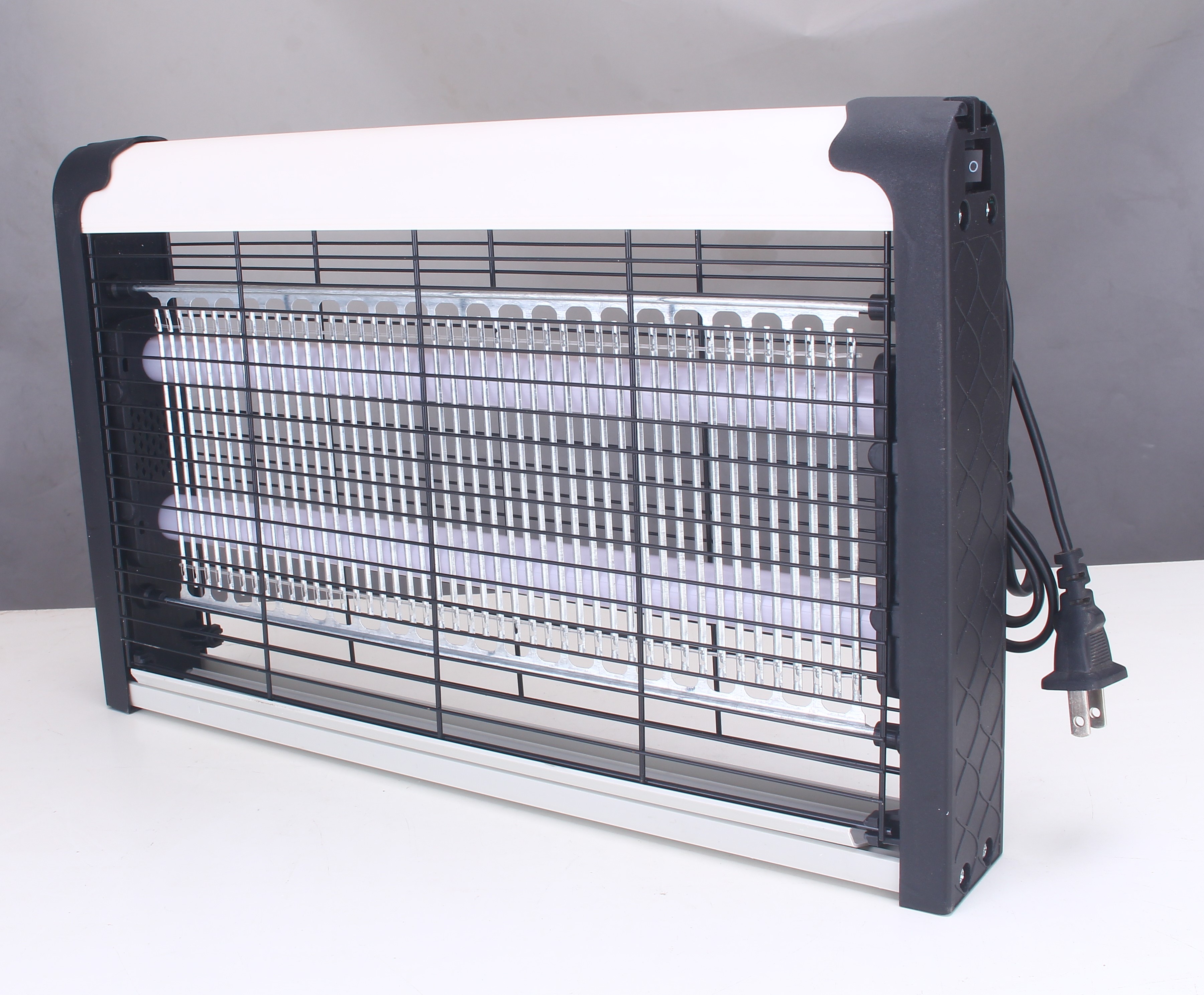
6. Conclusion: Prevention Precedes Elimination in Commercial Mosquito Control
Stores and restaurants should avoid prioritizing elimination over prevention. Scattered household mosquito control methods are incompatible with large-scale, high-traffic and high-hygiene-standard commercial catering scenarios. A qualified commercial mosquito control solution relies on environmental management to cut breeding sources, physical elimination to ensure safety, precise chemical treatment to make up for deficiencies, and long-term maintenance to stabilize effects.
Comprehensive mosquito prevention and control optimizes the dining environment and customer experience, while safeguarding catering hygiene compliance. It is an essential basic maintenance task for catering stores during hot seasons.
How to Calibrate a Digital Scale
Electric Fly Swatter Common Faults and Repair Guide
Related Article

If you’re struggling with annoying mosquitoes, flies, and other flying pests indoors and outdoors, upgrading from traditional manual tools to anElectric Mosquito Swatter is the most efficient solution. Many homeowners and renters search where to buy fly swatter online to find durable, safe, and high-performance electric models that deliver instant pest control.
Where to Buy Fly Swatter
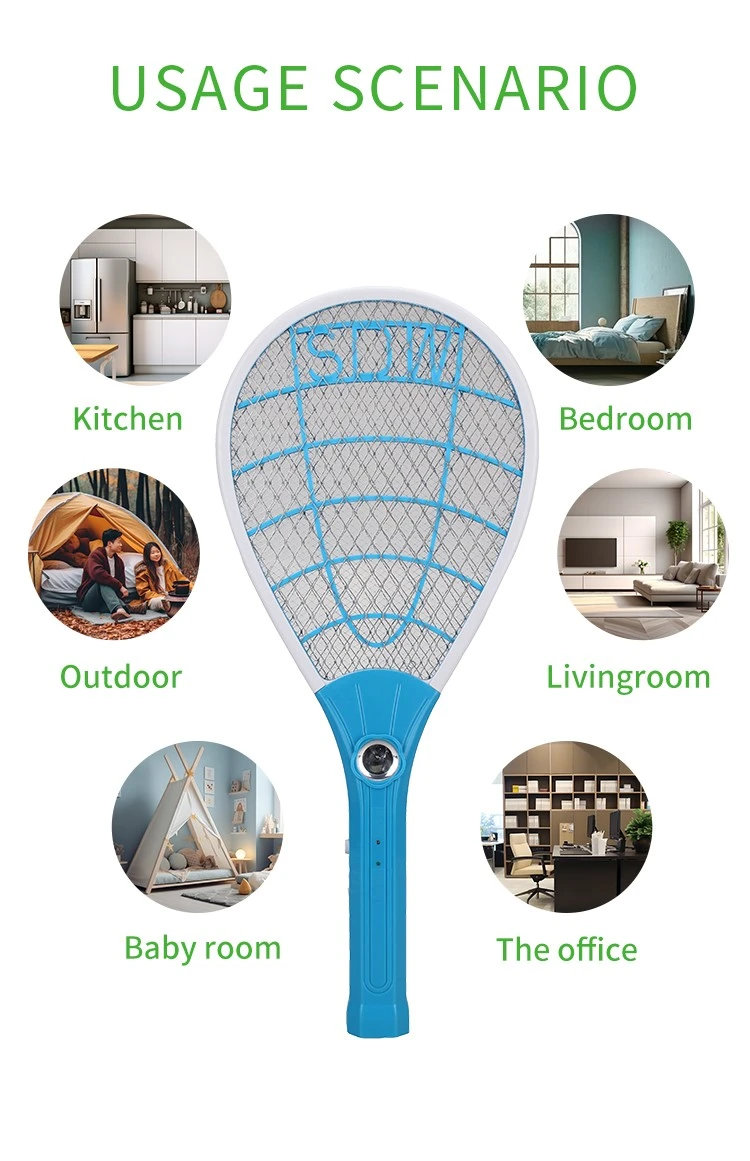
Most importers of electric mosquito swatters obsess over the first order: samples requested, factories vetted, a pre-shipment inspection booked. Then the reorder arrives eight months later and something is off. The grid feels softer. The charge port is a slightly different shade of black. The carton thickness dropped from 350 gsm to 300 gsm. Nothing is catastrophic — but the product no longer matches what your retail customers approved, and quietly, your return rate starts climbing.
How to Keep Mosquito Swatter Quality Consistent Across Repeat Orders
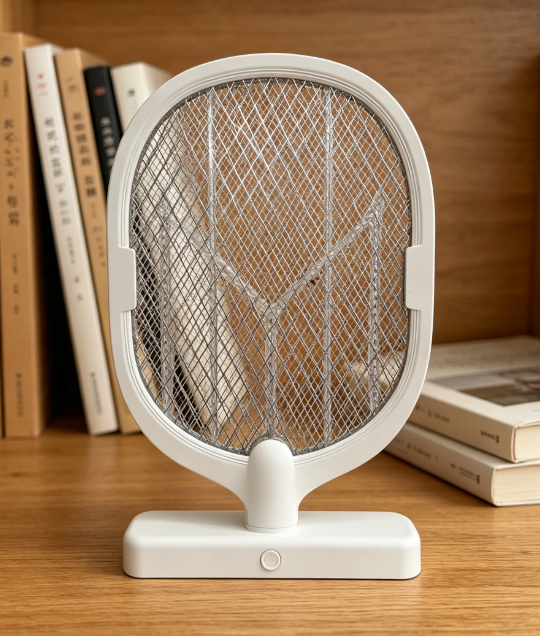
Warranty returns are the silent margin killer in the mosquito control category. A distributor who buys a swatter at $1.80 FOB and retails it at $9.90 can absorb a 1% return rate without noticing — but at 5%, the combined cost of replacement units, reverse logistics, and refund processing erases most of the line's profit.
Common mosquito swatter killer lamp failure modes wholesale spec guide

Digital bathroom scales rank as the second-highest-volume consumer weighing product category, only behind kitchen scales, with distinct market and product characteristics that set them apart from other scale types in importers’ product portfolios.
Digital bathroom body fat-bia-scale wholesale buyers guide