
Lithium vs Lead-Acid Batteries
2026-03-30
Lithium vs Lead-Acid Batteries: The Future of Mosquito Swatter Power
As summer approaches, the mosquito swatter becomes an indispensable household tool, silently guarding our peaceful nights. But behind its quick "zap" lies a core component that determines its performance, convenience, and lifespan: the battery. For decades, lead-acid batteries have been a common choice for low-cost mosquito swatters, while lithium batteries have emerged as a game-changer in recent years. Today, we’ll dive into the showdown between lithium and lead-acid batteries, exploring which one holds the key to the future of mosquito swatter power.
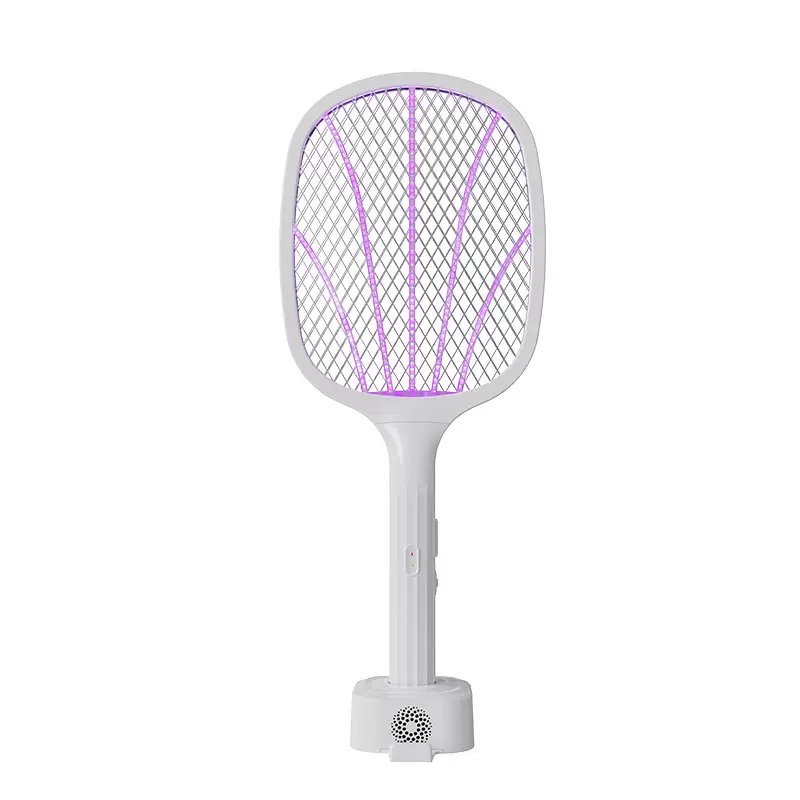
The Core Contenders: Understanding Lithium and Lead-Acid Batteries
Before we compare their performance in mosquito swatters, let’s break down the basics of these two battery types. Each has unique chemistry, design, and characteristics that make them suitable for different scenarios—and their differences directly impact how your mosquito swatter works.
Lithium Batteries: Compact, Efficient Powerhouses
Lithium batteries, particularly lithium-ion variants, have revolutionized portable electronics with their high energy density and lightweight design. In mosquito swatters, they are typically small, rechargeable, and engineered to deliver consistent power. Unlike traditional batteries, lithium batteries rely on lithium ions moving between the positive and negative electrodes during charging and discharging, enabling efficient energy storage and transfer. They are often found in mid-to-high-end mosquito swatters, prized for their long-lasting performance and user-friendly features.
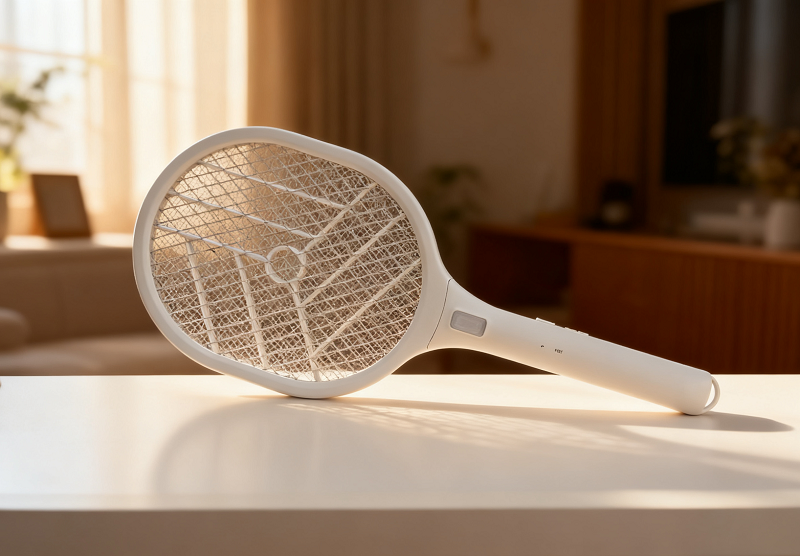
Lead-Acid Batteries: The Traditional Workhorses
Lead-acid batteries are one of the oldest rechargeable battery technologies, composed of lead electrodes and a sulfuric acid electrolyte. They have long been used in low-cost mosquito swatters due to their low production cost and simple structure. These batteries are bulkier and heavier than lithium alternatives, as they require more material to store the same amount of energy. While reliable in basic use cases, they come with tradeoffs in portability and lifespan that are becoming increasingly noticeable as consumer demands evolve.
Head-to-Head: How They Perform in Mosquito Swatters
When it comes to mosquito swatters, performance matters most: Will it hold a charge long enough to get through a summer night? Is it lightweight enough to swing comfortably? Will it last more than one season? Let’s compare lithium and lead-acid batteries across the key metrics that matter to users.
Battery Life & Runtime
For a mosquito swatter, runtime is critical—there’s nothing more frustrating than a dead battery mid-swat. Lithium batteries excel here: their high energy density means they can store more energy in a smaller space. A typical lithium-powered mosquito swatter can last 3–5 hours of continuous use on a single charge, or 5–7 days of daily short use (30 minutes per day). In contrast, lead-acid batteries have lower energy density, so even a larger battery will only provide 1–2 hours of continuous use, or 2–3 days of daily use. Lead-acid batteries also suffer from faster voltage decay, leading to weaker zaps as the battery drains, while lithium batteries maintain consistent power until nearly fully discharged.
Weight & Portability
Mosquito swatters are handheld tools, so weight directly impacts usability. Lithium batteries are significantly lighter—for example, a 1500mAh lithium battery for a mosquito swatter weighs just a few grams, while a lead-acid battery of similar capacity can weigh 2–3 times as much. This difference makes lithium-powered swatters easier to swing for extended periods, reducing hand fatigue, especially during peak mosquito season. Lead-acid-powered swatters often feel clunky and heavy, making them less ideal for quick, agile movements needed to catch fast-flying mosquitoes.
Lifespan & Durability
A battery’s lifespan determines how long your mosquito swatter will remain functional before needing a replacement. Lithium batteries have a much longer cycle life—they can handle 500–1000 charge-discharge cycles (or more for high-quality models) before their capacity drops significantly. This means a lithium-powered mosquito swatter can last 2–3 seasons with proper use. Lead-acid batteries, however, only last 300–500 cycles, often needing replacement after just one summer of regular use. Additionally, lead-acid batteries are more prone to damage from overcharging or deep discharging, while lithium batteries are protected by built-in Battery Management Systems (BMS) that prevent these issues.
Safety & Environmental Impact
Safety and sustainability are growing concerns for consumers, and the two battery types differ dramatically in this regard. Lead-acid batteries pose environmental risks due to their lead and sulfuric acid content—if damaged, they can leak corrosive electrolyte that harms both humans and the environment, and improper disposal contributes to lead pollution. They also produce hydrogen gas during overcharging, which can be a fire hazard in enclosed spaces. Lithium batteries, on the other hand, are sealed and leak-proof (for most variants), and while they carry a small risk of thermal runaway if damaged, modern BMS technology minimizes this threat. They are also more eco-friendly in the long run, as they last longer and require fewer replacements.
Cost: Short-Term Savings vs. Long-Term Value
The biggest advantage of lead-acid batteries is their low upfront cost—mosquito swatters with lead-acid batteries are often 30–50% cheaper than those with lithium batteries. This makes them appealing for budget-conscious consumers looking for a quick, cheap solution. However, when you factor in lifespan and replacement costs, lithium batteries offer better long-term value. A lithium-powered swatter may cost more initially, but it won’t need a battery replacement for years, while a lead-acid swatter may require a new battery every summer. Over time, the total cost of ownership for lithium batteries is lower.
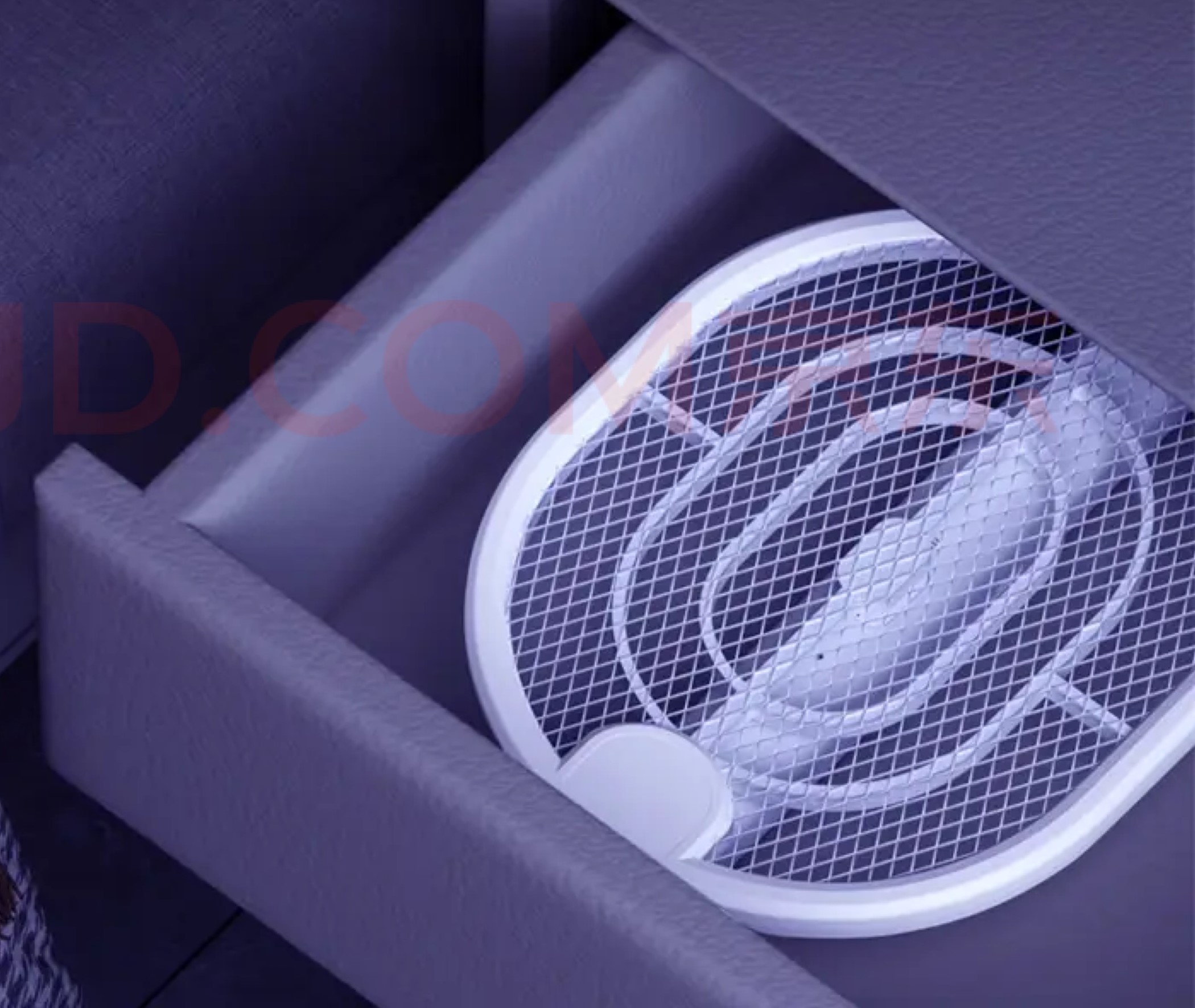
The Future: Why Lithium Is Poised to Dominate Mosquito Swatter Power
While lead-acid batteries still hold a small share of the market for low-cost mosquito swatters, the writing is on the wall: lithium batteries are the future. Here’s why:
First, consumer demand for convenience and durability is rising. Modern users want mosquito swatters that are lightweight, long-lasting, and low-maintenance—all areas where lithium batteries outperform lead-acid alternatives. As lithium battery production costs continue to drop (driven by advancements in technology and economies of scale), the price gap between lithium and lead-acid-powered swatters is narrowing, making lithium more accessible to budget buyers.
Second, environmental regulations are becoming stricter. Governments around the world are cracking down on lead pollution, which could limit the production and disposal of lead-acid batteries in the coming years. Lithium batteries, being more eco-friendly and easier to recycle (as recycling technologies improve), align with global sustainability goals.
Finally, technological advancements are making lithium batteries even better. Newer lithium-ion variants offer faster charging (1–2 hours for a full charge, compared to 8–12 hours for lead-acid), higher capacity, and improved safety features. These upgrades make lithium-powered mosquito swatters more convenient and reliable than ever before.
Final Verdict: Which Should You Choose?
If you’re looking for a cheap, disposable solution for a single summer, a lead-acid-powered mosquito swatter may suffice. But if you want a tool that’s lightweight, long-lasting, and cost-effective over time, lithium is the clear choice. As technology advances and prices drop, lithium batteries will likely become the standard for mosquito swatters, replacing lead-acid batteries as the go-to power source.
The next time you reach for a mosquito swatter, remember: the battery isn’t just a small component—it’s the heart of the tool. And when it comes to powering the future of mosquito control, lithium is leading the way.
Small Apartment Mosquito Control
Office Mosquito Control
Related Article

If you’re struggling with annoying mosquitoes, flies, and other flying pests indoors and outdoors, upgrading from traditional manual tools to anElectric Mosquito Swatter is the most efficient solution. Many homeowners and renters search where to buy fly swatter online to find durable, safe, and high-performance electric models that deliver instant pest control.
Where to Buy Fly Swatter
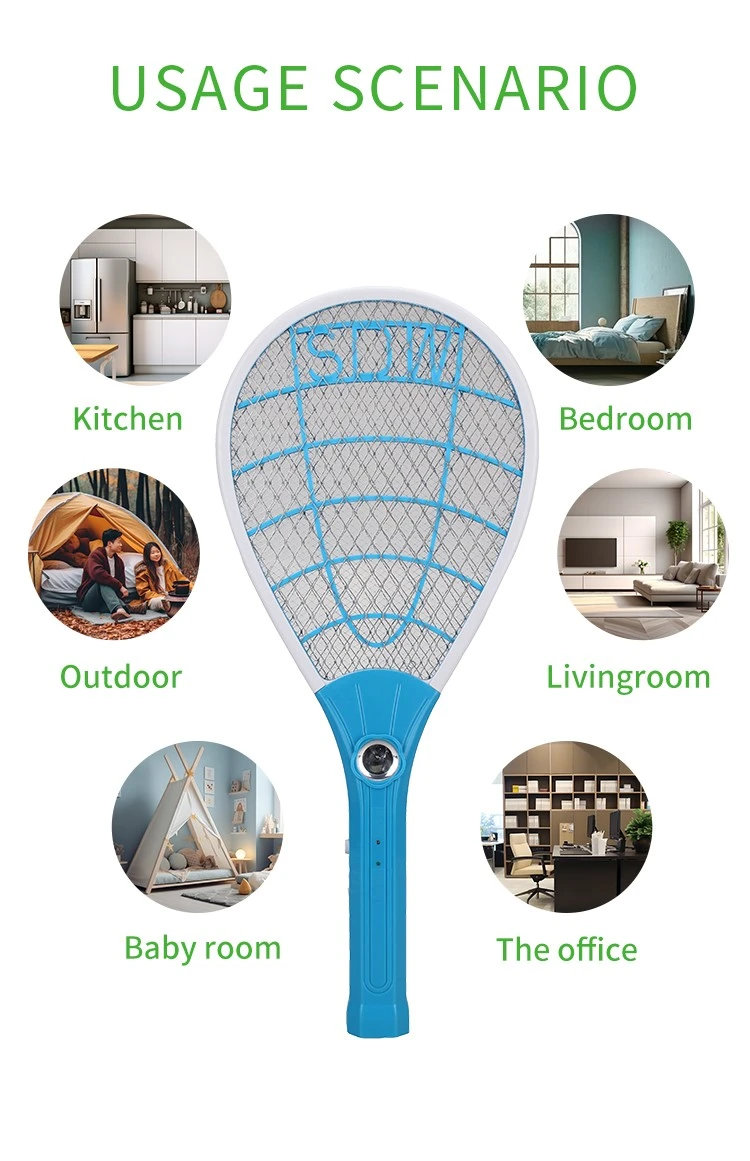
Most importers of electric mosquito swatters obsess over the first order: samples requested, factories vetted, a pre-shipment inspection booked. Then the reorder arrives eight months later and something is off. The grid feels softer. The charge port is a slightly different shade of black. The carton thickness dropped from 350 gsm to 300 gsm. Nothing is catastrophic — but the product no longer matches what your retail customers approved, and quietly, your return rate starts climbing.
How to Keep Mosquito Swatter Quality Consistent Across Repeat Orders
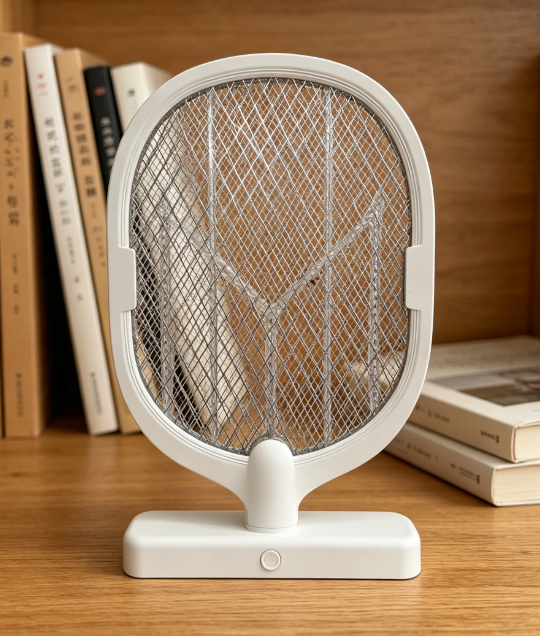
Warranty returns are the silent margin killer in the mosquito control category. A distributor who buys a swatter at $1.80 FOB and retails it at $9.90 can absorb a 1% return rate without noticing — but at 5%, the combined cost of replacement units, reverse logistics, and refund processing erases most of the line's profit.
Common mosquito swatter killer lamp failure modes wholesale spec guide

Digital bathroom scales rank as the second-highest-volume consumer weighing product category, only behind kitchen scales, with distinct market and product characteristics that set them apart from other scale types in importers’ product portfolios.
Digital bathroom body fat-bia-scale wholesale buyers guide